2026 marks Whitechapel Gallery’s 125th anniversary, providing a unique opportunity to celebrate the Gallery’s groundbreaking history, while setting out a bold new direction for the future.
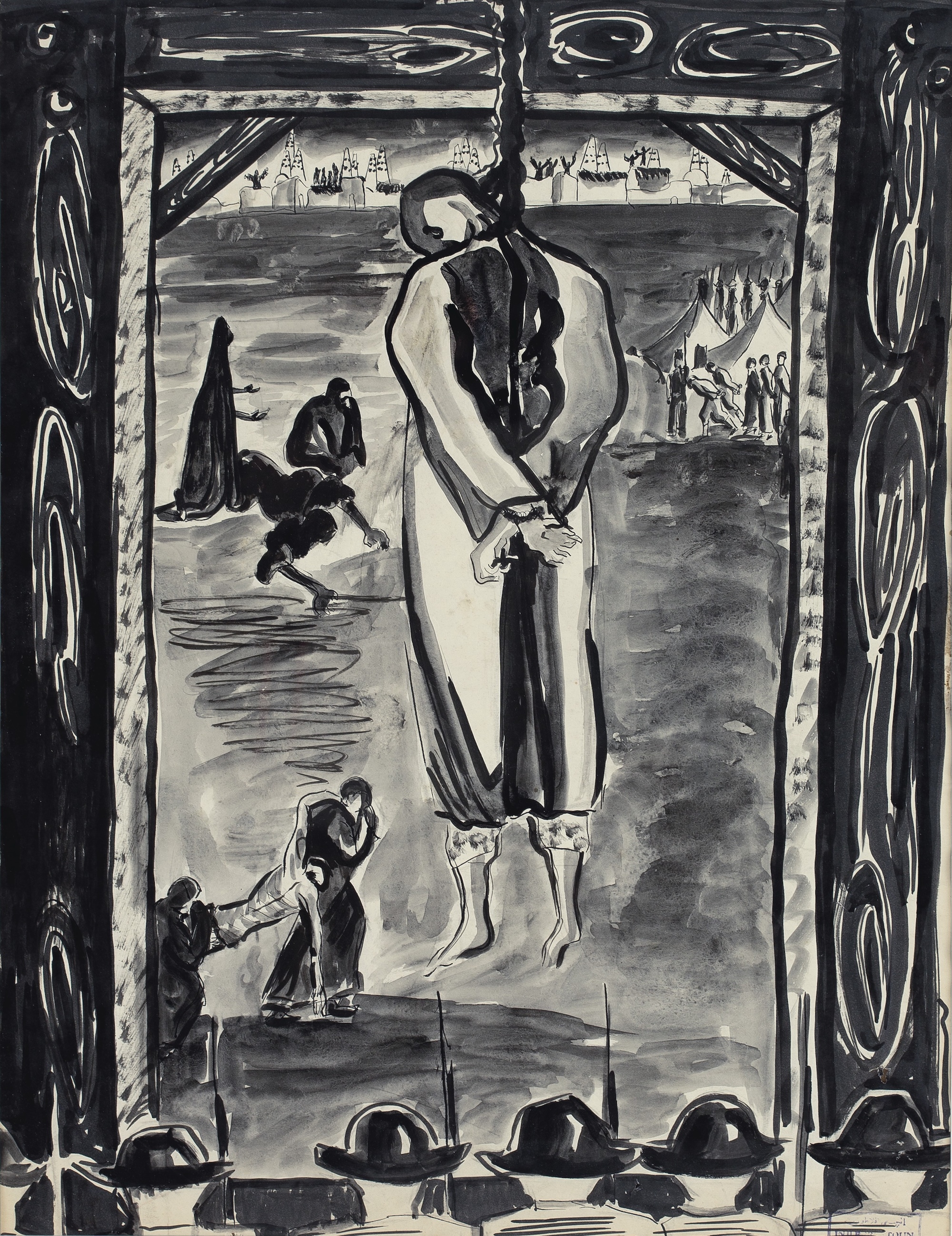
Founded in 1901 to bring ‘the finest art of the world to the people of East London’, Whitechapel Gallery has been responsible for championing some of the most radical and influential artists, art and ideas of our times. Over the years the Gallery has pushed the boundaries of what a locally embedded arts institution could do; leading sector development through its pioneering learning and community outreach programmes, giving voice and platform to local, national and international artists and issues, while being at the forefront of the global cultural scene.
The anniversary programme speaks both to Whitechapel Gallery’s past and future: continuing a bold and agenda-setting programme of contemporary art; reflecting an ongoing commitment to working with, and for, its local community; amplifying under-represented, often overlooked voices – particularly women-identifying artists and artists of colour, and showcasing new work and ideas that reflect globally relevant issues and concerns.
Anniversary highlights include:
Backyard Biennial (Summer 2026) – a new collaborative, cross-venue arts festival, celebrating the East End’s unique historic, creative and cultural identity.
A special 125-anniversary Summer Party taking over the Gallery building and offering a celebratory programme of activities drawing on the Gallery’s history and looking towards the future.
Art Futures (throughout 2026) – a major new talks series inviting international contributors to interrogate the role of public arts institutions at a time of multiple crises, bringing together audiences with artists, writers, academics and policymakers to collectively imagine alternative visions through a range of thematic lenses.
Whitechapel Gallery Young Associates (launches Spring 2026) – a new initiative for 18-to-30-year-olds designed to exemplify the Gallery’s commitment to developing local creative talent through a dedicated mentoring programme.
A vibrant, forward facing, new visual identity for Whitechapel Gallery’s 125th year designed by leading creative agency Bartle Bogle Hegarty (BBH).
“It is an honour and a privilege to be leading Whitechapel Gallery at this moment in time. It holds such a unique and important position as a place of artistic experimentation and radical thinking, bridging the local and the global. Our 125th anniversary comes at a particularly significant moment in the wider cultural, socio-political and economic landscape. In the face of such widespread division and uncertainty, it seems more important than ever to continue our legacy as a place of connection and principle, reaffirming our founding commitment to our local community while ensuring our ongoing relevance and influence around the world. We have always been, and always will be, artist and ideas led, ensuring that we represent urgent and diverse perspectives that offer audiences new ways of thinking, feeling and dreaming.”
Gilane Tawadros, Director,
Spring 2026
Veronica Ryan: Multiple Conversations 1st April – 14th June 2026 Ticketed
Whitechapel Gallery kick-starts its anniversary year with the most extensive presentation to date of the acclaimed Freelands Award and Turner Prize winning artist, Veronica Ryan, OBE, RA (b. 1956, Plymouth, Montserrat) – one of the most distinctive artists working in sculpture today.
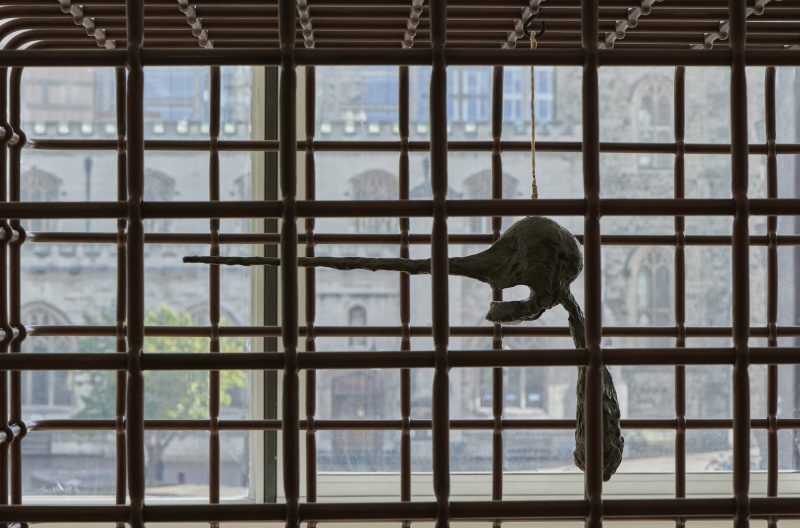
Veronica Ryan: Multiple Conversations spans four decades and features over 100 objects, including new ceramic and textile pieces especially conceived for the exhibition, as well as several works not seen since the 1980s. Her meticulous handcrafted sculptures and installations draw on a wide range of materials including bronze, plaster, marble and textiles, and are often combined with everyday objects. They reveal a deep interest in psychology, memory and personal stories, while also connecting to wider themes around the environment, history, trauma and recovery.
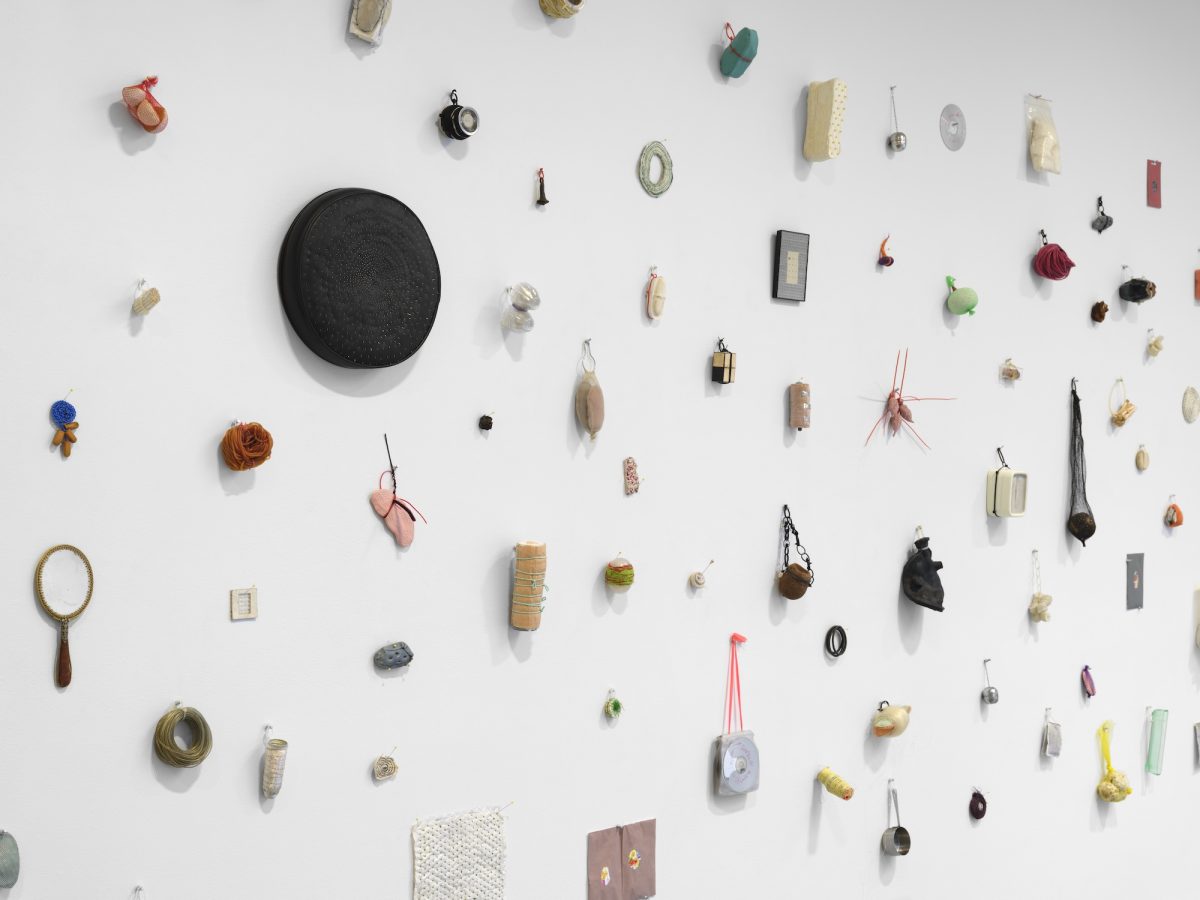
Born in the Caribbean Island of Montserrat, a British Overseas Territory, Ryan moved to London with her parents as an infant spending her formative years living and studying there; she now lives between New York and London. The evolving and open-ended nature of her work is informed by these shifts in her life as well as her interest in the invisible aspects of human experience. Ryan’s sculptures initiate an intimate and expansive dialogue around loss and retrieval, inviting inquiry into cultural, social and environmental concerns. Everyday items are transformed through hand-stitching, crocheting, or casting in bronze and ceramic, imbuing them with both personal narratives and universal psychological associations.
Ryan is also known for her long-standing interest in the intricate structures and patterns of the natural world. Seeds and pods hold significant and ambiguous meaning, simultaneously representing protective, nurturing vessels for new life, as well as enclosed containers, associated with confinement.
A key component of the exhibition will be a display of some of her best-known sculptures from the 1980s, drawn from UK public collections. Among them, the floor-based sculpture Relics in the Pillow of Dreams (1985), a plaster ‘pillow’ onto which a series of bronze pod-like forms are carefully placed highlighting Ryan’s tactile material sensibility and her interest in the symbolic resonance of found and forgotten objects. Also featured is Quoit Montserrat (1998), a large slab of white marble onto which are placed rubber casts of soursop fruit, typically found on the island of Montserrat. The piece exemplifies Ryan’s consistent engagement with her birthplace, as well as her interest in the work of St Ives artist Barbara Hepworth and other twentieth-century antecedents. The presentation features her most recent work, the titular Multiple Conversations (2019 – ongoing), a series of sculptural forms that vary in material approach but are small enough to hold in the palm of a hand. In contrast, recent public commissions have given Ryan the opportunity to expand the scale of her practice. This element of her work is reflected in the exhibition with her large-scale bronze Untitled (Magnolia Pod, 2024).
A monograph will be produced alongside the exhibition, offering a visual chronology and focusing on key themes in Ryan’s work. The publication will include essays by leading writers and curators: Amy Tobin, Darby English, Jo Appelin, Tamara H. Schenkenberg and Catherine Spencer.
Veronica Ryan: Multiple Conversations is generously supported by Alison Jacques, Paula Cooper Gallery, and Henry Moore Foundation.
Senga Nengudi 1st April – 14th June 2026 Free
Showing alongside Veronica Ryan is a rare presentation of the pioneering artist and educator Senga Nengudi (b.1943, Chicago), whose practice sits at the intersection of sculpture and performance. Showcasing photographic images alongside unique archival materials and film from the 1970s and 1980s, this spotlight exhibition will introduce visitors to a pivotal moment in Nengudi’s practice.
Born in Chicago and raised in Los Angeles, Nengudi was a key figure in the 1960s avant-garde art scene. She was part of a loose collective of Black artists making abstract work in Los Angeles, known as Studio Z, and involved in the pioneering gallery Just Above Midtown (JAM) in New York, a dedicated space for African American artists and artists of colour to present their work.
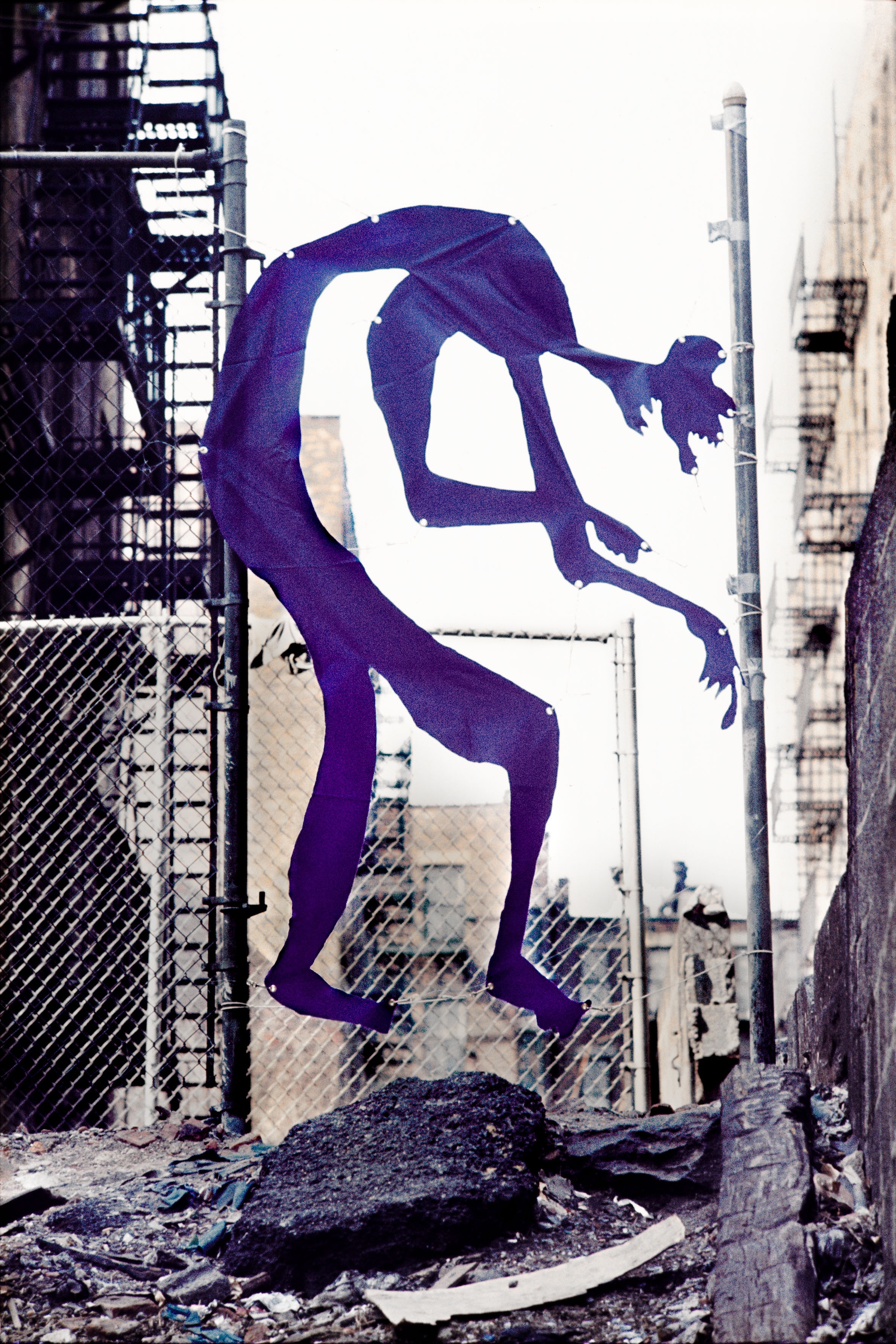
The exhibition focuses on a selection of Nengudi’s most iconic performances, made in New York in the late 1970s and early 1980s. This was a key moment in the development of her practice, where she began working with found materials including paper, masking tape, sand, rocks and seed pods, experimenting with these forms and creating performative works within them. Notably, as seen in her seminal work R.S.V.P (1976), she began using tights as one of her primary materials, stretching them across walls and floors and then inviting her frequent collaborator, Maren Hassinger, to activate them through movement.
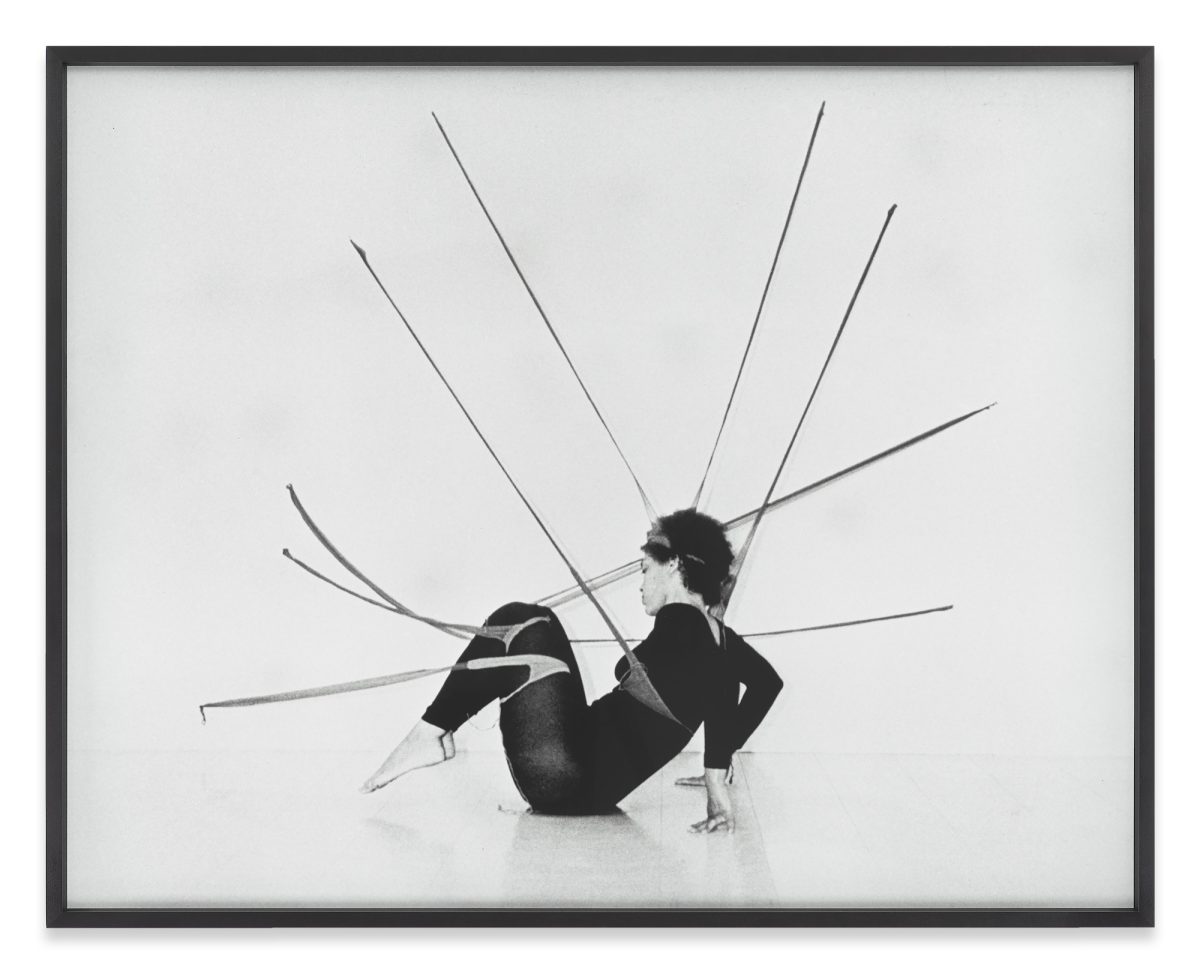
Nengudi’s unique approach combines assemblages of found and everyday materials activated through choreographed performances. Although her works are often abstract in form, Nengudi consistently references the body and its capacity to shift states – through materials and forms, and through the presence of costumed bodies that animate her performance works.
Gabriel Chaile 1st April – 13th September 2026 Free
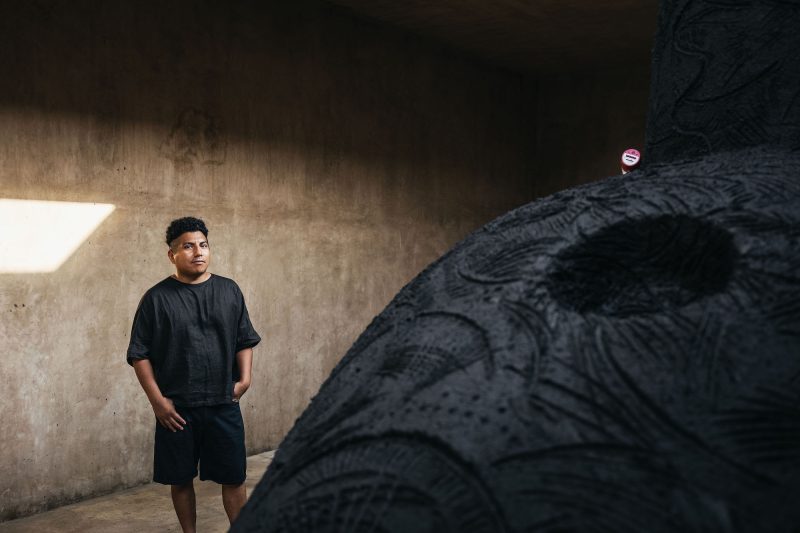
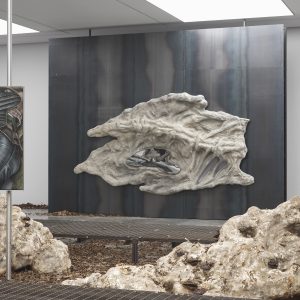
The 2026 Whitechapel Gallery annual commission is by the Argentinian and Lisbon-based artist Gabriel Chaile (b. 1985, San Miguel de Tucumán, Argentina). The commission marks Chaile’s first major London institutional solo show following his shortlisting for the Fourth Plinth (2024) and an earlier presentation at Studio Voltaire (2023).
Chaile’s practice is rooted in the distinctive cultural traditions of north-west Argentina. He creates sculptures, often monumental in scale, using adobe – a mixture of organic materials – and reflecting on formal motifs that reference the practices and ancestral traditions of the region’s Indigenous communities.
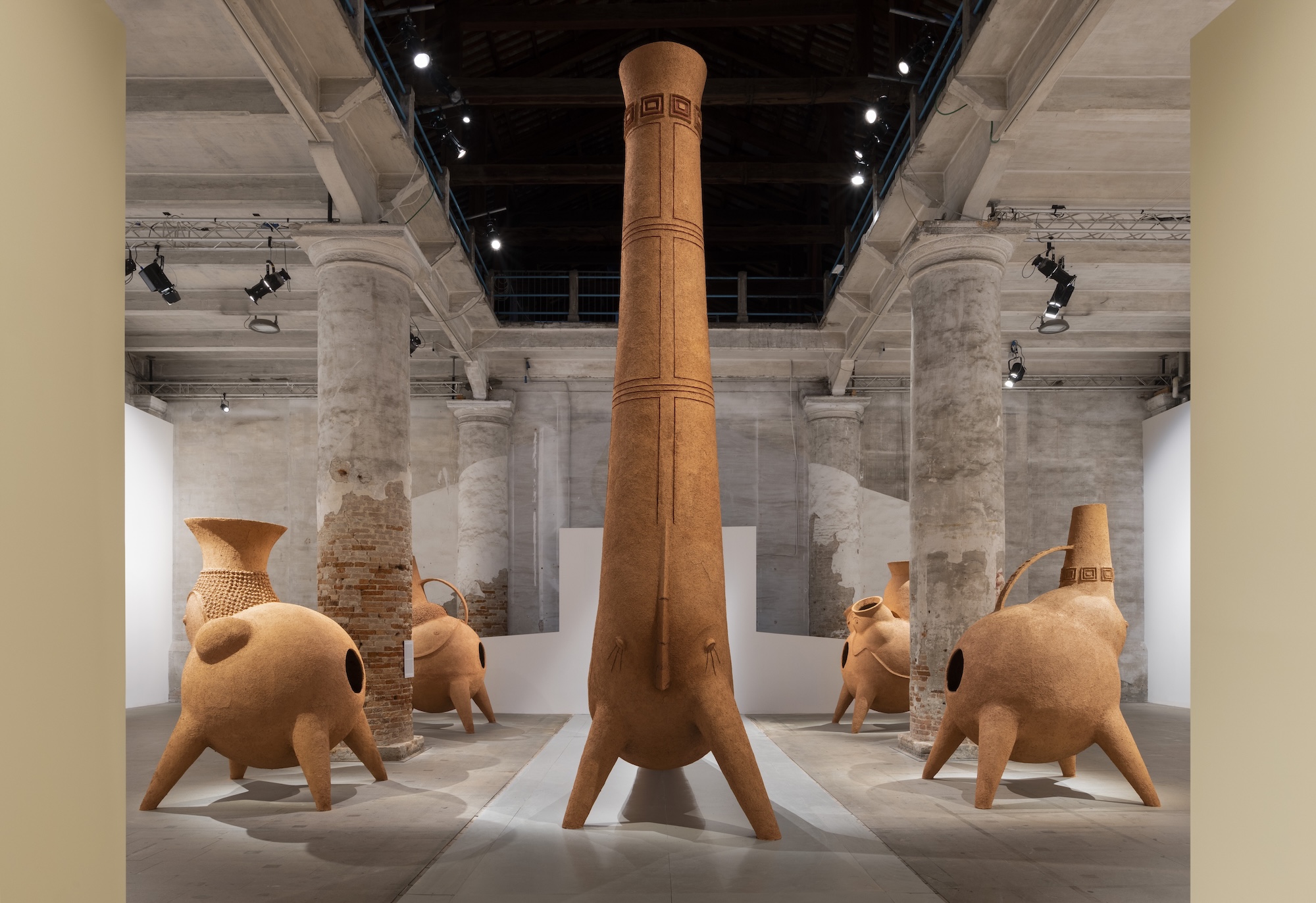
Community and collaboration are central to his work, which draws on pre-Hispanic traditions and often centres around food as a unifying element – one that fosters new meanings and connections with ancestral rituals and collective modes of gathering. For his commission at Whitechapel Gallery, the artist will draw on the historical and cultural identity of the East End.
Gabriel Chaile is generously supported by Whitechapel Gallery Commissioning Council.
Summer 2026
Backyard Biennial 15th July – 13th September 2026 Free
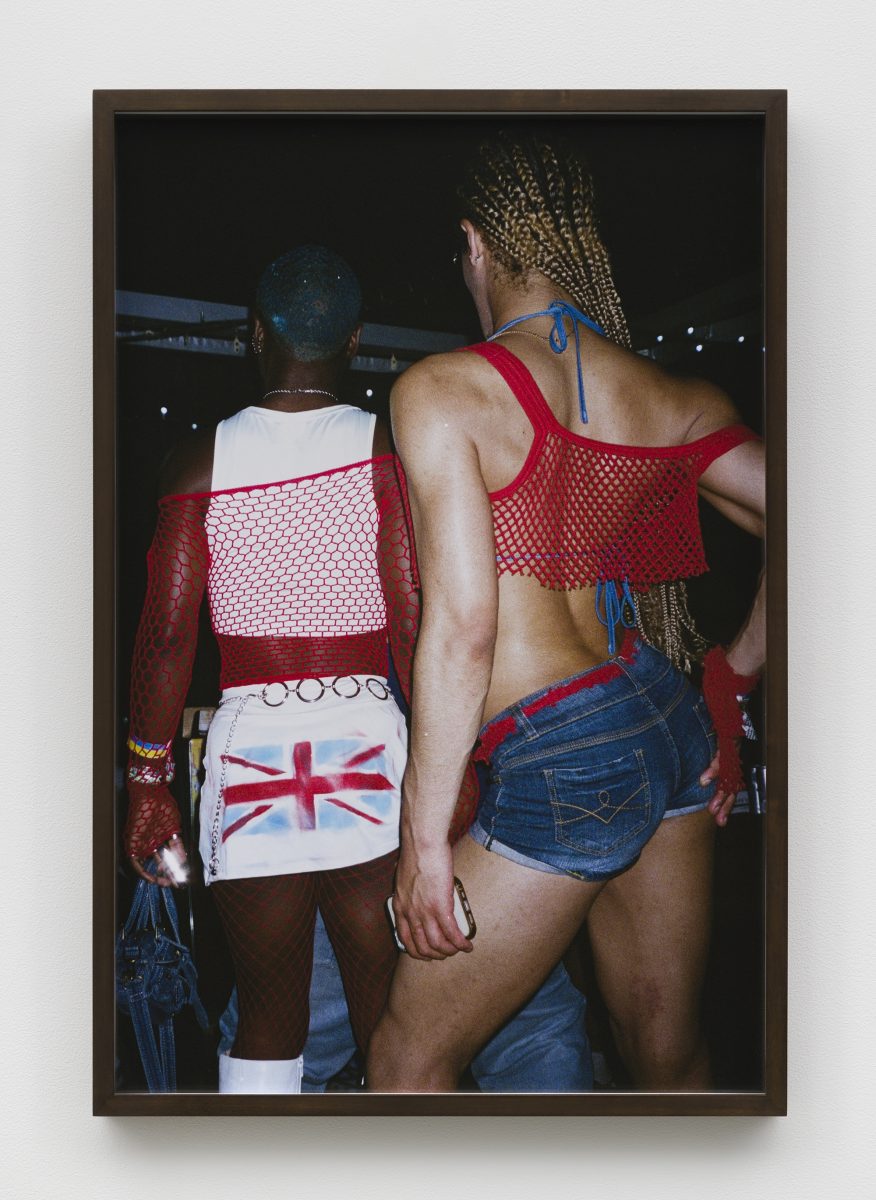
Providing a centrepiece for its 125th anniversary, Whitechapel Gallery launches a new initiative: Backyard Biennial. This collaborative, multi-disciplinary programme marks the first iteration of a biennial arts festival. It celebrates the area’s unique historic and cultural identity and includes an opening party to mark 125 years of Whitechapel Gallery’s connections to its local communities.
As one of the fastest growing and most densely populated areas in the UK, with a rich history of political and social reform, East London continues to be a powerful symbol of transformation and contemporary renewal. One of the most creative quarters in the world, it has long been home to artists, writers, poets, musicians, philosophers and activists as well as being a beacon of artisan craftmaking, notably supporting local textile and furniture industries, breweries and housing the historic Whitechapel Bell Foundry.
Jointly presented at the Gallery as well as across a range of local partner venues including cultural and grassroots organisations, art galleries, places of worship and other public spaces, Backyard Biennial continues the Gallery’s commitment to working beyond the gallery walls and collaborating with local stakeholders. Over the course of nine weeks, this multilateral programme offers a free, summer-long series of exhibitions, installations, residencies, participatory projects and live events exemplifying a vibrant and dynamic model for community engagement and participation.
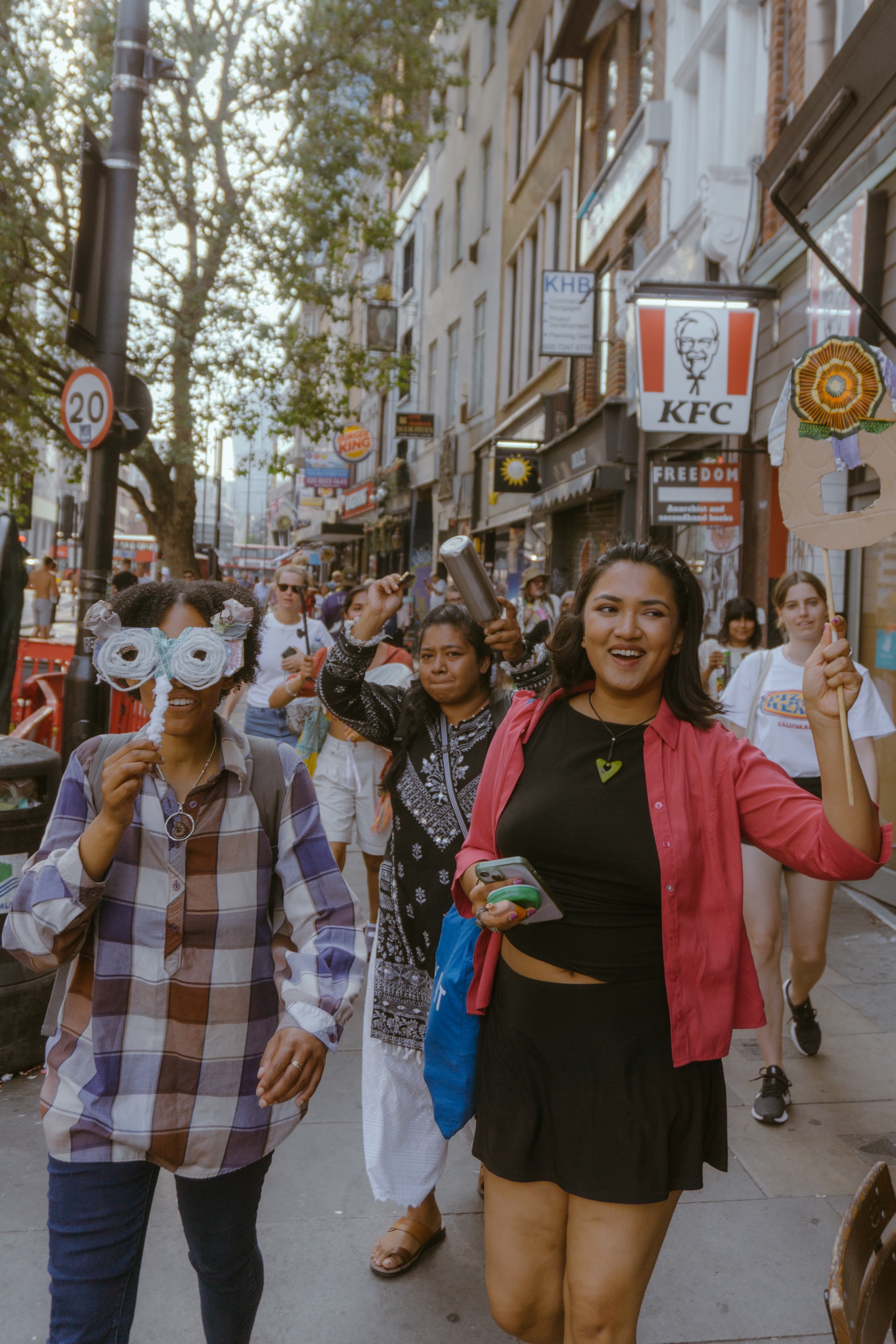
Participating organisations include: Artsadmin, Auto Italia, Bevis Marks Synagogue Heritage Foundation, Bow Arts, Counterpoints Arts, Four Corners, House of Annetta, London Parks and Gardens, Mile End Community Project, Nicoletti, Somali Museum UK, OITIJ-JO Collective, Oxford House, Raven Row, Soanes Centre, St Margaret’s House, Tower of London Historic Royal Palaces, Trapped in Zone One and many more.
Activities at Whitechapel Gallery include:
An ongoing residency with OITIJ-JO Collective, the Bengali arts and heritage organisation based in East London. A group exhibition exploring the Gallery’s longstanding connection to the local and the global. Spanning painting, sculpture, photography, film and installation, the presentation explores migratory stories and journeys, city life and kinship and the ecology of food and food production in the creation of communities. Participating artists include: Marwan Bassiouni (b.1985, Switzerland); susan pui san lok (b.1972, UK); Kabir Hussain (b.1960, Pakistan); Reetu Sattar (b.1981, Bangladesh); Denzil Forrester (b.1956, Grenada); Rene Matic (b.1997, UK); Adam Farah-Saad (b.1991, UK); Jyll Bradley (b.1966, UK); and Rehana Zaman (b.1982, UK). A collaborative public programme of talks, workshops and performances bringing together contributors from across creative disciplines. A reprise of Whitechapel Radio (launched in 2023) showcasing special features, artist and collaborator interviews, playlists and takeovers by local partners. A full list of venues and partner activities will be announced shortly.
Autumn 2026
Cecilia Vicuña 7th October 2026 – 14th February 2027 Ticketed
This exhibition marks the first major public exhibition of Chilean poet and artist Cecilia Vicuña (b.1948, Santiago, Chile) – widely regarded as one of Latin America’s most internationally renowned artists, poets, and feminist activists. The presentation spans six decades and provides an opportunity to explore Vicuña’s interdisciplinary practice across painting, textile, photography, installation and film as well as her commitment to highlighting ecological devastation, human rights, and cultural preservation as both a space of encounter and a site for resistance and change.
Born and raised in Santiago, Vicuña was self-exiled in London during the early 1970s after the violent military coup against President Salvador Allende in 1973. London provides the starting point for this exhibition – Vicuña had her studio in Stepney Green when she was a student at the Slade School of Art (1972-1974) – and the early 1970s marked a pivotal moment, with impermanence and instability and a desire to preserve and pay tribute to the indigenous history and culture of Chile, characterising her work ever since.
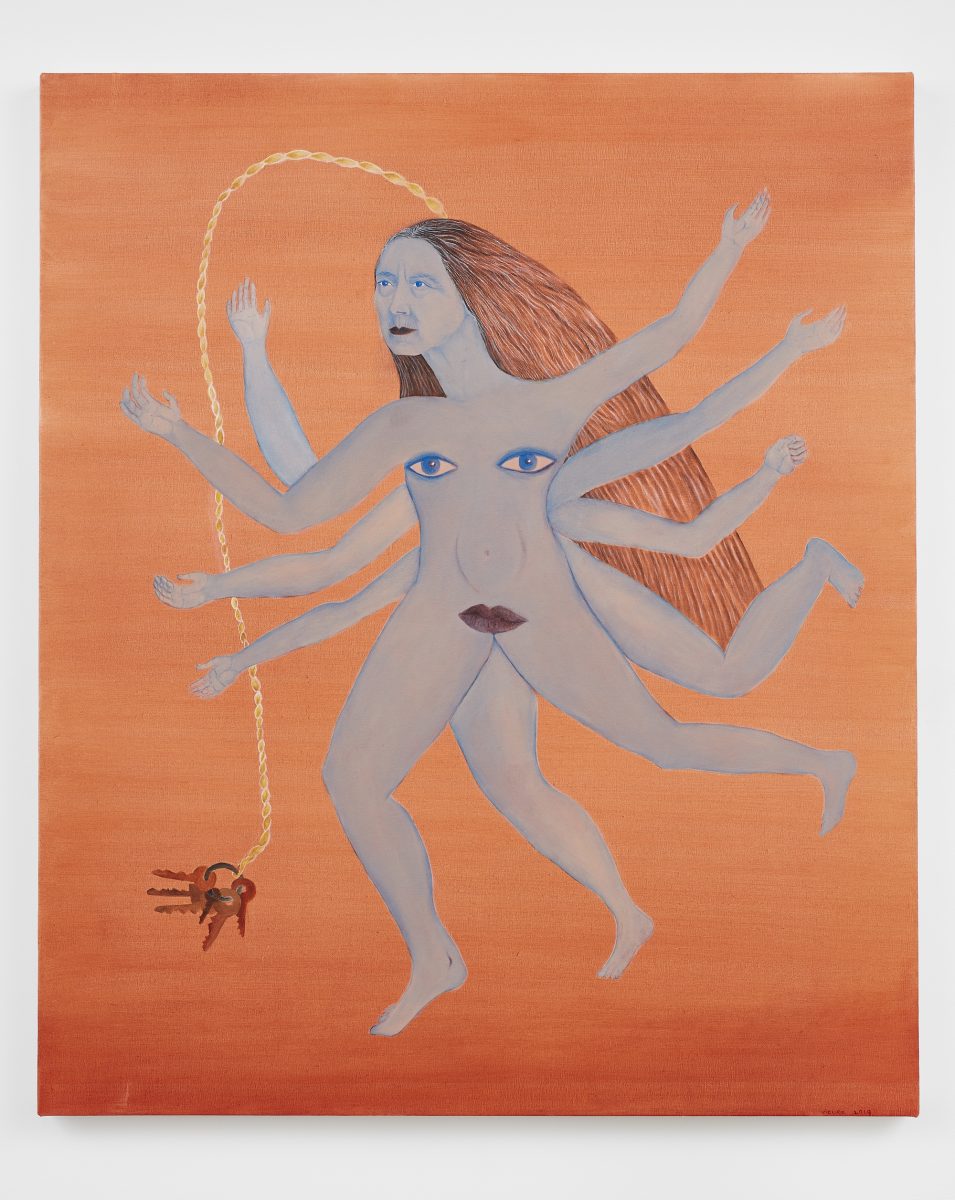
The exhibition features Quipu Menstrual (2006-2024), a dense, sculptural installation of unspun wool in vivid shades of red and brown suspended from the ceiling. Vicuña has been creating quipus for over 50 years as striking embodiments of an ancestral, non-alphabetic communication system rooted in Andean culture. Representing another important body of work is the large-scale installation, Prayer for the Rebirth of Peace in All Lands (2024). Part of an ongoing series begun in the mid 1960s, which Vicuña called precarious, these ‘spatial poems’ combine feathers, stone, plastic, wood, wire, shells, cloth, and other human-made detritus, and are defined by their fragility and ephemerality; their precarity. Also on display are a selection of Vicuña’s personal and political figurative paintings from the early 1970s, as well as a recent series dedicated to highlighting indigenous knowledge and culture.
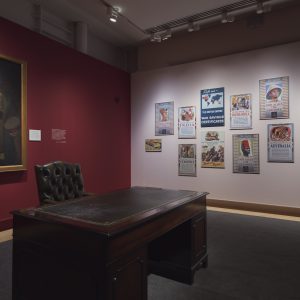
An important context for understanding Vicuña’s work is a dedicated display focused on Artists for Democracy (AFD), the organisation she co-founded in 1974 with artists David Medalla, John Dugger and writer and curator Guy Brett in solidarity with Chile and other liberation struggles around the world. It will feature never-before-seen documents, photographs and printed materials and offers a rich insight into the collective and its activities.
Cecilia Vicuña is presented in partnership with the Irish Museum of Modern Art, Dublin where it is currently on display until 5th July 2026.
Inji Efflatoun: The Poetics of Justice 7th October 2026 – 14th February 2027 Ticketed
The Poetics of Justice marks the first significant international exhibition of Inji Efflatoun (b. 1924, Cairo, Egypt; d.1989), one of the most important Egyptian artists of the twentieth century.
A feminist and a political dissident, Efflatoun’s activism and artistic practice were inseparable and deeply intertwined. Efflatoun became politically engaged at an early age, participating in anti-colonial movements against Egypt’s occupation by Britain and advocating passionately on behalf of the rights of Egyptian women on the national and international stage, as well as for ordinary working people. Mentored at a young age by the late Kamel El Telmissany, artist, filmmaker and founding member of the left-leaning Egyptian Surrealists known as the Art and Liberty Group, Efflatoun eventually joined the group and like its other members, she saw her art as a tool for political change.
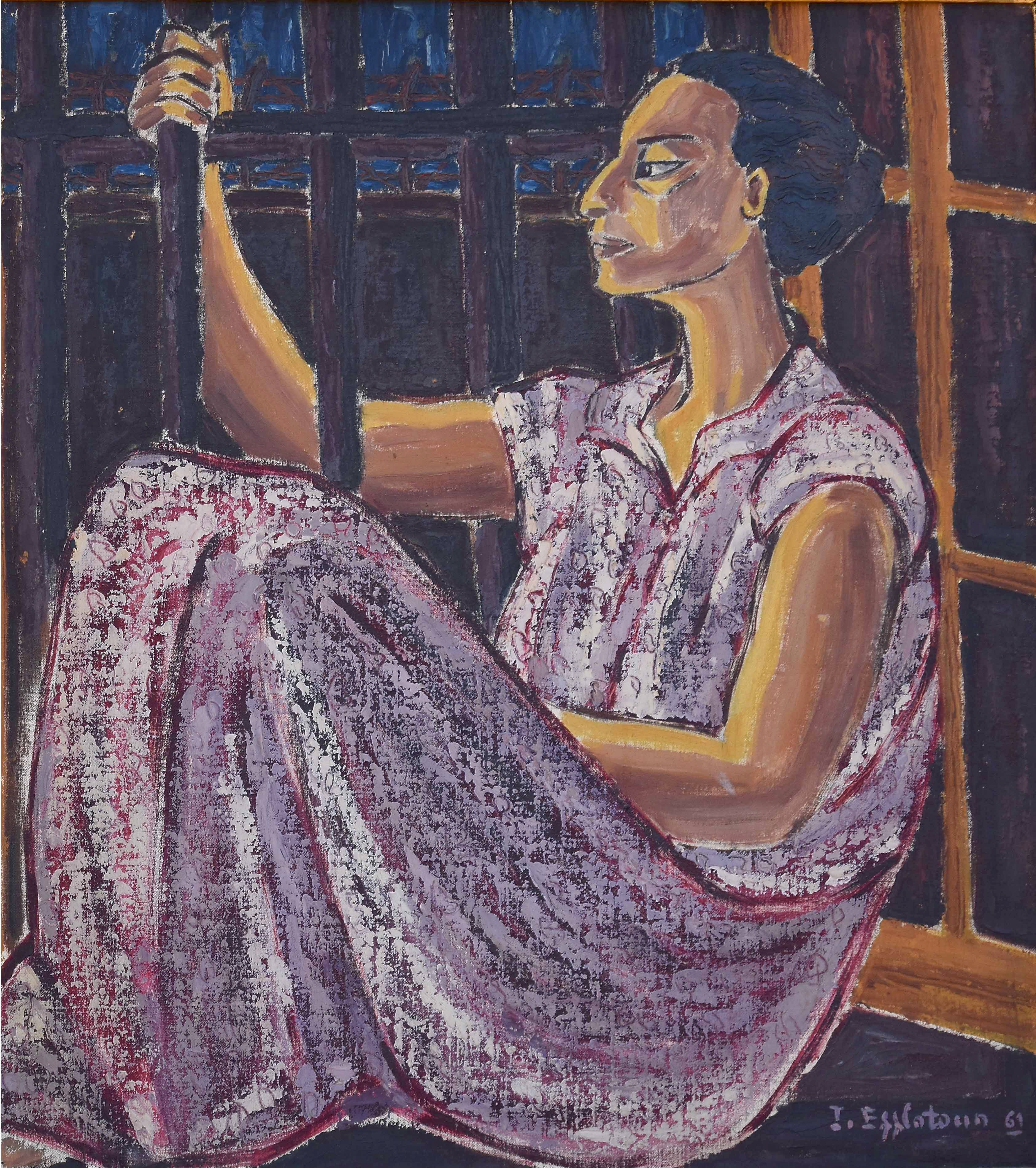
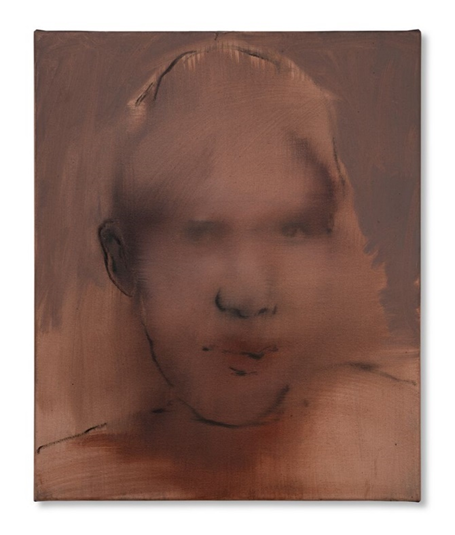
Inji Efflatoun: The Poetics of Justice brings together key paintings and works on paper from collections across the globe, as well as rare archival documents and photographs that provide a fascinating insight into Efflatoun’s life and career during a key period in Egypt’s transition from British occupation to independence and post-independence. Beginning with her early surrealist paintings from the 1940s which conjure up intense, unworldly landscapes, the exhibition will also include paintings and drawings made during her imprisonment (1959-63). These celebrated and emotionally charged portraits of her fellow inmates which she made during her incarceration by President Nasser’s regime, solidified her pioneering status as Egypt’s first female artist-activist. The exhibition will also showcase her paintings from the 1950s and 1960s of Egyptian labourers and agricultural workers, to her later works that celebrate the fecundity of the natural world.
Weaving together the artistic, personal and political, the exhibition traces the trajectory of Efflatoun’s simultaneous development as an artist and political activist in the wider context of artistic, social and political developments in Egypt – and internationally –across five decades.
Inji Efflatoun: Poetics of Justice is presented in partnership with the Sharjah Museum of Art, UAE.
Looking ahead: The 125th anniversary programme will culminate with a major exhibition in 2027 exploring the legacy and reverberations of British colonialism. Marking the 70th anniversary of the partition of India and Pakistan and the 30th anniversary of Hong Kong’s return to Chinese sovereignty, this significant historical survey features two generations of artists, and exemplifies an ongoing commitment to interrogating major cultural and political moments in global and local history.
Full details will be released in Autumn 2026.