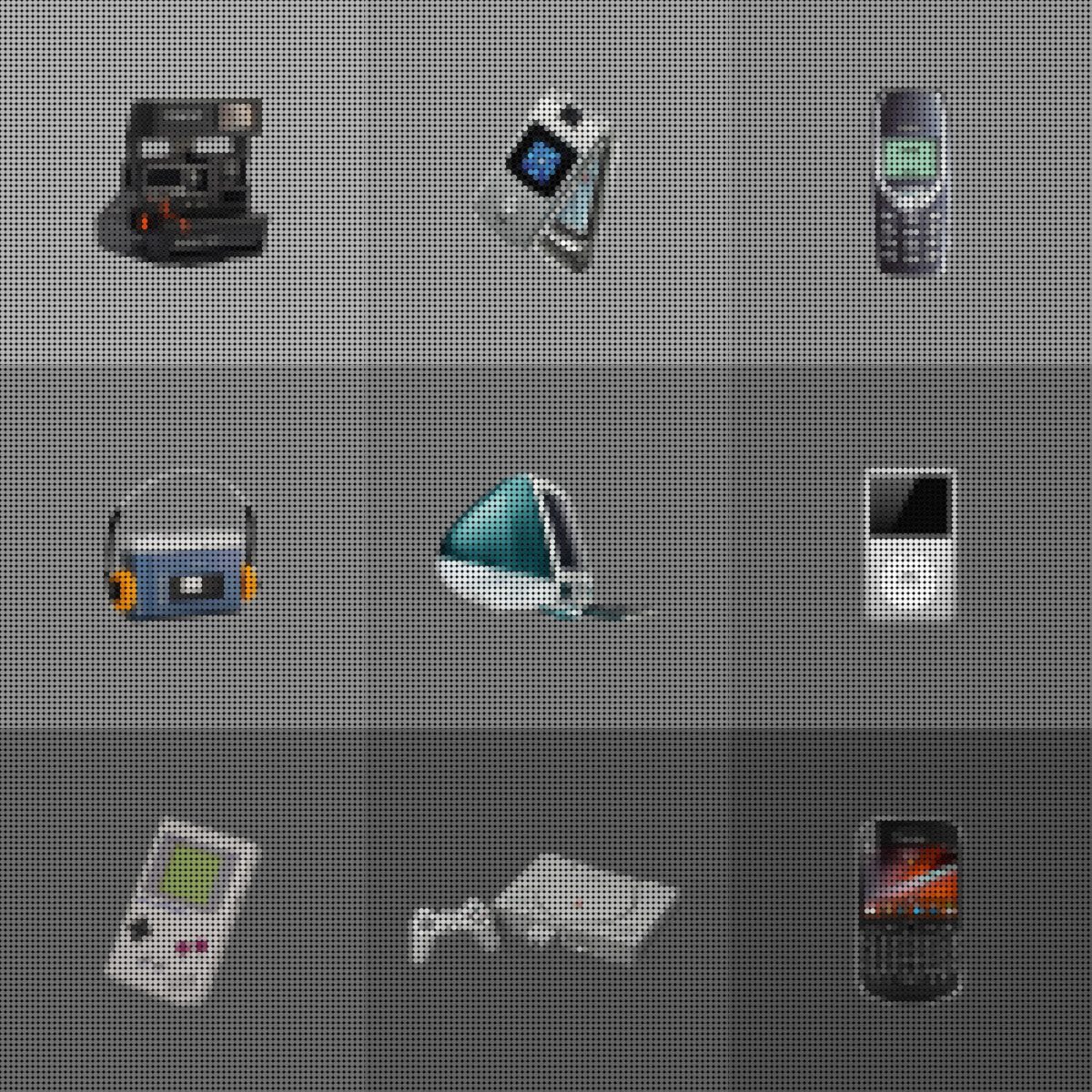
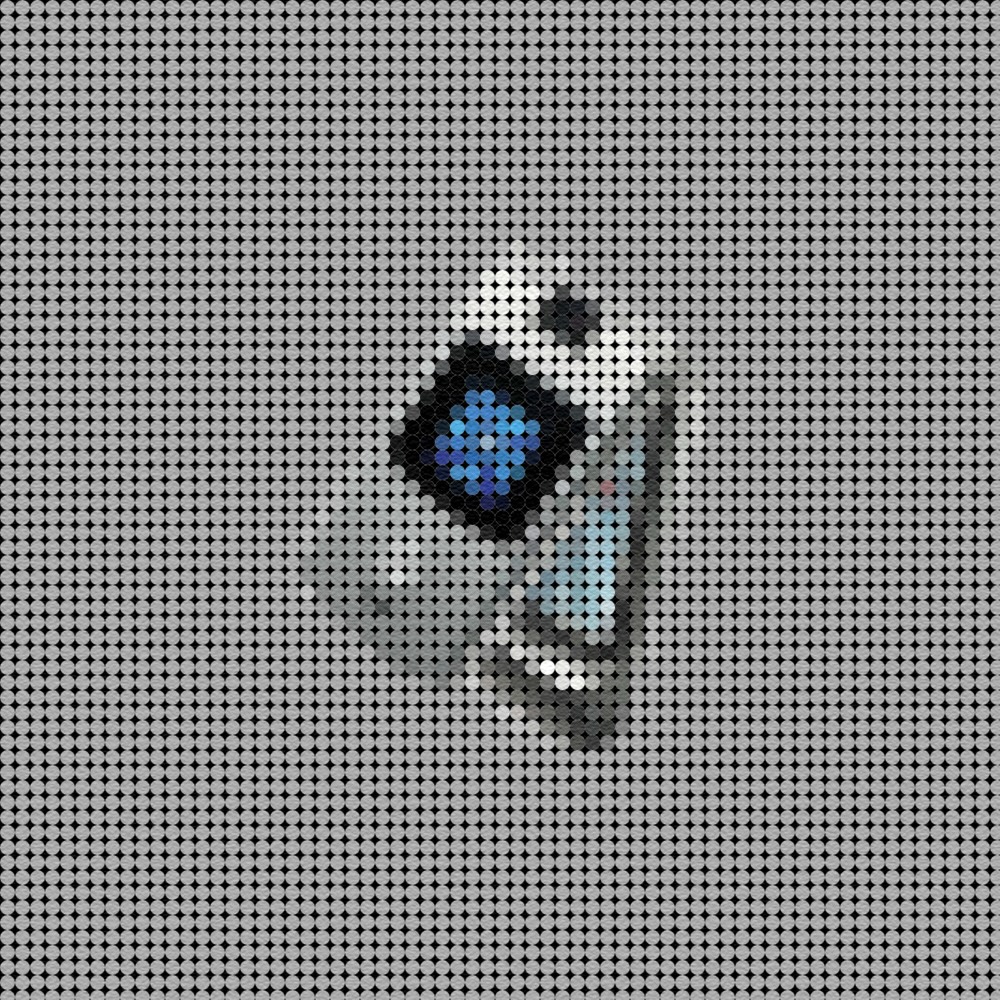
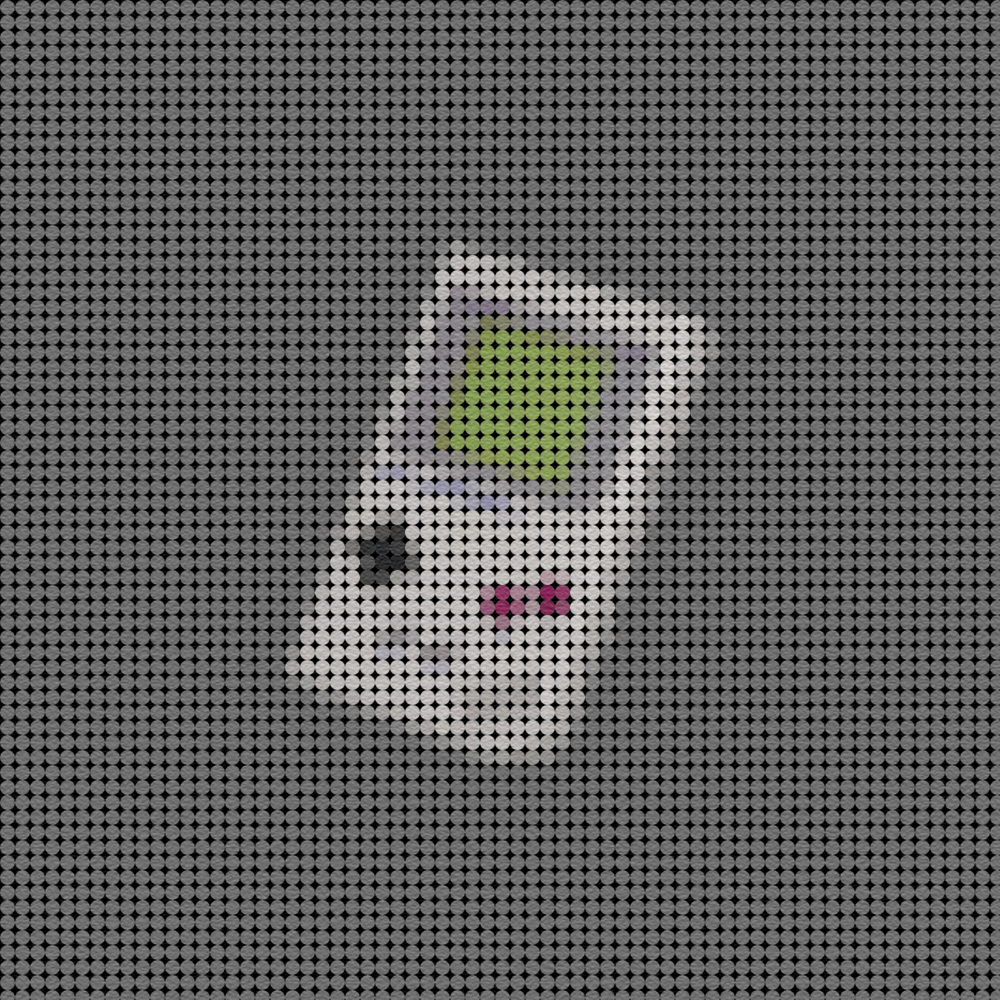
There’s a quiet magic in objects that have outlived their original purpose. The tactile spin of an iPod click wheel, the hum of a Game Boy loading a cartridge, the metallic snap of a Motorola Razr closing — these artifacts have transcended function to become cultural icons. In her latest series, When Pixels Were Enough, multidisciplinary artist Stacey Chen transforms these once-futuristic devices into timeless digital relics, capturing the nostalgia of a generation that grew up in the glow of early technology.
Based in Chicago, Chen brings to this project a background that bridges rigorous design training and expansive artistic practice. She earned her bachelor’s degree in art and design from Pratt Institute, where she was recognized with multiple scholarships and competition honors, and later completed a master’s in design innovation at Northwestern University.
Her work spans drawing, illustration, digital art, graphic design, and product design, consistently exploring the intersections of art, people, and culture. This breadth of experience informs her ability to transform everyday objects into visual narratives that speak to memory, belonging, and the human experience.
Building on the themes of her widely celebrated series Taste of Home — where pantry staples like White Rabbit candies and Koala’s March biscuits were reimagined as pixelated symbols of belonging — Chen turns her lens toward the world of technology.
Each piece in When Pixels Were Enough isolates a product that once defined its era: the Bondi Blue iMac G3, the PlayStation (PS1), the Nokia 3310, first-generation iPod. Rendered in clean, restrained pixels, these objects are stripped of noise, allowing their silhouettes and emotional resonance to take center stage.


For Chen, the project is as much about cultural history as it is about design.
“These devices are markers of time,”
she has explained in past interviews.
“They represent moments when technology felt full of possibility — when it was about connection,
curiosity, and joy.”
By revisiting these objects, she invites viewers to pause and reflect on a world that once felt slower, simpler, and more tactile. What sets Chen’s work apart is how her design practices and artistic disciplines converge. Years of exploring the relationships between form, function, and emotion have shaped her ability to distill complexity into elegant, iconic visuals. Every line, every pixel, is intentional — the result of a practice that blends technical precision with a deep sense of storytelling. Her multidisciplinary approach allows her to move fluidly between mediums, drawing from product design, digital illustration, and fine art to create work that resonates across cultural and generational boundaries.
Over the years, Chen’s projects — spanning fine art, product experimentation, and digital media — have been featured in galleries across the United States, Europe, and Asia, and profiled in international publications. Each series, from Taste of Home to Curated Spontaneity, has expanded her exploration of memory and identity, transforming familiar objects into cultural narratives that are both intimate and universal.
With When Pixels Were Enough, Chen continues that dialogue, creating work that functions as both archive and reflection. These pixelated forms don’t just honor the past; they prompt viewers to consider what we choose to remember, and why. In an era defined by constant upgrades and algorithm-driven trends, her work lingers on objects that were once revolutionary — recognizing the beauty of their simplicity and reviving the sense of wonder that technology once inspired.
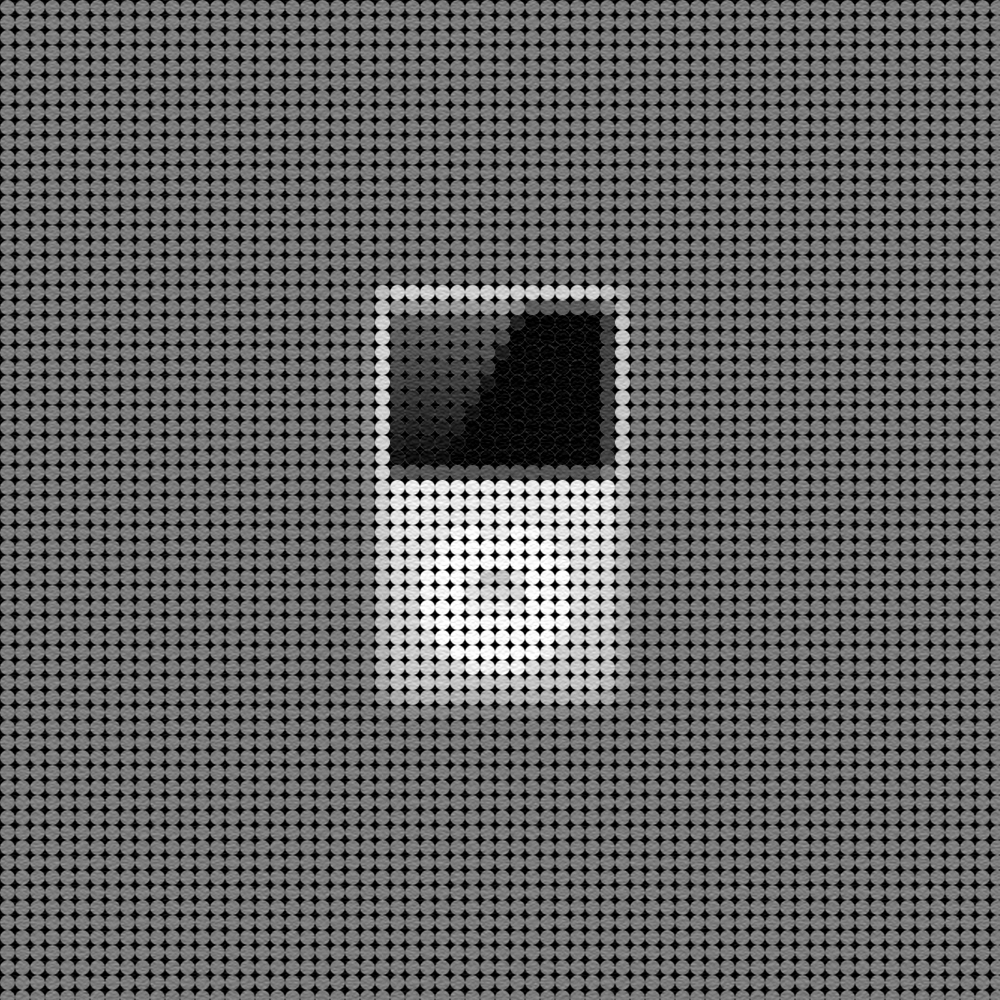
Ultimately, When Pixels Were Enough is more than a visual archive. It is an exploration of memory, identity, and the stories embedded in the tools we’ve built and abandoned. In Chen’s hands, these pixelated artifacts become markers — not of obsolescence, but of possibility, and of a time when even the smallest screen felt infinite, when, truly, pixels were enough.