Bronze is heavy, permanent, and anchored to the earth. Yet when Victoria Chichinadze works with the medium, her sculptures seem to defy their material nature, as if caught mid-transformation between metal and flesh, between stillness and movement. Turn away for a moment and you half-expect to find they’ve shifted position, stepped closer, begun breathing. More at home in the natural settings they’re often found.
This sense of captured animation permeates both series that define her current practice. Her figurative bronzes depict mythological characters; dryads emerge from bark-textured surfaces as if in the process of becoming, still pushing through the boundary between tree and woman. These aren’t the polished idealisations of classical sculpture but figures that feel plucked from some parallel realm where transformation is constant and bronze is simply another state of being.
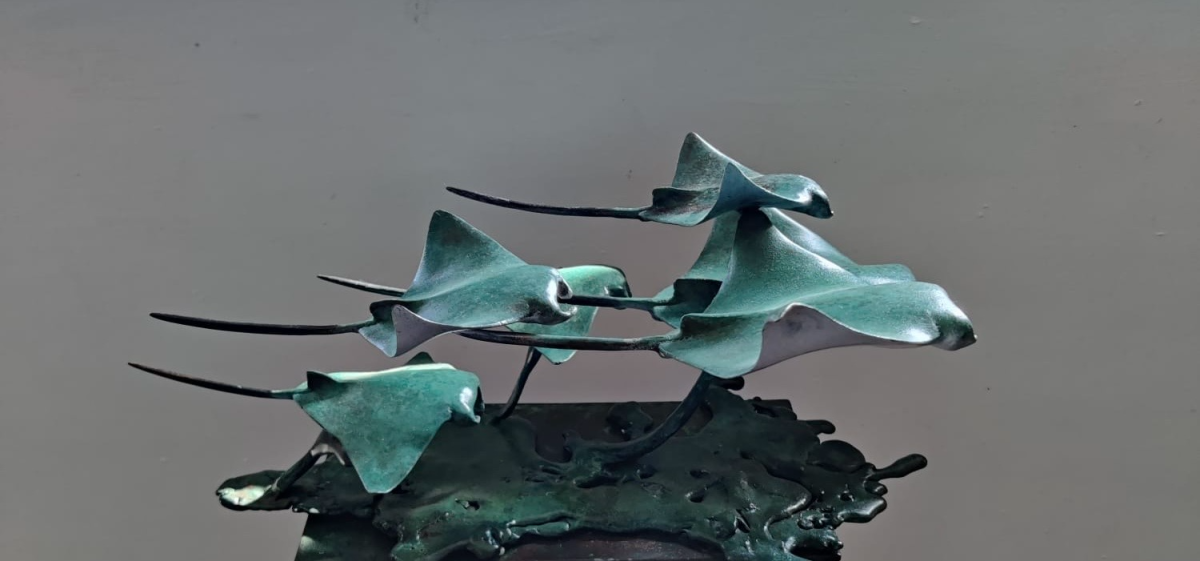
In her “Philosophy of Nature” series, the boundaries between elements dissolve entirely. Her bronze manta rays soar above the grass as if air were water, their forms so fluid you can almost feel the current carrying them. A deer raises its head with that startled alertness we recognise from forest encounters – that moment of mutual recognition when human and animal lock eyes across the species divide, triggered by a careless snap of a twig underfoot. These pieces don’t just ask us to look at familiar creatures differently; they insist that the creatures are aware of us, seeing us with equal curiosity.
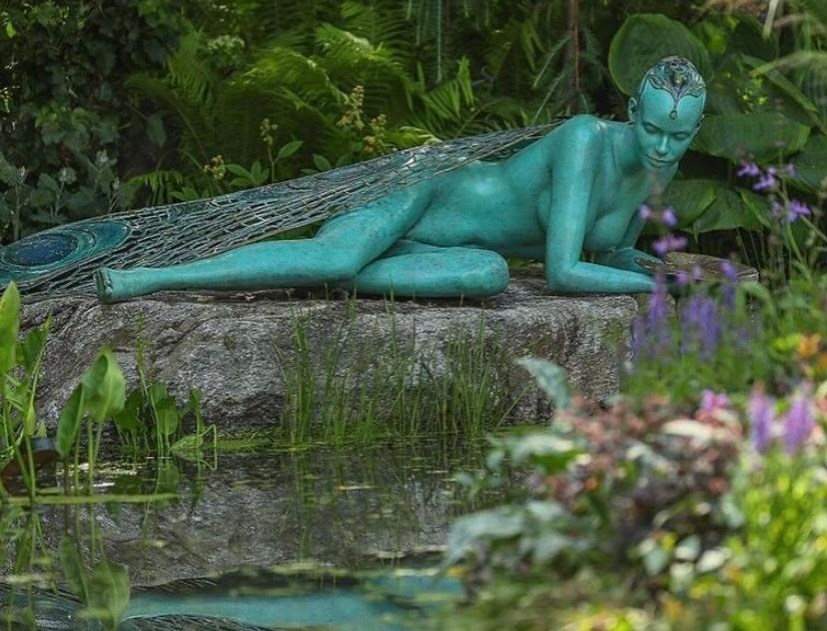
What makes this transformation possible is Chichinadze’s complete control of her bronze casting. Working from her foundry, she controls every stage from clay modelling to the final patina, and this integration shows in work that feels utterly coherent. Her surfaces tell stories through touch – achieving textures that your fingers want to explore, patinas that seem to shift colour as light moves across them.
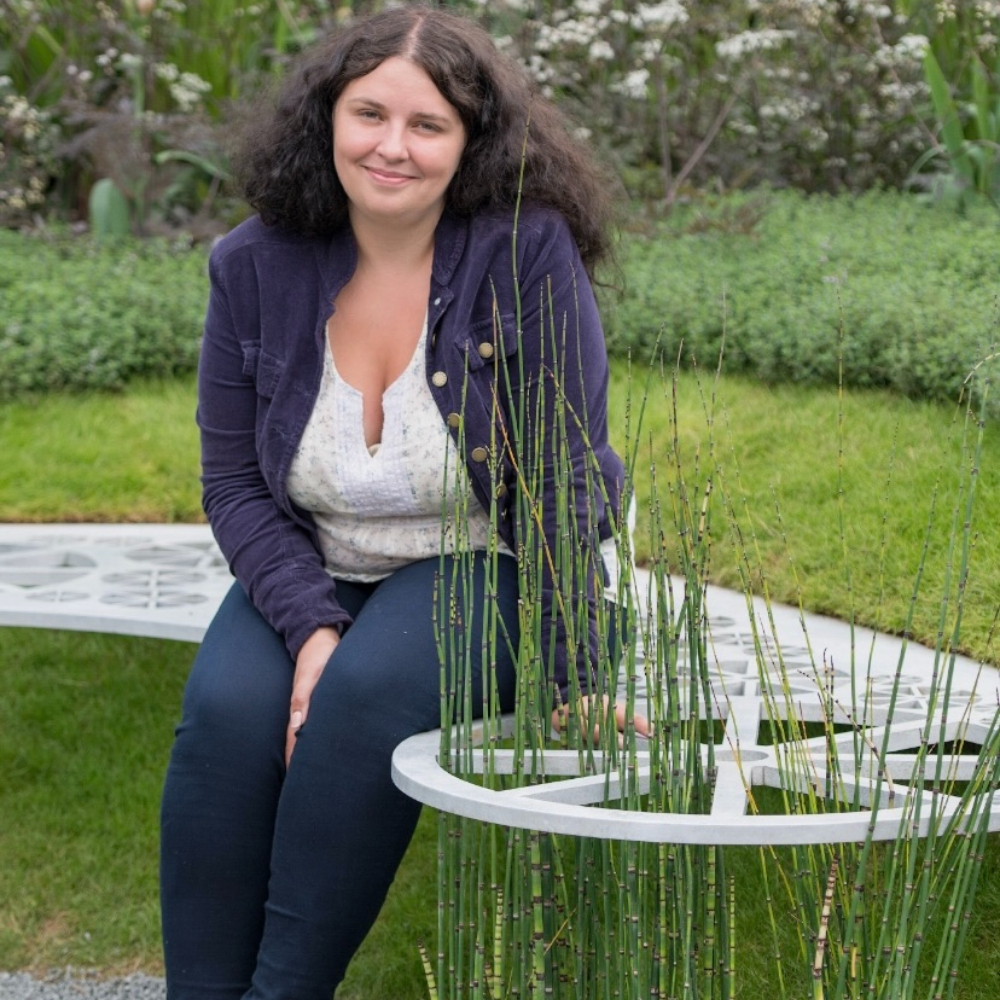
Her outdoor installations, including at prestigious venues like the RHS Chelsea Flower Show, reveal how naturally her sculptures inhabit the landscape. They don’t impose themselves on natural settings but appear to have grown there. Yet this success raises intriguing questions about her newer gallery-scale works. Can pieces conceived for wind and weather, for the interplay of changing light and growing seasons, translate their power to white cube spaces? Removed from their natural context, do these works risk being mistaken for decorative objects rather than serious sculpture?
The biographical context adds another layer of complexity. As a Ukrainian artist who fled war, Chichinadze’s creation of fantastical, peaceful worlds takes on additional poignancy – as if a form of escapism. Her bronze creatures inhabit realms where transformation is beautiful rather than violent, where the boundaries between species offer possibility rather than threat.
Looking forward, the most compelling development would be seeing how Chichinadze’s Ukrainian heritage might more explicitly inform her mythological vocabulary. What happens when Slavic folklore meets bronze? How might the flora and fauna of her homeland find new life in her foundry?
Victoria Chichinadze makes bronze feel alive. Her sculptures have an energy that transcends their material constraints, creating worlds where transformation is constant and wonder is the norm.
As her practice continues evolving between landscape and gallery, between mythological reference and personal narrative, she’s positioning herself as an artist who doesn’t just work in bronze but thinks in it, dreams in it, breathes life into it with every piece. I look forward to seeing this evolution and the future series that she will produce.
You can find out more about Victoria Chichinadze’s works and her practice on her Instagram.
All photos by Andrey Lysikov.