In a cultural moment dominated by acceleration and seamless design, London-based artist and designer Tianju (TJ) Chen has carved out a practice that insists on friction, permanence, and hesitation. His work takes the digital fragments we consume and discard daily — interfaces, glitches, functions — and repositions them as artefacts, demanding that we recognise their aesthetic, cultural, and political weight.
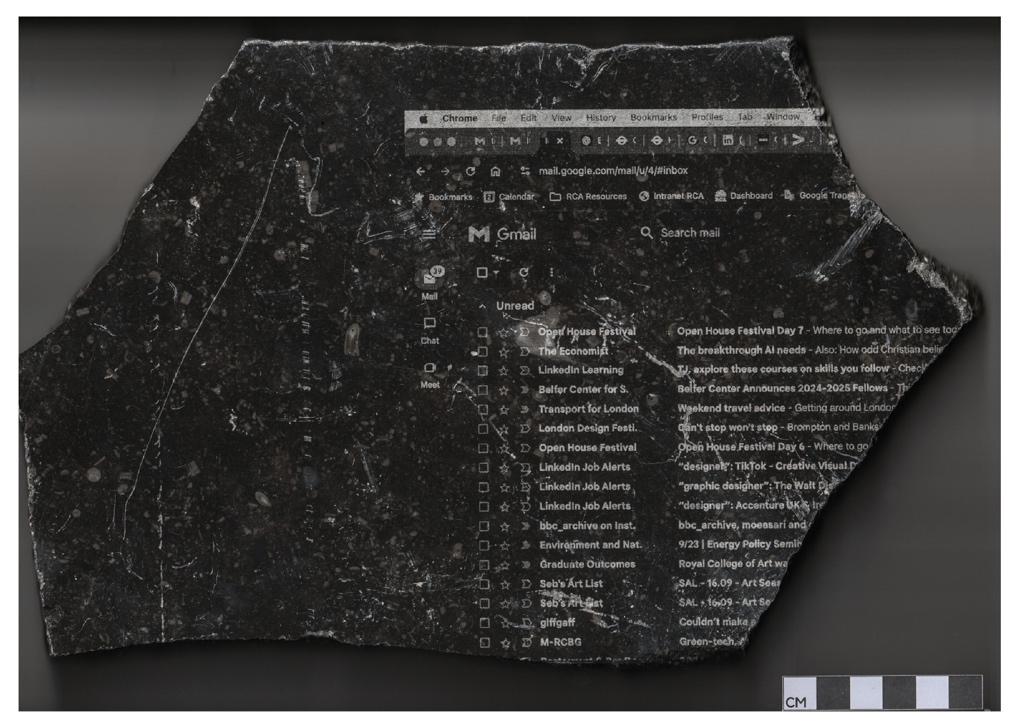
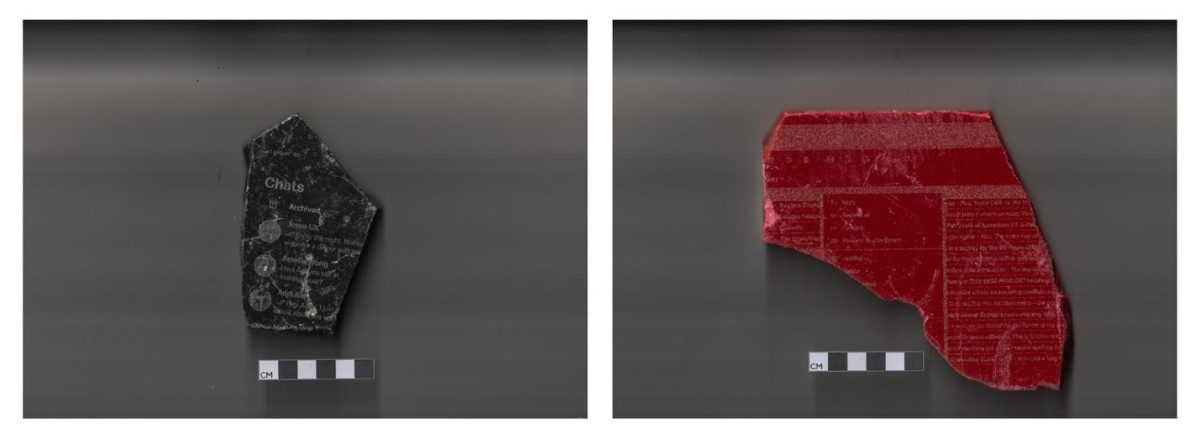
TJ’s Interfaces series documents the fleeting architectures of the screen by engraving them into stone, a medium of deep time and permanence. Familiar elements — inboxes, chat windows, notifications — designed to appear, update, and vanish are fossilised as enduring objects. What is normally ephemeral becomes archaeological: interfaces are reframed not as tools of productivity but as cultural artefacts of our moment. Exhibited at the London Design Festival, International Body of Art, and Qloud Collective, these works resonate as monuments to a digital language already slipping into obsolescence, transforming the transient surface of daily communication into cultural heritage.
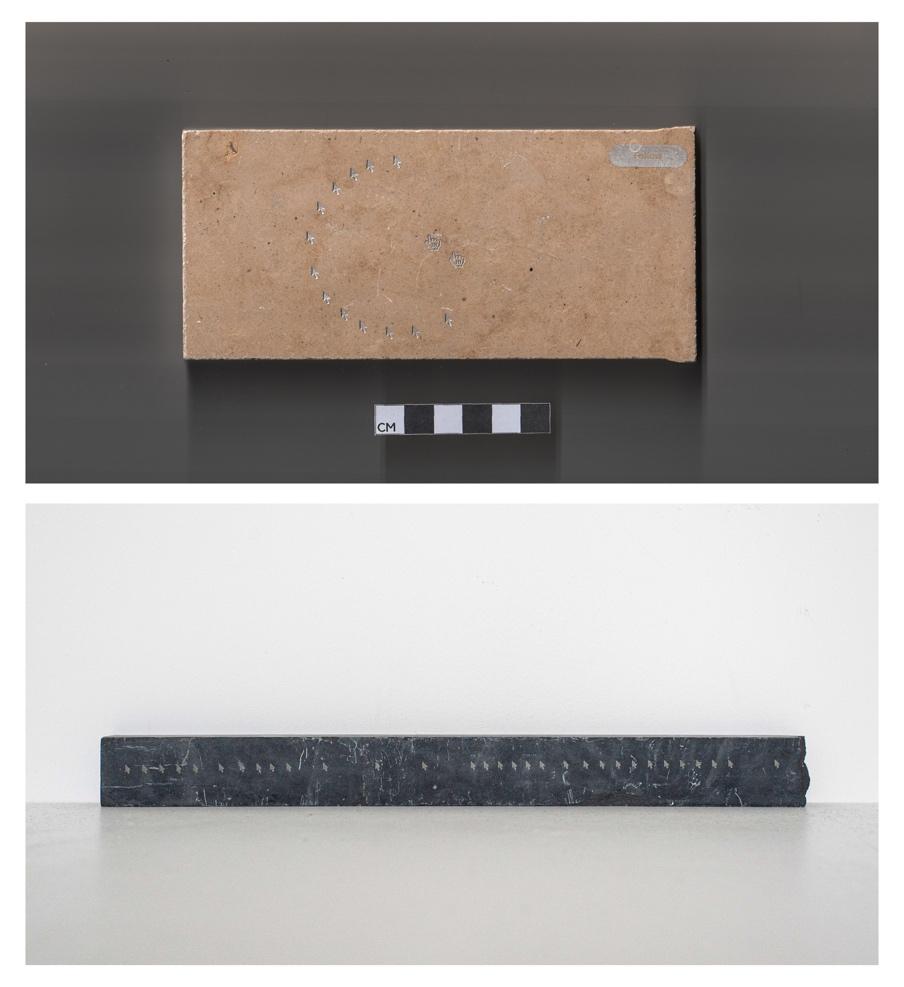
In Cursors, TJ narrows his lens to the most elemental marker of digital interaction: the pointer. Normally flickering, shifting, or disappearing in milliseconds, the cursor is carved into stone, still and immutable. Detached from its function of guiding movement and marking time in the digital realm, it becomes uncanny — a trace of embodied interaction without purpose. These works foreground the strangeness of digital temporality, where gestures feel immediate yet dissolve almost instantly into data. In turning cursors into physical relics, TJ asks how our everyday digital gestures might one day be remembered, if at all, as fragments of a shared but unstable cultural experience.
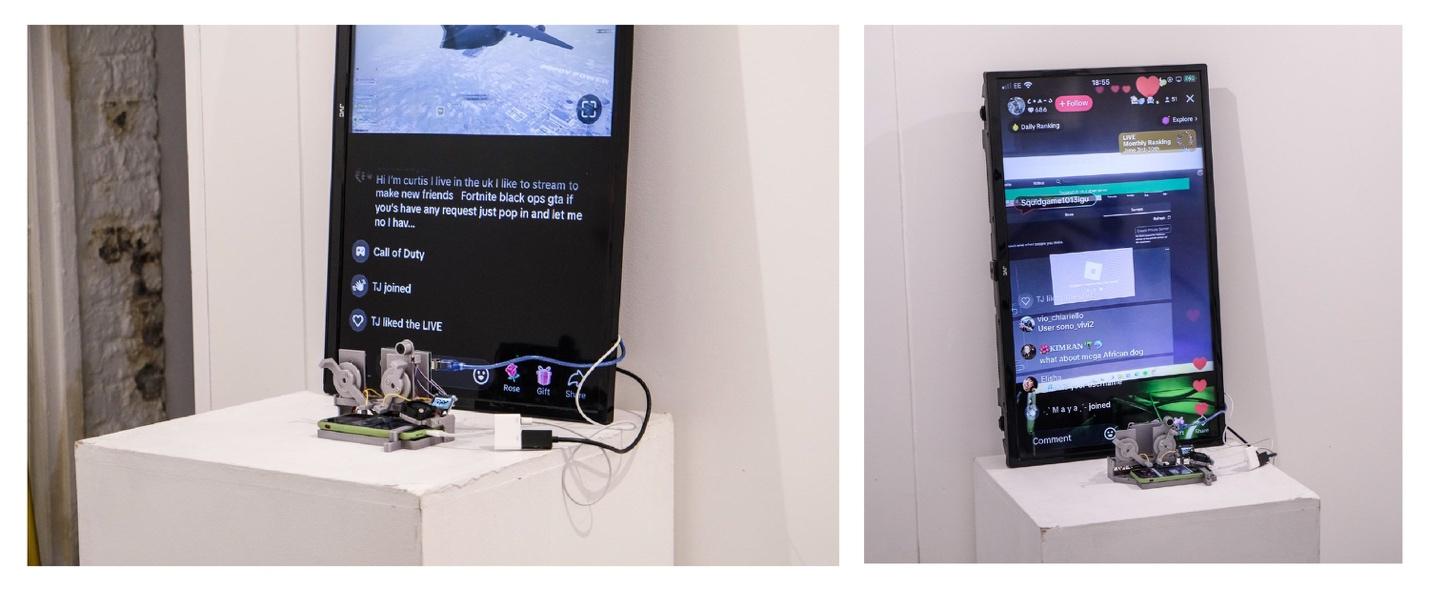
Where Interfaces and Cursors stabilise the fleeting, TJ’s Full-automatic Immaterial Labouring Series – Live (FAILS – Live) insists on collapse. First shown with the International Body of Art, the semi-automated installation generates real-time glitches and interruptions, laced with cynicism – an instrument of system crashes. In place of the corporate promise of frictionless design, user experience and entertainment, TJ presents a theatre of fragility and absurdity.
The work resonates as both critique and catharsis: audiences are forced to confront failure not as interruption but as material. By aestheticising breakdown, TJ pushes against the ideology of seamless totality that governs contemporary digital culture.
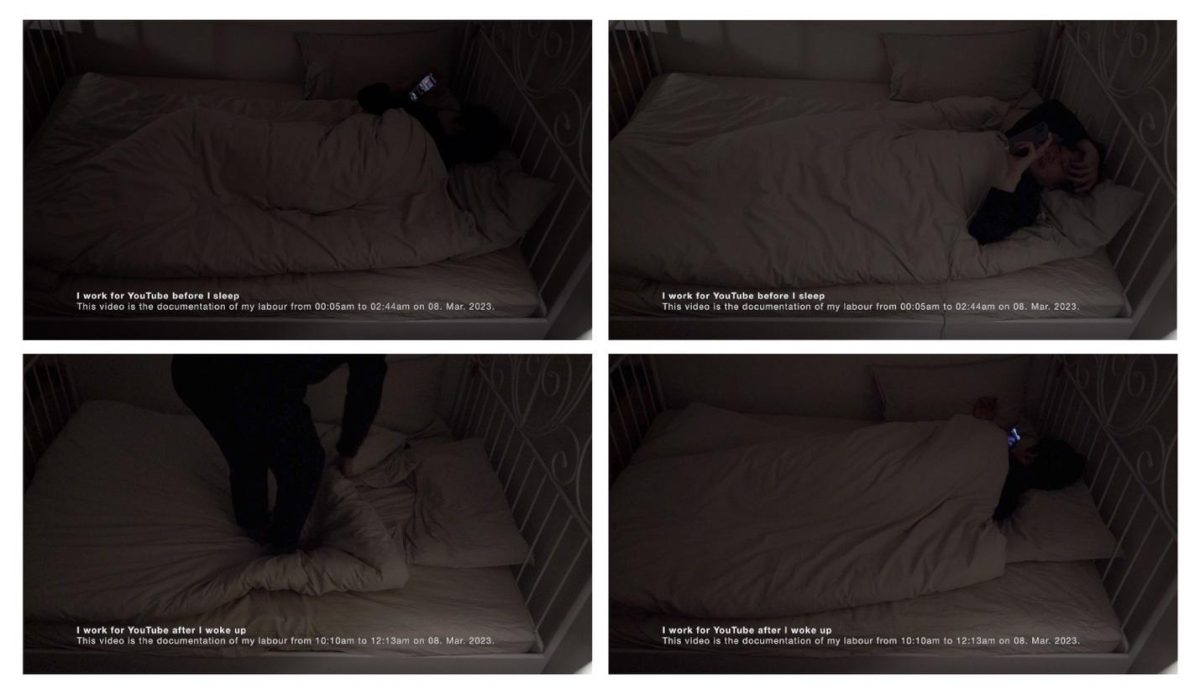
In I Work for YouTube Before and After I Sleep, first shown at Performance Machines with International Body of Art, TJ turns the critique inward. The performance reflects his own entanglement with the platform, where hours of leisure, distraction, and rest bleed into the logic of algorithmic extraction. Sound loops and screens mirror the cycles of recommendation that stretch across waking and sleeping, implicating viewers in a world where even rest becomes labour for someone else’s profit.
This is not simply an autobiographical confession but a sharp diagnosis of contemporary cultural labour. It situates TJ’s practice within broader debates about attention, surveillance, and the monetisation of human experience.
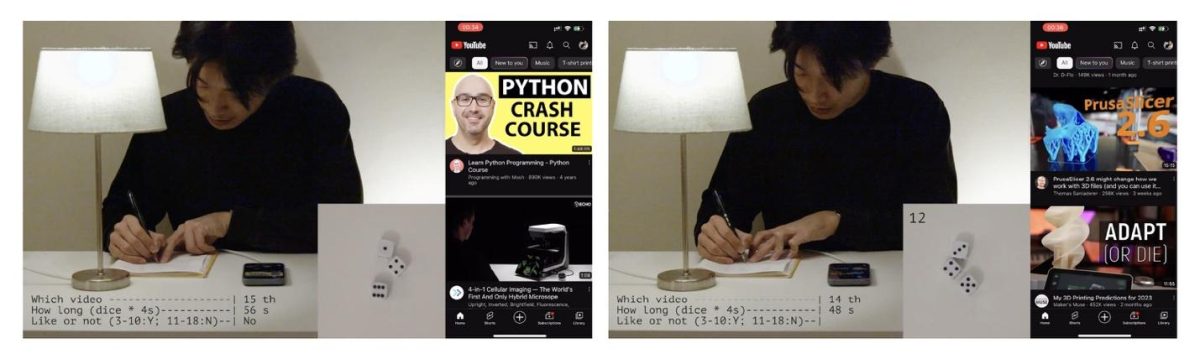
His subsequent work, Gamification of Digital Labour, pushes this inquiry further by exposing the mechanics of choice itself. Here, TJ becomes the labourer in real time, submitting his decisions of what to watch, for how long, and whether to “like” to the throw of dice. The randomness is deliberately absurd, yet it lays bare the thin line between agency and automation within data capitalism. By surrendering to chance, TJ mirrors how algorithmic systems already guide user behaviour, rendering human attention into extractable data streams. The act of rolling dice foregrounds the futility of “choice” in an environment where both distraction and productivity are instrumentalised.
The piece highlights how platforms blur play, leisure, and labour into a single extractive cycle. What might appear as trivial entertainment is reframed as work — repetitive, systematised, and measured — for the enrichment of others. In this sense, TJ not only critiques the gamification strategies of platforms, but also implicates audiences in recognising their own complicity within these structures.
What binds these works is TJ’s ambivalence: a fascination with systems and functions matched by a scepticism toward their promises. His practice refuses the binaries of techno-optimism or simple resistance. Instead, he inhabits a space of hesitation, asking us to sit with discomfort, to slow down, to see clearly.
Already recognised through exhibitions in London and beyond, TJ has established himself as an artist whose practice bridges design, engineering, and social critique with precision. His works build a language for understanding how digital systems shape our gestures, our labour, and our sense of self.
In an age where invisibility and velocity are default, TJ Chen produces monuments to pause, failure, and fragility. His fossils, glitches, and handles remind us that technology is never neutral — it organises our time, our movements, our very being. And it is precisely this recognition that makes his work essential to the conversation about contemporary culture.
About the artist
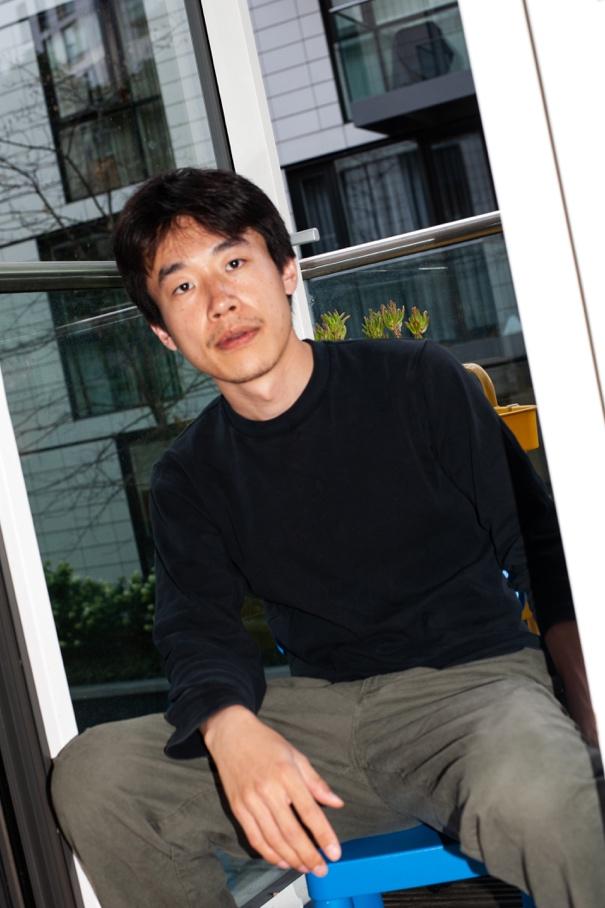
Tianju (TJ) Chen (b.1997, Kaifeng, China) is a London-based artist whose work investigates how tools, systems, and everyday interfaces shape human experience, labour, and perception. With a background in design and engineering, his practice spans installation, performance, and object-making, often transforming functional symbols of digital culture into critical and poetic artefacts.
He holds an MA in Design Products from the Royal College of Art and a BA in Industrial Design from the China Academy of Art. His work has been exhibited internationally at Getxophoto International Image Festival (Spain), Milan Design Week (Italy), London Design Festival (UK), Zhijiang International Youth Art Festival (China), and through platforms such as International Body of Art (UK) and Qloud Collective (UK). Notably, he was selected for 0?1 Gallery’s group exhibition ESC-2035, opening in the Netherlands in December 2025.