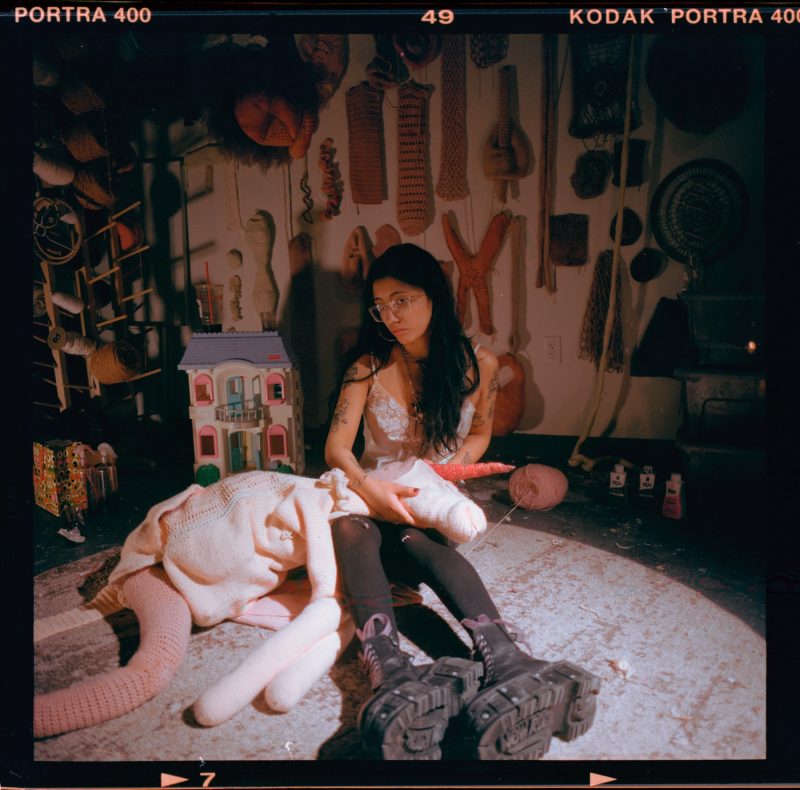
In contemporary art today, discussions around feminism take many forms, with spirituality and materiality often intertwined. Textile art is appearing in more and more exhibitions, attracting growing attention. It is no longer seen simply as a craft, but as a field charged with emotional, cultural, political, and spiritual complexity. In this context, Weiyi Chen approaches the medium in a way that is personal, embodied, and attentive to detail. She offers a quiet, new form of feminist expression through the act and context of working with cloth.
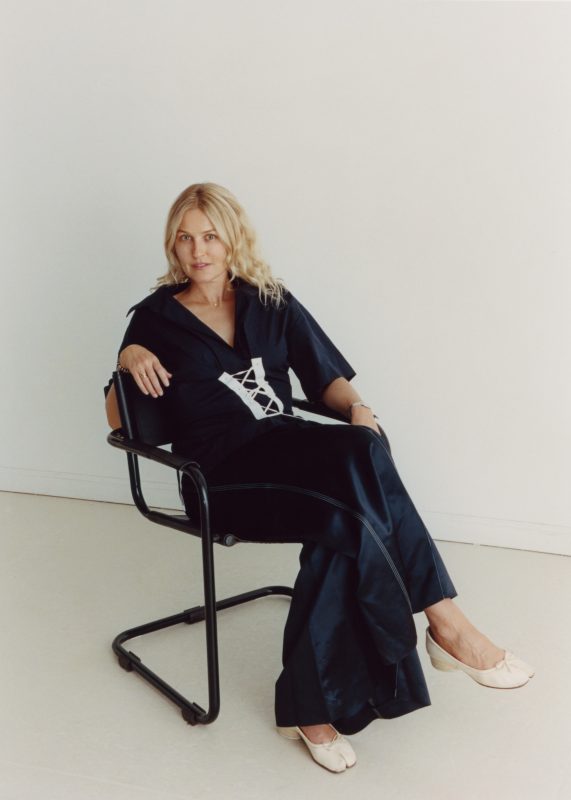
Born in Chongqing, China, in 1997, Weiyi earned her BA in Fashion Design at Sichuan University before moving to London to study Textile Design at Chelsea College of Arts (UAL), graduating in 2023. She has continued to work in London ever since. Her education has given her both technical fluency and a textile-focused way of thinking. Each time she works with fibre, her skill allows her to move fluidly through the making process, almost as if entering a meditative state. Yet what truly distinguishes her work is not its polished surface, but the way she uses the language of fibre to sustain a deep investigation into emotional labour, memory, and identity.
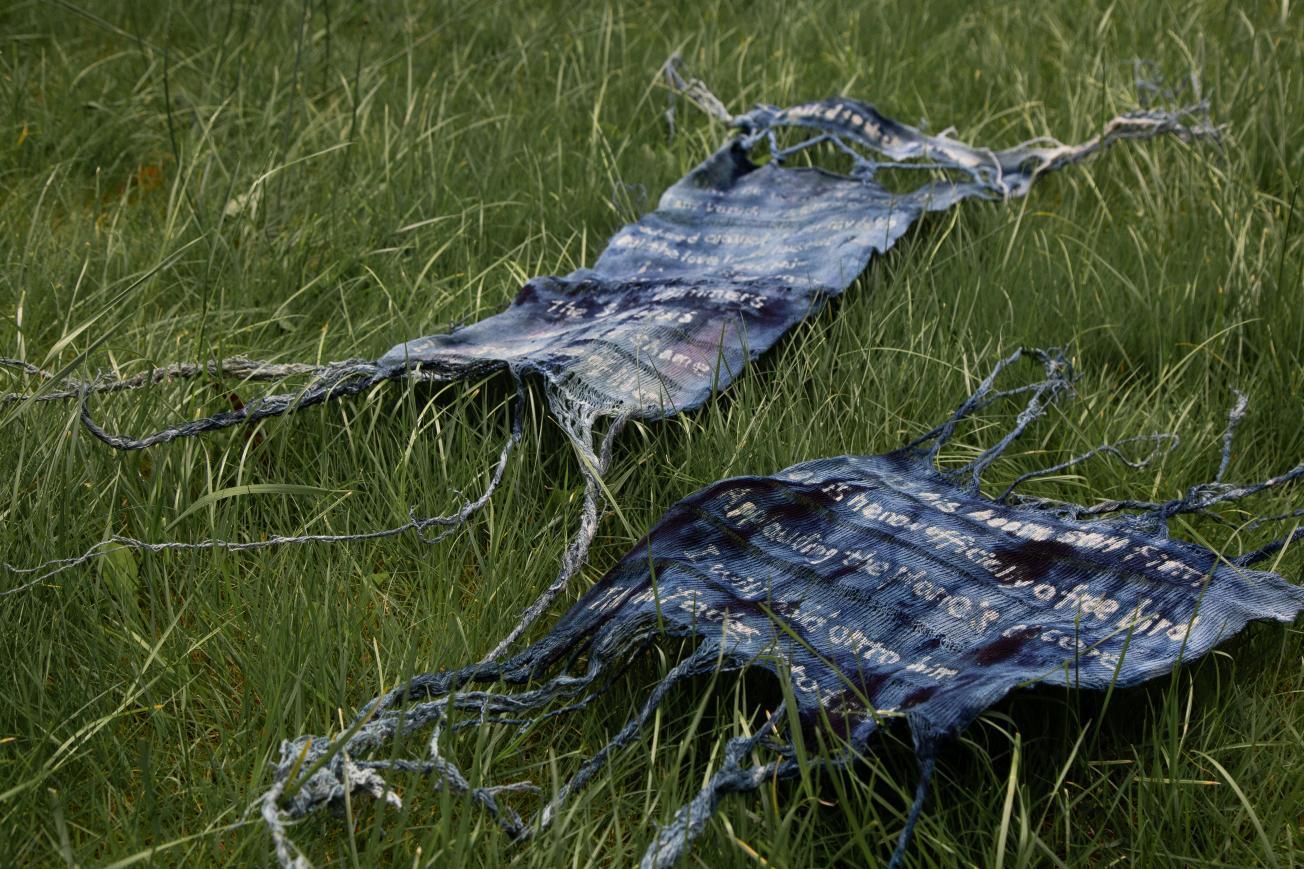
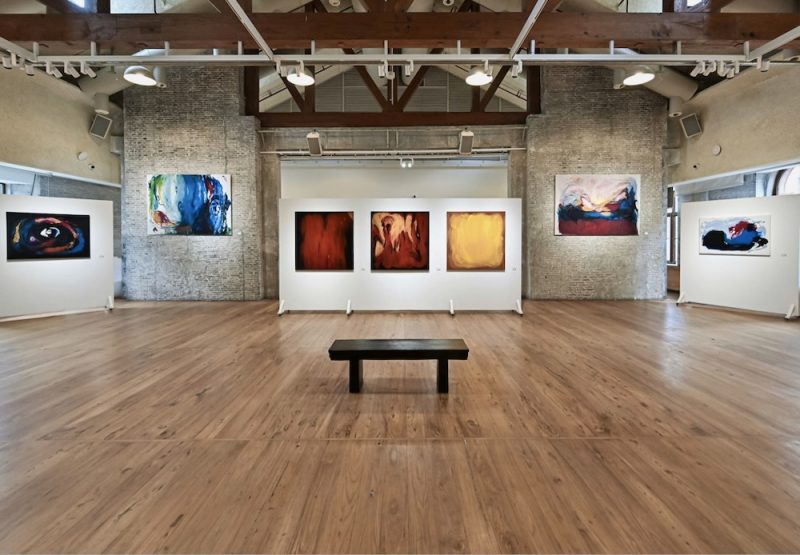
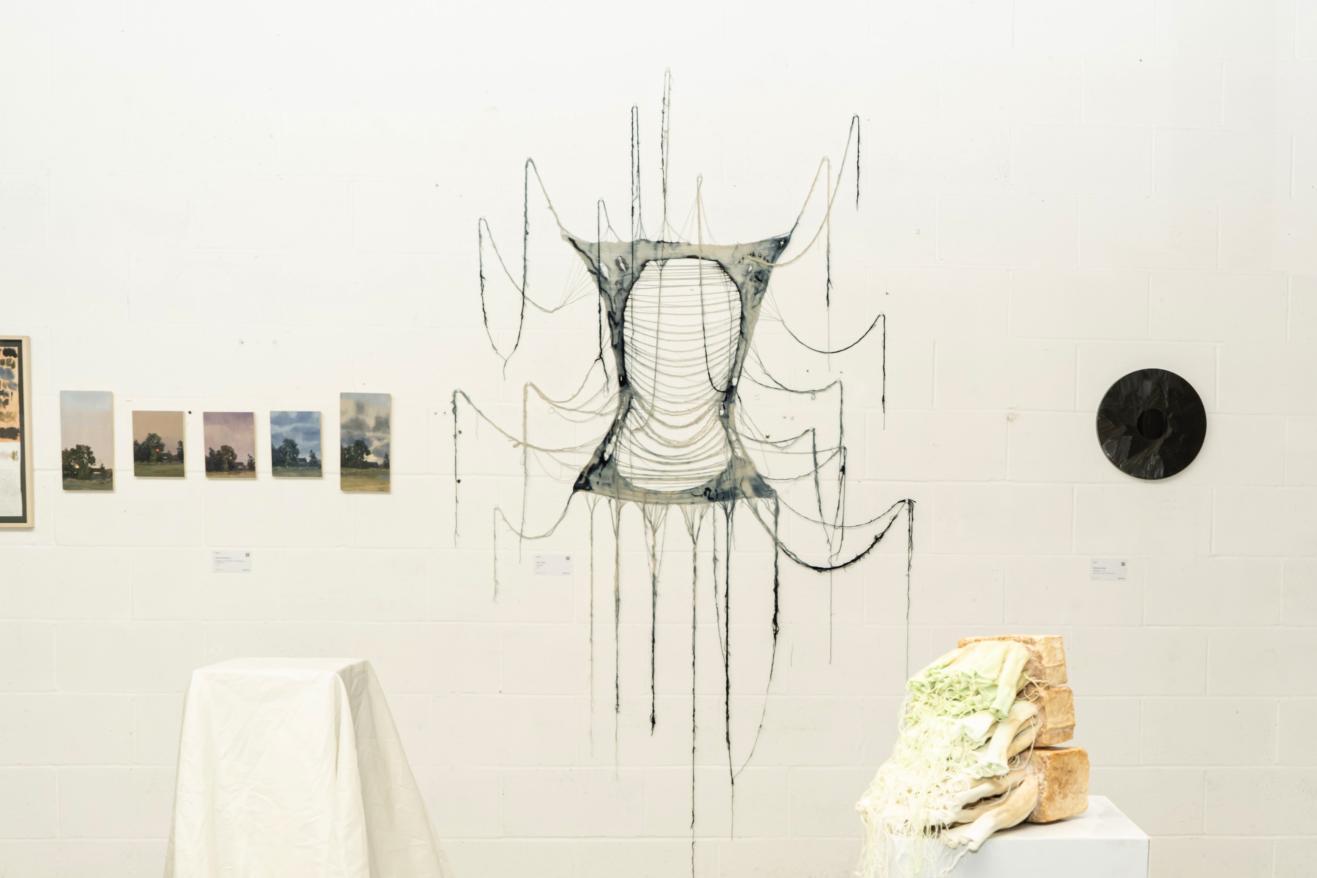
In recent exhibitions—including POSTULATION at LumiNoir Art Gallery in London and Traces of Becoming at DOC Park in Guangzhou—her work has consistently shown certain qualities: the fragility of materials, a meditative rhythm in execution, and a quiet emotionality that resists spectacle. She works with raw fibres, bio-materials, and natural dyes, drawing on elements of China’s intangible cultural heritage, in particular the traditional plant-dyeing techniques of the Dong ethnic minority. In her practice, these materials are not decorative flourishes, but deliberate, politically aware choices—a form of cultural reclamation that is both intimate and transnational.
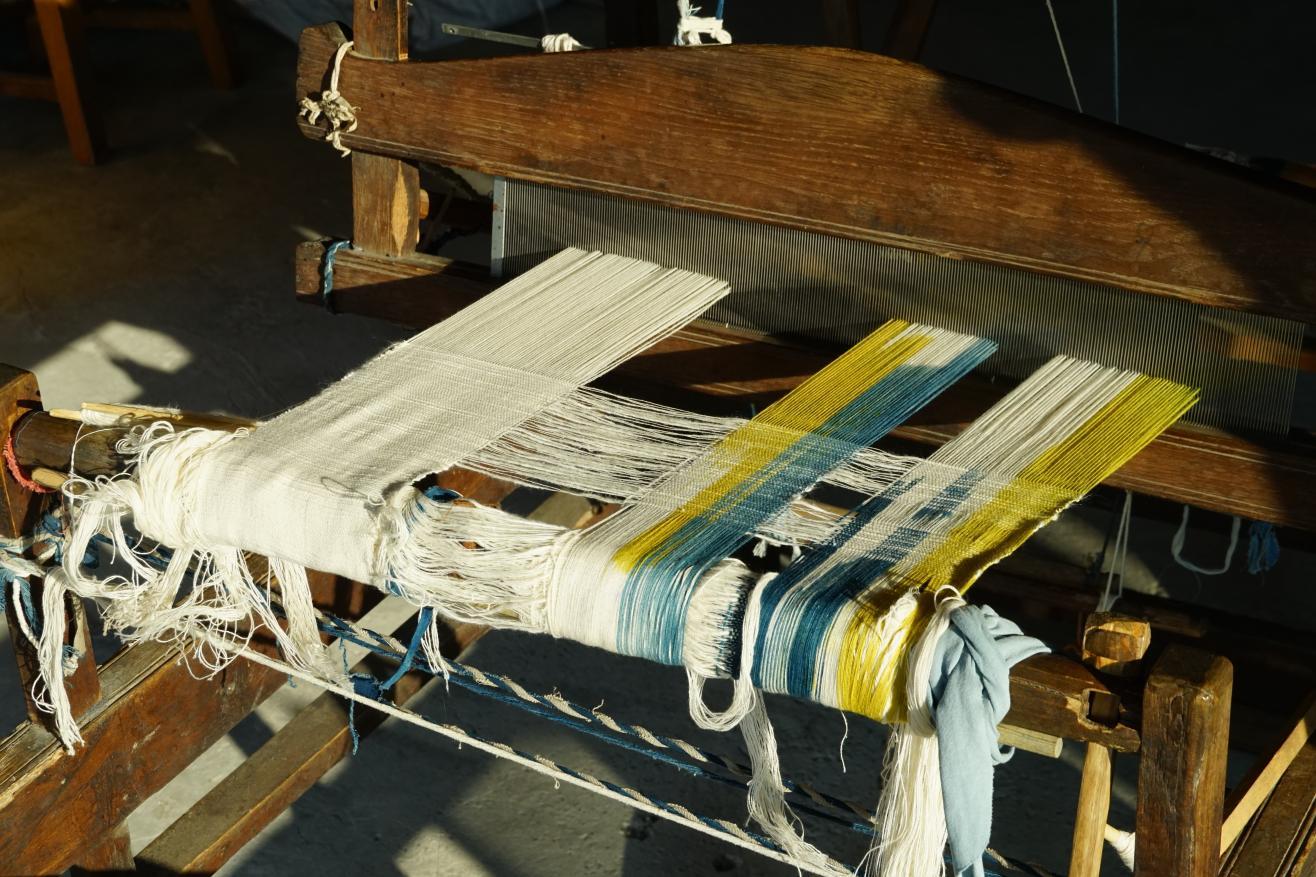
In 2024, her residency at Yishanren Studio in rural Guizhou marked a pivotal turning point in her artistic practice.There, she immersed herself in the local ecosystem—harvesting dye plants, engaging with women artisans, and questioning the ethics of labor and handmaking. Her works from this period do not replicate tradition but recompose it. They are infused with a sense of critical homage—paying respect while interrogating lineage. In this way, she transforms textile from a surface to a field of discourse.
Weiyi’s co-founding of the interdisciplinary collective “TearSlaly” with photographer Tao Xinyue adds another dimension to her work. In their collaboration, photography and textiles are not merely juxtaposed but entangled—mutually generative in form and meaning. This extension from the personal to the communal reveals her belief that art is not isolation, but interaction. Nature, in her work, is not a backdrop—it is a collaborator.
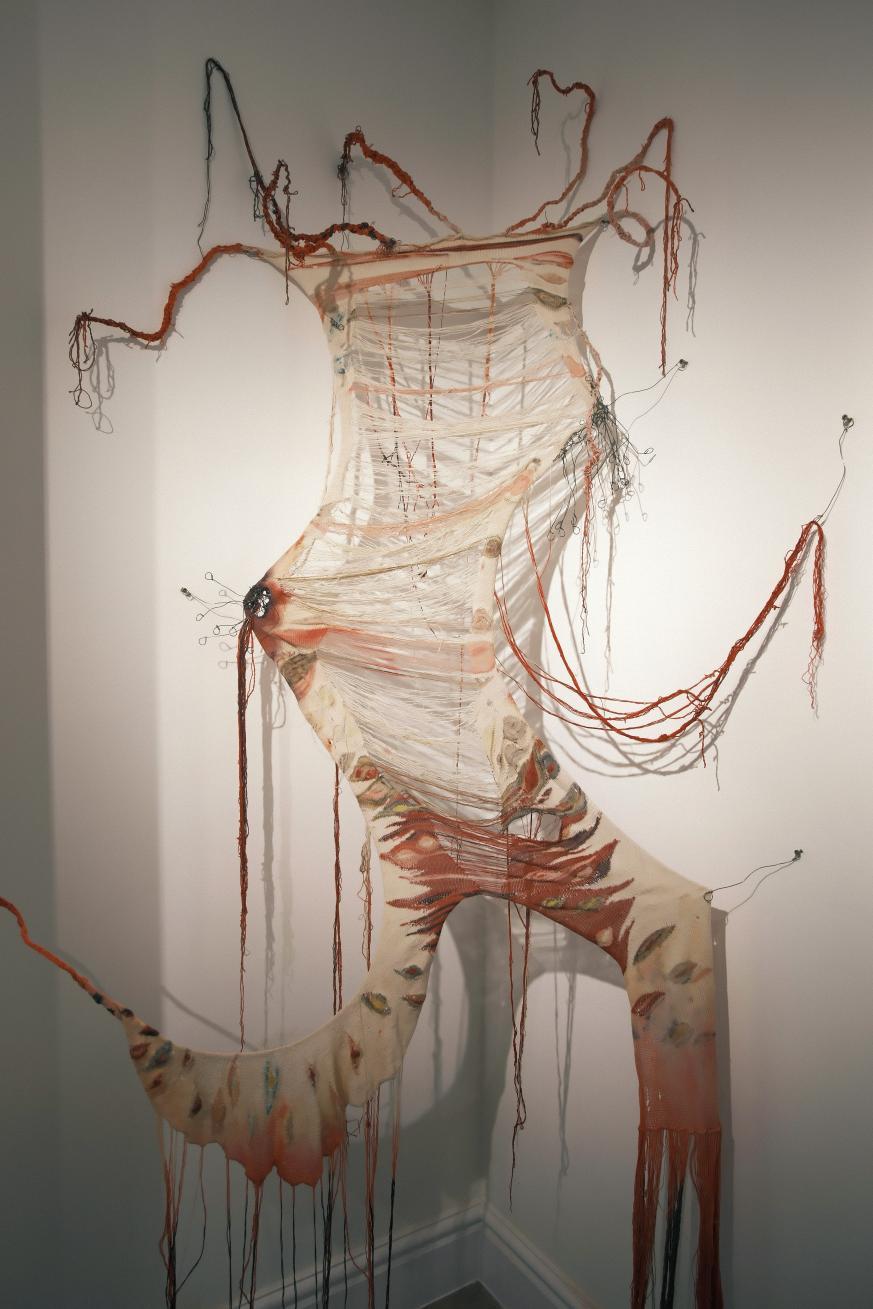
What stands out, too, is the ghostly presence of the female body in Weiyi’s work—never overt, never fully absent. Her textiles seem to carry traces of bodily contours: through folds, slack tension, or the soft collapse of material. These forms are not illustrative but evocative, offering what one might call a peripheral corporeality. It is precisely this refusal to fully define the body that lends her work an intimacy bordering on the uncanny. One does not so much observe her bodies as sense them, lingering at the edge of perception. Rather than making an explicit statement about femininity, Weiyi offers a quiet but persistent inquiry into how gendered bodies are remembered, held, and felt. It is not a slogan, but a soft-spoken, potent gesture in contemporary body politics.
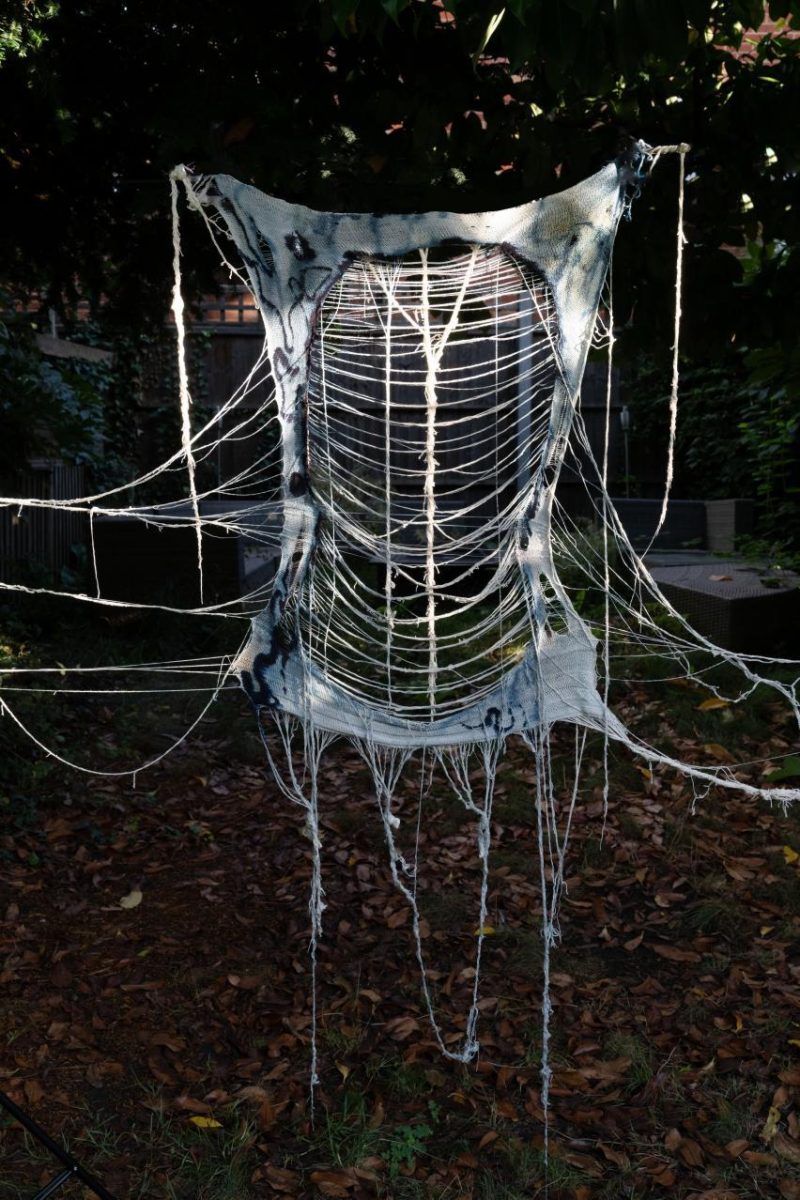
What I find most admirable in her practice is its refusal to over-narrate. She does not rely on identity tropes or explicit emotional declarations. Instead, she lets her materials speak—through slowness, silence, and texture. In our age of constant overstimulation, such restraint is itself a form of resistance.
Her art is, at once, a mending of emotional fractures and a deconstruction of inherited narratives. From the tactility of the fiber to the curatorial choices in exhibition, Weiyi displays a rare command of visual and conceptual poise. Her excellence lies not only in craftsmanship but in her thoughtful posture as an artist—one who thinks before she weaves, and who weaves as a way of thinking.
In both the UK and global art scenes, there are few emerging voices like hers—artists who navigate material inquiry with cultural intelligence and poetic discipline. Weiyi Chen reminds us that the most powerful art is not always loud—it is deliberate, layered, and quietly transformative.