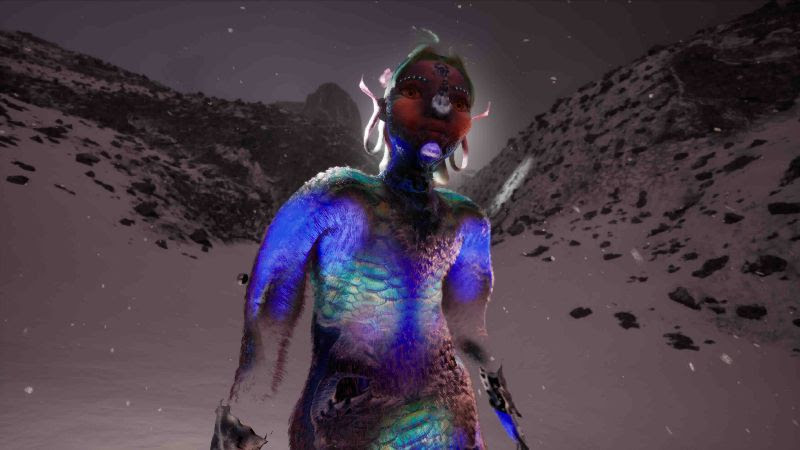
Video games have travelled quite a path, from simple entertainment to a recognised art form—a huge shift in tech and culture. Early games offered basic graphics and direct play. Now they weave complex stories, offer deep immersion, visual richness, and real emotional pull. This evolution fuels appreciation for games as a valid artistic medium, sparking talk about their cultural weight and the craft behind them. Museums and galleries increasingly feature video games. The conversation about their artistic value grows, pushing against old ideas of art, welcoming fresh takes on digital culture. Is interaction an aesthetic?
The Evolution of Video Games as Art
Decades saw video games morph from pixelated toys into elaborate narratives and immersive worlds; now, many see them as legitimate art. The focus wasn’t always on storytelling; gameplay mechanics came first, like in formats similar to online casino betFIRST. Driven by tech leaps, the industry matured. Games started exploring serious themes, complex character arcs, and sophisticated world-building. This change engages players deeply, intellectually and emotionally. It also firmly situates video games within contemporary art dialogues, compelling a reevaluation of established perceptions and creating opportunities for new critical frameworks. It is a far cry from the arcade.
Video Games in Contemporary Art Exhibitions
Many contemporary art spaces now showcase video games, seeing potential for unique audience engagement. Major institutions curate installations blending interactive systems with artistic statements, allowing visitors to engage with art directly through play. Artists leverage game mechanics (rules, goals, feedback loops) to dissect identity, society, and technology. These pieces prompt viewers to consider their place within digital ecosystems. Such exhibitions spotlight the unique aesthetics of games: visual design, soundscapes, and interaction models. They ignite critical conversations about gaming’s cultural footprint and role in evolving artistic practice.
Criticisms and Controversies Surrounding Video Games in Art
Acceptance grows but isn’t universal. Video games in galleries face sharp criticism and questions about artistic seriousness. Sceptics point to the commercial drive behind game development. Can mass-market entertainment be profound art? That focus on fun, some argue, limits expressive depth. Content debates arise, too. Worries over violence, problematic representations like misogyny, or simplistic handling of sensitive topics fuel arguments about whether certain games belong in art institutions. These clashes reveal tension: traditional art criteria versus the dynamic realities of digital media. The dialogue continues, probing how video games fit into contemporary culture and the future.
The Future of Video Games in Artistic Expression
Technology keeps pushing boundaries, expanding the artistic potential for video games. Consider virtual and augmented reality, offering artists entirely new palettes for creating enveloping experiences and engaging their senses in novel ways. Collaboration is increasing as well. Game developers and visual artists, writers, and composers working together suggest a future rich with interactive narratives tackling nuanced subjects and forging powerful emotional resonances. This ongoing evolution could reshape art’s definition. It might cement video games as key to modern cultural conversation, leading to groundbreaking exhibitions dismantling old artistic hierarchies. Such an event could lead to the creation of new tools and narratives.
Conclusion
From arcade novelty to curated artwork, this journey highlights video games’ transformative energy and cultural weight. Evolving constantly, weaving in sophisticated tech, and pioneering new narrative forms, games redraw art’s borders and question established views. Seeing games at major art shows signals a wider acceptance. It invites serious discussion about their influence. Criticisms about commercialism or content remain, yet the debate underscores their power to connect significantly. Looking ahead, video games promise to keep enriching culture, building bridges between creators and players, and ultimately broadening our understanding of art.
Image attributed to Pexels.com