
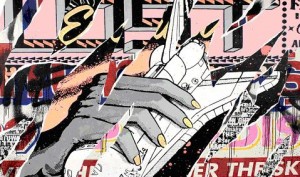
Plastic Culture at Newly Art Gallery through to October 3rd
19 August 2009 • Guest
www.newlynartgallery.co.ukThe exchange gallery holds a show of post pop and pop art in an asthetic attempt to enquire about the… Read More
Pop Art emerged in the 1950s and flourished during the 1960s as one of the most influential movements in modern art, challenging traditional distinctions between high culture and popular culture. Drawing inspiration from advertising, comic books, consumer products, film, television and celebrity culture, Pop artists embraced the imagery of everyday life, transforming familiar objects and mass-produced visuals into works of fine art. By elevating the ordinary and the commercial, Pop Art redefined what could be considered artistic subject matter and reflected the growing influence of consumer society.
Although the movement developed simultaneously in Britain and the United States, it took on distinct characteristics in each country. British artists such as Richard Hamilton, Eduardo Paolozzi and Peter Blake explored the emergence of post-war consumer culture with wit and critical distance, while American artists including Andy Warhol, Roy Lichtenstein, Claes Oldenburg, James Rosenquist and Tom Wesselmann embraced the bold colours, repetition and visual language of advertising and mass media. Their work often blurred the boundaries between art, design and commerce, questioning ideas of originality, authorship and artistic value.
Pop Art employed a wide range of media, from painting and sculpture to printmaking, collage and installation. Warhol’s screen prints of Marilyn Monroe and Campbell’s Soup Cans, Lichtenstein’s comic book-inspired paintings and Oldenburg’s oversized sculptures of everyday objects became defining images of the movement. While Pop Art is often associated with humour and bright colours, many artists also addressed themes of consumerism, identity, fame, politics and the increasingly mediated nature of modern life.
More than sixty years after its emergence, Pop Art continues to shape contemporary visual culture. Its influence can be seen across contemporary art, fashion, graphic design, advertising and digital media, while its leading figures remain among the most recognised artists in the world. By transforming the imagery of popular culture into fine art, Pop Art fundamentally changed the relationship between art and everyday life, leaving an enduring legacy that continues to resonate with artists and audiences alike.
19 August 2009 • Guest
www.newlynartgallery.co.ukThe exchange gallery holds a show of post pop and pop art in an asthetic attempt to enquire about the… Read More
26 September 2008 • Mark Westall
John Baldessari forms an important bridge between Pop Art and Nouveau Realisme and the big crop of artists/photographers that belong… Read More