Orthodontics once carried the image of an awkward teenage phase, all metal and self-consciousness. That picture is thoroughly out of date. Today a growing share of orthodontic patients are adults, drawn by discreet treatments and a clearer understanding of how much a healthy smile shapes confidence and wellbeing.

The shift is striking, and it is worth understanding. A modern practice such as Sun Orthodontist shows how far treatment has come for grown-up patients. This is general information rather than medical advice, so here is why more adults are choosing orthodontic treatment.
Why Are Adults Choosing Orthodontics Now?
Several trends have converged. Adult orthodontics has moved from rare to routine in barely a decade. A few forces explain the change.
Discretion changed everything. Orthodontics is the branch of dentistry that straightens teeth and corrects the bite, and it now offers near-invisible options. Clear aligners and tooth-coloured braces mean treatment no longer announces itself to the world. That alone has removed the biggest barrier for self-conscious professionals.
Awareness has grown too. More people now understand that straight teeth are easier to clean and better for long-term oral health. Around one in three orthodontic patients is now an adult, a figure that keeps rising. When treatment is discreet and the benefits are clear, the decision becomes far easier.
What Options Suit Grown-Up Lifestyles?
Modern treatment fits around real life. Adults want results without disruption, and the options reflect that. Knowing the key terms helps you compare:
- Clear aligners. Clear aligners are removable, transparent trays that shift teeth gradually.
- Ceramic braces. Ceramic braces use tooth-coloured brackets that blend in.
- Lingual braces. Lingual braces sit behind the teeth, hidden from view.
Weigh the discreet choices. These options suit busy adults well.
- Clear aligners. Removable for meals and meetings.
- Ceramic braces. Subtle and effective for most cases.
- Lingual braces. Completely hidden behind the teeth.
- Short-term options. Focused on the visible front teeth.
- Retainers. Worn afterwards to protect the result.
Match the method to your life. The right choice depends on your alignment, budget, and how visible you are willing for treatment to be.
How Does a Smile Affect Self-Image?
A smile carries real weight. How we feel about our teeth influences how we present ourselves. The effect is easy to underestimate.
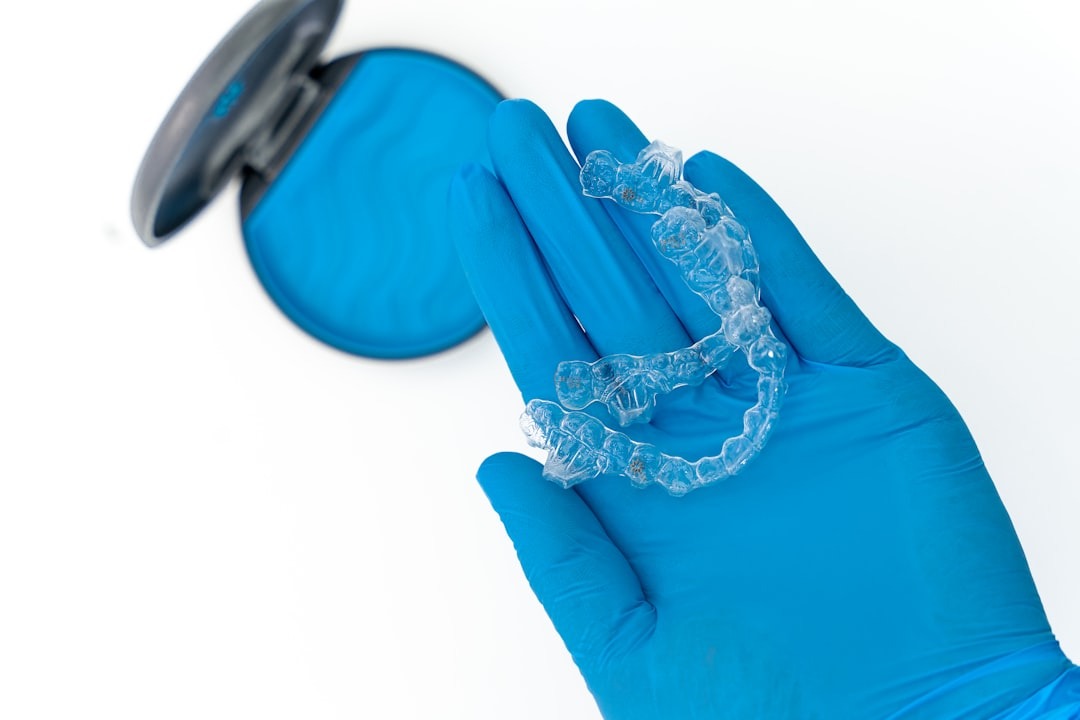
Photo by Katarzyna Zygnerska on Unsplash
Alt text: A clear aligner tray in a modern clinic
Confidence shows outwardly. People who feel good about their smile tend to smile more freely, which shapes first impressions at work and socially. Just as fashion or body art lets people express identity, a smile is part of how we present ourselves to the world. That sense of ease is precisely what many adults are seeking.
Comfort follows confidence. Feeling self-assured about your teeth makes it easier to enjoy the cultural scene and social life without a second thought. The freedom to laugh in a photograph without hesitation is a small change with an outsized effect. Many patients describe it as the most rewarding part of treatment.
What Does Treatment Involve?
The process is well established and manageable. Adult treatment follows a clear, predictable path. Understanding it removes much of the worry.
Expect a structured journey. An orthodontist assesses your teeth, discusses your goals, and creates a tailored plan. A malocclusion is a misaligned bite that treatment gradually corrects, and most adult cases take 12 to 24 months. Regular reviews keep the plan on track, much like the way the art world nurtures emerging talent through careful, steady support.
Aftercare matters. Sticking to good braces hygiene during treatment is what protects your results over time. Wearing a retainer afterwards keeps teeth in their new position. A little consistency now secures a smile that lasts for decades.
How Do You Choose the Right Practice?
The practice shapes the experience. Not every clinic offers the same options or standard of care. A few checks guide you to the right one.
Look for expertise and range. Choose a qualified orthodontist offering several treatment types, clear before-and-after examples, and honest advice. Professional guidance from bodies like the British Orthodontic Society can help you understand what good care looks like. As one designer put it in a recent interview, authenticity and craft matter, and the same is true when choosing a clinician.
Value comfort and clarity. A welcoming practice with transparent pricing and flexible scheduling makes a long treatment far easier. Ask about experience with adult cases and what results you can realistically expect. Confidence in your provider makes the entire journey smoother.
What to Keep In Mind
- Around one in three orthodontic patients is now an adult.
- Discreet options include clear aligners and hidden braces.
- A confident smile shapes self-image and first impressions.
- Most adult treatments take 12 to 24 months to complete.
- Good hygiene and a retainer protect your final result.
- Choose a qualified practice with a range of options.
A Smile Worth Investing In
Adult orthodontics has shed its awkward reputation and become a discreet, worthwhile investment in both health and confidence. With near-invisible options and treatment that fits around a busy life, there has never been a better time for grown-ups to straighten their teeth. By understanding the choices and selecting a skilled, welcoming practice, you can enjoy a smile you feel genuinely proud to share.
FAQ
Is It Too Late to Straighten My Teeth as an Adult?
Not at all. Adults of any age can straighten their teeth successfully, and discreet options make it easy. Healthy teeth and gums matter more than age when it comes to treatment.
Are Clear Aligners Suitable for Adults?
Yes, they are especially popular with adults for being removable and nearly invisible. They suit mild to moderate cases very well. An orthodontist can confirm whether they fit your needs.
How Long Does Adult Orthodontic Treatment Take?
Most adult treatments take between 12 and 24 months. Simple cases can finish sooner, while complex ones take longer. Your orthodontist will estimate a timeline at your first consultation.
Does Straightening Teeth Improve Oral Health?
Yes, aligned teeth are easier to clean and less prone to decay and gum disease. A corrected bite also reduces strain on the jaw. The health benefits last well beyond the cosmetic ones.