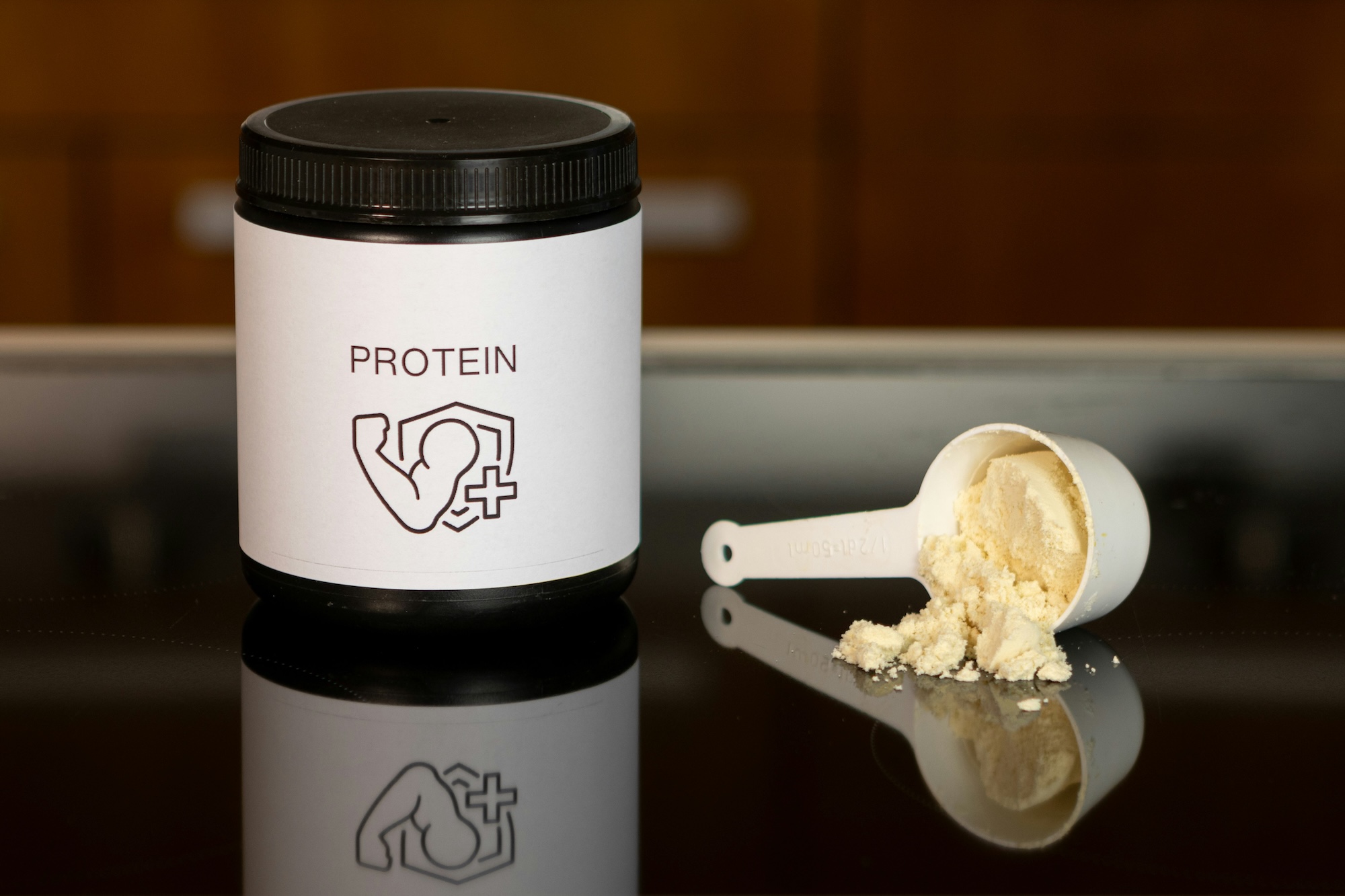
You’ve probably seen it everywhere: smoothie bowls on Instagram, post-workout shakes at the gym, even quiet recommendations from friends who swear it changed how they feel day to day. Plant-based protein powder has slipped into everyday routines without much friction. But here’s the thing: not every scoop tells the same story.
Is it really necessary? Does “organic” actually mean better? And more importantly, how does it fit into your lifestyle, not someone else’s highlight reel?
Before you reach for that shaker bottle, it’s worth slowing down just enough to understand what you’re actually adding to your routine, and why it might genuinely be worth it.
What Is It, Really?
At its simplest, organic protein powder is a concentrated supplement made from ingredients grown without synthetic pesticides, artificial fertilizers, or GMOs. Plant-based versions typically come from sources like peas, brown rice, or hemp, while other options include whey from organically raised cows or mixed blends designed for a more complete amino acid profile.
If you’ve ever looked through the organic protein powder options at Fresh Thyme Market, you’ll notice there’s a strong focus on clean, thoughtfully sourced products with a variety of ingredient profiles to choose from. Many options keep the ingredient list simple and easy to understand, making it easier to find something that fits into your daily routine.
One thing worth keeping in mind is that “organic” reflects how ingredients are grown, not how minimal the final product is—so taking a quick look at the label still goes a long way.
Why Should People Use That?
Most people assume protein powder is strictly for gym-goers or athletes. But plant-based and organic protein powder fits quietly into everyday life and starts showing up in ways most people don’t expect.
Busy schedules don’t always leave room for balanced meals. Aging bodies need more support than most people realize. And daily movement, even light activity, creates a demand for recovery that food alone doesn’t always meet. That’s where organic protein powder steps in, not as a performance supplement, but as a simple, practical addition that fills real gaps.
It works for the person who skips breakfast, the one who feels drained by early afternoon, the one who wants cleaner ingredients without overthinking every meal. Plant-based options especially appeal to those looking for something gentle, recognizable, and easy to maintain long term.
What Are the Benefits?
Here’s what organic and plant-based protein powder can genuinely do for you:
- Sustained energy — Plant-based protein digests more slowly than carbohydrates, meaning fewer energy crashes and a more stable, focused feeling throughout the day
- Appetite control — A protein-rich start often translates to less mindless snacking by afternoon, without feeling like you’re restricting yourself
- Faster muscle recovery — Even for non-athletes, daily movement creates stress on muscles that organic protein helps repair, so you feel less sore and more ready the next day
- Filling nutritional gaps — A well-chosen plant-based powder fills in what balanced meals often miss, without much effort or preparation
- Supporting healthy aging — After 30, muscle mass naturally begins to decline. Adequate protein intake helps slow that process in a way most people don’t think about until much later
- Cleaner ingredients — Organic options mean no synthetic pesticides, artificial fertilizers, or GMOs going into your body every day, a small but meaningful difference over time
The benefit isn’t always immediate. For many people, it’s the absence of something, less afternoon fatigue, less hunger, less soreness, that eventually makes them realize it was working all along.
1. It’s Not Just About Protein, It’s About Source
There’s a quiet difference between plant-based blends, whey isolates, and collagen powders. Choosing organic or plant-based sources means fewer additives interfering with how your body absorbs and uses what you’re giving it. That’s where the real benefit starts: not just in the protein count, but in how cleanly your body can process it.
- If you’re sensitive to dairy, whey can feel heavy, and plant-based options tend to sit more comfortably
- Plant proteins may digest more easily, but sometimes lack a full amino acid profile
- Organic blends try to balance both, but quality varies more than labels suggest
The goal isn’t to chase the “best” source, it’s to find one that quietly works with your body, not against it.
2. Pay Attention to Protein Per Serving
Not all plant-based or organic protein powders deliver the same amount per scoop. Some give you a solid 20–25 grams per serving, while others are lower due to added ingredients for flavor or texture. If you’re adding it casually to smoothies, a lower count might work fine. But if you’re relying on it to support recovery, manage hunger, or meet daily intake goals, the numbers start to matter more. It’s a small detail that quietly shapes how effective the product feels over time.
According to a report by the Harvard T.H. Chan School of Public Health, protein intake needs vary widely depending on activity levels, age, and overall diet. That alone hints at something people often overlook: context matters more than trends.
3. Timing Matters More Than You Think
People often obsess over how much protein they need, but timing quietly shapes the results. Taking plant-based protein right after workouts supports recovery and reduces next-day soreness. Between meals, organic protein helps control appetite and reduce unnecessary snacking. In the morning, it sets a steadier energy baseline for the rest of the day. There’s no strict rule; patterns emerge when you pay attention and listen to when your body actually needs it most.
4. Ingredient Simplicity Matters More Than Claims
It’s easy to get pulled in by bold labels, “superfood blend,” “performance boost,” “ultra-clean formula.” What tends to matter more is how simple the ingredient list feels when you read it. With organic and plant-based options, especially, a shorter, more recognizable list often means fewer fillers and less guesswork. Just notice whether it feels straightforward or unnecessarily layered, the quieter products often fit into daily life far more naturally than the ones trying hardest to stand out.
5. Taste and Texture Will Decide Consistency
You can choose the most nutritionally balanced plant-based powder available, but if it tastes off, you won’t stick with it. And consistency is everything, because the benefits only show up when it becomes a real habit. Some organic powders mix effortlessly, others demand a blender, and a few leave a gritty aftertaste that no amount of shaking fixes. Those small details tend to decide whether it becomes a genuine part of your routine or quietly disappears from your shelf.
6. Watch How Your Body Responds
Even high-quality plant-based or organic protein powders can occasionally cause bloating or digestive heaviness, not because something is wrong, but because everybody reacts differently. Instead of relying solely on reviews or labels, pay attention to how you personally feel after a few days of use. The most useful question isn’t “Is this a good product?”, it’s “Does this actually work for me?”
Conclusion
Adding plant-based or organic protein powder to your routine isn’t about following a trend; it’s about addressing something real. Whether that’s recovering faster, staying fuller longer, filling nutritional gaps, or simply feeling more consistent energy through the day, the benefits tend to show up quietly rather than all at once.
There’s no single right choice for everyone, so take a practical approach, try it, notice the response, and adjust as needed. The best routines aren’t the most perfect ones. They’re the ones you can actually maintain without effort.