A portable bottle warmer is most useful when it delivers safe, even heating and dependable cordless use during night feeds and travel.
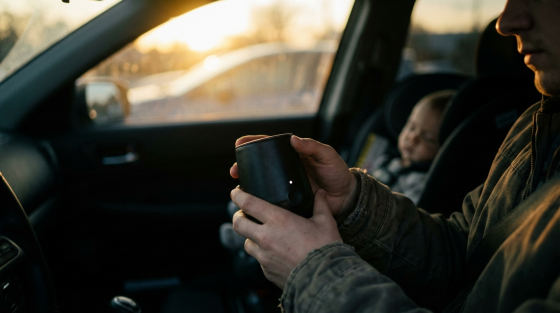
Is your baby melting down in the back seat while you are parked outside a pharmacy, trying to warm a bottle with whatever hot water you can find? Real-world testing and parent travel reports suggest the right warmer can turn that scramble into a consistent 3- to 10-minute routine instead of guesswork.
What a portable bottle warmer actually solves
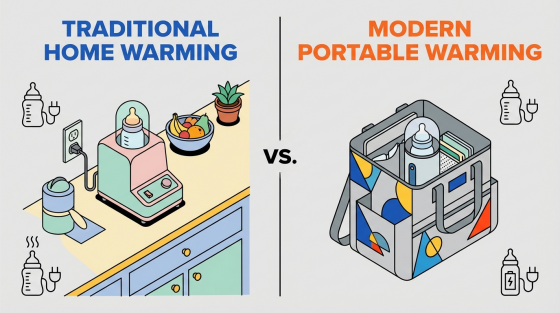
A portable bottle warmer is, in plain terms, a small rechargeable device that warms breast milk, formula, or water without a kitchen outlet. The biggest benefit appears in unpredictable moments: overnight feeds, doctor visits, traffic delays, and long errand days when you cannot rely on a microwave or a clean sink setup.
For many families, it is still a convenience, not a necessity. If you mostly nurse directly, your baby accepts room-temperature bottles, and feeding usually happens at home, you may not need another device on your counter or in your diaper bag.
In practice, the best warmer is the one that matches your feeding routine, not the one with the loudest speed claim.
Safe warming basics every caregiver should follow
The safest target is near body temperature, about 98.6°F, and many babies feed comfortably in that range. Some infants do fine with cooler milk, but consistency often helps at bedtime and during transition feeds.
Pediatric guidance and feeding resources both recommend avoiding microwave heating because hot spots can burn a baby even when the bottle feels only warm on the outside. Gentle, even warming is especially important for expressed breast milk.
A quick wrist test before every feed catches most mistakes better than settings alone. Swirl after warming to even out temperature, and avoid reheating the same bottle repeatedly.
How to choose the right portable warmer for real life
Independent reviewers assess safety, warming quality, speed, ease of use, and cleaning, and that framework works well for parents too. When you are sleep-deprived, these categories matter more than marketing language.
| Feature that matters | What it should do on a hectic day | What to verify before buying |
| Heating consistency | Bring milk close to 98°F to 100°F without hot spots | Whether tests or reviews mention overheating risk |
| Speed | Warm one feed quickly enough to prevent escalation | Whether timing is measured at your bottle size and starting temperature |
| Battery life | Cover a full outing without searching for an outlet | Claimed number of feeds per charge at your usual ounces |
| True portability | Work in a car seat row, airport gate, or stroller stop | Cordless use, cupholder fit, and charging method |
| Compatibility | Connect cleanly to your bottle system | Adapter needs, leak reports, and bottle shape support |
| Cleanup and safety | Stay sanitary with minimal extra work | Auto shutoff, dry-boil protection, and washable parts |
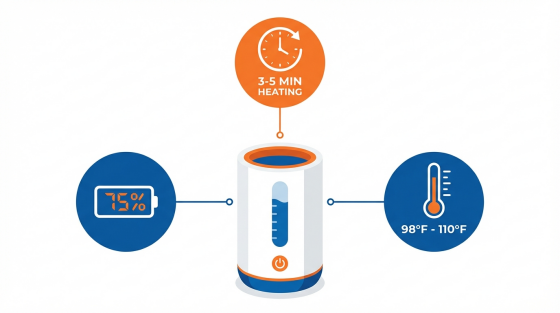
What current evidence says about speed, battery, and travel use
Some portable models advertise 8 oz in about 4 minutes and multiple temperature presets, with up to eight 6 oz warms per charge in product specs. In daily use, that can cover a long day out if you start fully charged and pre-portion feeds.
Hands-on reviewers also describe TSA-friendly portability and mostly reliable performance, but they note that some units can leak if flipped. That detail matters when a warmer is packed next to spare clothes.
One parent travel review reported warming 2 oz to 108°F in about 2.5 minutes, while also noting that precise adapter alignment was necessary to avoid leaks. The practical takeaway is simple: fast warming only helps if setup is foolproof when you are working one-handed.
A low-stress routine for outings, road trips, and flights
Travel feeding guidance favors planning your kit in advance: pre-sterilized bottles, pre-measured formula or chilled milk, cleaning supplies, and one extra feed for delays. That preparation usually helps more than any single gadget.
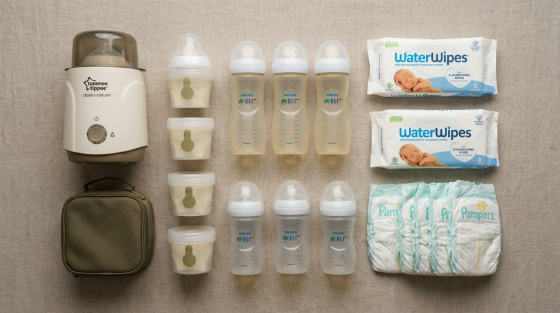
A practical diaper-bag baseline of 5 to 10 diapers for a travel day pairs well with a feeding plan based on your baby’s usual volume and interval. If your baby usually takes 6 oz every three hours and you will be out for nine hours, plan for three full feeds plus one buffer; a warmer rated for about eight 6 oz cycles per charge should cover that with margin.
Where sources differ and how to make the final call
Published warm times vary widely, and independent bench testing often reports longer real-world times than brand best-case claims. The gap likely comes from different starting temperatures, bottle materials, fill volume, and whether the unit uses steam or water-bath heating.
Some guidance emphasizes faster steam cycles, while other testing favors gentler water-bath behavior for breast milk quality. Travel-focused guidance also notes that any method still requires wrist testing and strict cleaning habits. If breast milk protection is your top priority, lean toward gentler, well-controlled warming even if it costs a few extra minutes.
For families who travel often, compact baby-gear recommendations consistently prioritize lightweight, portable, easy-clean equipment. That principle applies directly to warmers: the best one is the safest model you will use correctly every time.
A portable bottle warmer is worth it when it removes chaos from repeated feeds, not when it adds another task to manage. Choose consistency, safety, and compatibility first, then speed, and your future tired self at 3:00 AM will feel the difference.