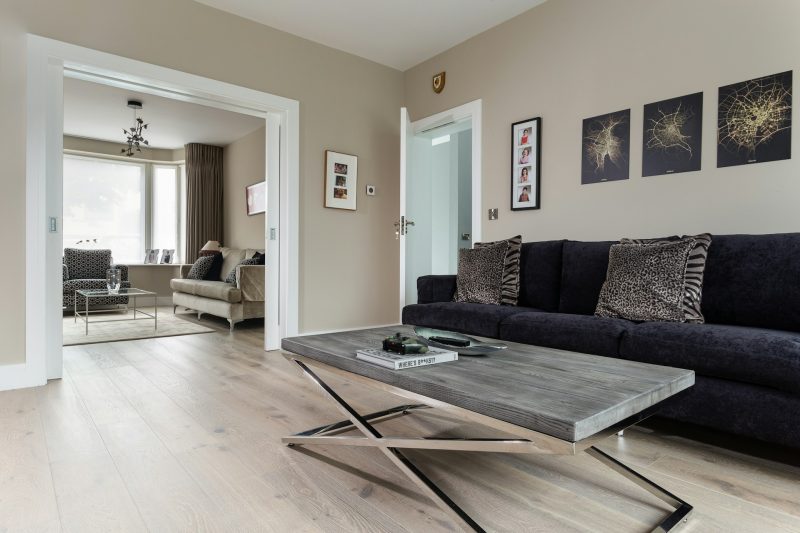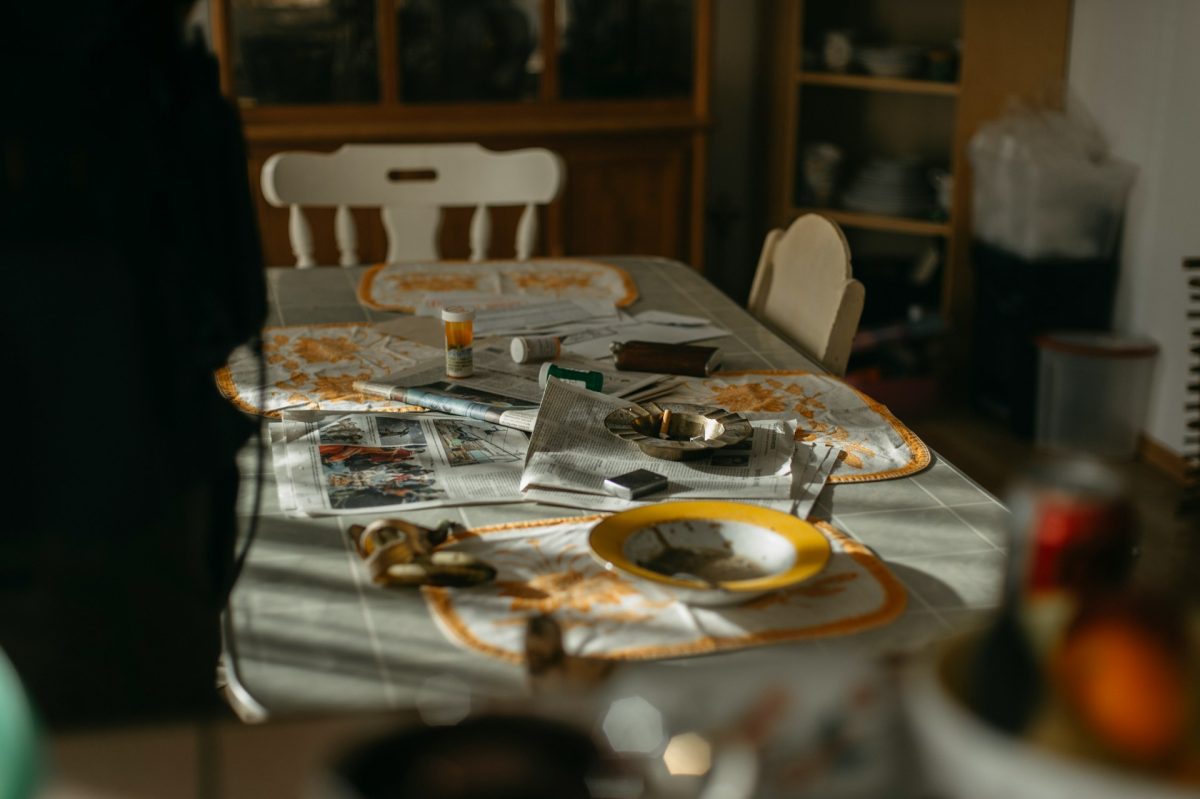
Attempting to relax in a living room that doubles as a home office, an indoor clothes-drying yard, a dumping ground for worn trainers, and an overflow storage locker for half-assembled IKEA furniture is a strange, quiet form of torture. We’ve all perched on the sofa at six in the evening, staring past a pile of unopened bank statements sitting on the radiator-slash-coatstand, trying desperately to switch off while a work laptop sits three feet away, winking its little notification light every time a late email lands.
Is it any surprise your brain remains on high alert?
You might be physically sitting down, but the environment surrounding you is screaming about all the unfinished chores, cold cups of tea, unwashed dishes, and pending deadlines that need attention.
The visual noise we pretend to ignore
A hallway jammed with muddy boots, tangled dog leads, unreturned parcels, and overflowing recycling bags sets a baseline level of irritation before you even manage to get your coat off. What you end up with is a space that constantly demands action. Every time your eyes glance across the room, they catch on something that needs fixing, wiping down, sorting out, or moving into another room. Long, hectic workdays leave us with zero energy to tackle a full house clearance on a Tuesday night.
What seems to help instead is tackling tiny visual pockets – just clearing off the edge of the bedside table or moving work gear out of direct sight lines before turning on the lamp.
Adjusting the atmosphere without a major renovation
Modern flats and houses rarely afford us that luxury, which means we have to rely heavily on sensory cues to tell our nervous system that the working day has wrapped up. Ditching the harsh overhead ceiling light in favour of a soft floor lamp makes an immediate difference.
A familiar playlist, cracking open a window for ten minutes to let cold air in, putting on soft cotton clothes, or lighting a favourite candle helps draw a line in the sand.
Bringing natural botanicals into the evening space
As we rethink how our immediate environment affects our mood, plant-based elements are taking on a bigger role in night-time rituals. Some people choose to buy quality CBD flower as part of this focus on more holistic evening routines, with some feeling that it can promote a sense of relaxation.
The same goes for a cup of herbal tea – try camomile or butter mint for an inward sense of calm, and an unknotting in your stomach.
Keeping room resets simple and manageable
Expecting yourself to maintain a spotless, show-home living room every single evening is a fast track to frustration. Life happens, dishes pile up, and laundry racks are a permanent feature of British domestic life for eight months of the year. The trick is building tiny environment resets into existing daily habits.
For example, while you wait for the shower to warm up in the evening, grab the clutter sitting on the coffee table and toss it into a basket out of sight. If you always boil the kettle for a late-afternoon tea, use those three minutes to shut your work laptop down, pack it into its bag, and shove the bag under the desk so your work isn’t staring back at you while you eat dinner.