Every design decision contributes to the overall character of a home, but few elements have as much visual and functional impact as flooring. Covering the largest surface area in any room, the floor serves as the foundation upon which every other design choice is built. Its color, texture, pattern, and material all influence how a space feels, from warm and welcoming to sleek and contemporary.
Flooring also creates continuity between rooms, helping a home feel connected to rather than fragmented. Whether homeowners prefer classic elegance, rustic charm, or minimalist simplicity, the right flooring establishes the tone before furniture or decorative accents are even introduced.
Matching Materials to Lifestyle
Different materials are better suited for various styles, and practicalities must be considered along with aesthetics. Hardwood offers warmth and timelessness while concrete lends an industrial feel. Vinyl and laminate are cost-effective and flexible for homes that have more activity.
As one of the most versatile materials, ceramic tile can be specified for any area such as the kitchen, bath, or entryway, in an endless array of colors, finishes and patterns to seamlessly coordinate the entire design. The durability and water-resistance of ceramic make it the smart choice for durability.
Craftsmanship Brings Design to Life
Even with the most beautiful of materials, installation is crucial for defining a well-designed space. Precision, careful planning, and attention to detail ensure that patterns align correctly, surfaces remain level, and finishes look seamless. This is especially true for tile installations, where tiny imperfections may seem insignificant at first glance but become visible over time.
Installation by an experienced ceramic tile installer can help transform a design concept into a polished finished product. Skilled installation enhances both the visual appeal and longevity of the flooring, allowing intricate layouts, decorative borders, or large-format tiles to showcase their intended beauty while being resistant to daily use.
Flooring as a Design Statement
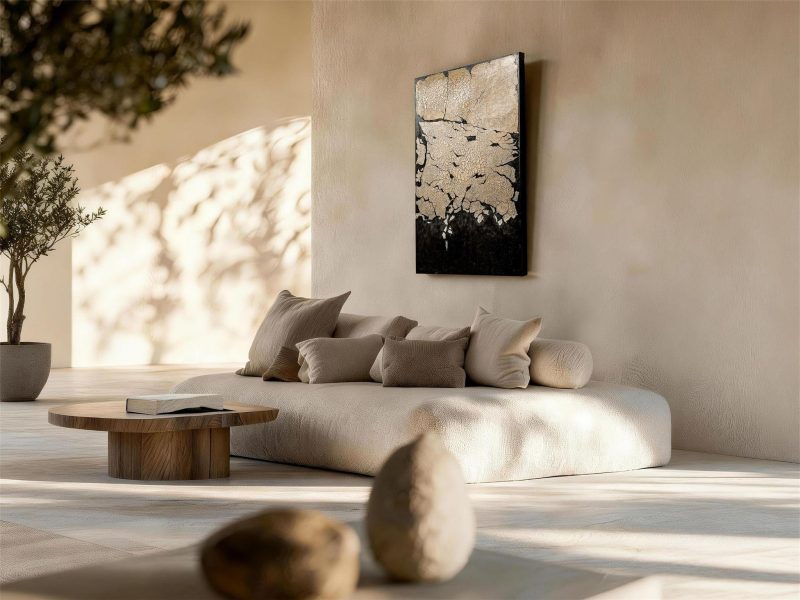
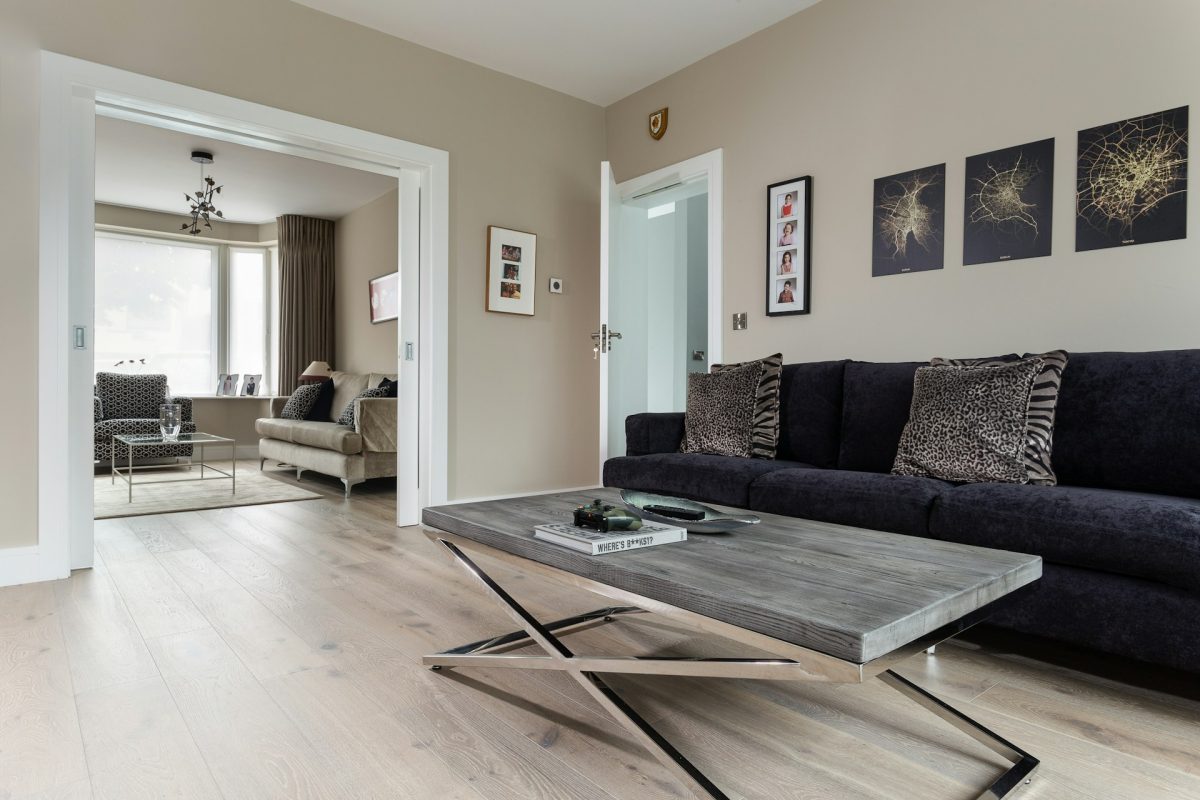
While many interiors will take advantage of flooring to add interest to a room with bold geometric patterns, textured finishes or large-scale tiles, many designers often prefer the effect of a more subdued floor that can make colored furniture and accessories the focus. Neutral flooring creates a calm backdrop for colorful furnishings, while distinctive materials become focal points in their own right.
Transitions between flooring types also play a significant role. Smooth movement from one material to another helps define spaces while maintaining visual harmony. This thoughtful approach creates interiors that feel balanced and intentionally designed.
Endnote
The floor influences much more than the feel and comfort under one’s feet. It creates the mood, functional aesthetic and visual style of an entire room, and connects rooms throughout the home. Choosing materials that align with both personal style and everyday needs creates spaces that remain beautiful and practical for years to come.
By combining thoughtful material selection with expert craftsmanship, homeowners can achieve interiors that reflect their personalities while supporting daily living. When flooring is treated as an integral part of the overall design rather than an afterthought, it becomes a lasting feature that enhances both the appearance and value of the home.