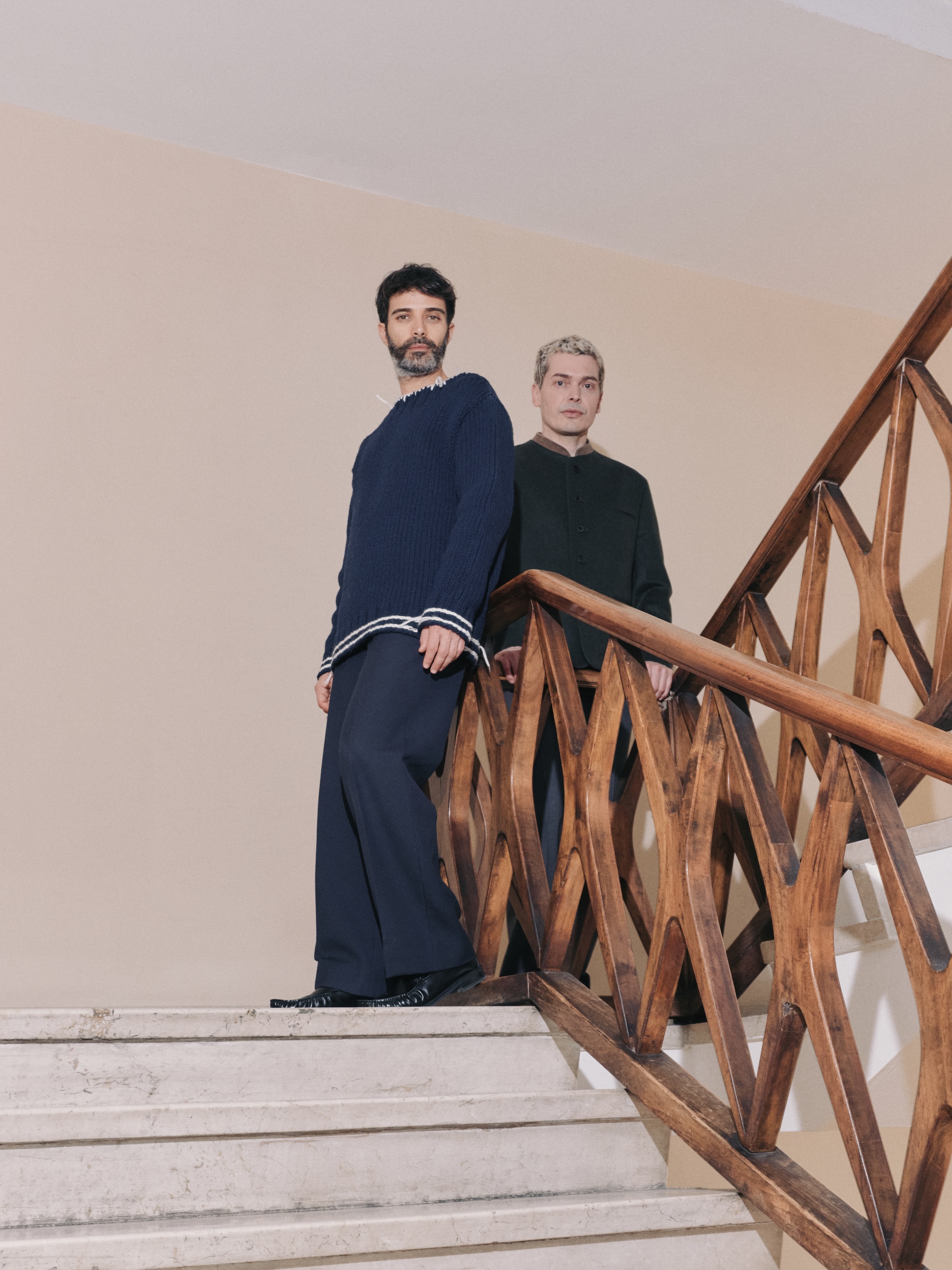
Research-based design studio Formafantasma has been appointed Serpentine’s Lead R&D Fellows, Ecology, beginning a multi-year project that will examine everything from exhibitions and daily operations to resources, labour and the gallery’s wider civic role.
Led by Andrea Trimarchi and Simone Farresin, Formafantasma will work across Serpentine’s programmes and internal systems to develop new ways of embedding ecological thinking into the institution’s day-to-day activities and long-term strategy.
Beginning this summer, the collaboration will span curatorial guidance, institutional advice and knowledge-building, moving beyond the subject of ecology as something presented in exhibitions to consider how an art institution itself operates.
The first phase will see Formafantasma map Serpentine’s existing processes and systems, from exhibition-making and curatorial practice to operational structures and resource use, identifying opportunities for ecological intervention and long-term change. A multi-year public programme will run alongside the research, opening the process to audiences and sharing the methods and findings that emerge.
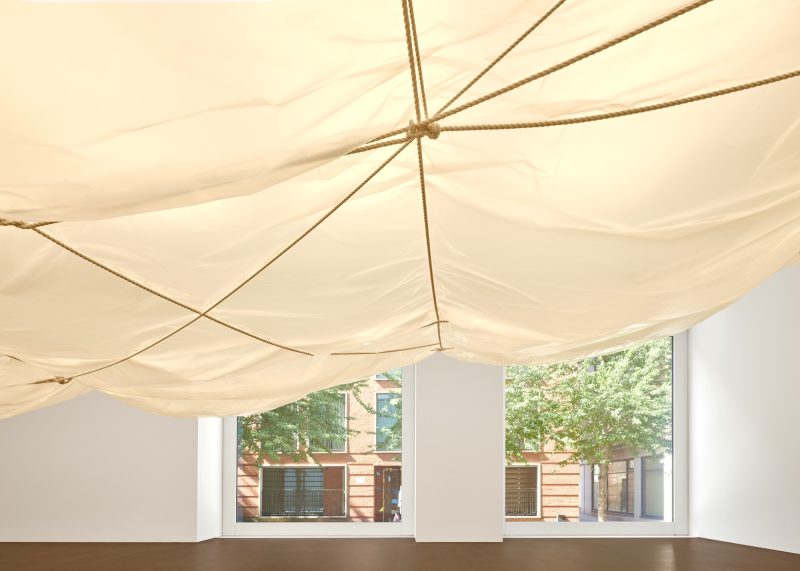
The appointment extends a relationship that began with Cambio, Formafantasma’s major 2020 exhibition at Serpentine North. The research-led project examined the ecological, political and economic dimensions of the global timber industry, treating design as both implicated in the ecological crisis and a potential tool for transformation.
Formafantasma said:
“We are thrilled to start work on building an ecological framework through research, testing, and activation. As we move from theory to action, we will prioritise approaches that can begin locally and scale systematically.”
The studio added that the project would look to “reimagine the civic role of institutions”, encompassing curatorial processes as well as questions around space, resources, labour and ecology.
For Serpentine, the appointment continues a strand of ecological thinking that stretches back to its long-running collaboration with the late Gustav Metzger. Beginning with Metzger’s participation in the inaugural Serpentine Marathon in 2006, the relationship later led to the 2014 Extinction Marathon: Visions of the Future and, in 2018, the establishment of the gallery’s General Ecology programme.
Bettina Korek, Chief Executive of Serpentine, said:
“At Serpentine, the artists and designers we collaborate with shape not only what we exhibit, but also how we think, act, and operate. Our partnership with Formafantasma extends ecological thinking into our systems, our spaces, and our everyday practices.”
Hans Ulrich Obrist, Artistic Director, described the appointment as a continuation of the legacy established with Metzger, highlighting Formafantasma’s work examining materials across time, “from their histories to questions of future survival within contemporary living conditions.”
Founded in 2009, Formafantasma works across design, research, strategic planning and consultancy from studios in Milan and Rotterdam. Its practice examines the environmental, historical, political and social forces that shape contemporary design, with projects often investigating the wider systems behind materials, production and consumption.
As Serpentine’s Lead R&D Fellows, Ecology, the studio will now turn that research-based approach onto the institution itself, developing a long-term programme intended to become a reference model for the wider cultural sector.
About
Since founding Formafantasma in 2009, Andrea Trimarchi and Simone Farresin (Italy) have championed the need for value-laden advocacy merged with holistic design thinking. Their aim is to facilitate a deeper understanding of both our natural and built environments and to propose transformative interventions through design and its material, technical, social, and discursive possibilities.
Working from their studio in Milan (Italy) and Rotterdam (The Netherlands), the practice embraces a broad spectrum of typologies and methods, from product design through spatial design, strategic planning and design consultancy. Whether designing to a client’s brief or developing self-initiated projects, the studio applies the same rigorous attention to context, process, and detail. As a result, Formafantasma’s entire portfolio is characterised by a coherent visual language and meticulously
researched outcomes.
For Formafantasma, this crossflow of knowledge and experience taken from both their commercial contracts and their more autonomous projects has benefitted and informed the respective other. It has also given them a unique perspective of the design industry, allowing them to acknowledge the legacy of industrial production as the fundamental source for the designer’s expertise and agency in contemporary society while also addressing its historic contribution to environmental instability.
Serpentine R&D Fellowships support creative research as a long-term, evolving practice. Advancing Serpentine’s mission to foster deeper connections between artists and society, the fellowships provide a platform for artists, curators, designers, architects, and creative technologists to develop, test, and share new ideas.
Each fellowship is developed in close collaboration with Serpentine and is tailored to the specific needs of the research. Together, the fellowships contribute to Serpentine’s role as a living research environment, where ideas evolve over time, intersect across disciplines, and create opportunities for new forms of knowledge and innovation.
Categories
Tags
- Andrea Trimarchi
- art institutions
- Bettina Korek
- contemporary art
- Contemporary Design
- Design
- ecological design
- Ecology
- Formafantasma
- Formafantasma London
- Formafantasma Serpentine Ecology
- General Ecology
- Gustav Metzger
- Hans Ulrich Obrist
- london art
- Serpentine
- Serpentine Ecology
- Serpentine Lead R&D Fellows
- Simone Farresin
- sustainability
- sustainable art institutions