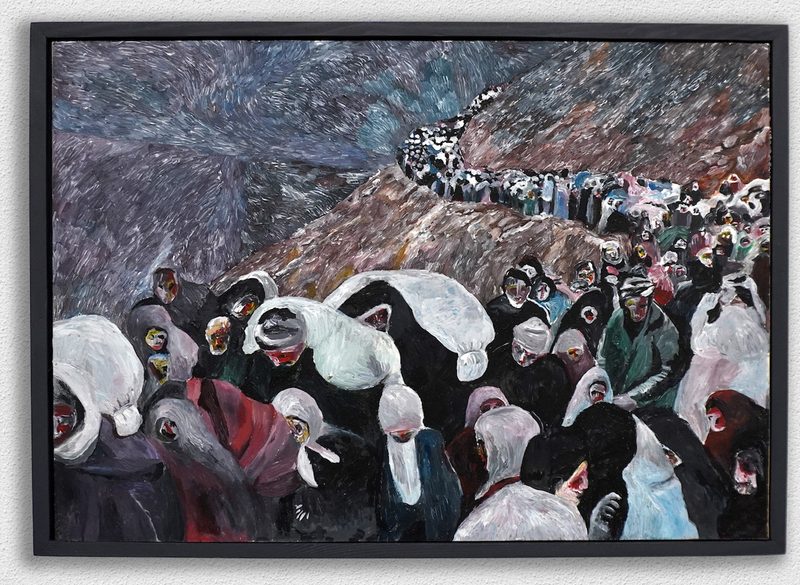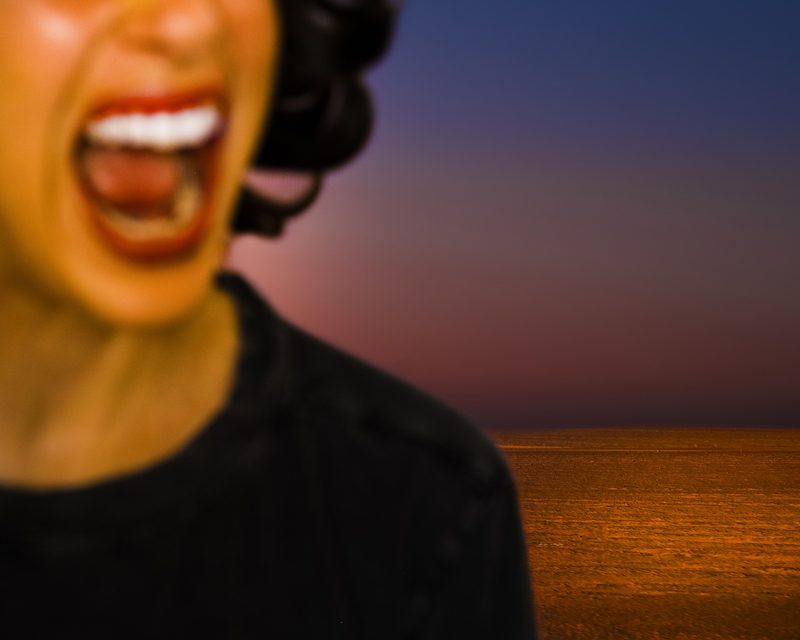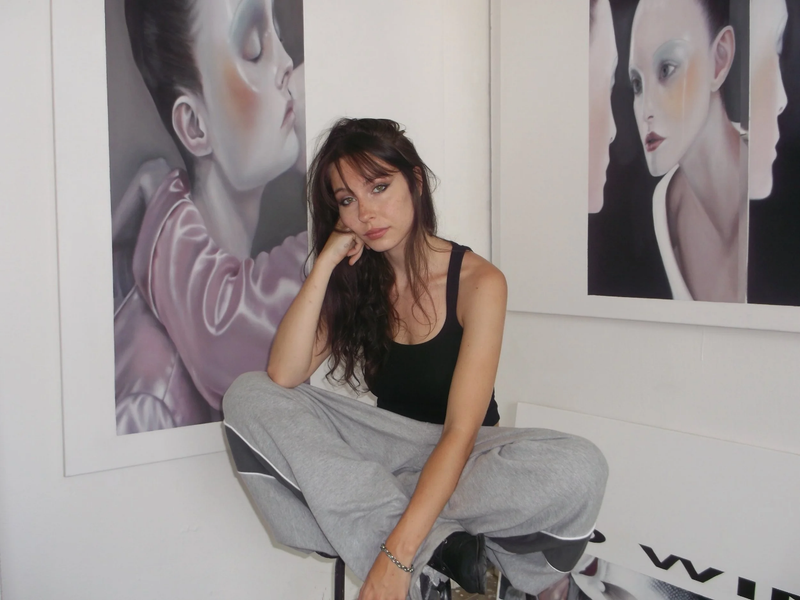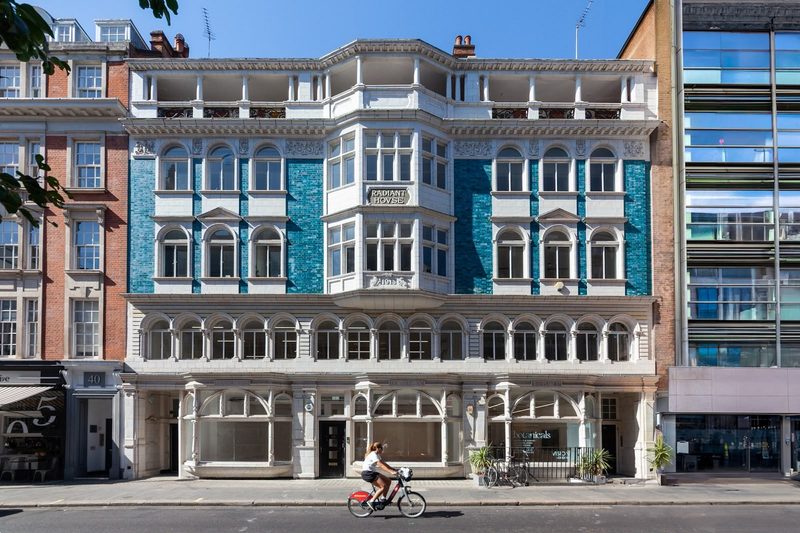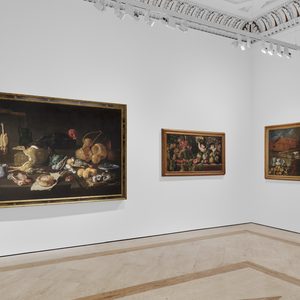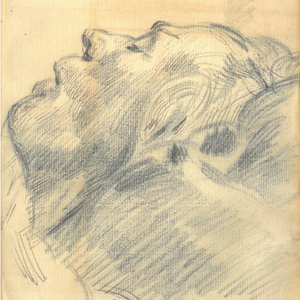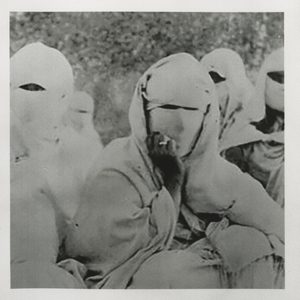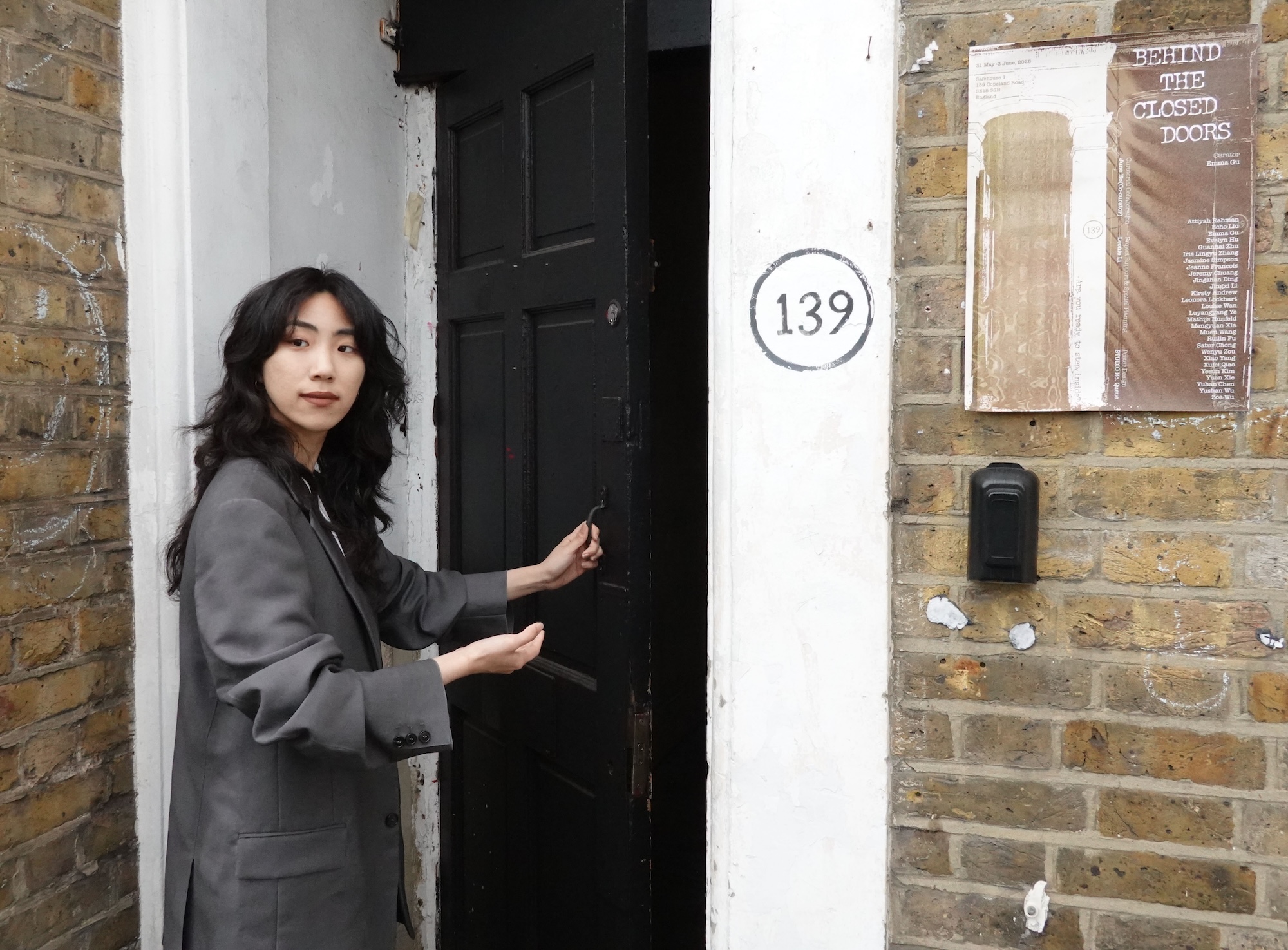
On May 31st at 6:00pm, in Safehouse 1 in Peckham — a crumbling Victorian-era building — a quietly powerful group exhibition opened its doors. Titled “Behind the Closed Doors”, the show invited audiences into an intimate yet fractured domestic world, reimagined by 28 emerging artists through the lens of memory, labour, identity, and care.
Initiated and curated by Emma (Xinyan) Gu, the exhibition explores the unseen aspects of domestic life: the invisible labour that sustains it, the emotional landscapes that shape it, and the power dynamics that silently structure it. Set across 4 interconnected rooms, threaded with familiar domestic objects, the exhibition unfolded as a nonlinear journey through the home — not just as physical space, but as emotional and psychological terrain.
“We view objects as silent witnesses of domestic life — they coexist with the users and absorb the weight of time.”
– Emma Gu
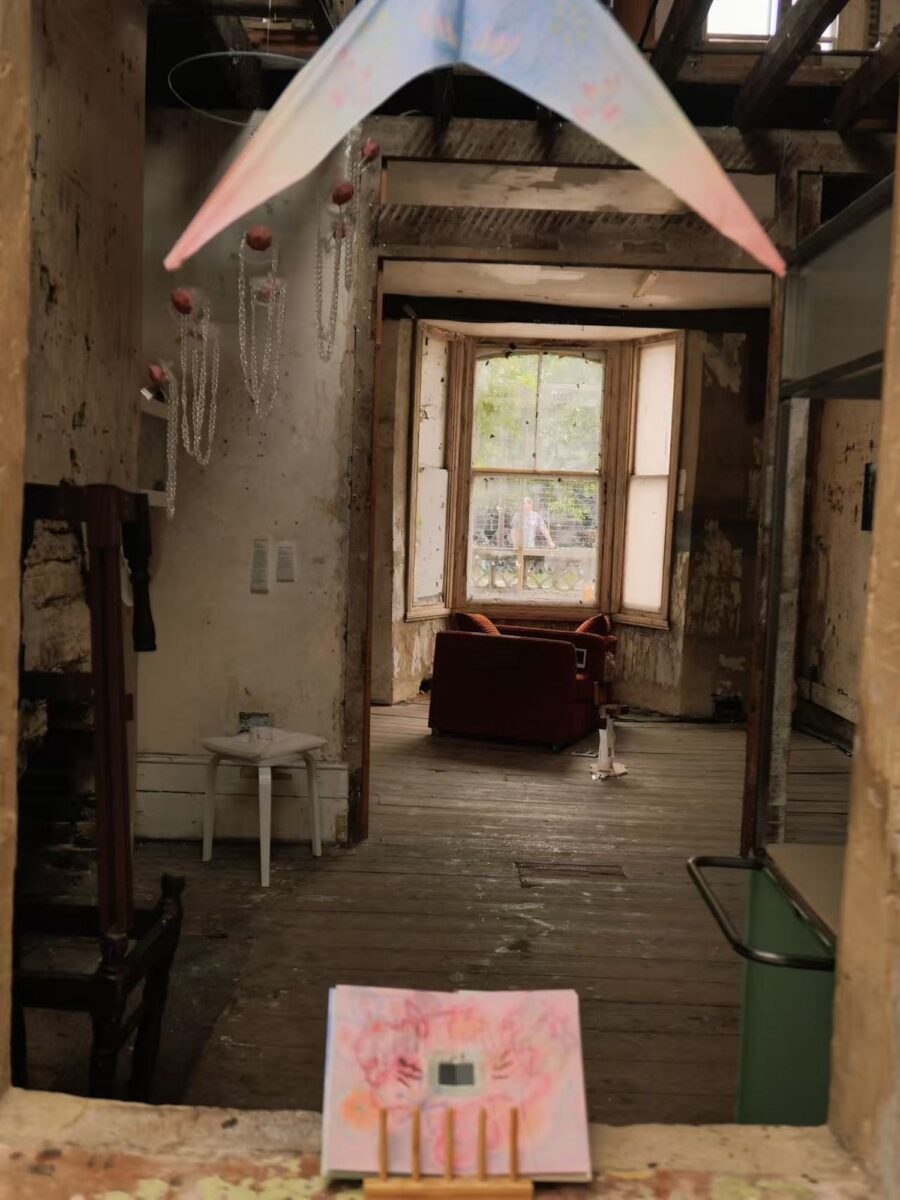

The raw, decaying structure of Safehouse 1 mirrors the exhibition’s themes — a space both fragile and resilient, like the lives and stories it holds. Visitors step into a narrative that feels part dream, part surveillance:
A glimpse through a closed door, a surreal and shifting dreamscape. Behind it: fractured identities, emotional friction, and silent complicity.
Behind the Closed Doors at Safehouse 1 peels back the layers of domestic life to reveal its invisible scaffolding: emotional labour, psychological landscapes, and embedded power structures. Presented across four interlinked rooms and laced with familiar household objects, the exhibition invites visitors on a nonlinear journey through the home—not merely as a physical dwelling, but as a complex terrain of memory, tension, and quiet resistance.
“We view objects as silent witnesses of domestic life — they coexist with the users and absorb the weight of time,”
Gu remarks.
This sentiment permeates the show, where objects cease to be passive decor and instead become repositories of emotion, ritual, and strain. Set within the raw, crumbling framework of Safehouse 1, the exhibition’s setting amplifies its themes—fragility, endurance, and the haunting persistence of the past. The environment is both dreamlike and unsettling, part observation, part hallucination. A closed door becomes a portal; a half-seen figure hints at fractured identities and unspoken complicity.
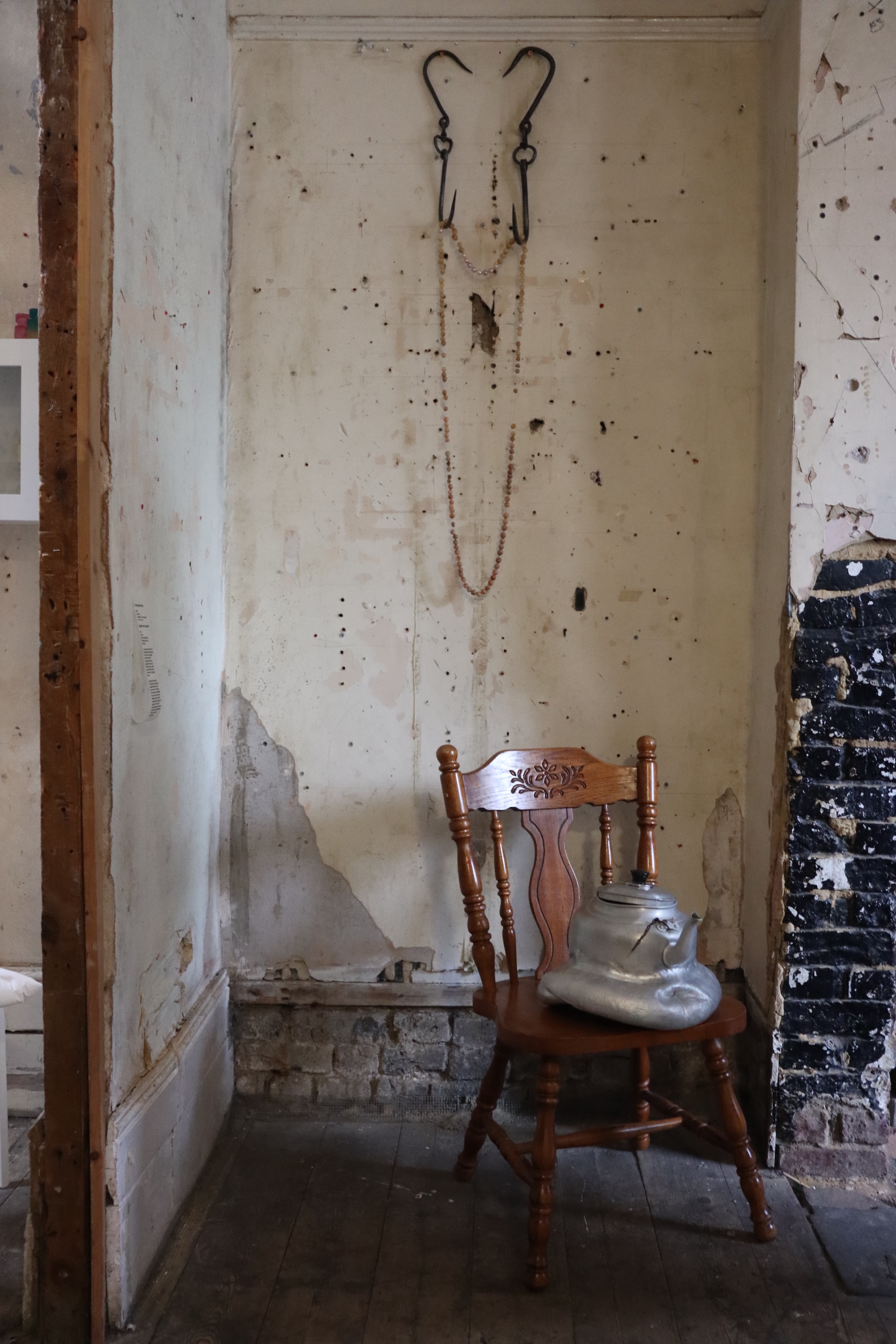

The exhibition’s four-room layout forms a psychological mapping of the home. Room 1: The Living Room serves as a shared arena where care is offered and contested. It captures the negotiation and repetition that underpins daily life, rendering the mundane as quietly radical. Subtle gestures—folded linen, repositioned chairs—speak volumes about dominance and affection.
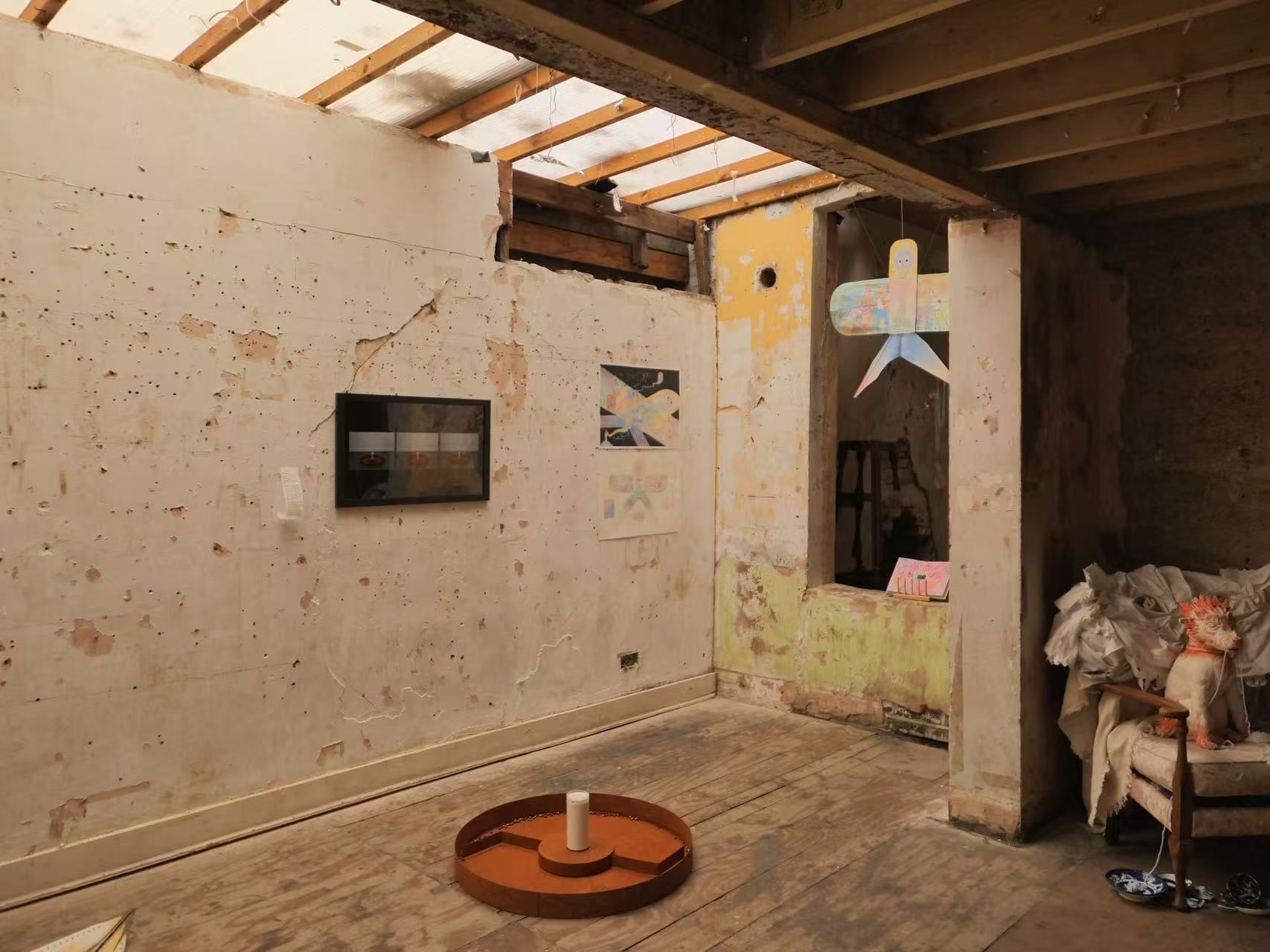
Room 2: The Inner Room shifts inward, exploring private tension and the creeping influence of outside forces. Here, caregiving is not romanticised but reframed as survival. The works confront how societal expectations seep into private space, burdening intimacy with performance.
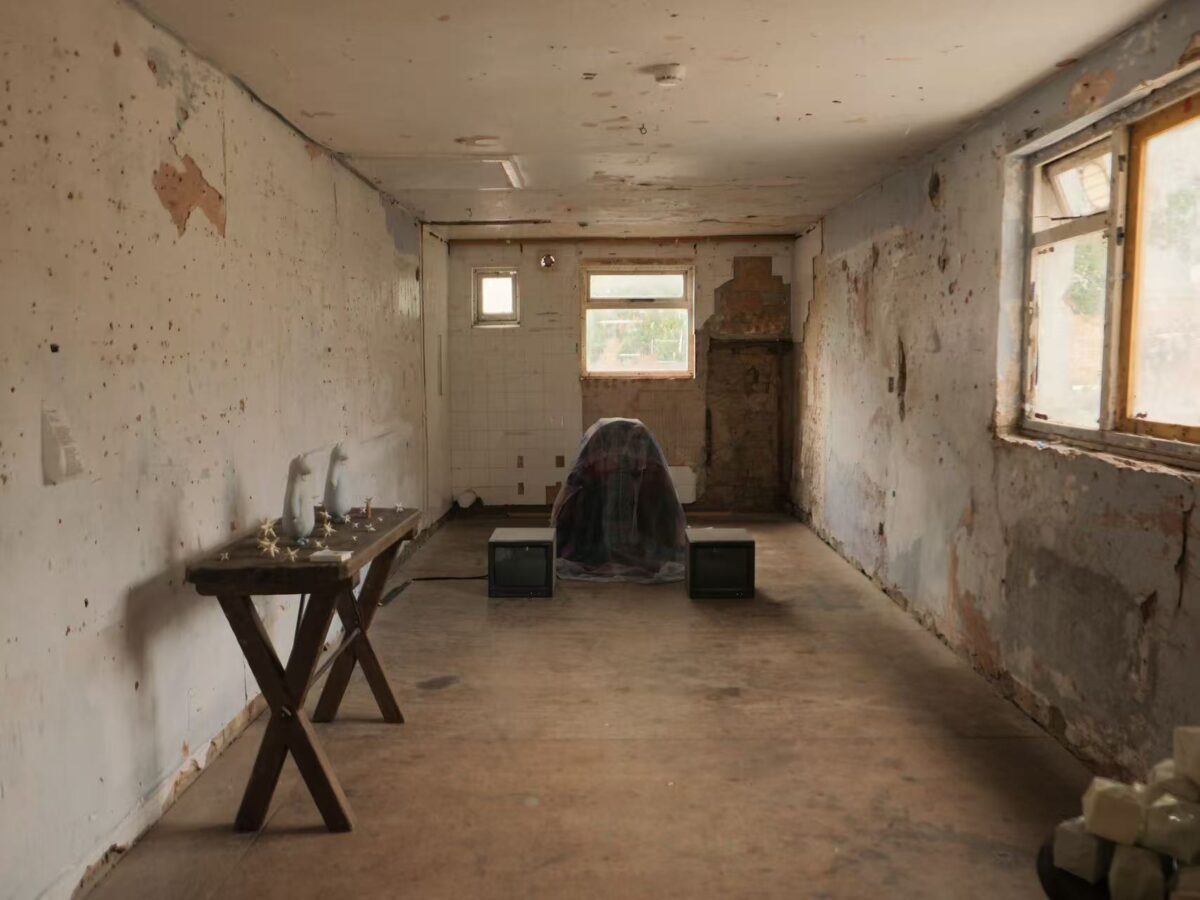
In Room 3: The Hidden Room, the tone darkens. Memory, secrecy, and emotional inheritance hang thick in the air. This is a space of ghosts—familial, cultural, and internal. What is not said becomes the loudest presence. The room functions as a kind of psychic archive, housing the residue of generational weight.
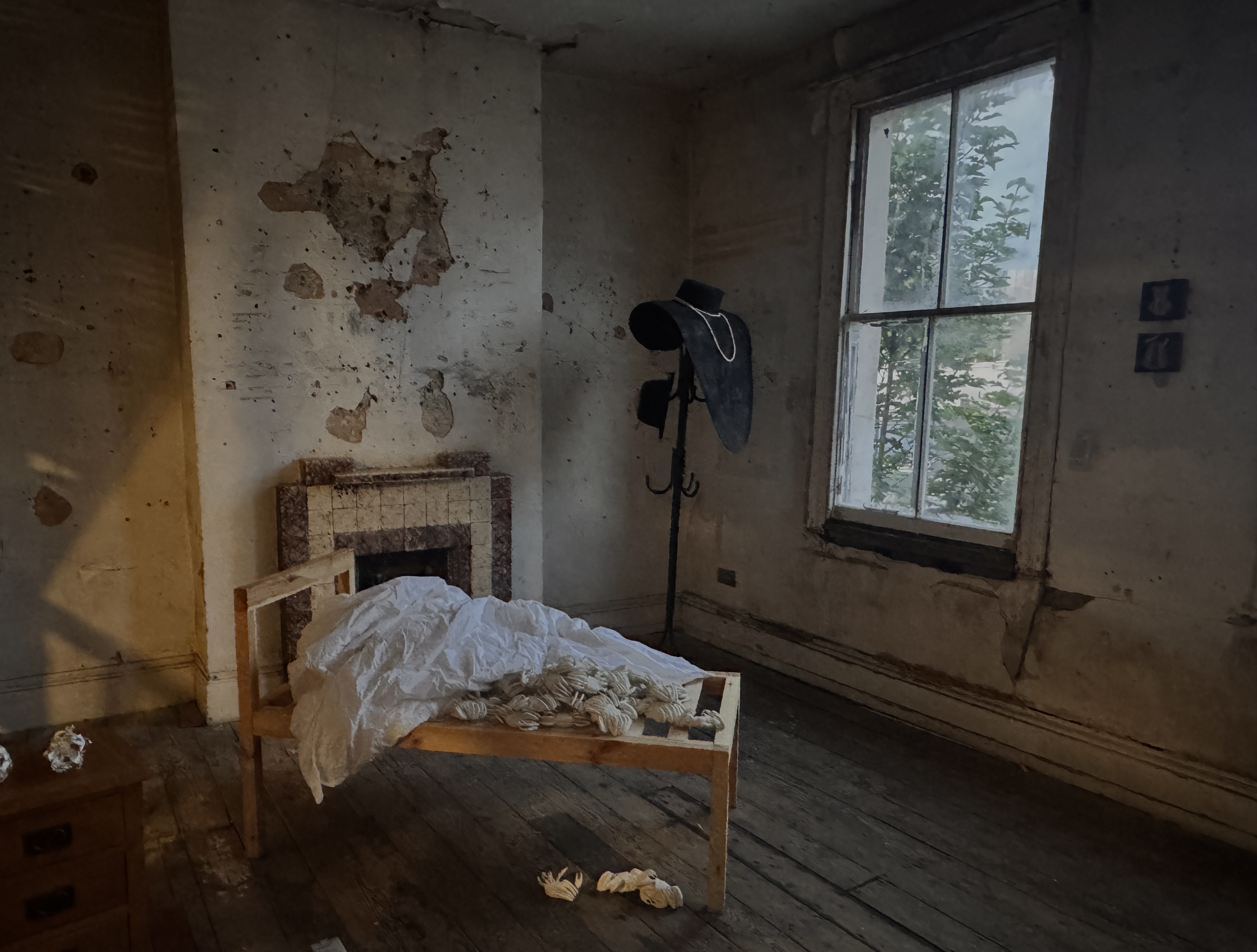
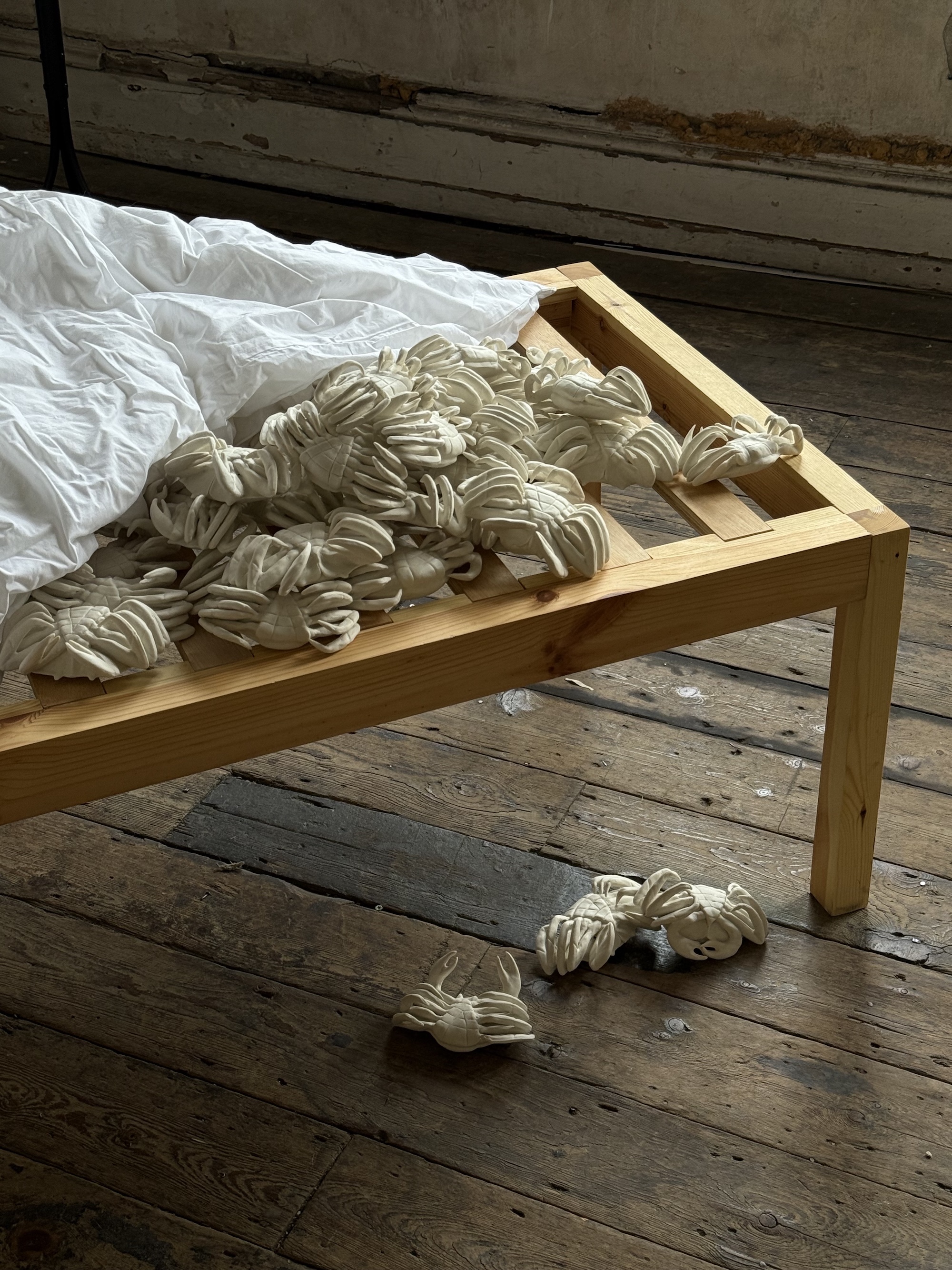
The journey concludes with Room 4: The Bedroom, a nod to Virginia Woolf’s seminal notion of “a room of one’s own.” It is a space for solitude, reclamation, and quiet defiance. Here, the home becomes a site not only of endurance but of renewal, where rest and imagination are acts of survival.
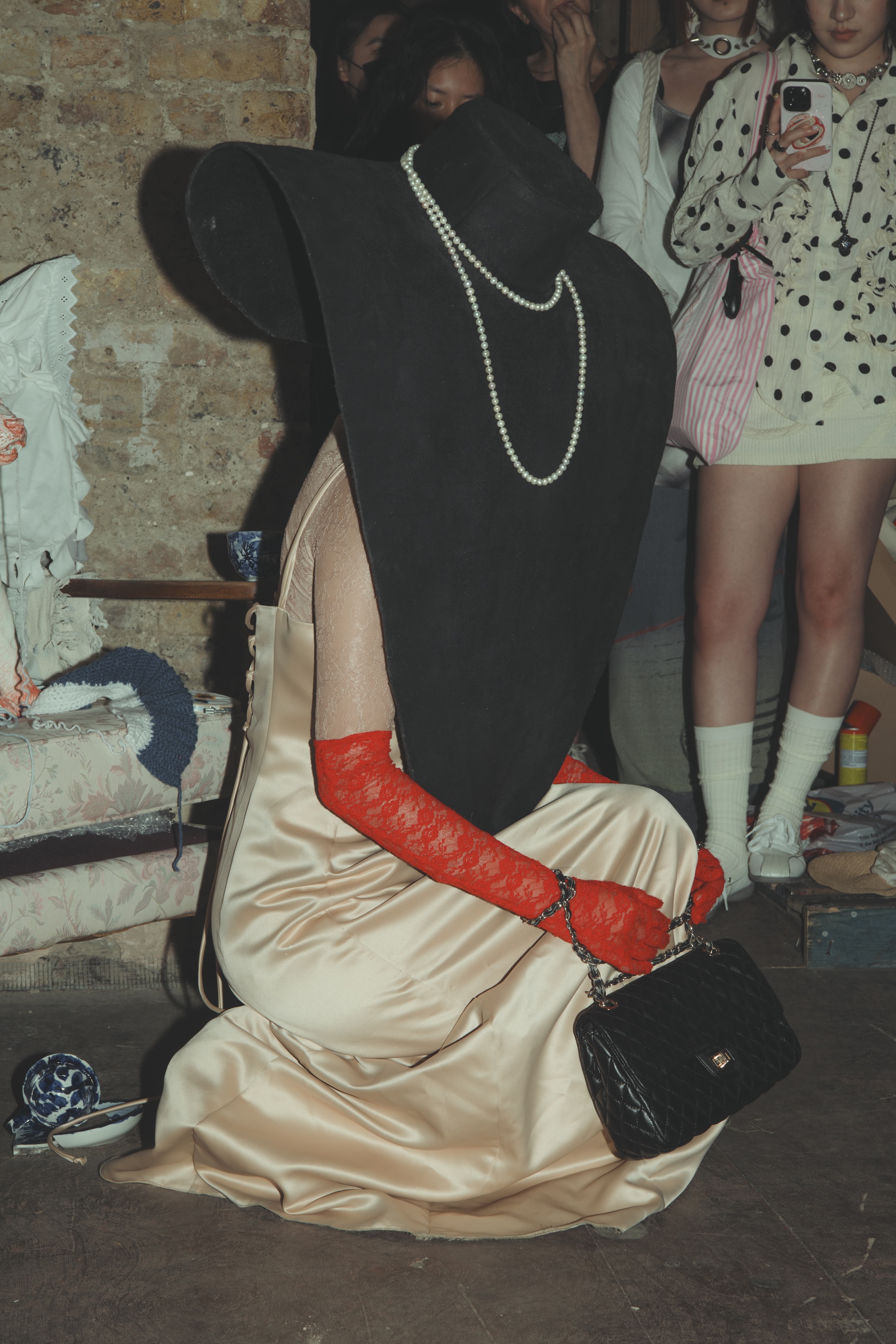
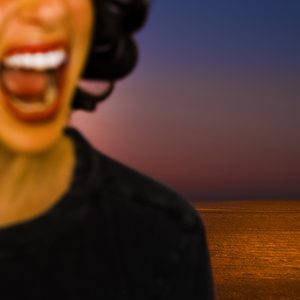
A highlight of the opening was Satur Chong’s performance, Womenequin in Social. In a potent, restrained choreography, identity is filtered through costuming: the donning of a hat signals transformation, illustrating how domestic and societal roles shape and fix the self. Chong’s fixed gaze and deliberate gestures blur the line between elegance and entrapment, offering a distilled metaphor for the constraints of domestic identity.
At its core, the exhibition asks a deceptively simple question: Will you enter as a visitor, or return home as an insider? It is a question that lingers long after you leave, as the residue of its quiet, powerful narratives settles somewhere deep and familiar.
Participating Artists: Attiyah Rahman, Echo Liu, Emma Gu, Evelyn Hu, Guan Hai Zhu, Iris Lingyu Zhang, Jasmine Simpson, Jeanne Françoise, Jeremy Chih-Hao Chuang, Jingshan Ding, Jingyi Li, Kirsty Andrew, Leonora Lockhart, Louise Wan, Luyangyang Ye, Mathijs Hunfeld, Mengyuan Xia, Muen Wang, Ruilin Fu, Satur Chong, Wenyu Zou, Xiao Yang, Xufei Qiao, Yeeun Kim, Yuan Xie, Yuhan Chen, Yushan Wu, and Zoe Wu.
Behind the Closed Doors: Reconstructing the Narrative of Home in a Crumbling House, May 31st – June 3rd, 202, Safehouse 1 @nest_a_lab
Categories
Tags
- Attiyah Rahman
- Echo Liu
- emerging artists
- Emma Gu
- Evelyn Hu
- Guan Hai Zhu
- Iris Lingyu Zhang
- Jasmine Simpson
- Jeanne Françoise
- Jeremy Chih-Hao Chuang
- Jingshan Ding
- Jingyi Li
- Kirsty Andrew
- Leonora Lockhart
- Louise Wan
- Luyangyang Ye
- Mathijs Hunfeld
- Mengyuan Xia
- Muen Wang
- Ruilin Fu
- Safehouse 1
- Satur Chong
- Wenyu Zou
- Xiao Yang
- Xufei Qiao
- Yeeun Kim
- Yuan Xie
- Yuhan Chen
- Yushan Wu
- Zoe Wu