Brighton has always suited photography. There is the sea, obviously, but also the mixture of grand architecture, faded seaside glamour, shopping streets, subcultures and the constant movement of people through the city. This autumn, Photo Fringe and Photoworks approached that landscape from very different directions, bringing photography into galleries, museums, university spaces, shopfronts and directly onto the seafront.
Photo Fringe is the more sprawling of the two. Its 2026 edition, themed FEEDBACK LOOP, spread across Brighton & Hove and beyond, with exhibitions also appearing in Newhaven and Portsmouth. The idea of the feedback loop — an action producing a response that in turn produces another — was loose enough to allow very different practices to sit alongside one another, from established names to open-call exhibitions and collective projects.
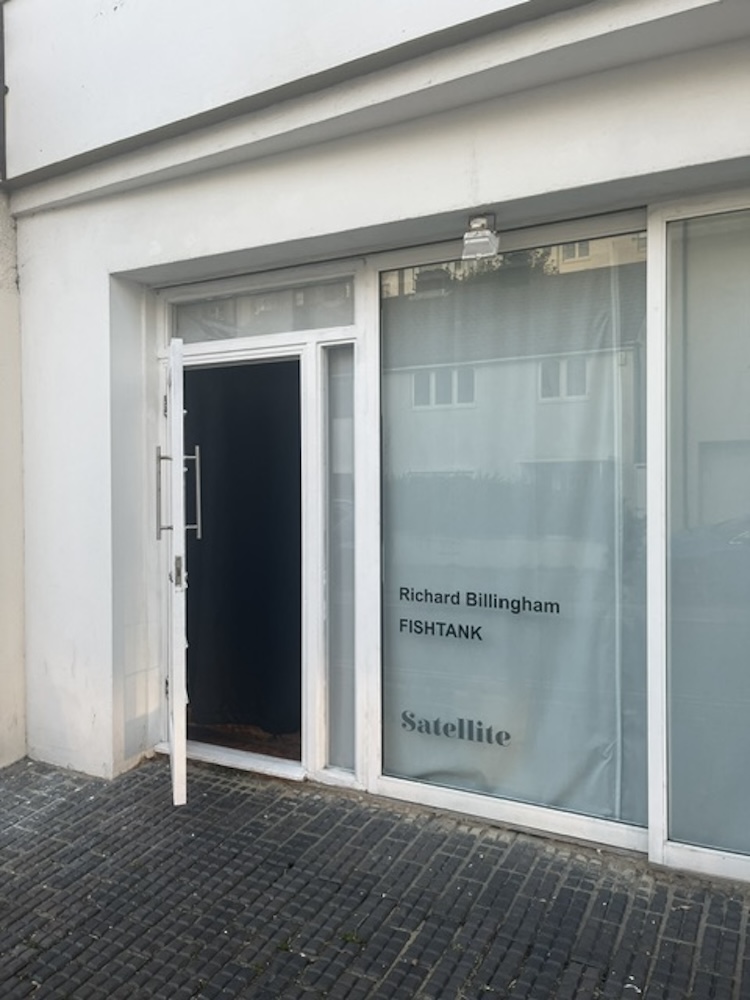
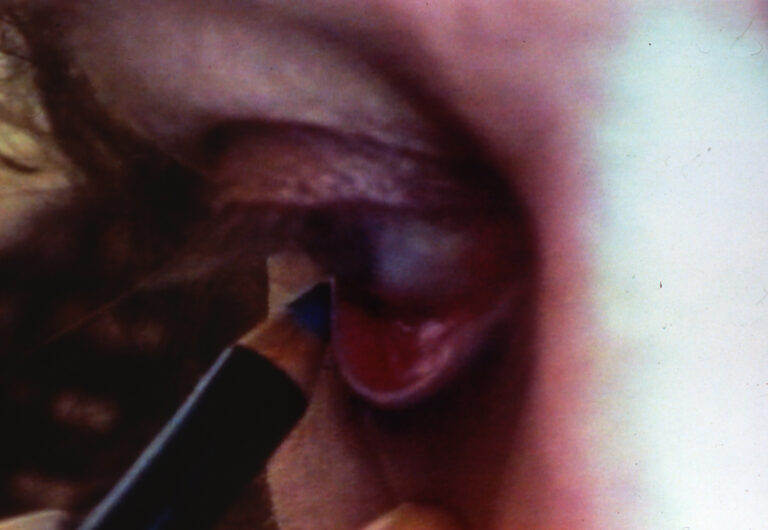
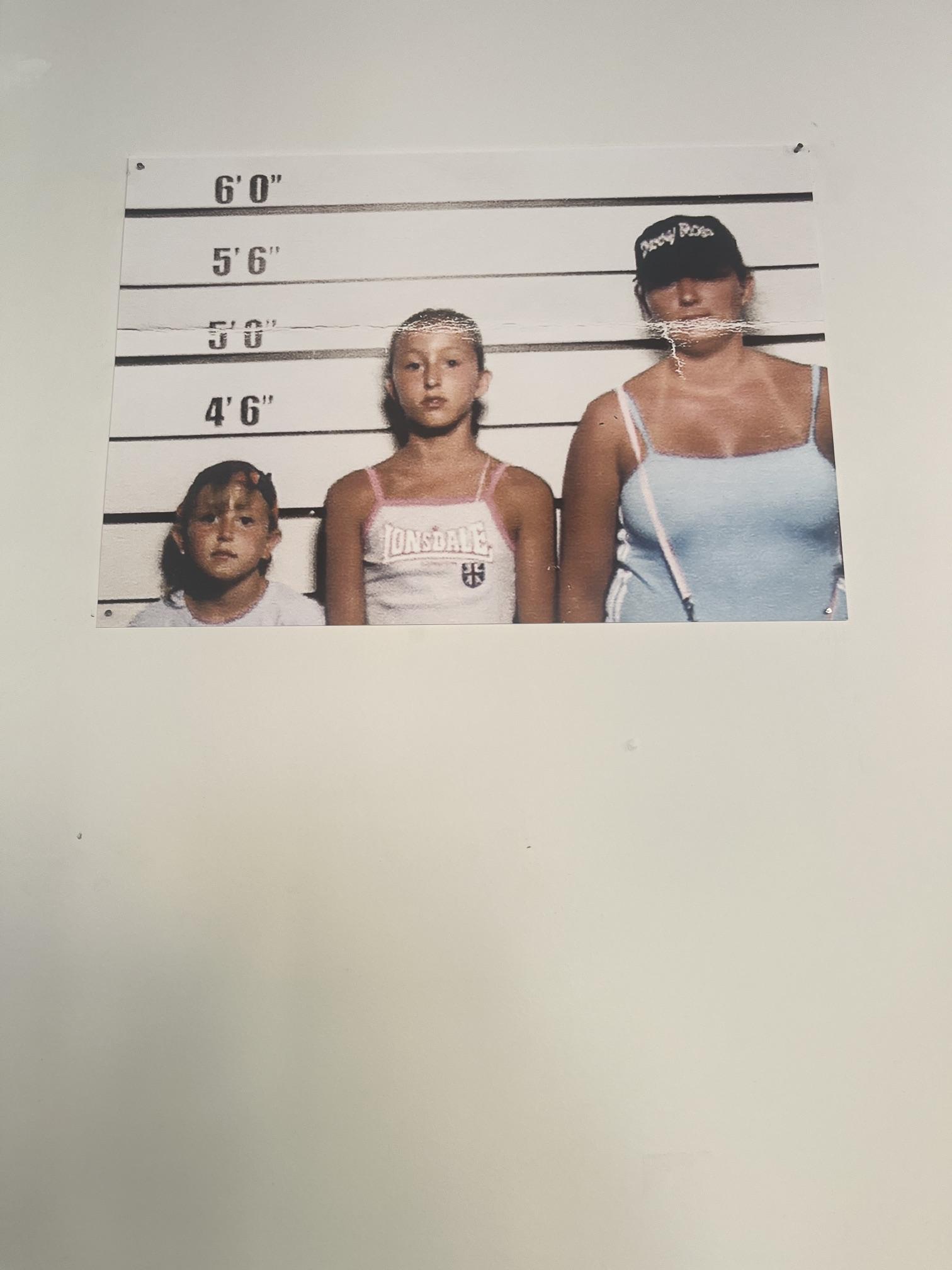
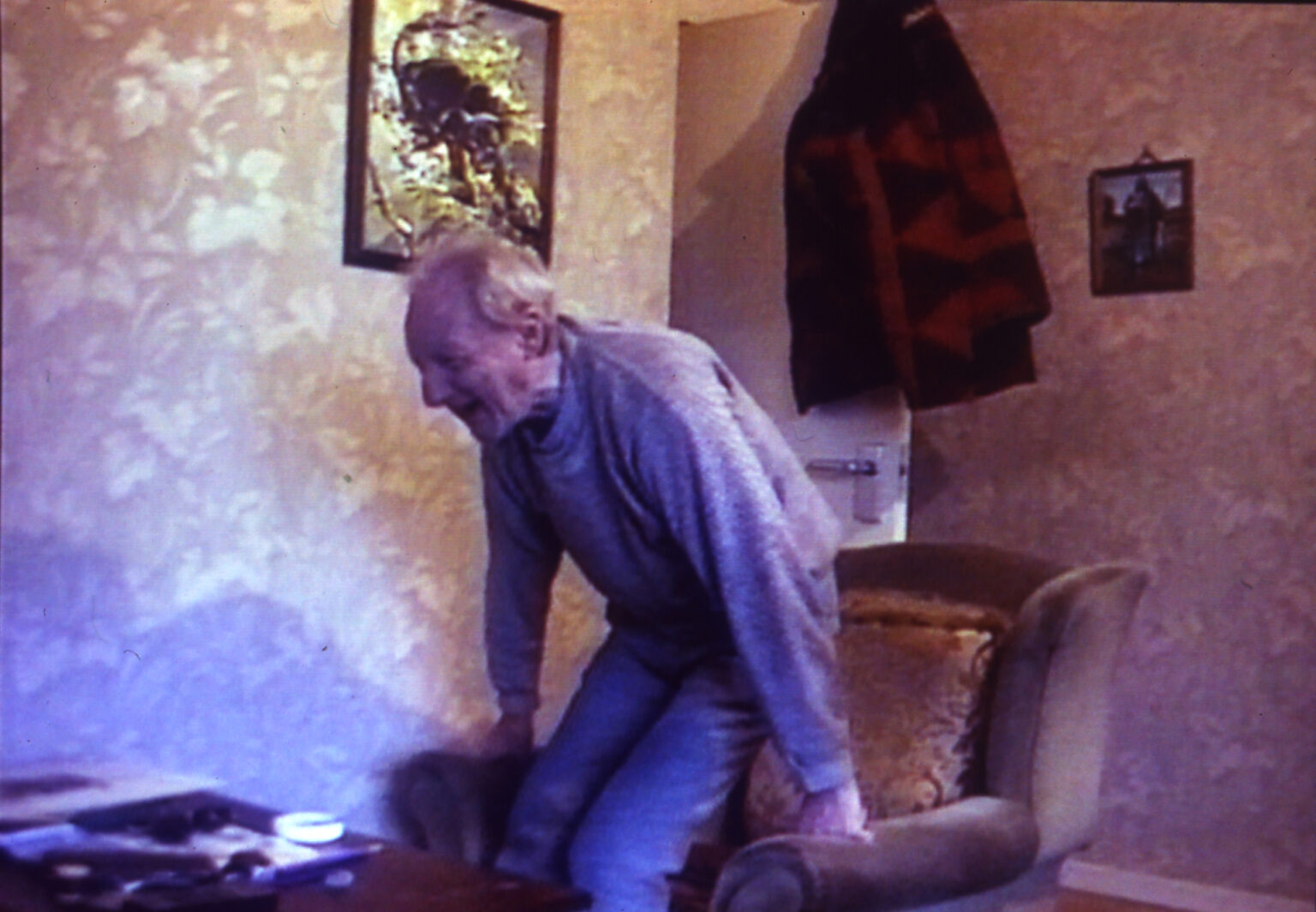
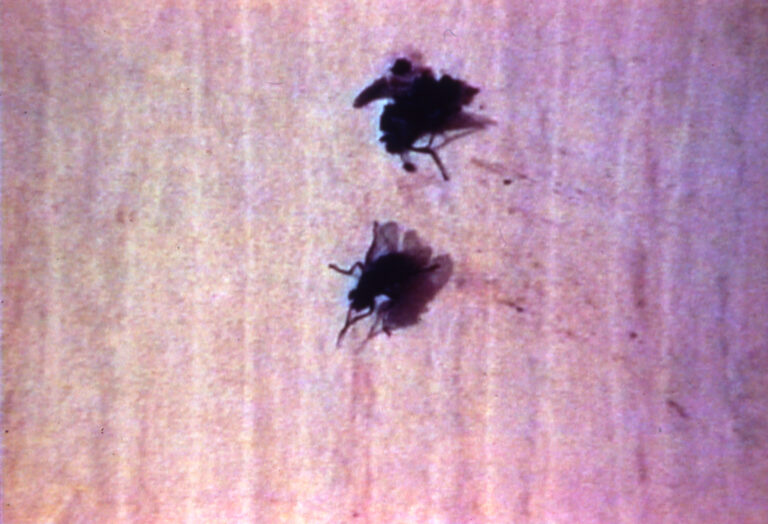
Among the most recognisable names was Richard Billingham, whose Fishtank was presented by John Marchant Gallery at Satellite Storefront in Hove. Billingham first became internationally known through Ray’s A Laugh, his unflinching photographs of family life in a council flat in Cradley Heath. Fishtank emerged from Hi-8 footage made in the same domestic world and was first broadcast by BBC2 in 1998. Ray drinks and feeds the fish, Liz plays with her pets and computer games, conversations drift into arguments and back again. What still makes the work so powerful is that Billingham never reduces his family to spectacle. There is chaos and sadness, but also humour, tenderness and the strange intimacy of simply spending time with people in a confined space.
Elsewhere, Photo Fringe took photography outside altogether. OPEN ECO, presented at the Seafront Gallery, brought together 20 responses to environmental change, with the photographs exposed to the very landscape they were discussing. Positioned beside the coast, questions of weather, erosion, extraction, waste and changing ecosystems became part of the physical experience of seeing the work rather than subjects safely contained inside a gallery.
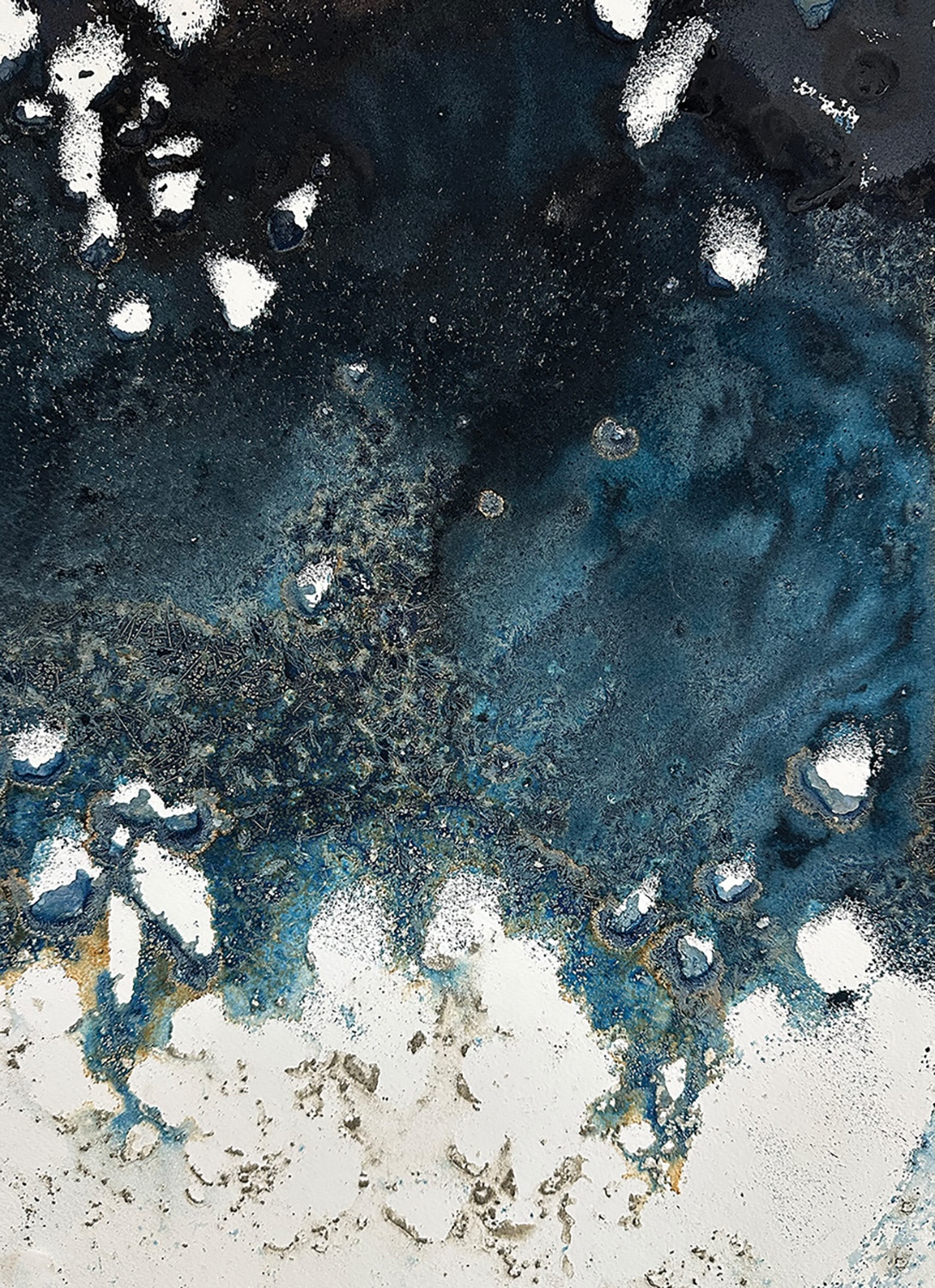
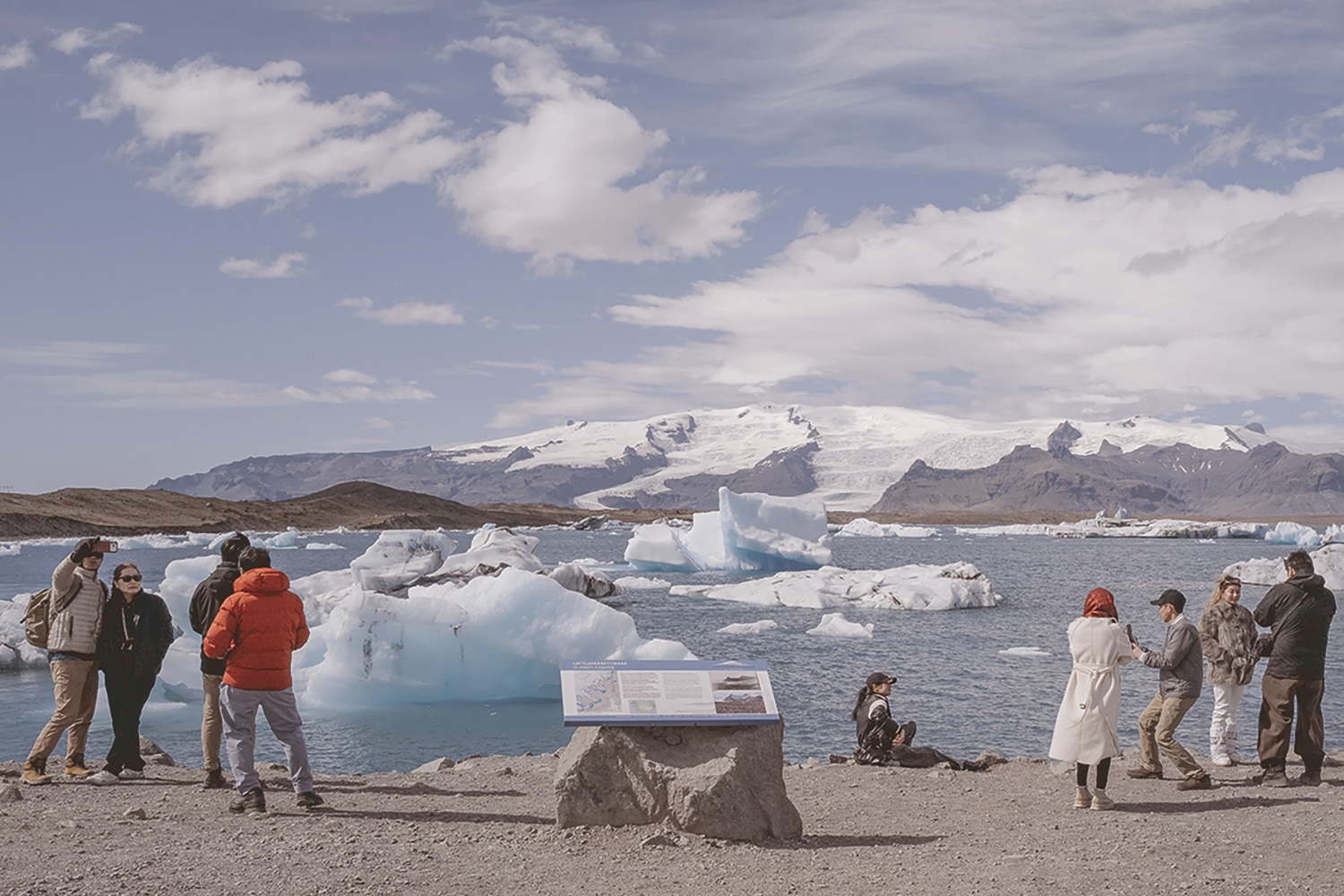
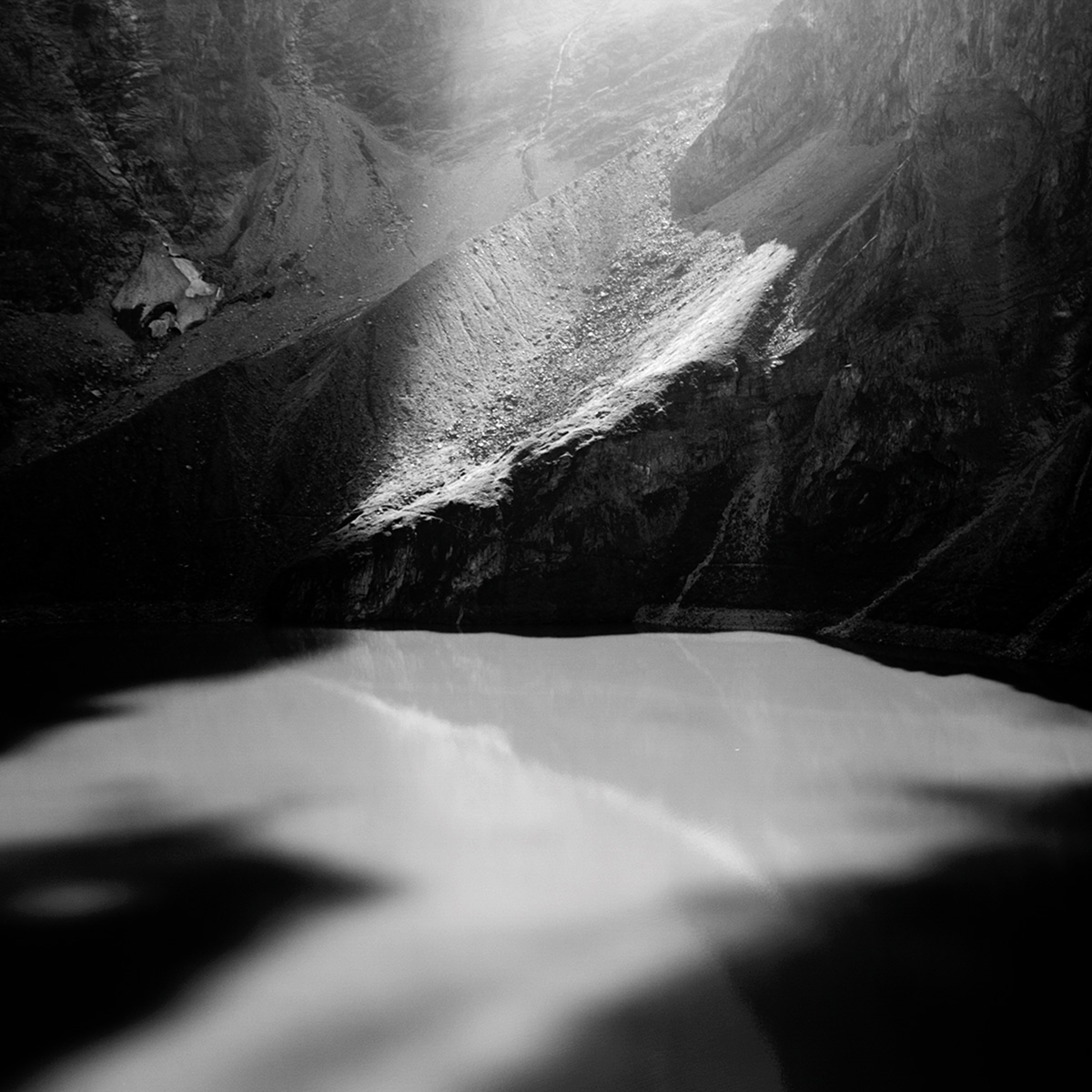
The range was intentionally broad. Aindreas Scholz used Svalbard cyanotypes to consider climate change, extractive histories and photography’s own material footprint; Ann Petruckevitch photographed bushfire destruction in Australia; Britta Kohl-Boas looked at the strange detachment of glacier tourism; and Halfdan Hallseth photographed nature reclaiming the cooling tower of Chernobyl’s unfinished Reactor 5. Elsewhere, Dr Gil Mualem-Doron worked with young people in Sri Lanka to turn discarded beach plastic into wearable sculpture, while Nina Maria Allmoslechner brought family archives and darkroom processes into a reflection on disappearing glaciers.
The strength of the outdoor format was that it resisted the temptation to make environmental photography feel remote. These were not simply pictures of ecological crises happening somewhere else. They were encountered with the sea, weather, traffic and people moving around them. Photo Fringe producer Ricardo Reveron Blanco describes the single photograph as something that might operate as “evidence, testimony, warning or invitation”. That feels particularly apt here: each work offered a point of entry rather than pretending that one photograph could somehow explain the climate crisis.
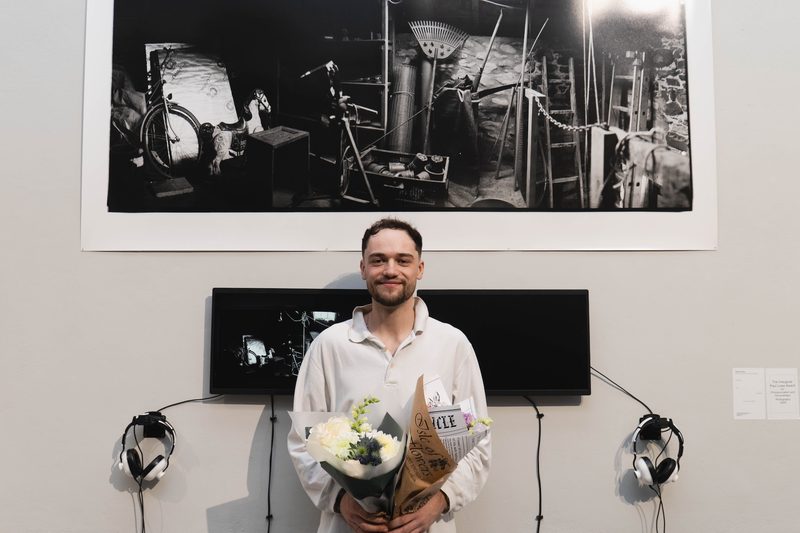
Photoworks Festival felt different — more concentrated, but with its own questions around photography, technology, memory and the worlds images construct. One of the strongest presentations was the Luigi Ghirri Emerging Talent exhibition at the University of Brighton, bringing together five artists selected through the Italian award and presented with the Italian Cultural Institute.
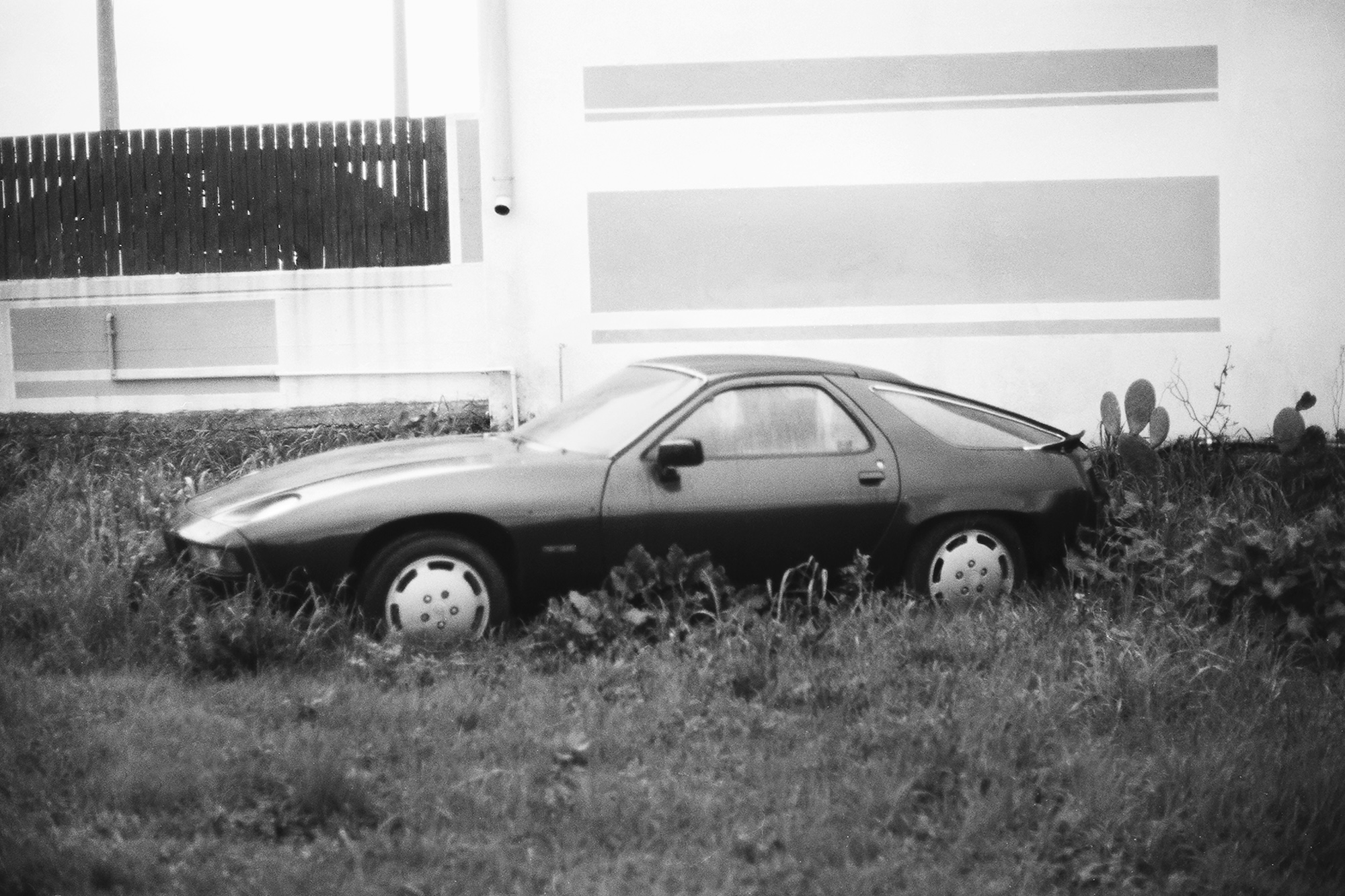
The work I particularly liked was Serena Radicioli’s You Never Came Back. The project begins with the death of her father when she was a child. She knew little about what he actually did, and his death was something her family largely refused to discuss. Ten years later she began researching him, looking through records, photographs and letters from prison and reconnecting with people who remembered him.
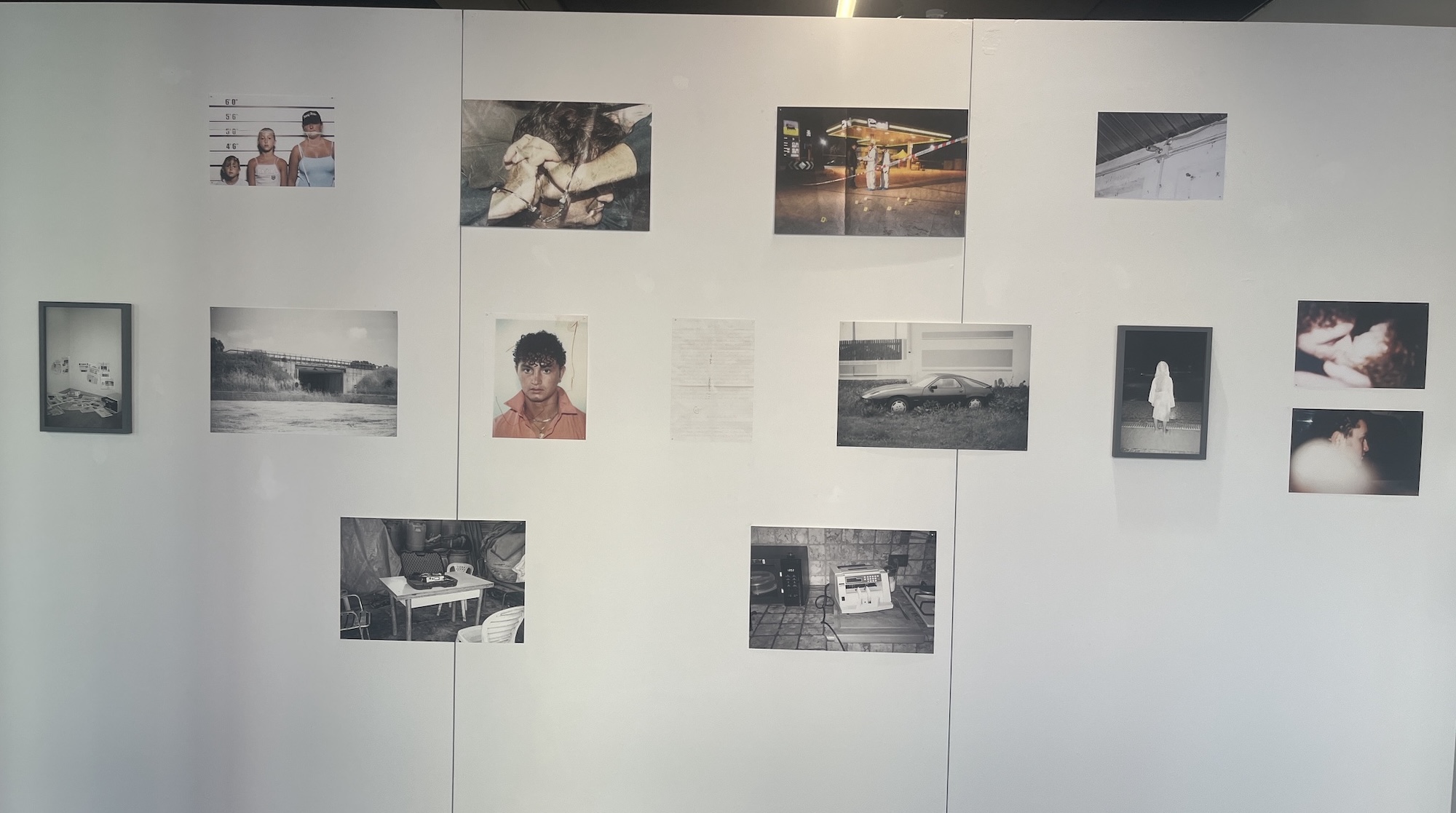
What results is not an attempt to solve the mystery neatly. Radicioli combines public and family archives with photographs made from her own memories in the present, creating something between investigation, family history and an attempt to understand the person she waited for as a child. It is deeply personal without becoming sentimental. The gaps matter as much as the evidence: photographs can reveal, but they can also show the limits of what can ever be recovered. Of the works I saw across the festival, this was one that stayed with me.
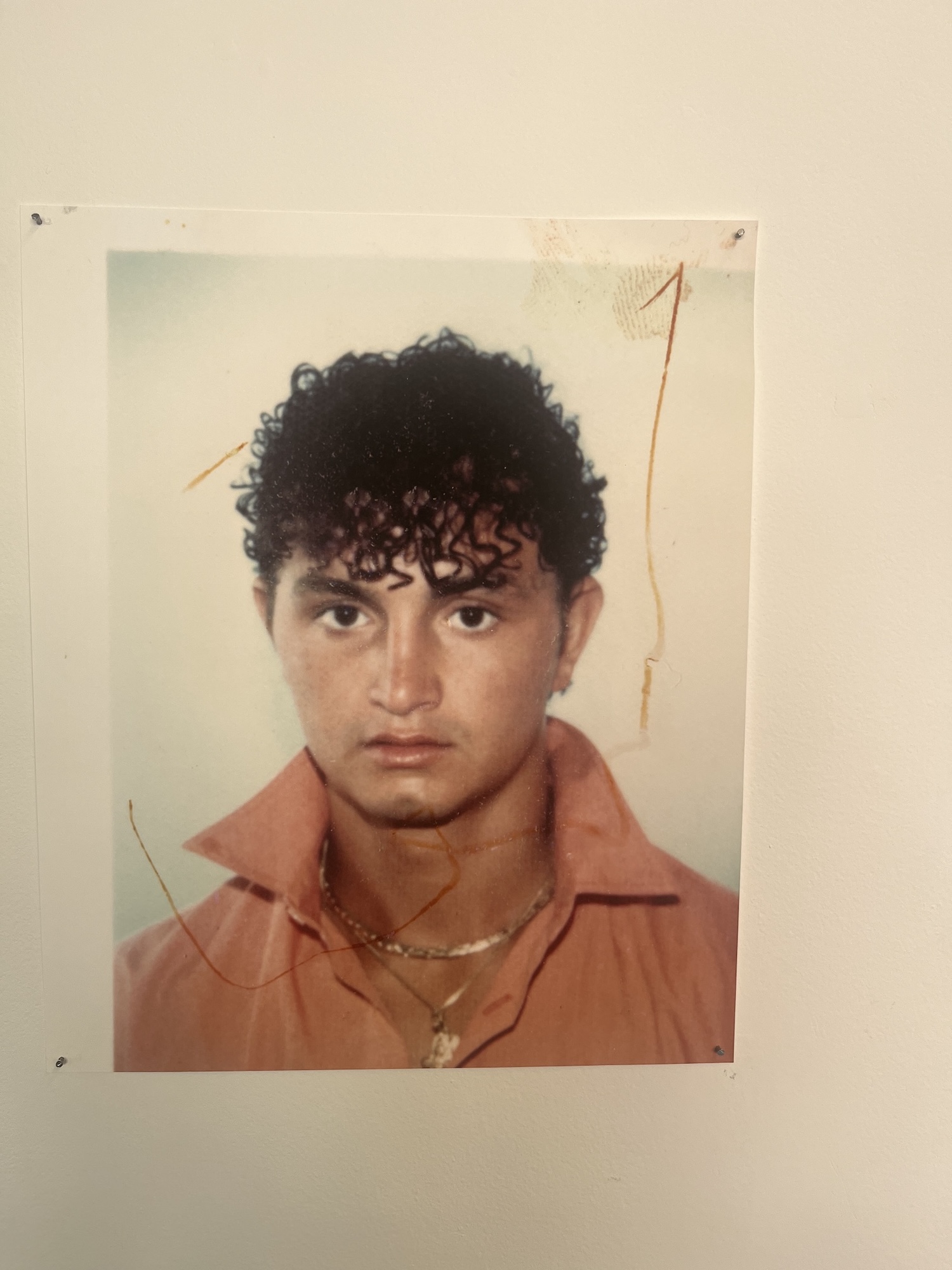
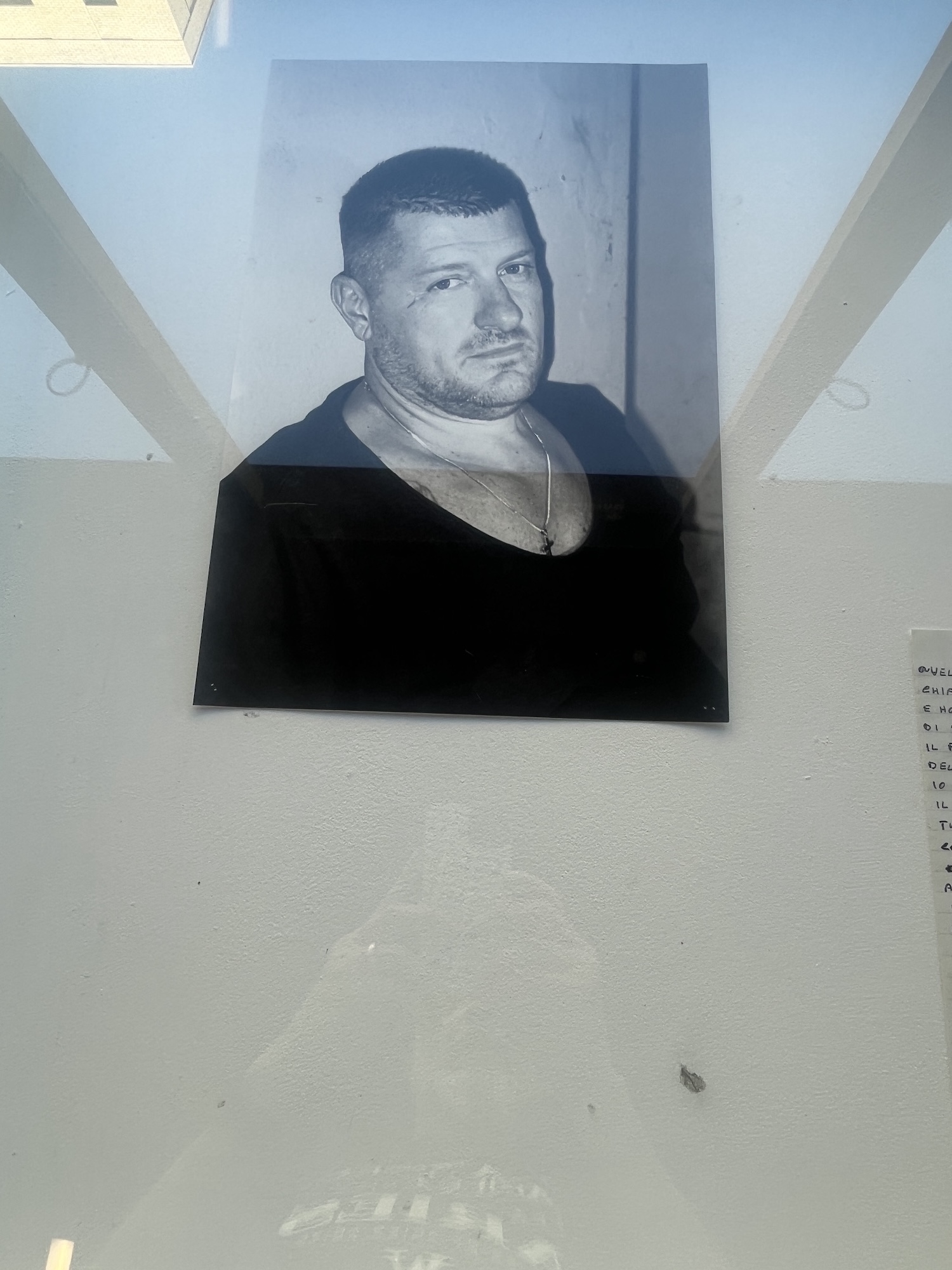
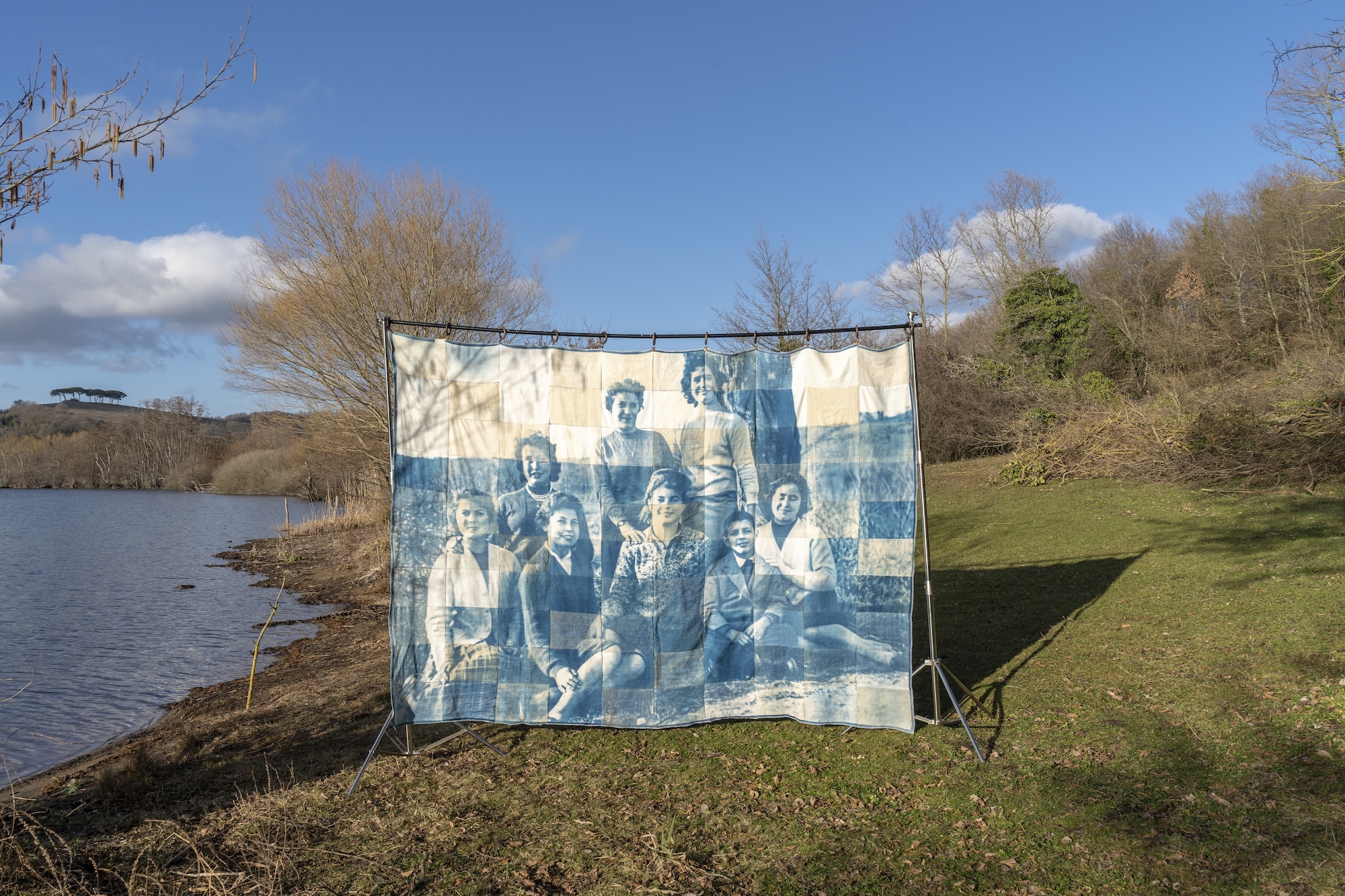
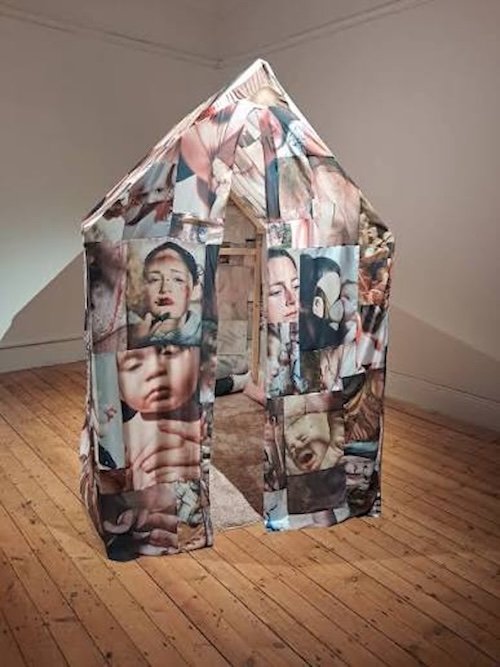
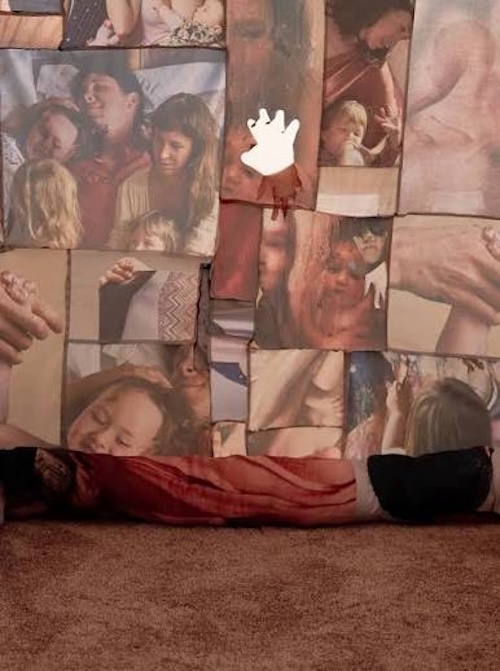
That concern with what photographs can and cannot tell us reappeared throughout the show. Daniele Cimaglia and Giuseppe Odore worked with the textile history of Latera, assembling donated family fabrics and cyanotypes into a collective archive, while Anie Maki’s Milk, Weight, Gravity traced difficult psychological histories through generations of a family. Rosa Lacavalla’s work moved between personal memory, migration and an imagined geographical line connecting rather than separating people.
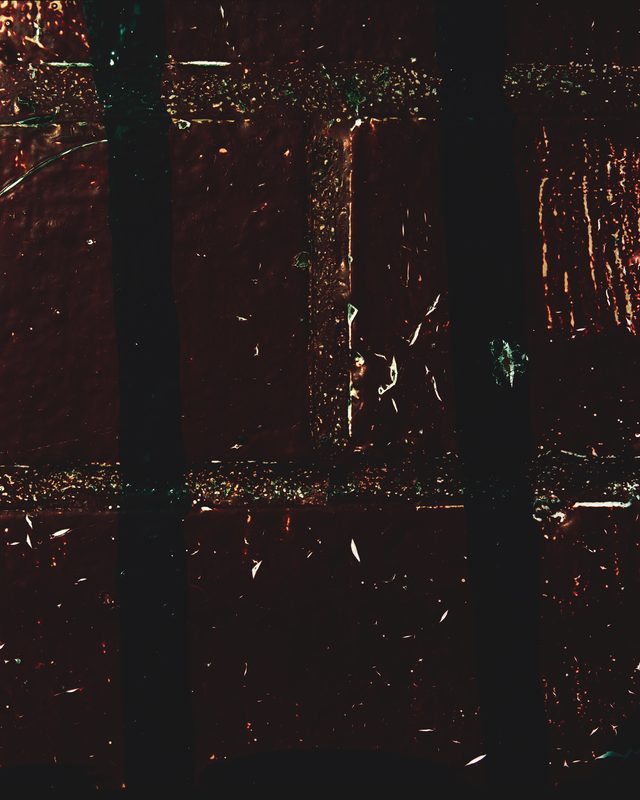
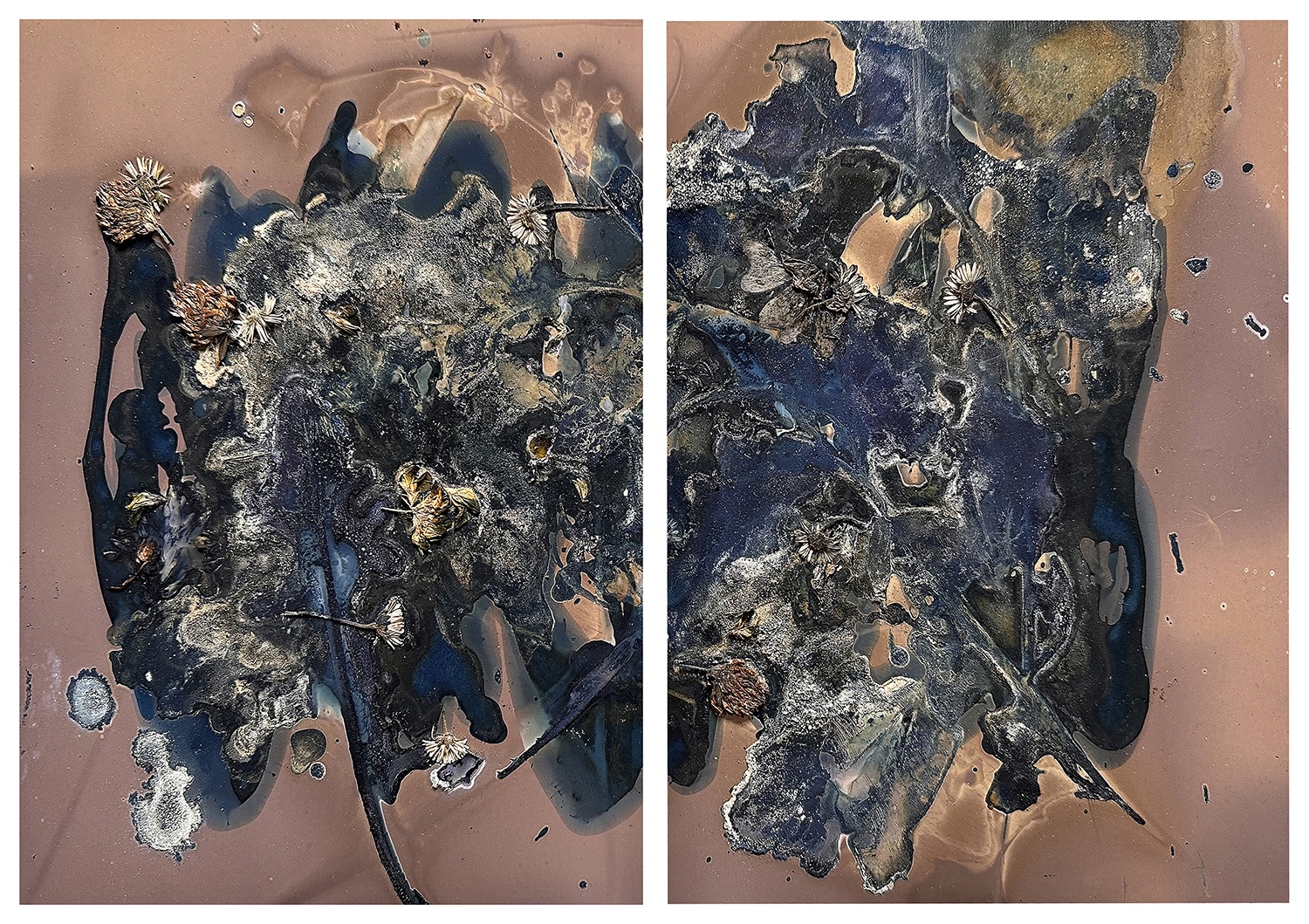
That environmental thread continues at Brighton Museum & Art Gallery with Aindreas Scholz’s And So I Watch You From Afar and The Most Beautiful Anthropocene, bringing together two bodies of work concerned with landscapes altered by human activity and the climate crisis. Scholz works with cameraless photography and alternative, ecologically sustainable processes, using coastal edges, vulnerable plant life and unstable landscapes to create what feels like a fragile record of environmental change. The installation itself takes on an almost island-like form, shaped by ideas of erosion, atmosphere, water and time, while the photographic chemistry is cleaned and reused through an ecological wet-room developed by the artist. It is a thoughtful extension of the questions running through Photo Fringe more broadly: not simply what photography can show us about environmental damage, but how the medium itself might respond to its own material footprint.
At Hove Museum of Creativity, Alma Haser’s Playing With Your Eyes takes a considerably lighter but no less inventive route. Haser folds, cuts and reconstructs photographs so that images push out from the flat surface into physical space. The exhibition deliberately blurs the distinction between photography and sculpture, asking the wonderfully simple question: what is real? It is also one of the Photoworks exhibitions that continues beyond the festival, running until 18 January 2027.

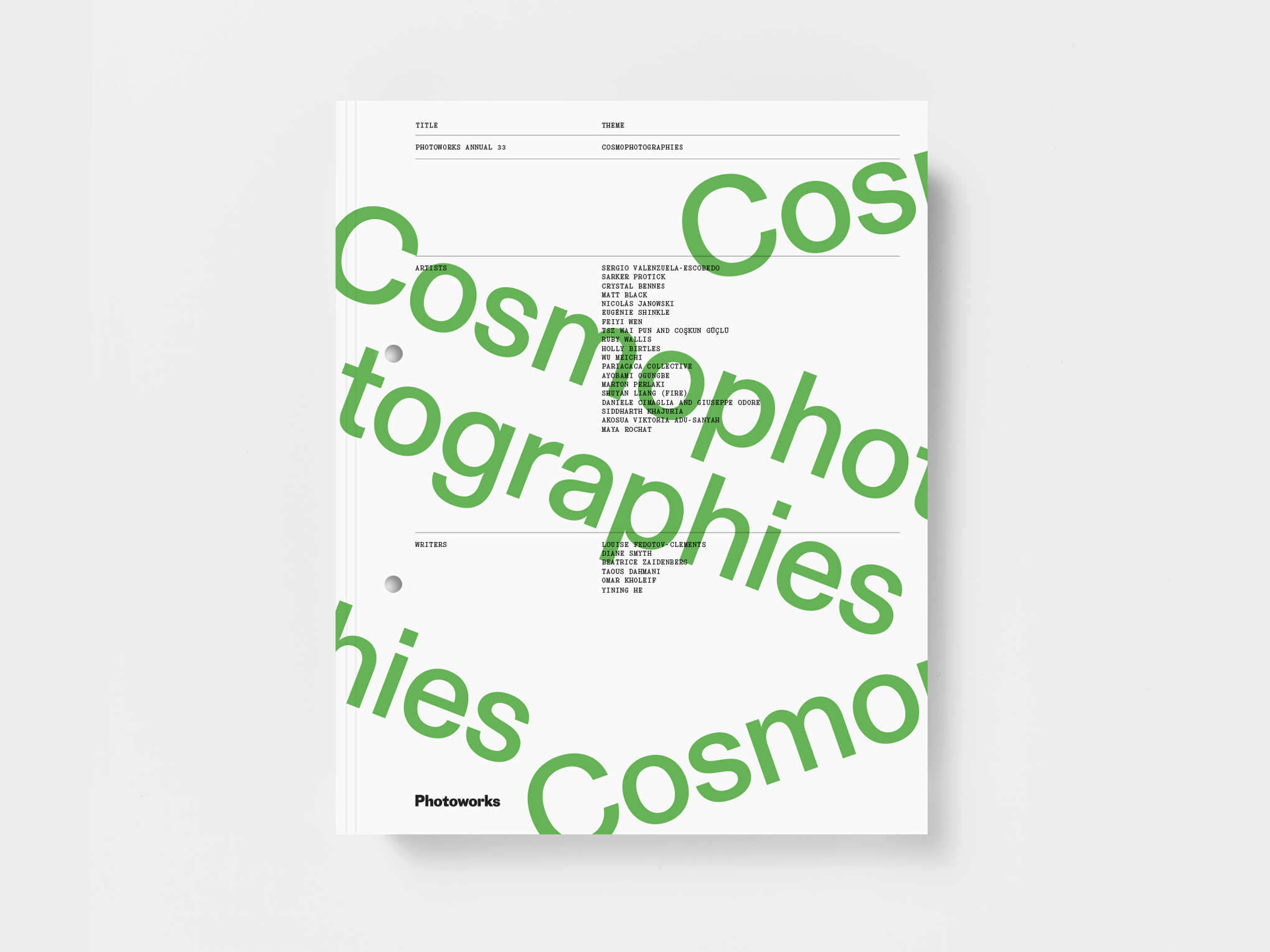
Running alongside the exhibitions is Cosmophotographies, the 2026 Photoworks Annual, edited by Diane Smyth. Taking philosopher Yuk Hui’s idea of cosmotechnics as a starting point, it asks a larger question about the camera itself. Technology is never neutral: it embodies the assumptions and systems of the cultures that produce it. If photography developed alongside a particular European modernity — and a particular relationship between humans, technology and the natural world — can artists use the camera to imagine something different?
That question connects much of what was happening across Brighton. From OPEN ECO’s images of environmental change to Radicioli’s reconstruction of an incomplete family history and Haser physically breaking apart the photographic surface, photography here was rarely treated simply as a way of recording what is in front of us.
Instead, both Photo Fringe and Photoworks seemed interested in what happens next: what an image makes us remember, question, reconstruct or imagine. In that sense, FEEDBACK LOOP is a useful description of more than one festival. We look at photographs, but photographs also change the way we look back at the world.
All the exhibitions for Photo Fringe (which has been taking place along the South Coast of the UK) can be viewed HERE
Until the end of the year.
Alma Haser Playing With Your Eyes, 2nd October 2026 to 18th January 2027, HOVE MUSEUM
Free admission. Presented by Photoworks Festival – Un/Stable: Lands, Anxieties, Dreams.
Aindreas Scholz And So I Watch You From Afar and The Most Beautiful Anthropocene, 2nd October 2026 to 18th January 2027, Brighton Museum & Art Gallery