There is plenty at MK Gallery for anyone who wants the Lowry they already know: factories, crowds, streets, football grounds and those instantly recognisable figures moving through the industrial North. But L.S. Lowry: The Theatre of Life becomes much more interesting when it starts to dismantle that familiar picture and reveals an artist who was stranger, more psychologically complex and, at times, considerably more modern than his reputation suggests.
The exhibition brings together more than 140 paintings and drawings, including 68 works from The Lowry in Salford alongside loans from Tate, the Royal Academy, the Government Art Collection and private collections. It is the first major Lowry exhibition in more than 13 years and deliberately pushes beyond the industrial scenes that have come to define him.
One of those familiar paintings is Lancashire Fair: Good Friday, Daisy Nook (1946), a wonderful mass of people spilling across the landscape. It has also had an extraordinary second life in politics. The Government Art Collection painting has hung in 10 Downing Street under every prime minister since Harold Wilson apart from Tony Blair, and current Prime Minister Andy Burnham has already requested that it return to No.10 after the MK Gallery exhibition closes.
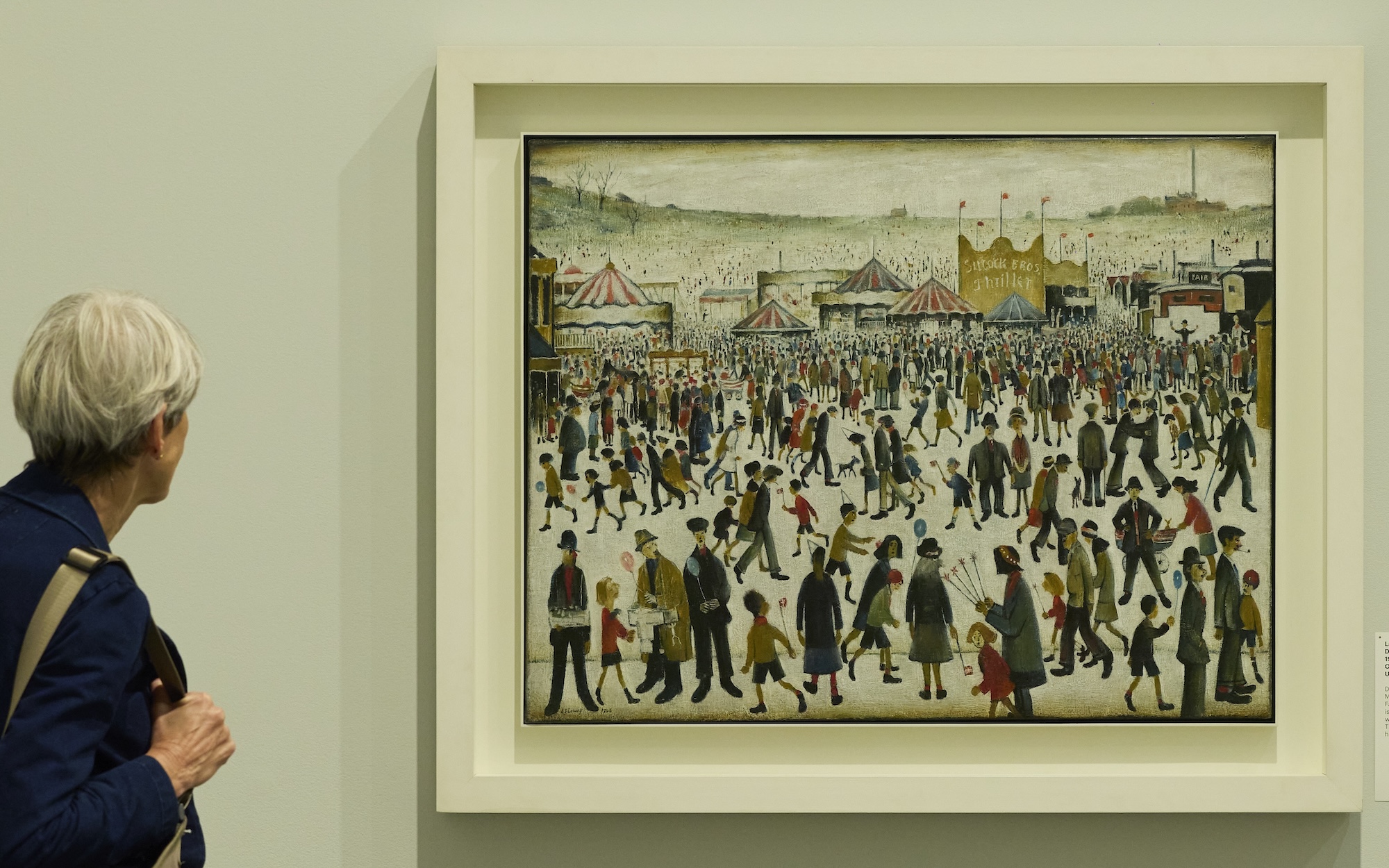
It is a reminder of just how firmly Lowry has entered the British visual imagination. The matchstick crowds, industrial landscapes and smoky chimneys have almost become shorthand for an entire idea of the North. The Theatre of Life, however, repeatedly shows how inadequate that shorthand is.
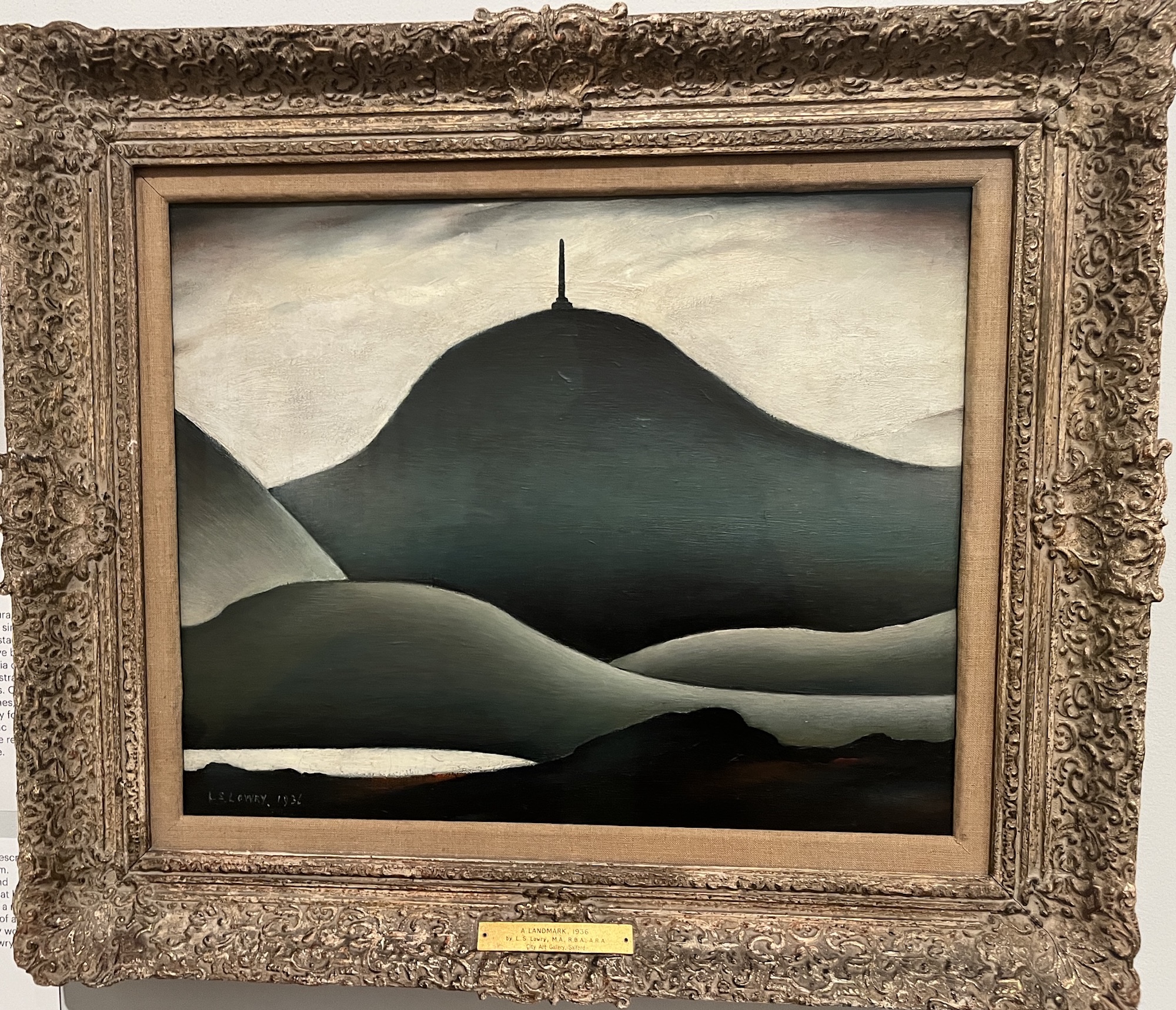
A Landmark (1936) stopped me almost immediately. Perhaps it is because the recent Magritte exhibition at Gagosian is still pinging around my head, but there is something distinctly surreal about it: simplified landscape, strange monument, empty space, forms that seem familiar but somehow wrong. The catalogue notes that Lowry’s landscapes were sometimes described as bordering on surrealism and records his own joke about wanting to put a mill chimney in the middle of a lake landscape, only to decide people would call him “Salvador Lowry”.
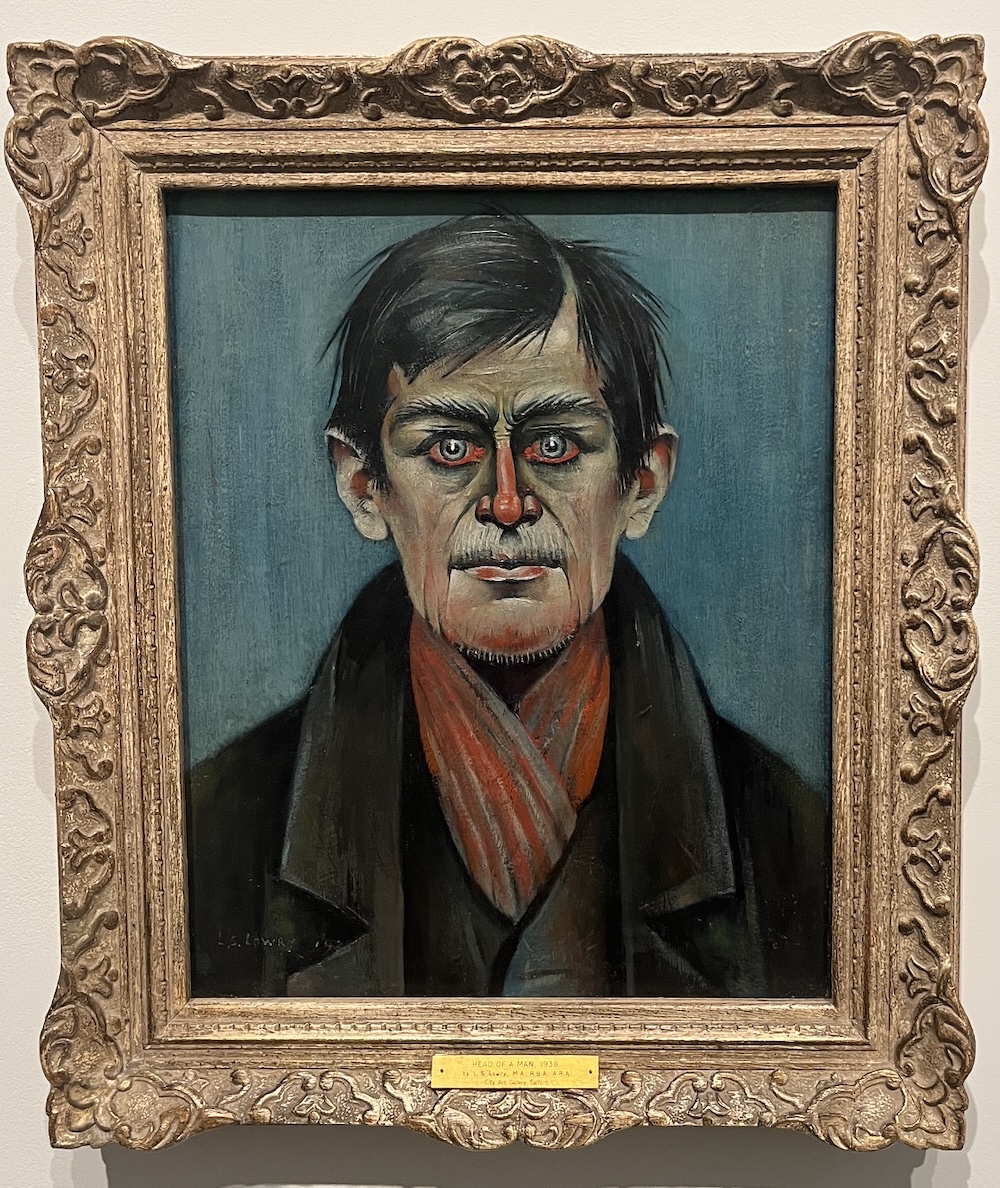
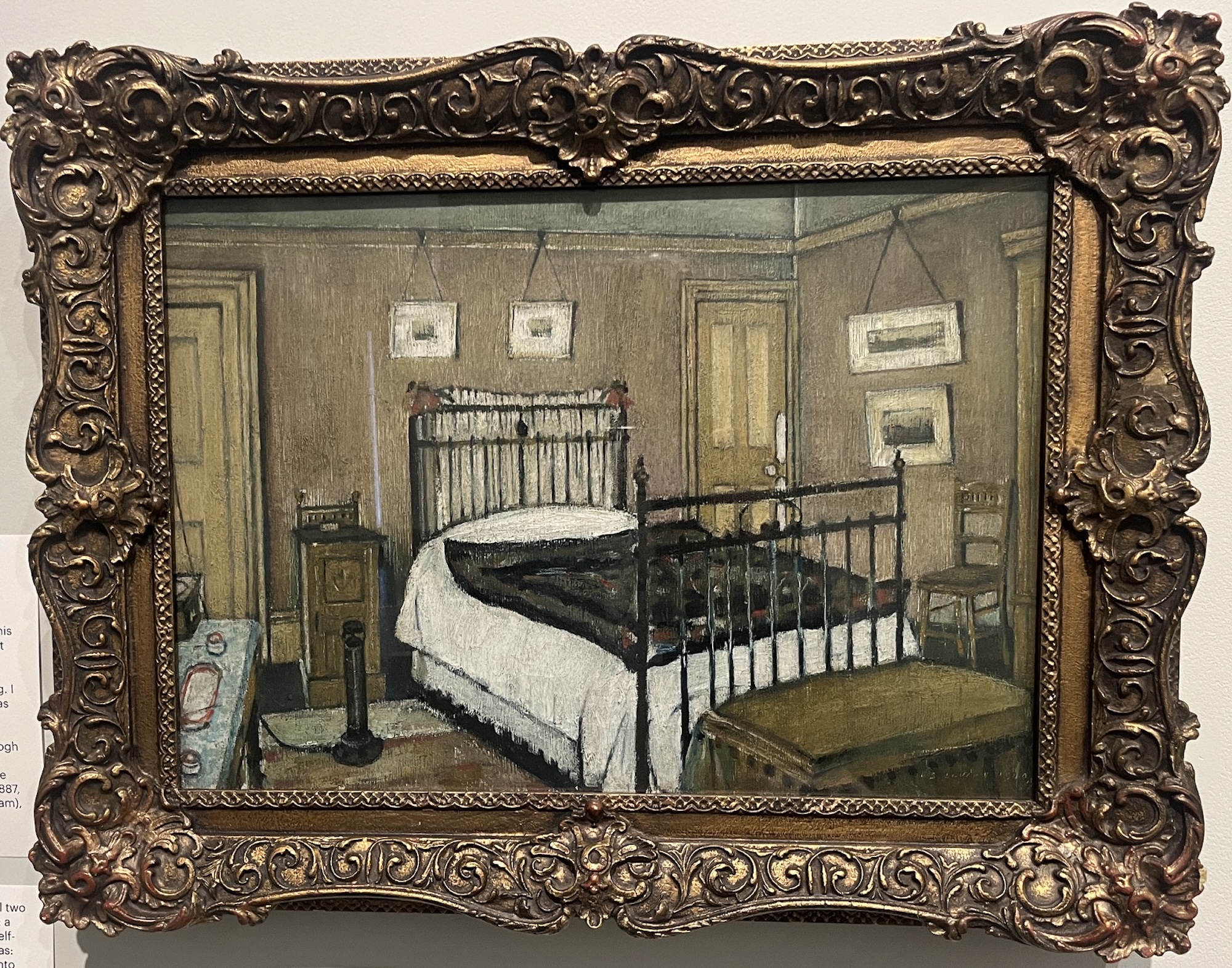
That painting also opens the door to a much more emotional Lowry. His mother died in 1939 after years in which he had cared for her while continuing to work and paint. Head of a Man (1938, ‘Top Image’), made during this period, is a disturbing, psychologically loaded image. Lowry later said it began as a self-portrait before he transformed it into something grotesque, and admitted that the painting frightened him too. The Bedroom, Pendlebury (1940), painted the following year after his mother’s death, goes further still. It shows her empty bedroom, which Lowry had kept locked, and carries an extraordinary stillness. These aren’t observations of other people’s lives from across a street; they are paintings shaped by stress, loneliness and mourning.
Then there is the sea.
The Sea and particularly Seascape (1952) feel almost like the work of a different artist. There are no crowds, no factories and almost nothing happening at all. Just sea, horizon and pale sky. Seascape is one of my favourite works in the exhibition: calm, minimal and almost Japanese in its economy. It has the meditative quality of looking at something for so long that the subject begins to disappear.
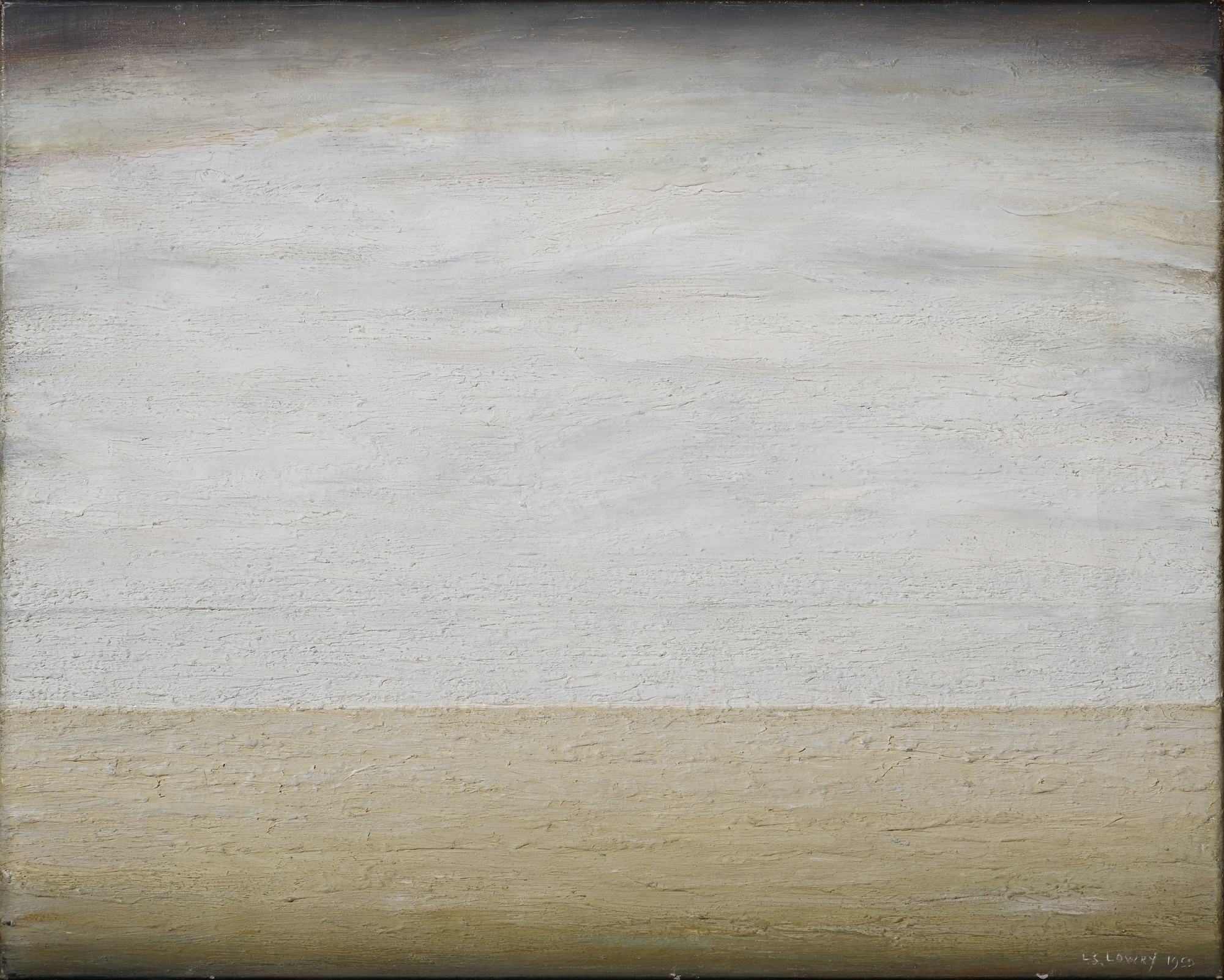
Lowry himself thought highly of it. When a Salford councillor objected to the museum buying Seascape because it contained neither pebble, wave nor cloud, Lowry replied that he never expected it to be popular but considered it “one of the best things I’ve ever done”. Maggi Hambling, writing in the exhibition catalogue, connects Lowry’s almost white-on-white seas to ideas of the sublime and even to the reductive work of artists including Robert Ryman and Agnes Martin. It is a long way from the idea of Lowry as simply the painter of industrial Lancashire.
Lake Landscape (1950) has a similar quiet power. Its rounded hills and almost absent eventfulness make emptiness itself the subject. John Betjeman wrote that Lowry’s loneliness did not make one shiver but instead “exults in the vastness of our surroundings”. That seems exactly right here.
And then we meet Ann.
Or perhaps we don’t.
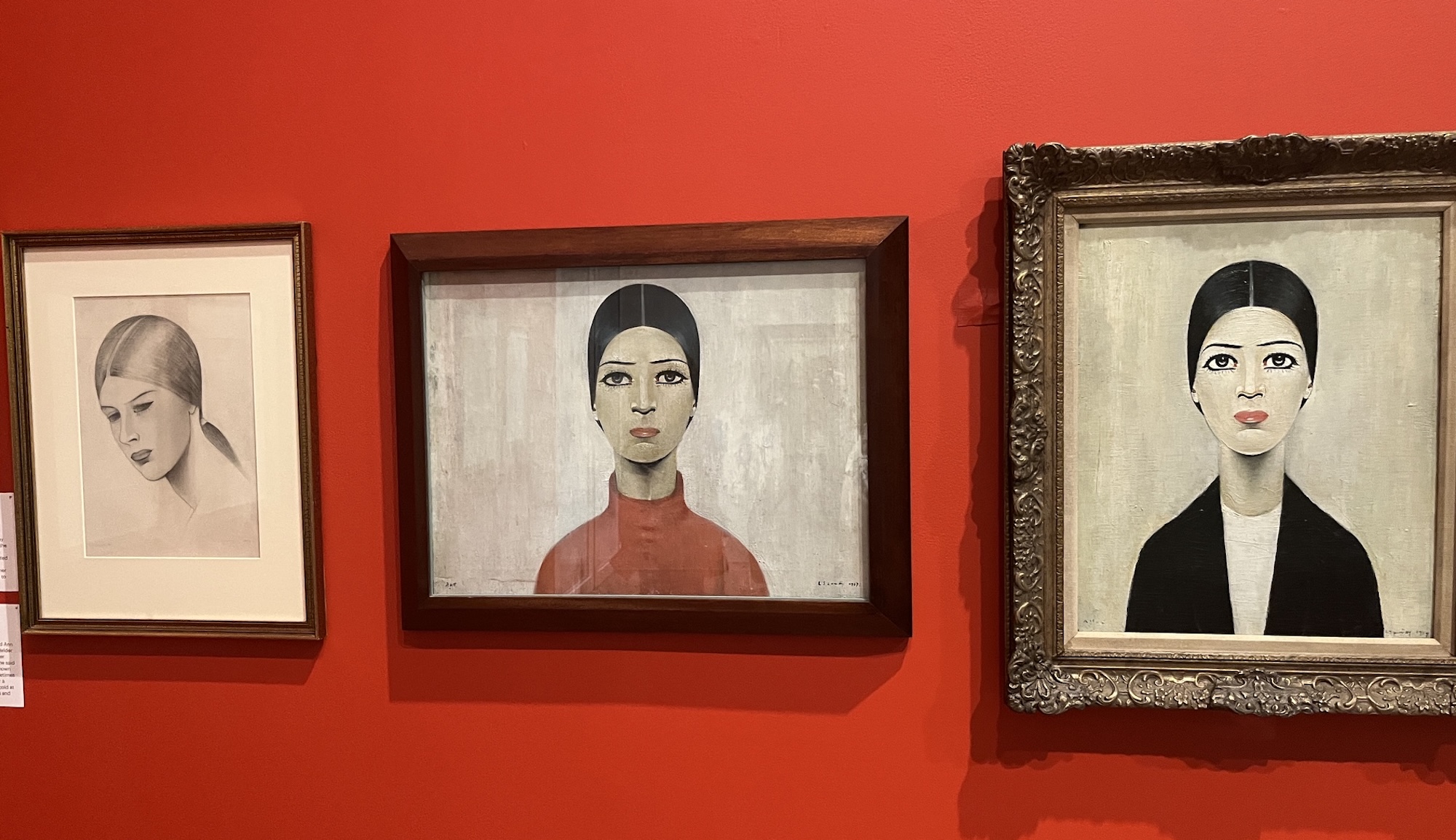
Lowry painted and drew her repeatedly, yet nobody seems to know with certainty who she was — or whether she existed at all. He variously described Ann as a goddaughter, dancer, pianist or tennis player and gave different versions of her history to friends. No convincing trace of “Ann Hilder” or “Ann Helder” has ever been found. The exhibition catalogue suggests that she may instead have been an imagined ideal woman, partly shaped by Lowry’s fascination with Dante Gabriel Rossetti and his portraits of Jane Morris.
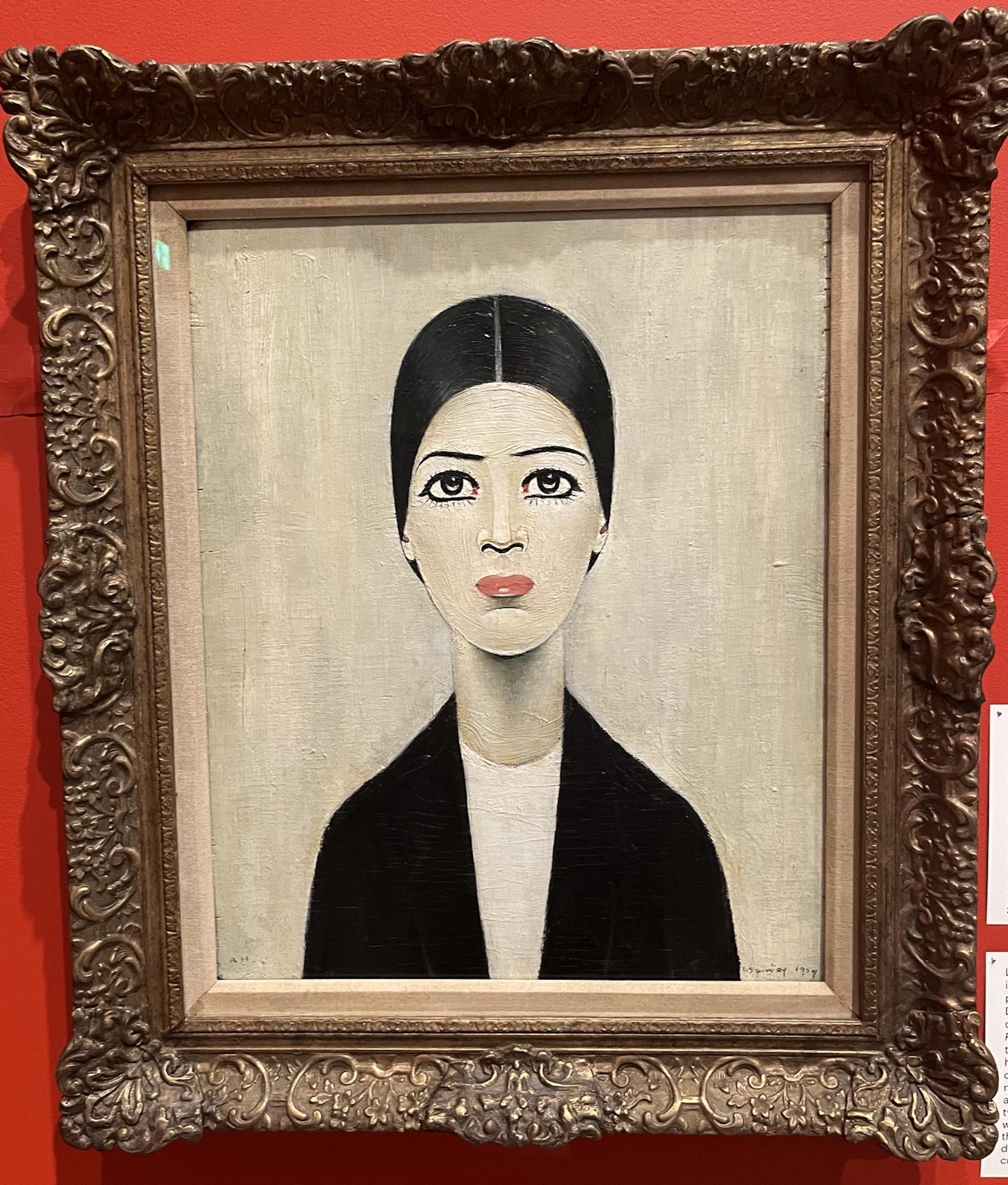
It is easy to see why MK Gallery has gone big on Ann in the shop. She is beautiful, mysterious and completely complicates the usual image of Lowry as the solitary bachelor with no romantic life. Whether Ann was a real woman, a memory, an invention or an accumulation of different women almost becomes secondary. She clearly occupied a significant space in his imagination.
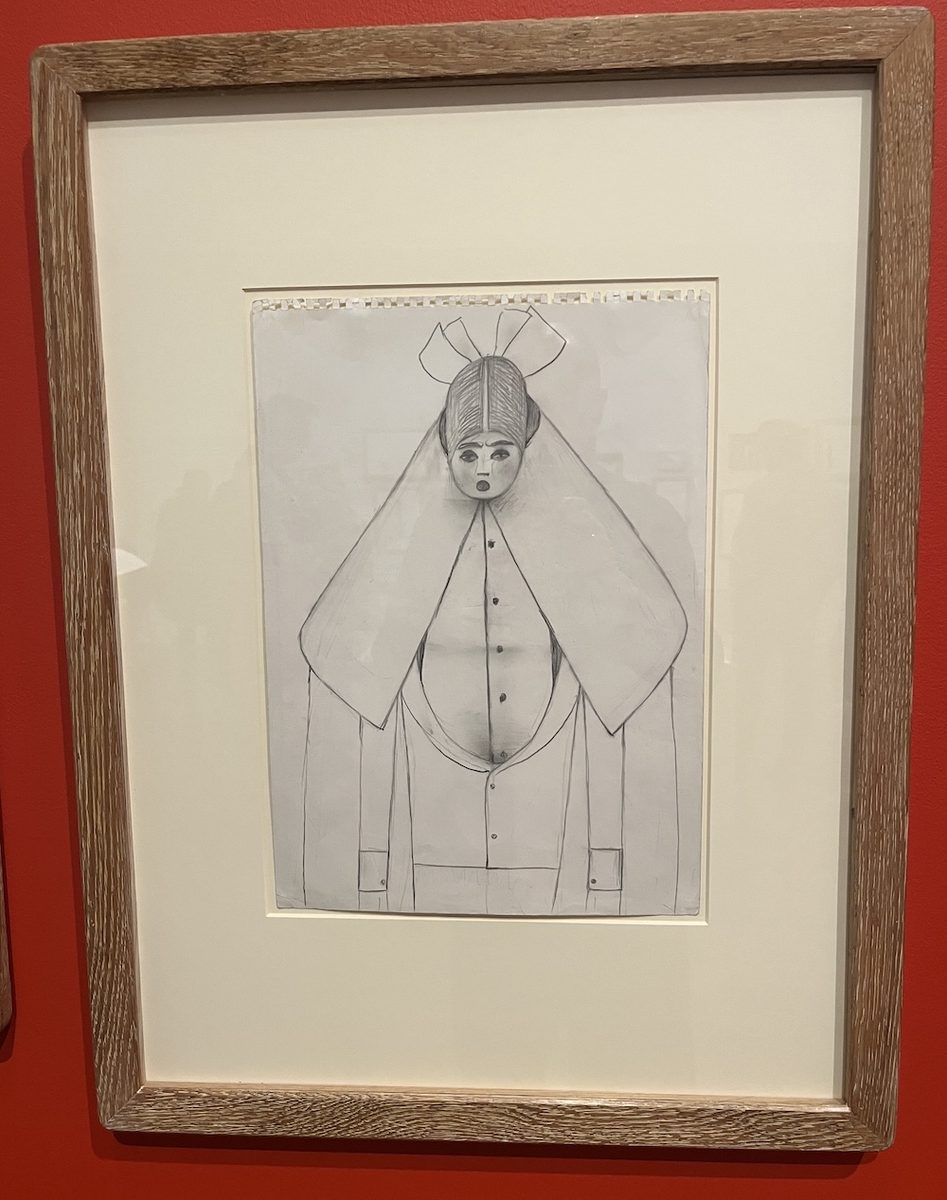
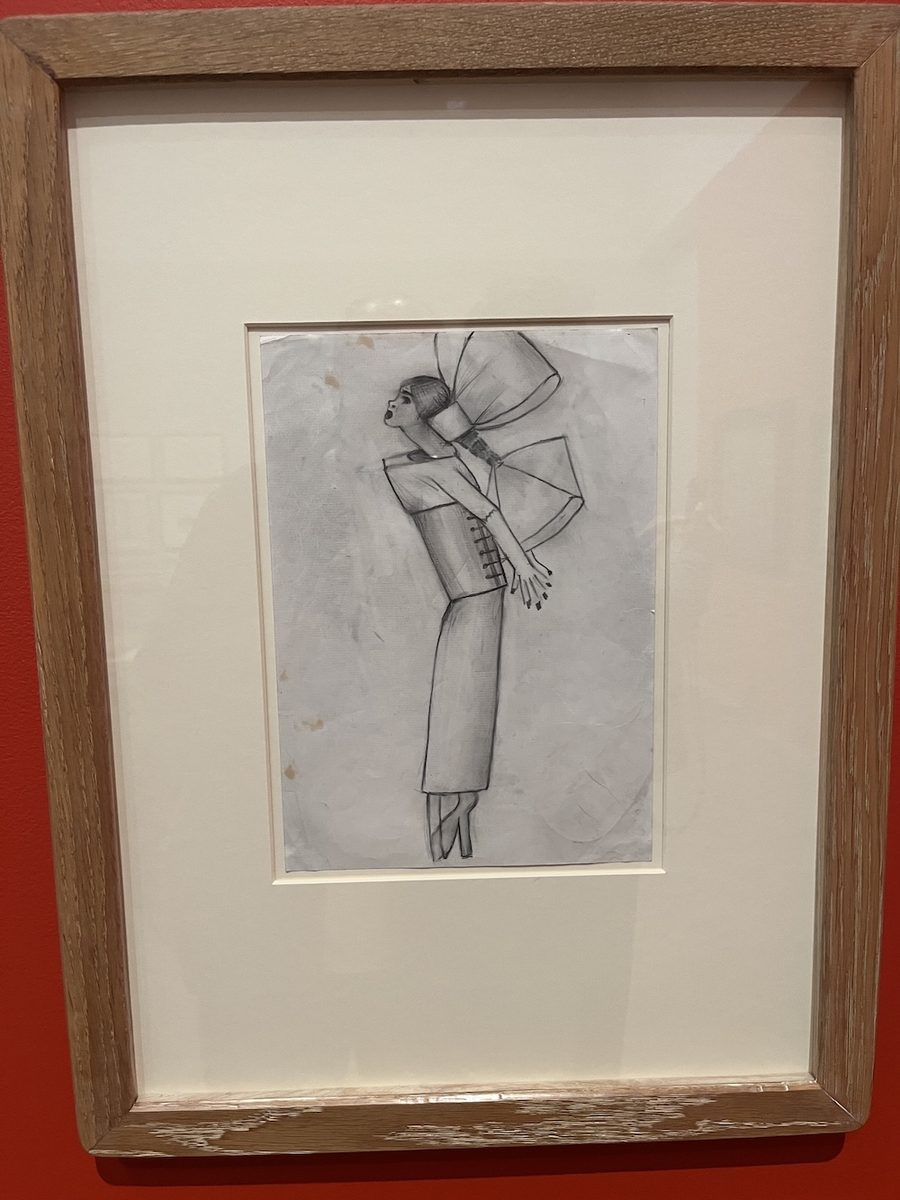
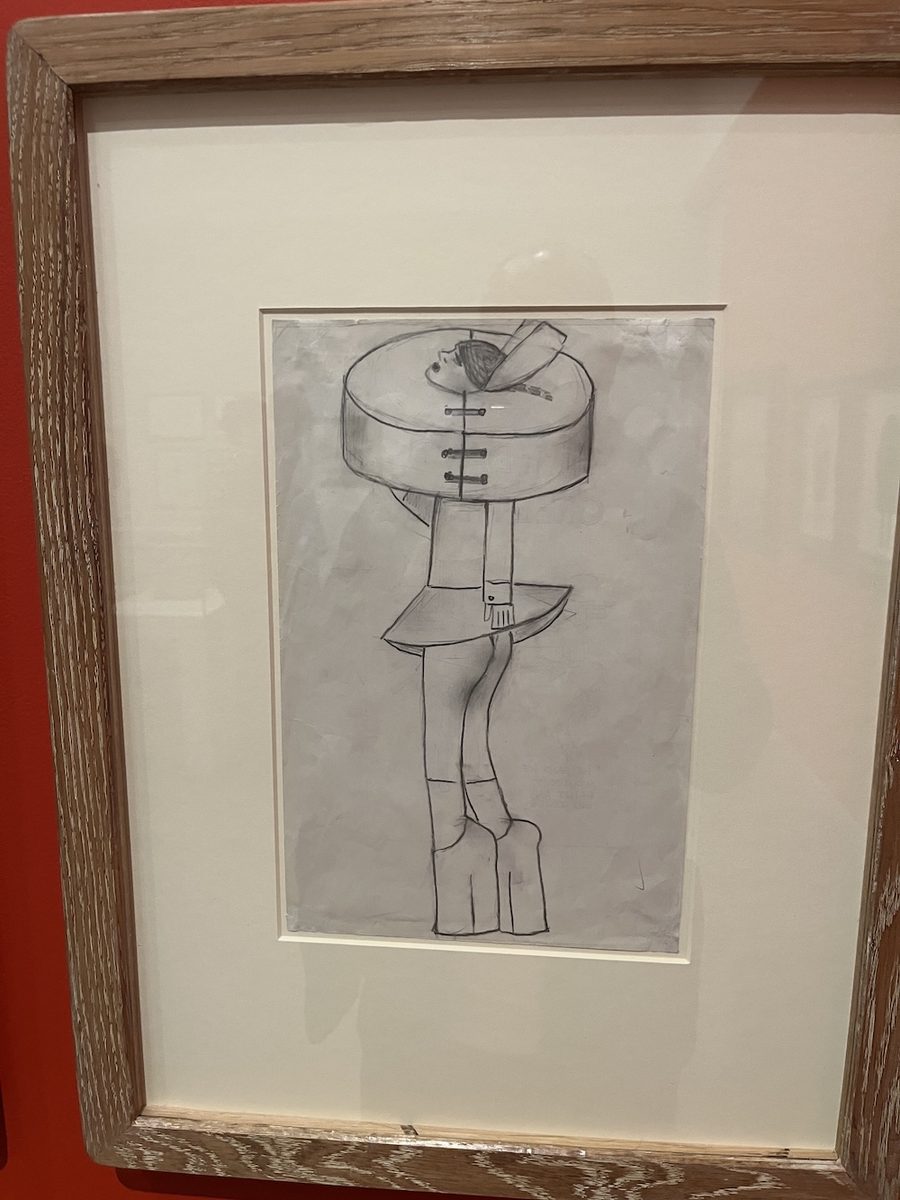
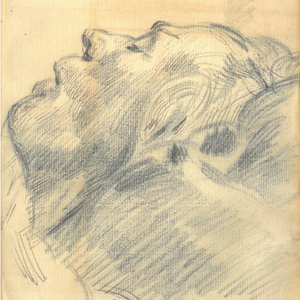
That space becomes stranger again in the late drawings of women: Girl with Bow, Girl with Bows, Girl in Bows with High Heels and others. Their elongated bodies, constricted waists, exaggerated bows and sharply constructed silhouettes unexpectedly brought fashion to mind — Pierre Cardin crossed with something Japanese, theatrical and slightly fetishistic. These so-called mannequin drawings were kept hidden during Lowry’s lifetime and discovered after his death. Paula Rego saw them as far darker than erotic: tightly bound, controlled and even violent. The catalogue also connects them to Coppélia, one of Lowry’s favourite ballets, with its mechanical female doll brought apparently to life.
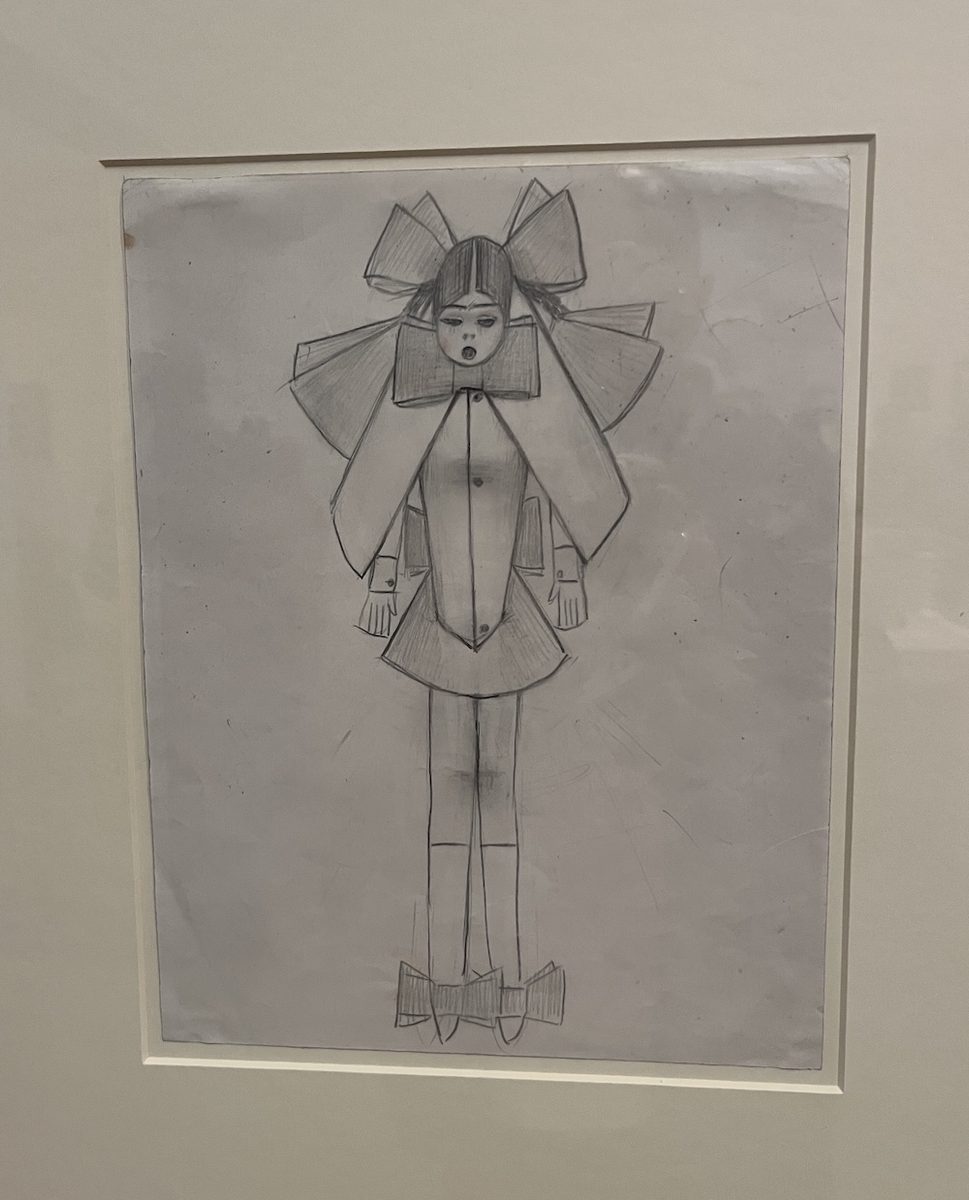
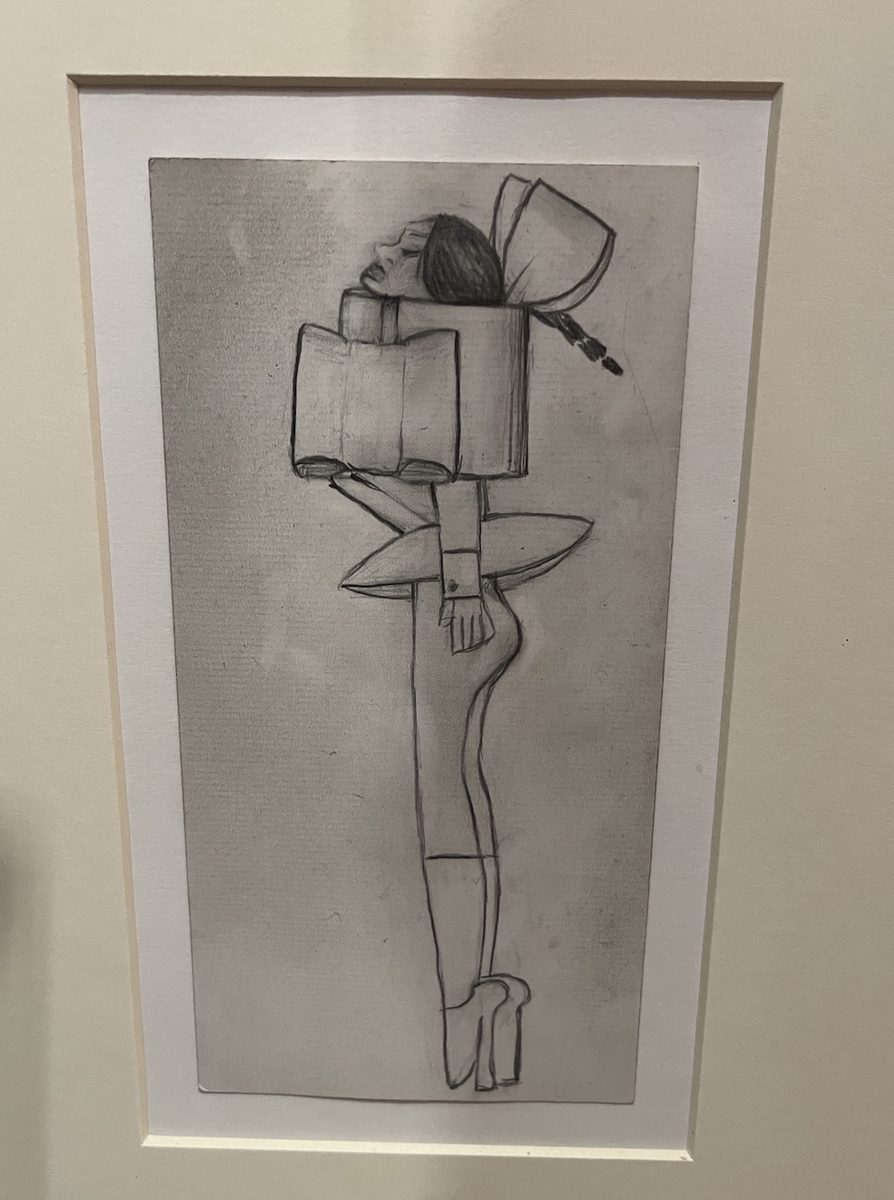
They are some of the works that most forcefully overturn the comfortable popular Lowry. This is not social realism but fantasy, sexuality, control, theatre and imagination.
And finally, football.
A Football Match (1932) is on public display for the first time in almost 85 years. Unlike many of Lowry’s football paintings, which focus on crowds travelling to or from grounds, here the game itself takes centre stage, with the ball sitting almost dead centre in the composition. The painting was exhibited at the Salon des Artistes Français in Paris in the year it was made — another useful reminder that Lowry’s ambitions and interests extended considerably further than the provincial outsider mythology built around him.
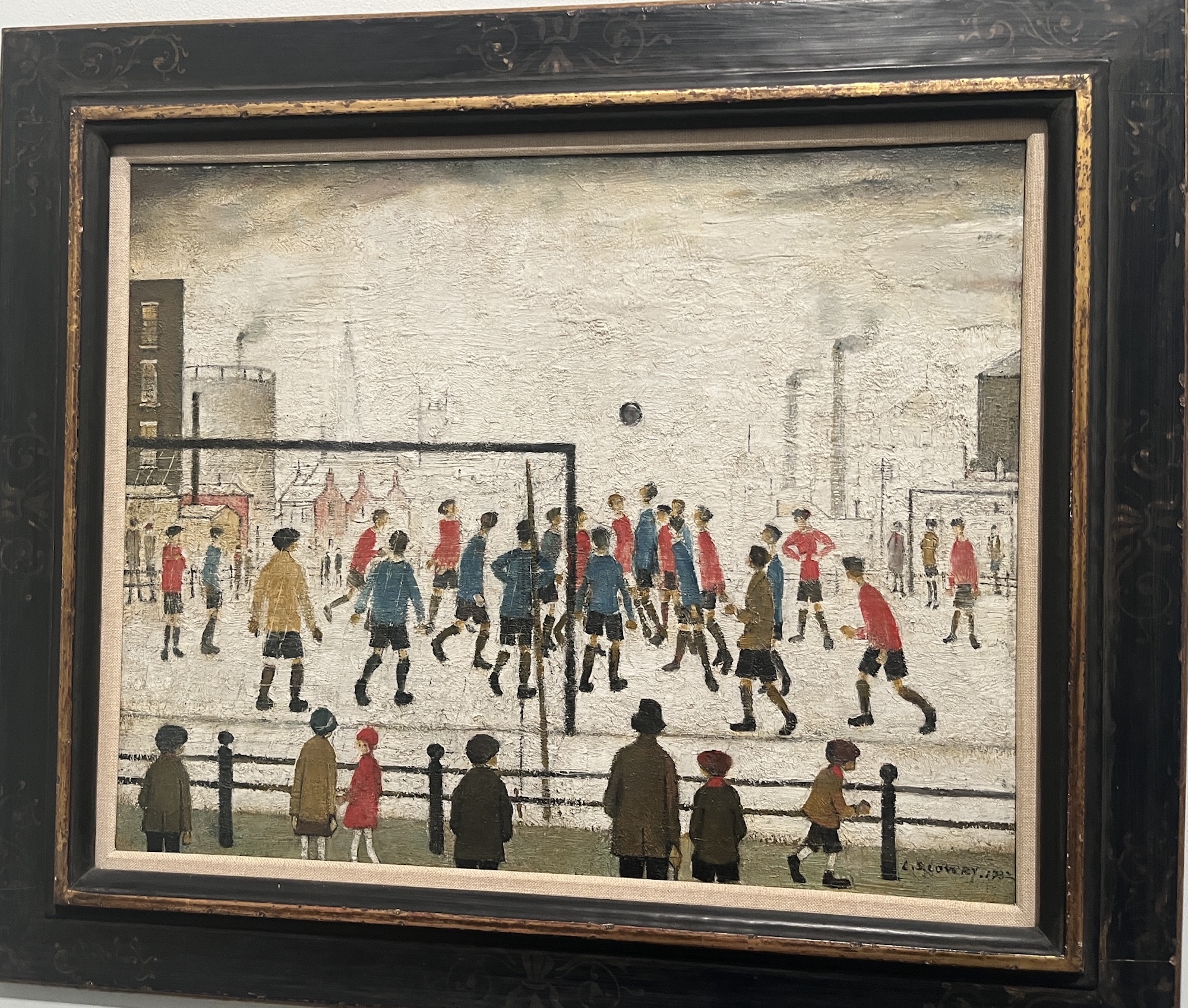
Lowry was a lifelong Manchester City supporter and regularly attended matches. Given the club’s recent guilty verdict over serious breaches of Premier League financial rules — which City is appealing — I couldn’t help thinking that perhaps A Football Match would currently be a slightly more provocative choice for Andy Burnham than Lancashire Fair.
There are, of course, enough mills, streets, crowds and industrial landscapes here to satisfy anyone coming for classic Lowry. But that is not really why The Theatre of Life matters. Its strength lies in allowing those familiar pictures to sit beside the empty seas, psychological portraits, invented women, surreal landscapes and strange late drawings.
Lowry remains immediately recognisable, which is both his great achievement and something of a trap. MK Gallery succeeds because it loosens that recognition. You arrive knowing exactly what a Lowry looks like and leave considerably less certain — which, fifty years after his death, is probably the best thing an exhibition of his work could do.
L.S. Lowry: The Theatre of Life, 24th October 2026–28th February 2027, MK Gallery, Milton Keynes