Tate has received a major gift of 50 works by artists working in India during the 18th and 19th centuries, significantly expanding the national collection’s representation of Anglo-Indian art and the complex cultural exchanges produced under British colonial rule.
The collection has been donated by Charles Greig, the art historian and scholar of British India, who assembled it over more than four decades. The gift has been made outright, without the use of tax incentives, with the intention that the works remain publicly accessible. Comprising oil paintings, watercolours and miniatures, the collection traces the networks of artists and patrons that shaped visual culture in South Asia during a period of major political, social and cultural change.
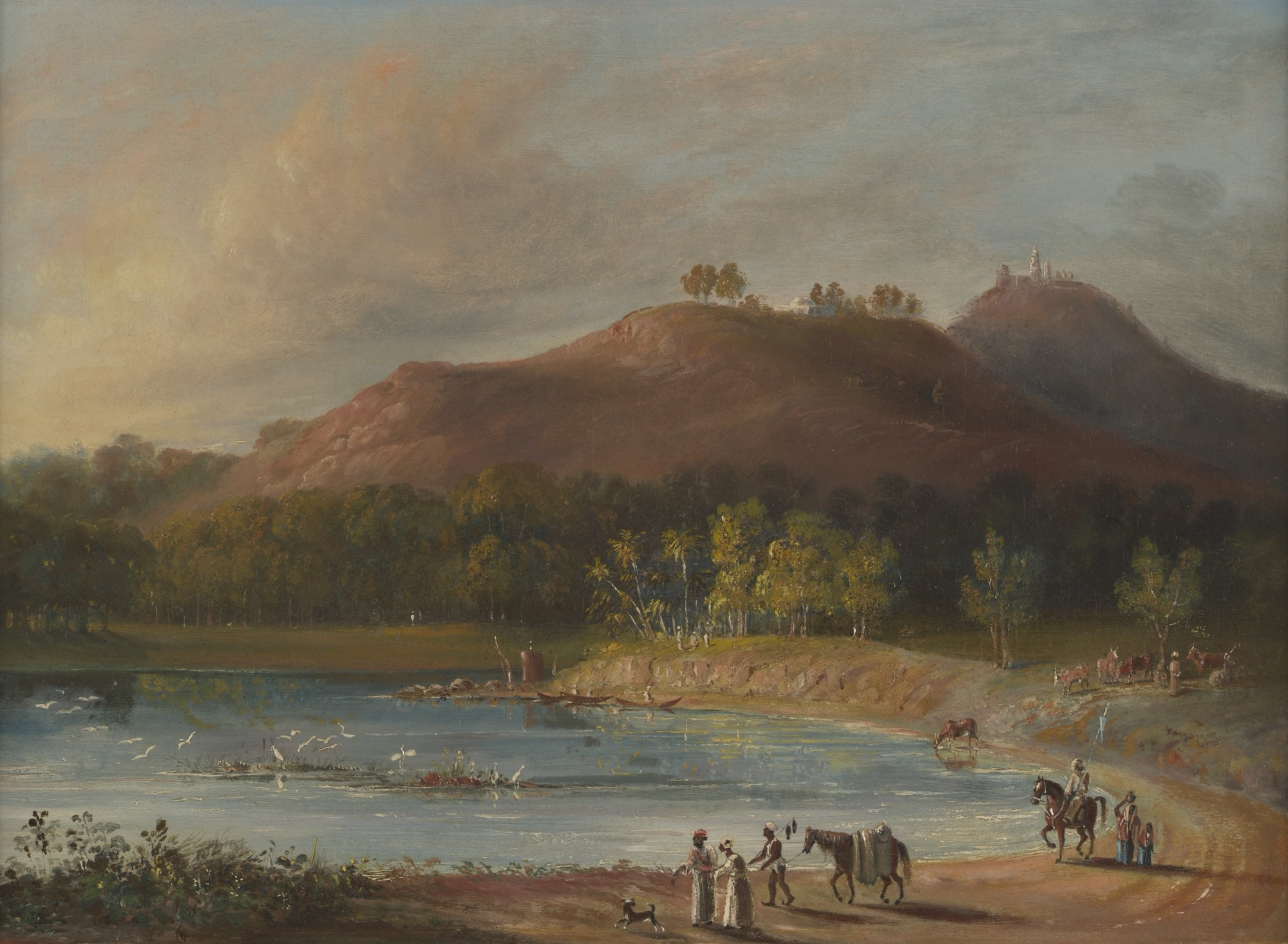
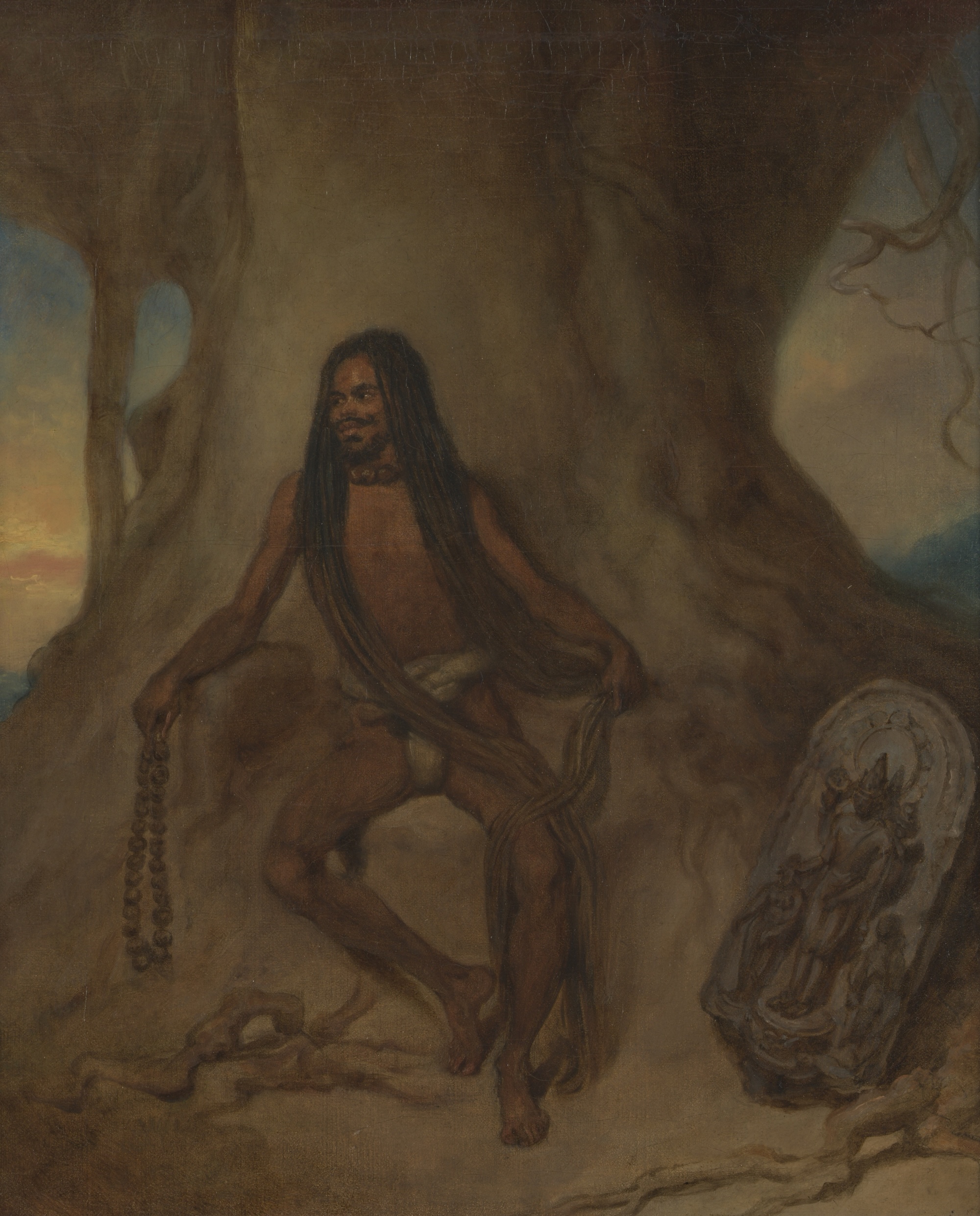
It includes work by important Indian artists such as Sita Ram and Ghulam Ali Khan, alongside European artists who built careers in India, including Johan Zoffany and Rudolf Swoboda, as well as British landscape painters William Hodges, Thomas Daniell and William Daniell. Together, the works reveal the intertwined artistic, social and political relationships between Britain and India during the expansion of the British East India Company and the wider colonial period.
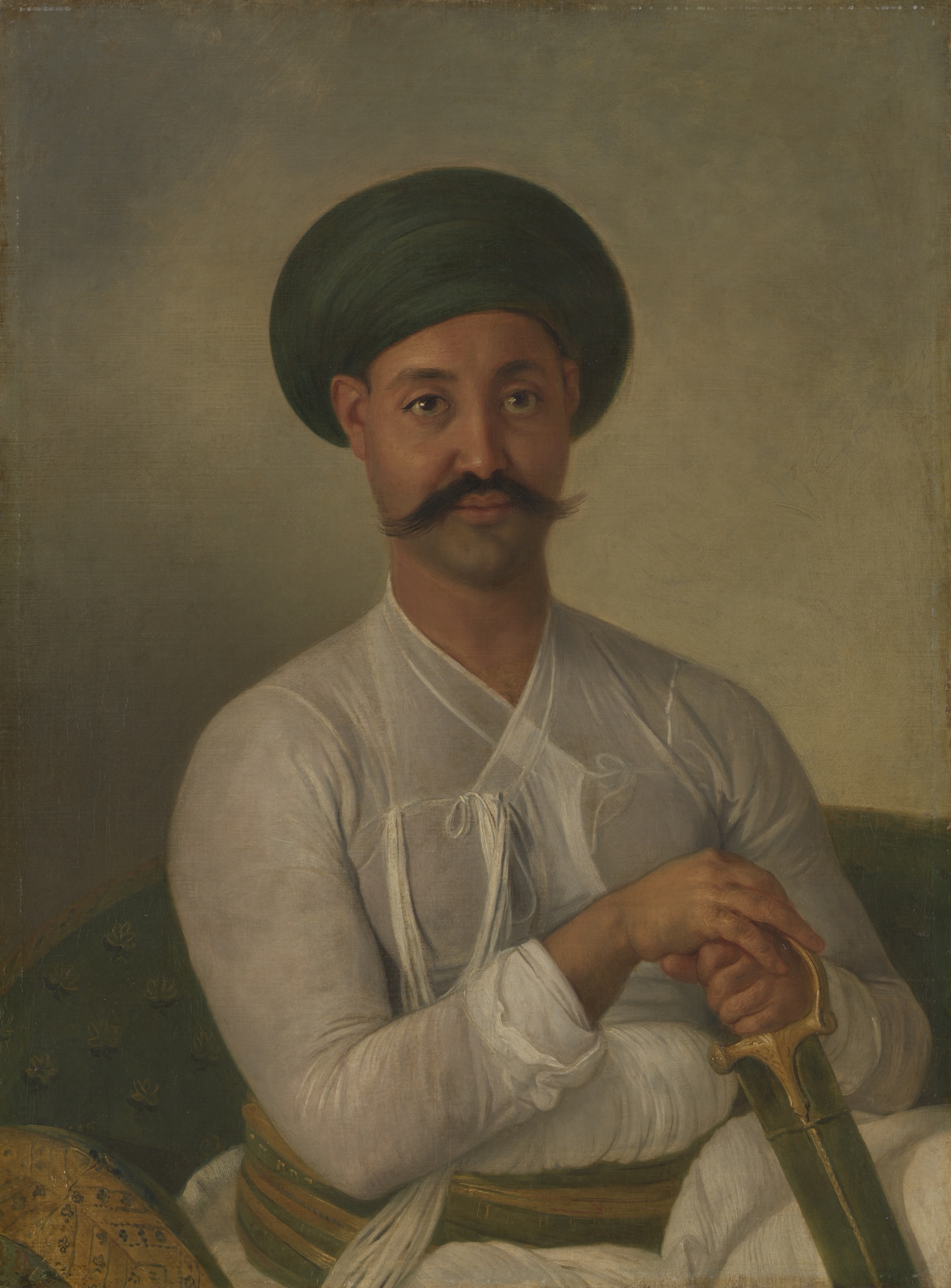
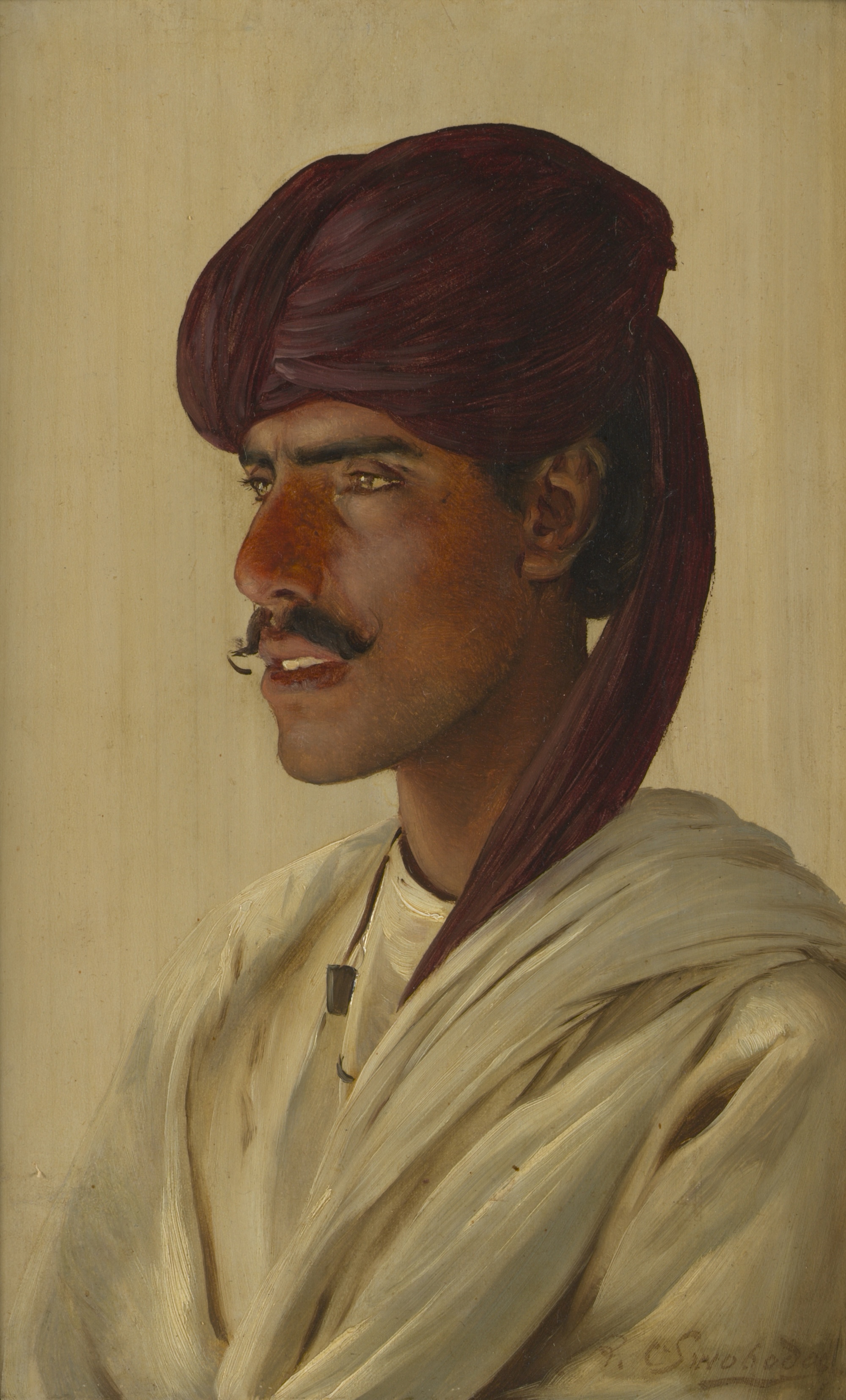
Among the collection’s highlights is Johan Zoffany’s Portrait of Prince Jawan Bakht (also known as Jahandar Shah) (1784). The painting will become one of only three portraits of individual Indian sitters by Zoffany held in UK public collections. Zoffany travelled to India in 1783 after establishing his reputation in Britain, and the portrait captures a moment when artistic exchange was unfolding alongside the increasing power of the East India Company. Also entering Tate is Rudolf Swoboda’s Sepoy in HH Maharaja Srinagar’s Indian Regiment, 23 Years Old (c.1886), the first work by Swoboda to enter a British museum collection. Painted for Queen Victoria and later exhibited at the Empire of India Exhibition in London in 1895, the portrait offers a rare record of life under British rule.
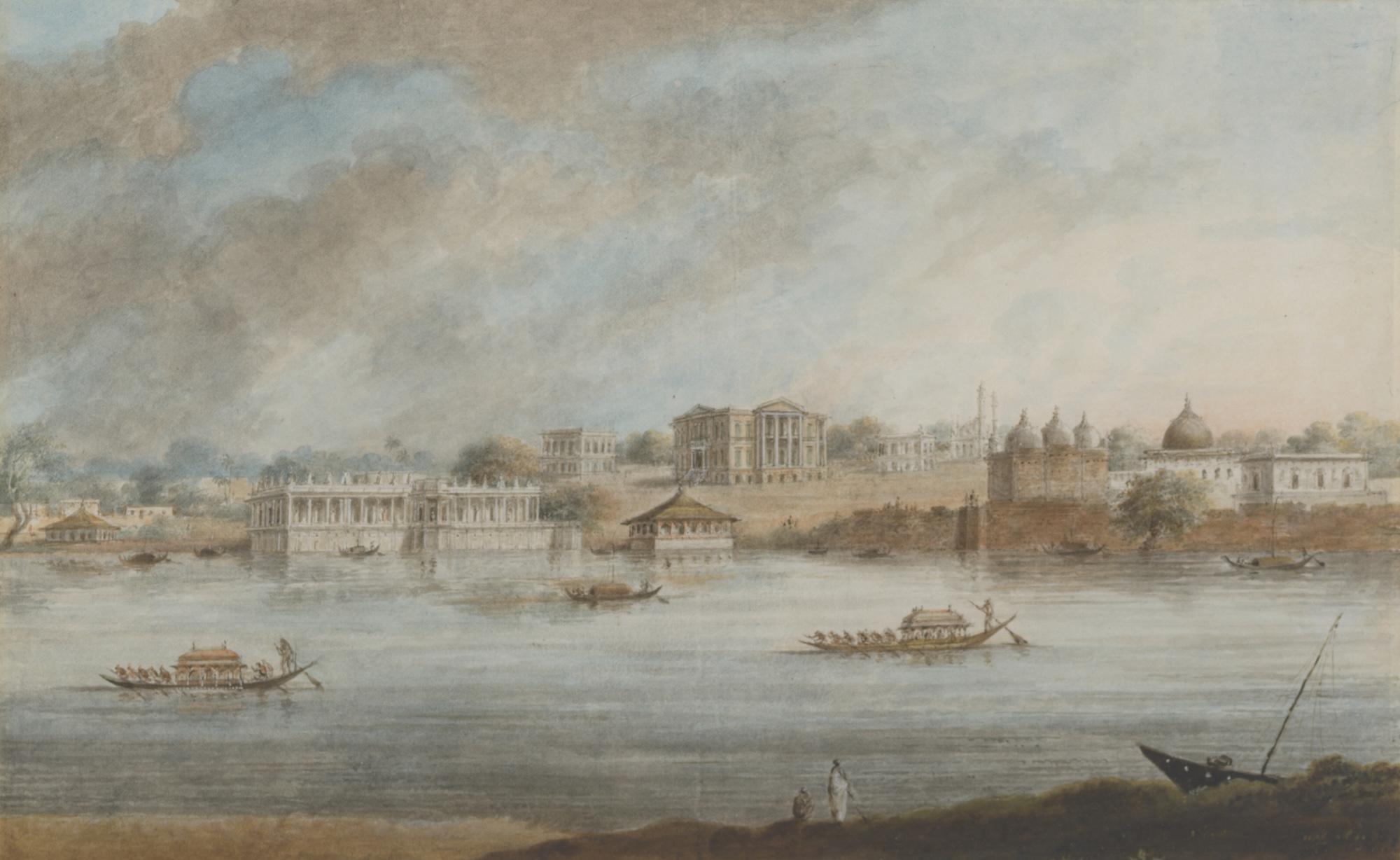
Three watercolours by Sita Ram are another major part of the gift. Working in the late Mughal period, Sita Ram developed a visual language that combined long-established Indian traditions with European approaches to perspective and landscape, responding to a new market created by British patrons. These works will introduce so-called Company paintings into Tate’s collection for the first time, foregrounding the role Indian artists played in shaping the visual culture of the period.
The public will first be able to see works from the gift in 2028, when Tate Britain opens a dedicated free display devoted to the collection.
Alex Farquharson, Director, Tate Britain, said:
“As home to the world’s greatest collection of British art, Tate is always looking to tell new and different stories about Britain’s role in international art history. This exceptional gift will significantly strengthen our holdings of art produced in the British Empire and broaden the range of people and histories represented in the national collection. The depth of scholarship and coherence that characterise this collection are a testament to Charles Greig’s expertise and his long-term commitment to bring these works together and understand them in their wider contexts. We are enormously grateful to him for creating such a transformative collection of museum-quality artworks, and for enabling us to share it with the public now and into the future.”
Charles Greig said:
“This collection of Anglo-Indian paintings and Company paintings was put together over 45 years. Throughout that time my focus was exploring the deep and intricate relationship between Britain and the Indian subcontinent through the entwined complexities of the artistic encounter. Most of the works were made in the vanished world before photography and they provide us with a visual record of our rich shared history from about 1770. Assembling this collection has been my life’s primary passion, but at no stage did I ever see myself as other than a temporary steward. Because these works encompass a unique cross-cultural discourse, it seems to me vital that they are preserved intact to be enjoyed and studied by all mankind. A collection built on a life of study deserves to be universally accessible and I am profoundly happy to see these works find a permanent home at Tate.”
The gift gives Tate the opportunity to tell a more expansive story about British art — one shaped not only within Britain, but through the movement of artists, patrons, styles and power across the colonial world.
About Charles Greig
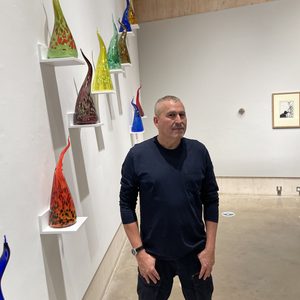
Charles Greig (b. 1955, London) is an art historian, independent art consultant and scholar specialising in paintings of the Indian subcontinent by 18th and 19th century European and Company School artists. Greig graduated from the University of Exeter in 1976 and has worked extensively across the UK and India. In the early 1990s, he served as Art Historical Adviser to the Calcutta Tercentenary Trust, where he surveyed and catalogued the collection of the Victoria Memorial, Calcutta. For more than a decade he has served on the Executive Committee of the British Association for Cemeteries in South Asia (BACSA), including five years as Treasurer, and has advised on the restoration and preservation of historic cemeteries across the subcontinent. His scholarly work has contributed to a number of major publications, including William Hodges R.A. 1744–1797: The Art of Exploration (Yale University Press, 2004), ‘Portraits of Princely India, 1700 –1947’ (Marg, Vol. 59, 2008), Johan Zoffany R.A.: Society Observed(Yale University Press, 2012), and The Estate of Major General Claude Martin at Lucknow: An Indian Inventory(Cambridge University Press, 2020). Greig has also served as an expert adviser to the Reviewing Committee on the Export of Works of Art and Objects of Cultural Interest and has prepared expert reports for the Acceptance in Lieu Panel of Arts Council Engla nd. He acts as an art -historical adviser to several major private British and Indian art collections and most recently, Greig appeared as an expert on BBC One’s Fake or Fortune? Series 14, in the episode A Passage to India, broadcast on 23 July 2026.