Some traces, even when covered over, never truly disappear.
Presented at Galerie SEE in Paris’s Marais district from 28th–30th August 2026, international group exhibition Beneath Time, Before Memory brought together eighteen artists from Asia and Europe. Organised and co-curated by French association Plus ou Moins, with Galerie SEE director Manuel Gomez as curator, the exhibition explored memory not as something fixed, but as something repeatedly erased, rewritten and rediscovered.
Its conceptual starting point was the palimpsest: a manuscript whose original text has been erased and overwritten. The earlier writing may be obscured, but traces remain beneath the new text, resurfacing through light, material and time. Erasure and preservation, forgetting and memory, past and present can all occupy the same surface.
The exhibition proposed that the human body, consciousness and cultural experience might work in much the same way. New identities, languages and relationships take shape, but family memories, historical trauma, migration and bodily sensations don’t simply disappear. They remain embedded in the present, altered and sometimes barely visible.
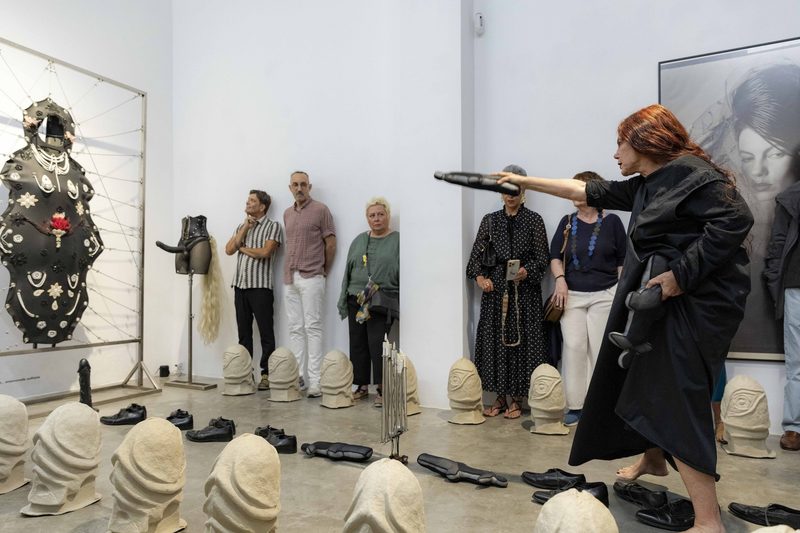
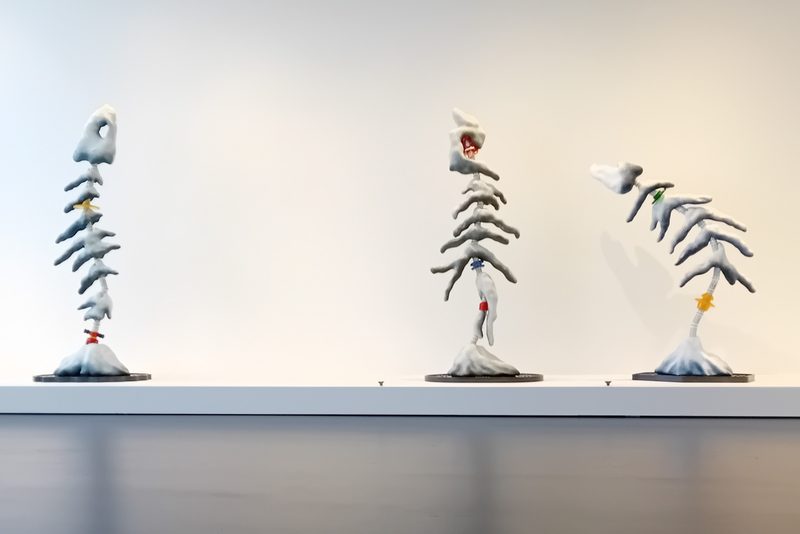
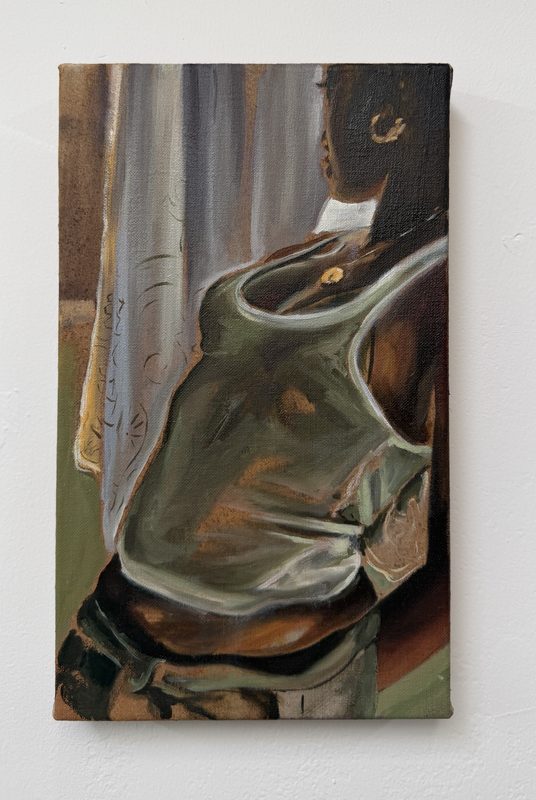
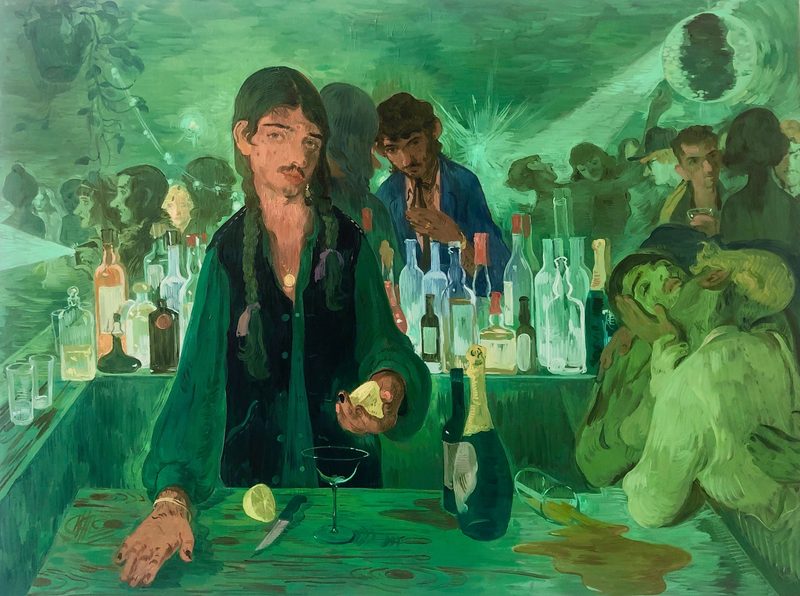
Working across photography, moving image, textiles, ceramics, glass, installation and performance, the artists drew on personal experience and cultural histories to explore social memory, inheritance, migration, bodily perception and our relationship with time. As the past is continuously covered, rewritten and assigned new meanings, what gets forgotten — and what refuses to disappear?
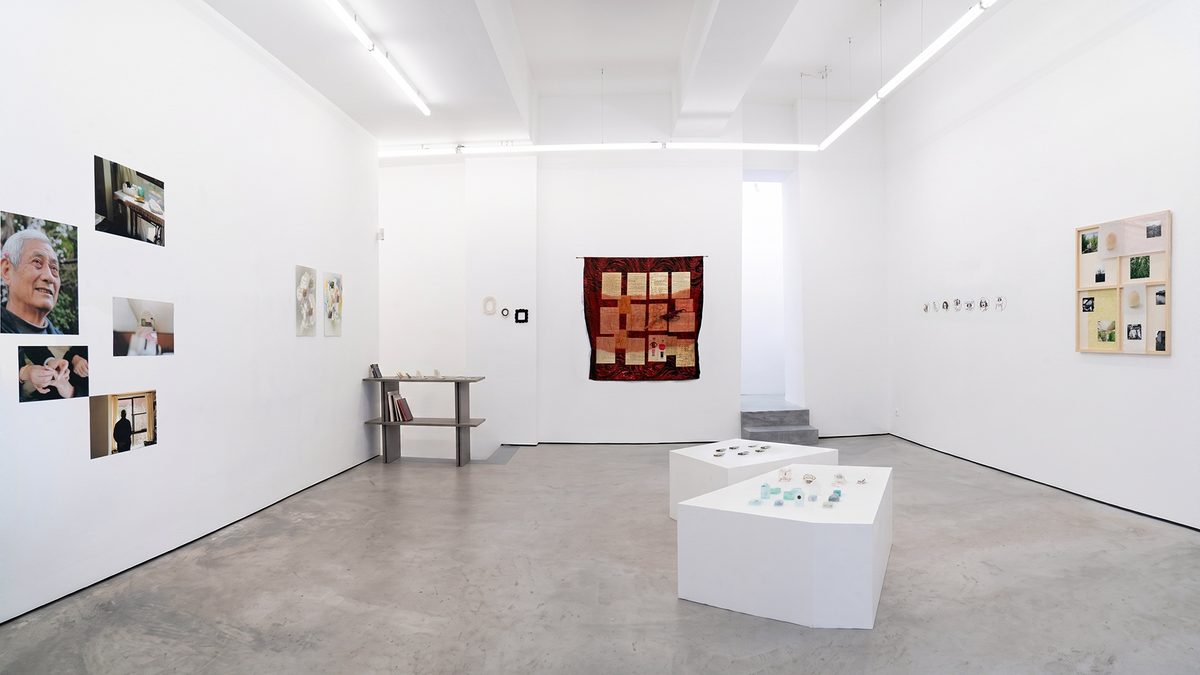
Echoes of ancestors, family and history
The exhibition begins with the personal, looking at how memory moves between ancestors, families and history.
In Chen Kan’s The Peach Tree – Window I & II, a peach tree planted by the artist’s grandfather becomes a witness to urbanisation, generational change and the shifting relationship between people and land. Ruiyan Zhang’s When I Look at You combines interviews, family archive photographs and reconstructed moving images to document the gradual fading of her grandfather’s memory, while revealing how familial bonds endure through the process of forgetting.
Vivian Lu’s Transcend the Past transforms her grandparents’ memories of the Cultural Revolution into an interactive installation, considering how historical trauma travels across generations and remains inscribed in memory and the body. Inspired by Nüshu, Lifeng Liao’s To the Nameless, composed of three layers of digitally printed silk organza, traces forgotten histories of women and the marks they have left on cultural memory.
Luisa Walther’s More than a Dress and What Endures extend this inquiry into German colonial history. Through the traditional dress of Herero women, portraiture and moving image, Walther examines how clothing associated with colonial oppression has been reclaimed and transformed into a symbol of cultural identity, female agency and collective memory.
Through family photographs, oral histories, clothing, writing and land, these works reveal memory as something preserved but also continually transformed. Rather than attempting to reconstruct a definitive past, they look at the ways history keeps finding its way into contemporary family relationships, cultural identities and the present.
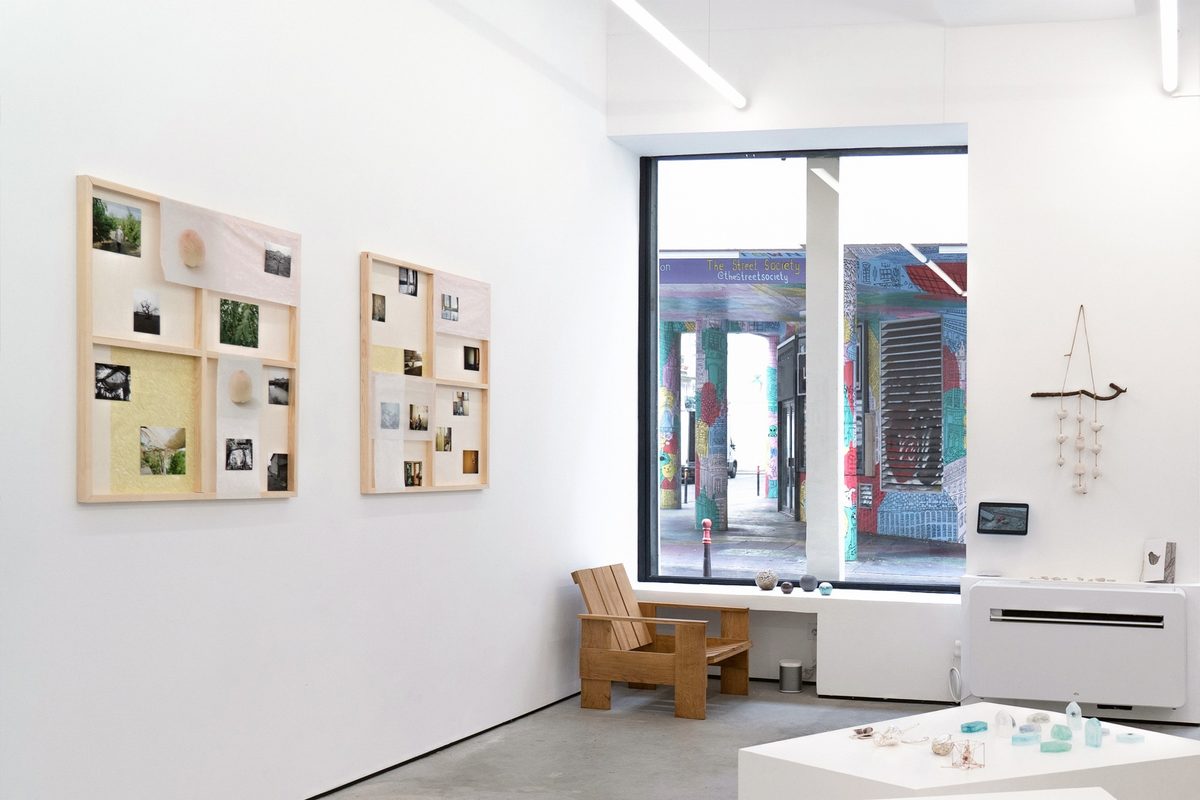
Traces of the body, emotion and migration
If family and history provide memory’s external framework, the body may be its most immediate archive.
Drawing on surgical scars, pregnancy, psychological pressure, information anxiety and migration, artists in the exhibition turn physical and emotional change into forms that can be seen, encountered and felt.
In Fragments Series 1, Tingru Chen contrasts soft felted wool with the rigidity of its frame to evoke the contradictory emotions contained within experiences of love. Nayeon Han’s My Deconstruction for Creation was developed during pregnancy, when she began reassembling discarded textiles through patchwork and quilting. Making became a refuge from physical exhaustion and emotional emptiness, while opening onto questions of memory, identity and the reconstruction of the self.
Ke Tang’s Scar Tissue begins with the artist’s own surgical scar on the neck. Combining textile installation, handwritten poetry and live performance, Tang transforms the scar into an embodied record of time, trauma and self-healing. Xinyang Ye’s frame-by-frame hand-drawn animation Scratch visualises the emotional and physical traces left by psychological distress and the ways they continue to inhabit both body and memory.
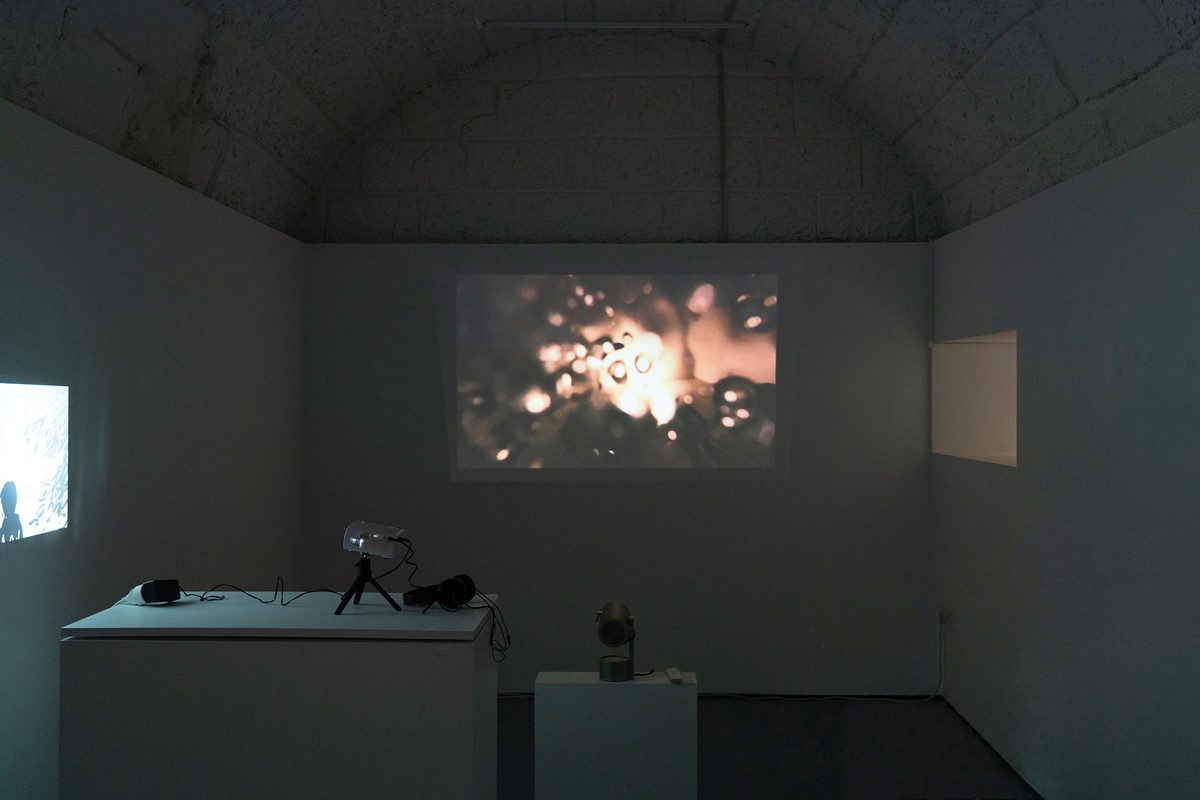
Ruoshui Wang’s jewellery series Overload Anxiety turns to the pressures of information in the digital age. Metal frameworks, red threads, constrained facial forms and structures resembling bodily organs suggest information accumulating inside the body. Chuanqi Hu’s experimental moving-image work Prison of Water uses currents, vortices, darkness and faint glimmers of light to construct a psychological landscape in which anxiety, repression and hope coexist.
Bodily experience also becomes entwined with migration and belonging. Suwei Xia’s glass series Not Inside uses recurring house-like forms to explore shelter, identity and belonging within the migrant experience. The translucent glass contains the objects within while making the idea of “home” appear fragile, unstable and never entirely attainable.
Here, the body isn’t simply represented. It becomes the place where memory happens. Pain, anxiety, emotion and migration are translated through textiles, jewellery, glass, moving image and performance into something that can be physically and sensorially encountered.
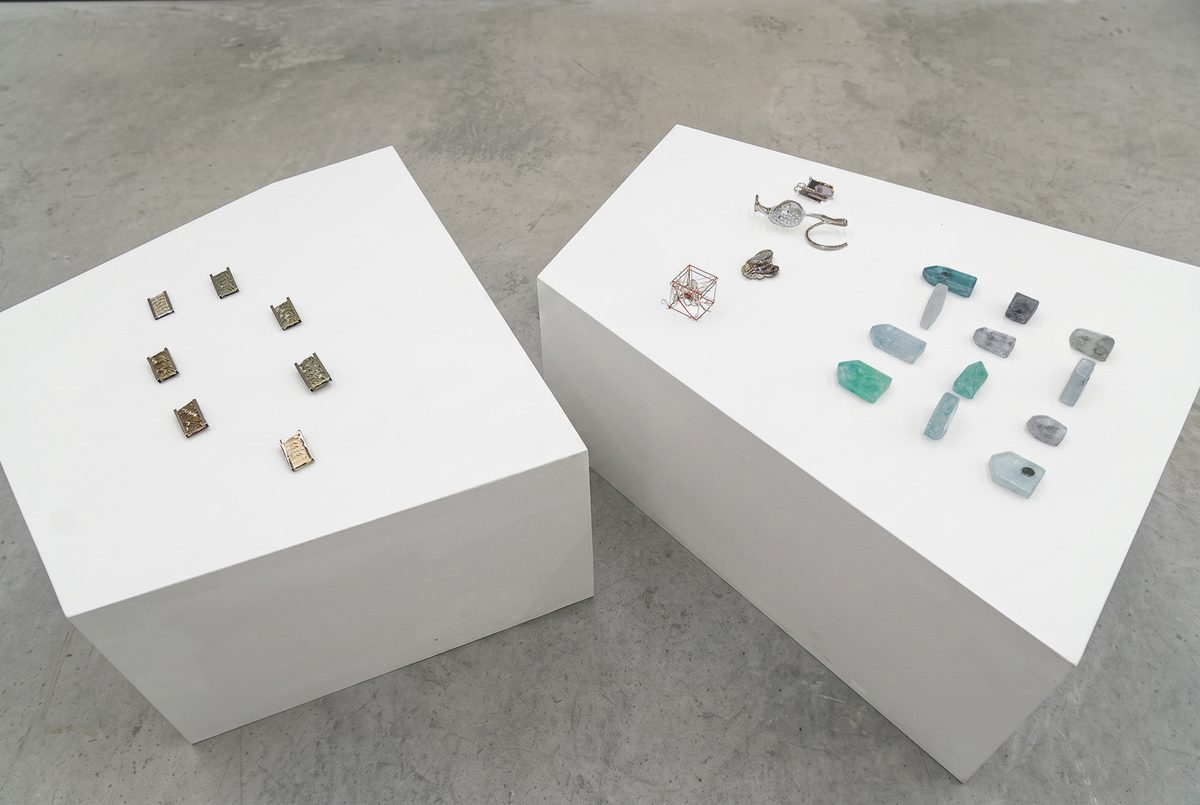
Time, rupture and regeneration in material
Memory doesn’t belong only to people. It can also be stored in textiles, metal, ceramics, glass, natural materials and images. Wear, fracture and deformation record time while allowing new forms and meanings to emerge.
Kai Wang’s Framing Life, Unframing Order begins with the traditional Chinese craft of palm weaving, translating handwoven techniques into contemporary jewellery and creating new relationships between plant fibres, the body and cultural inheritance.
In Fuwu Zhi, Sihong Liu uses electroforming to preserve the ephemeral forms of fallen leaves, dried flowers and fruit slices. Fragile organic matter gains a durable metallic surface, blurring boundaries between nature and the artificial, fragility and strength, temporality and permanence.
Zikuan Fan’s Au passage du vent, la mémoire germe… consists of ceramic wind chimes containing flower seeds. As the forms collide in the wind, they gradually fracture. The seeds eventually fall to the ground alongside the ceramic fragments, turning disappearance from an ending into the condition for new life.
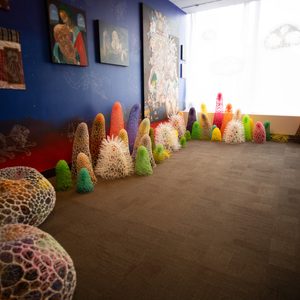
Lily Ye Zhang’s ceramic installation Terrenos translates natural forces such as pressure, erosion and heat into shifting surfaces, allowing microscopic textures and geological landscapes to overlap. Juehan Hao’s The Color of Volume, developed from a daily practice of watercolour studies, extends colour, line and fleeting visual impressions from the painted surface into wearable metal forms.
Material records of time extend into the image and the repetitive act of drawing. In Chenyi Zhang’s hand-drawn animation STAY, the last surviving girl in a post-apocalyptic world repeatedly draws fragments of remembered civilisation onto the ruins around her. Drawing — and remembering — become her final acts of resistance against disappearance.
From stitches in fabric and leaves encased in metal to ceramics shattered by the wind and images drawn frame by frame, materials don’t passively contain memory. They wear, rupture and reconstruct it.
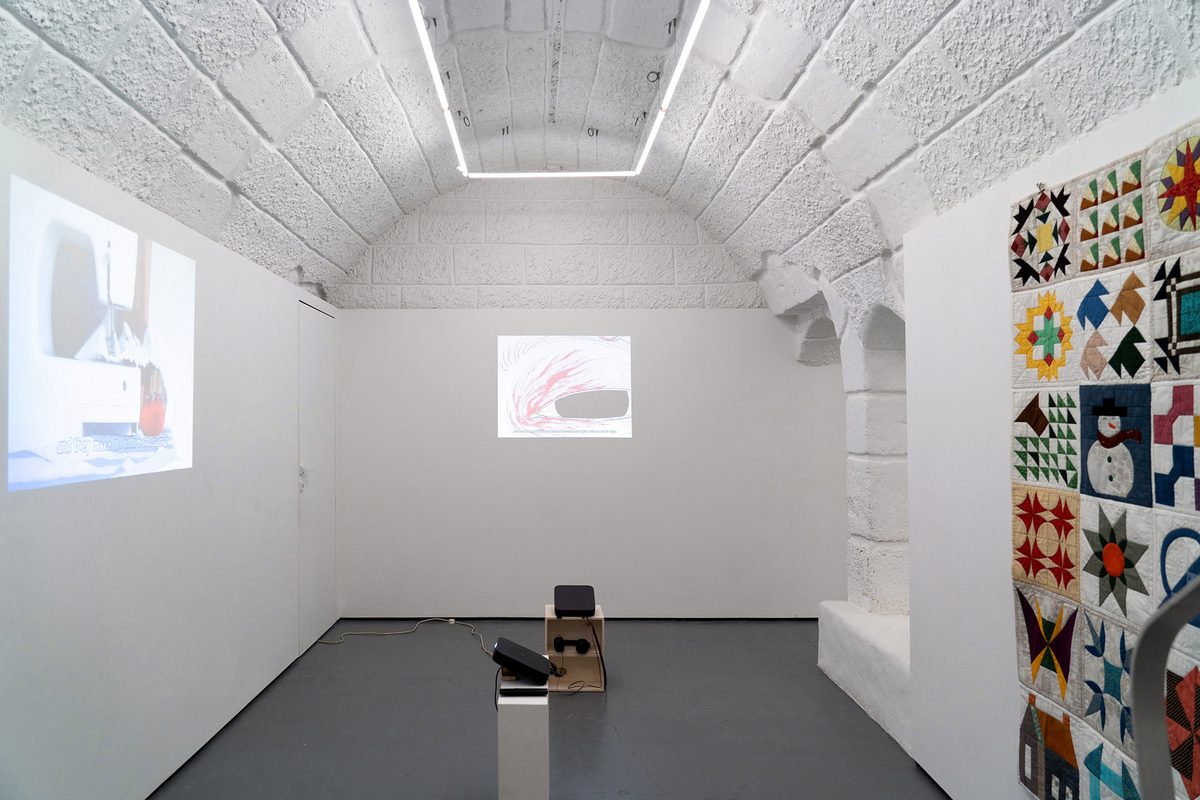
Between forgetting and rewriting
Beneath Time, Before Memory doesn’t try to reconstruct the past in full. Instead, its eighteen artists turn towards experiences that have been covered over, rewritten or gradually forgotten, asking how they continue to survive within families, bodies and materials.
Memory, the exhibition suggests, is never static. It passes between generations and changes through bodily experience, cultural environments and time. Like the earlier writing of a palimpsest, the past can be obscured but never entirely erased.
It remains beneath the surface.
Beneath Time, Before Memory
28th–30th August 2026
Galerie SEE, 84 Rue du Temple, 75003 Paris, France
Organised and co-curated by Plus ou Moins Association, France
Curator: Manuel Gomez, Director of Galerie SEE
Participating artists: Tingru Chen, Zikuan Fan, Nayeon Han, Juehan Hao, Chuanqi Hu, Chen Kan, Lifeng Liao, Sihong Liu, Vivian Lu, Ke Tang, Luisa Walther, Kai Wang, Ruoshui Wang, Suwei Xia, Xinyang Ye, Lily Ye Zhang, Chenyi Zhang and Ruiyan Zhang.
Publication and Installation Project: POMA Books
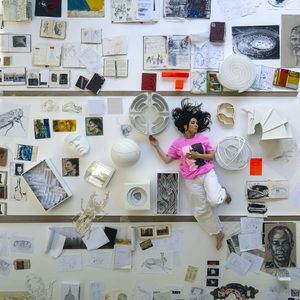
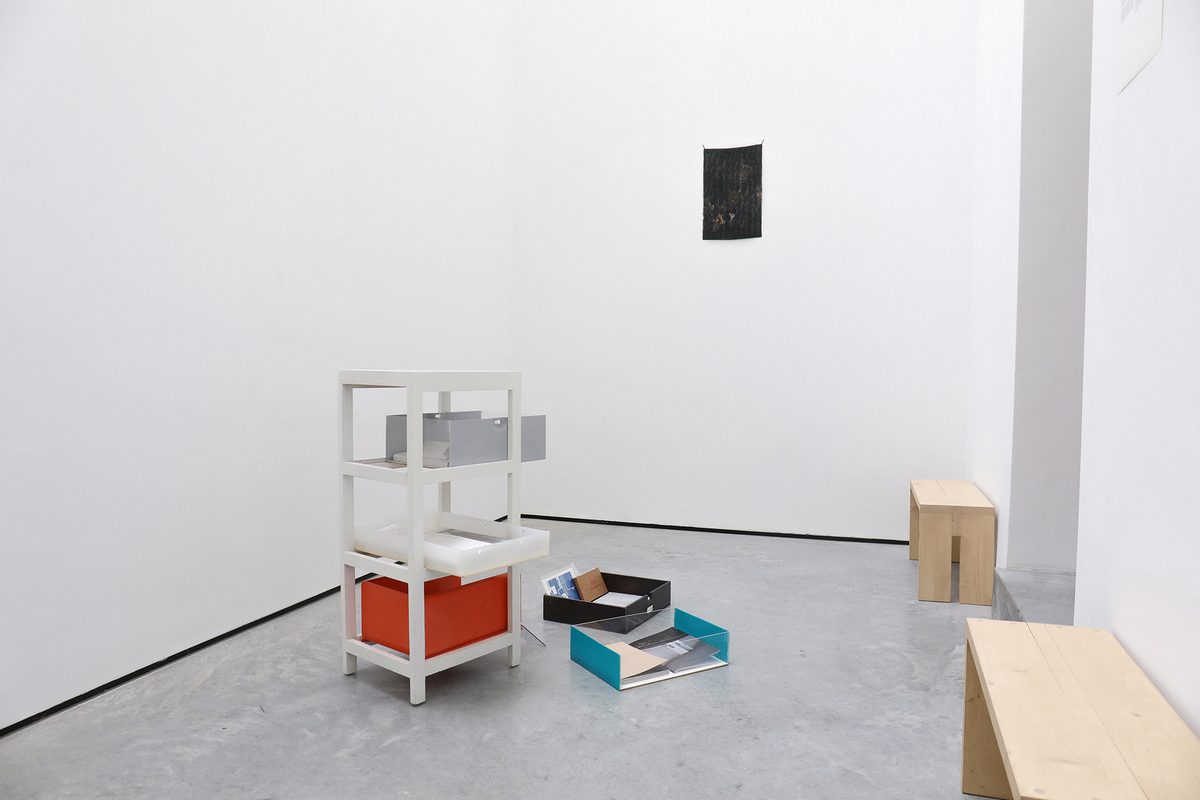
POMA Books collaborated with fourteen creators on a book-based installation carrying and activating memories. Rather than treating the book as a fixed object, the project approached it as an evolving situation — a medium capable of interrupting everyday experience and reorganising perception. Reading becomes an act of collective creation, generated through an ongoing encounter between memory, perception and personal experience.