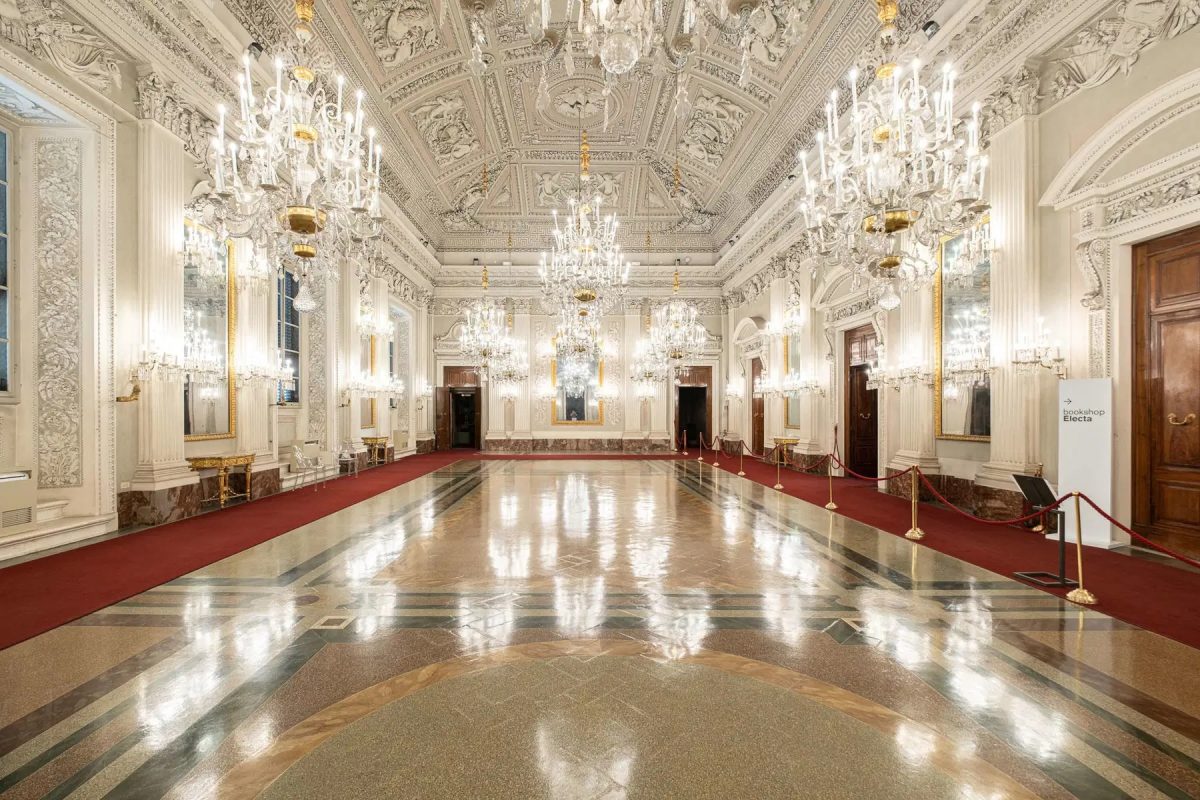
Florence’s Uffizi Galleries is embarking on a major €50 million transformation, with a two-year programme of renovations and redisplays set to overhaul everything from its Renaissance galleries to visitor facilities.
The programme, announced by Uffizi director Simone Verde, encompasses around 40 individual projects across the Uffizi complex, which also includes the Palazzo Pitti and Boboli Gardens. Rather than closing the museum wholesale, work will be carried out in stages, allowing visitors to continue seeing the collection while the transformation takes place.
A central part of the project will be a rethink of how the Uffizi presents its extraordinary collection. Galleries are being reorganised chronologically and geographically, while major works will be given more room to breathe. The museum has already offered a glimpse of this approach with its newly redesigned Botticelli rooms, where The Birth of Venus and Primavera now face one another and have been installed in new hermetically sealed cases designed to improve both conservation and the experience of viewing the paintings.
The changes will extend across the museum, with new galleries and displays dedicated to Renaissance and later European painting alongside upgrades to lighting, climate control, accessibility and visitor circulation. The plans are intended not simply to renovate the historic buildings but to rethink how one of the world’s most visited museums works for contemporary audiences.
The wider Uffizi complex is already undergoing significant change. Palazzo Pitti opened a new entrance in July, separating incoming and outgoing visitor flows and allowing its historic Ammannati Courtyard to be experienced without the security infrastructure that previously occupied the central entrance. Verde described the change as the realisation of a project desired since the 1980s.
It follows the reopening of the Vasari Corridor, the extraordinary elevated passage commissioned by Cosimo I de’ Medici and designed by Giorgio Vasari in 1565. After being closed for eight years, the approximately 750-metre route reopened to the general public in December 2024 following an extensive restoration, connecting the Uffizi across the Ponte Vecchio to the Boboli Gardens and Palazzo Pitti.
The scale of the new investment reflects the challenge facing the Uffizi: how to preserve one of the world’s greatest collections and its historic architecture while accommodating millions of visitors and allowing masterpieces by Botticelli, Leonardo da Vinci, Michelangelo, Raphael, Titian, Caravaggio and others to be seen under better conditions.
Rather than one dramatic reopening, visitors can expect the new Uffizi to emerge progressively over the next two years, as galleries reopen, displays change, and improvements are completed across the complex.
For a museum whose buildings and collections have been evolving for centuries, another transformation is underway.
MORE:@uffizigalleries