A new museum dedicated to one of Britain’s most remarkable yet little-known Second World War intelligence operations has opened in North London.
Opening to the public today, Tuesday 21st July 2026, Trent Park House of Secrets uncovers the extraordinary story of a country house that quietly became one of Britain’s most valuable centres of wartime espionage. Often compared in significance to Bletchley Park, Trent Park played a pivotal role in gathering intelligence from senior German military officers who, unaware they were being monitored, revealed information that helped shape the Allied war effort.
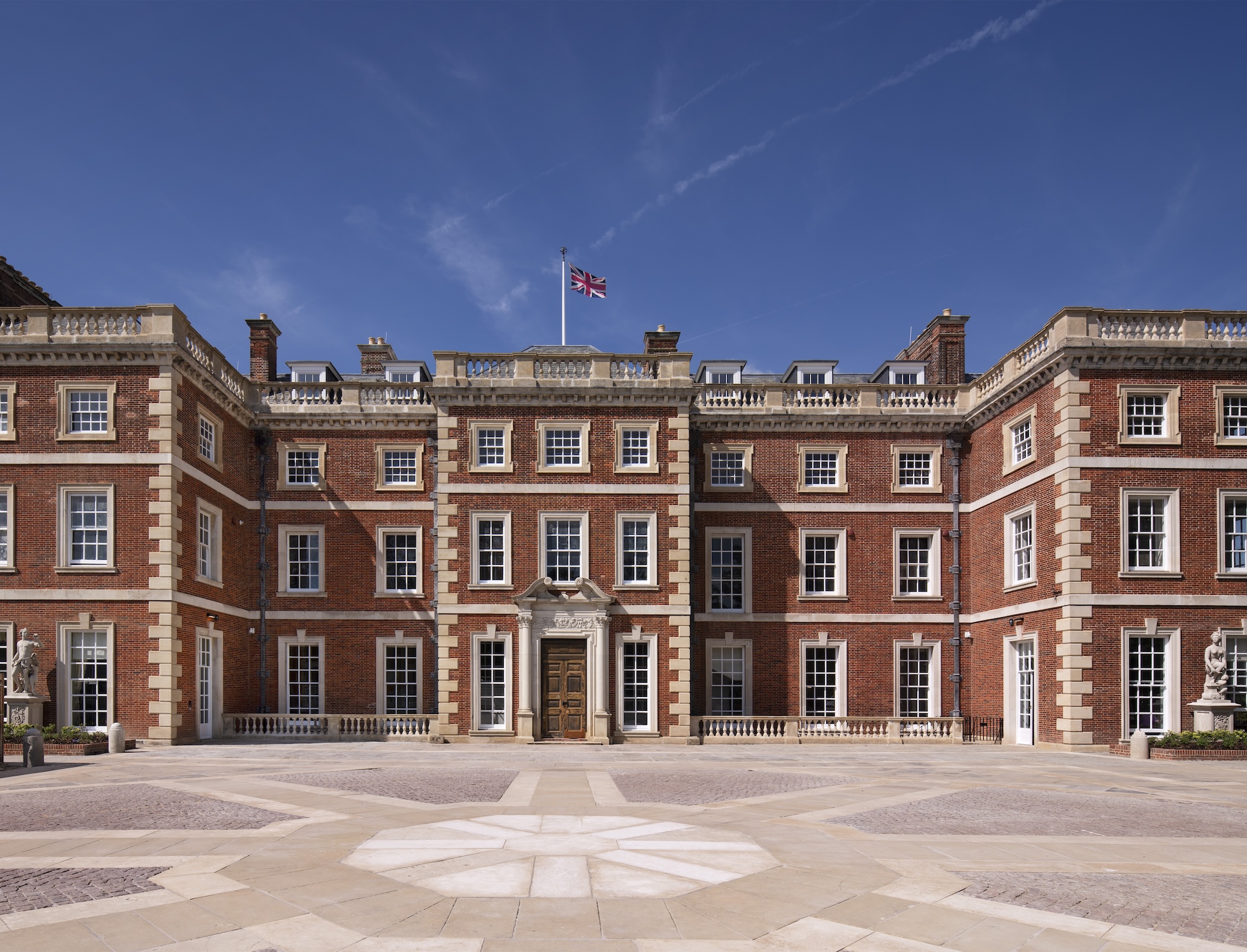
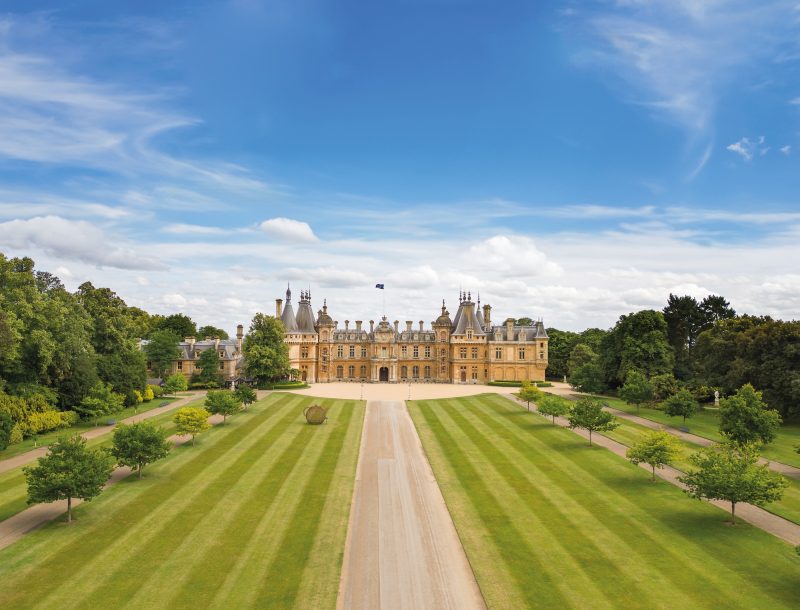
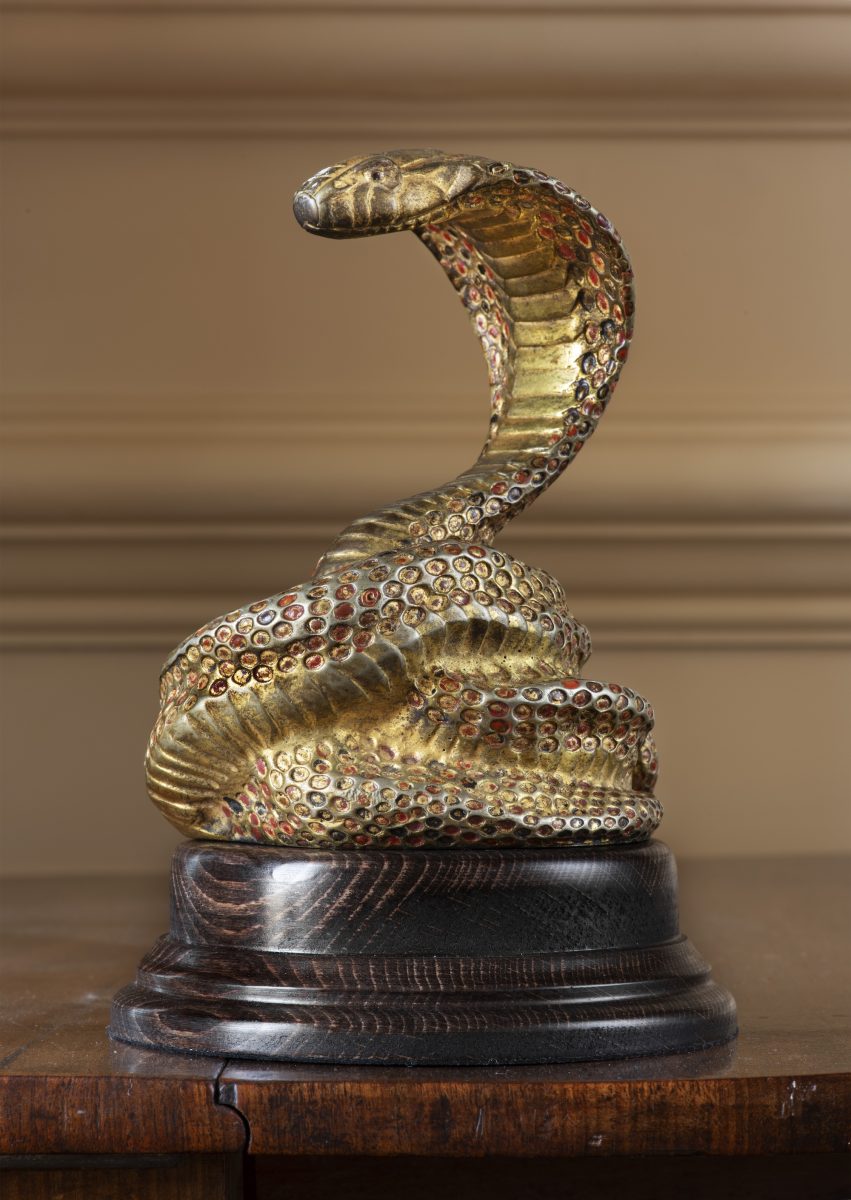
The museum also restores the house’s glamorous pre-war identity as the home of Sir Philip Sassoon, the politician, art collector and member of the influential Sassoon family. During the 1920s and 30s, Sassoon transformed the Victorian mansion into one of Britain’s most fashionable country houses, welcoming guests including Winston Churchill, the future Edward VIII, Noël Coward, George Bernard Shaw, T.E. Lawrence, Charlie Chaplin and Fred Astaire.
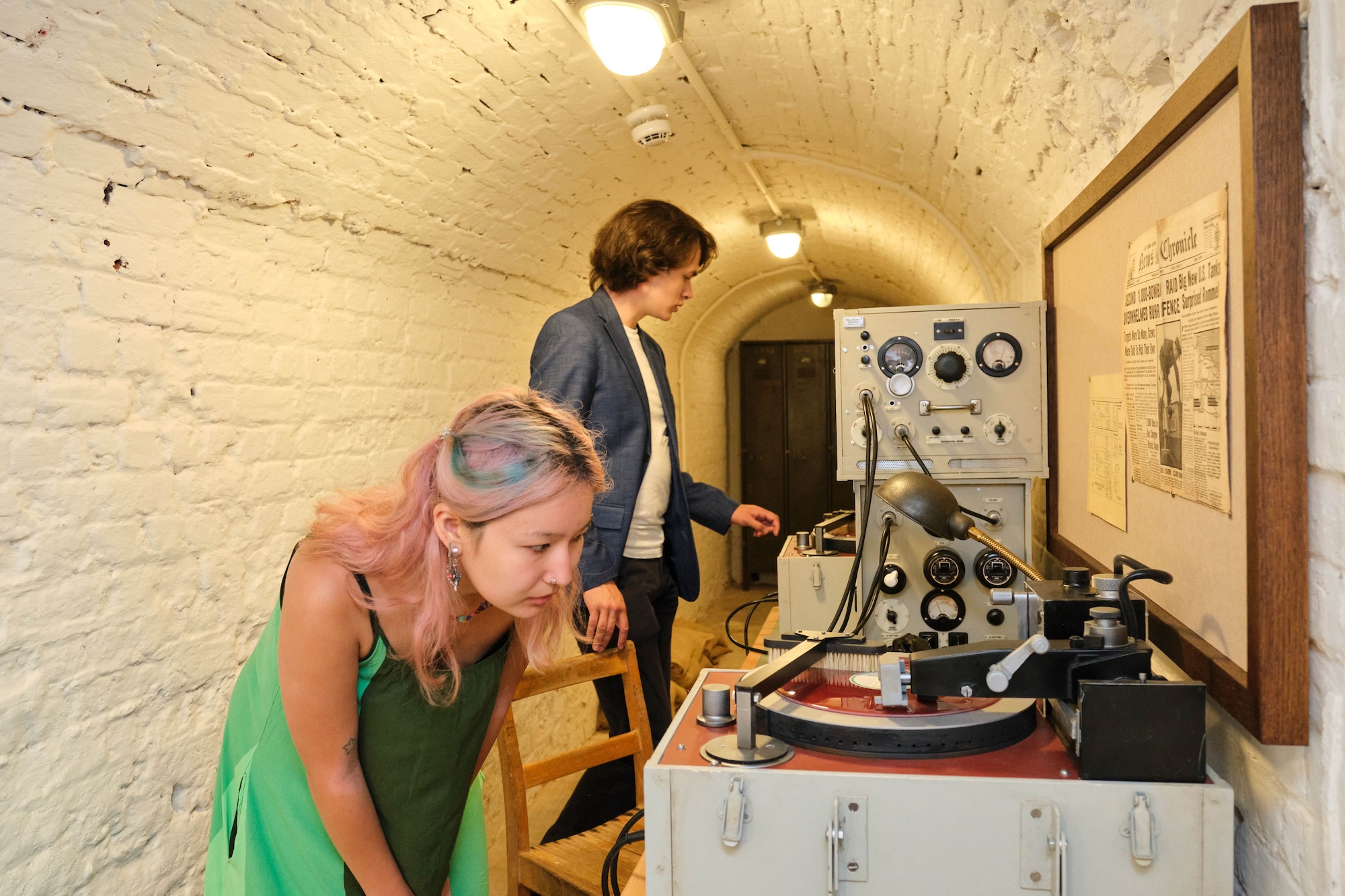
Following Sassoon’s death in 1939, the government requisitioned the estate and converted it into a secret intelligence centre. Fifty-nine German generals and other high-ranking officers were held in comfortable surroundings, believing they were simply prisoners of war. Hidden microphones concealed in walls, light fittings, furniture and even garden benches recorded their conversations, while teams of German-speaking Jewish refugees worked below stairs as “Secret Listeners”, transcribing intelligence that proved invaluable to the Allies.
The new museum brings these two contrasting histories together. The restored State Rooms recreate the elegance of Sassoon’s residence, with artworks and furnishings returning to the house for the first time since 1939. Beneath them, visitors descend into reconstructed listening stations and operational rooms where the Secret Listeners carried out one of Britain’s most remarkable covert intelligence operations.
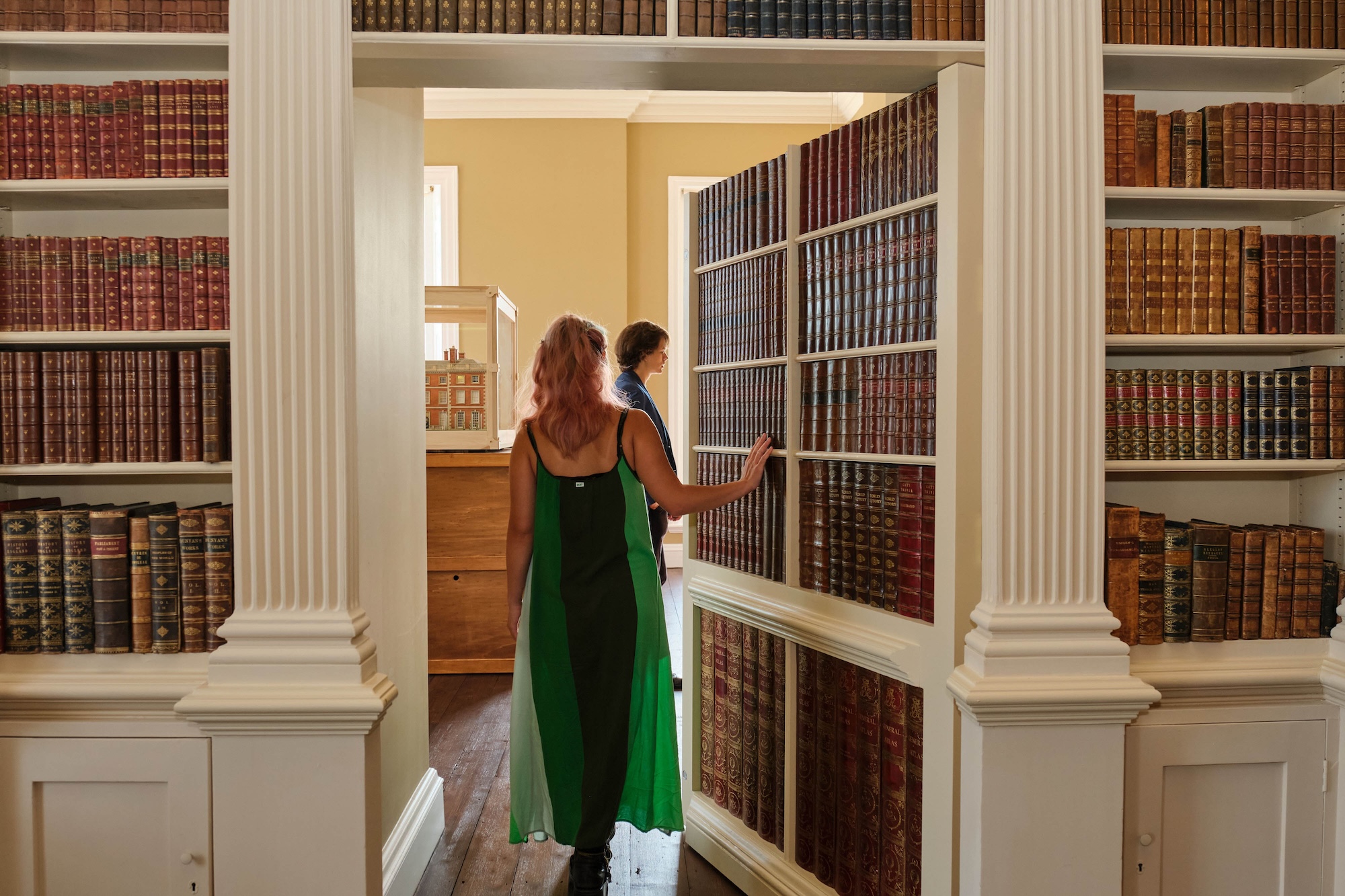
Dr Giuseppe Albano MBE, Director of Trent Park House of Secrets, said:
“Most people will come to Trent Park to discover the covert intelligence operation that took place here during the Second World War. What I hope will surprise them is that there is so much more to discover. Before the war, these rooms played host to conversations between politicians, royalty, writers and artists at a moment when Europe stood on the brink of conflict. We have taken great care to reveal the full significance of the house, weaving together stories from some of the most colourful and turbulent years of twentieth-century British history.”
The museum has been over a decade in the making.
Lord Cholmondeley and Jason Charalambous, Co-Chairmen of the Trent Park Museum Trust, said:
“After a decade of fundraising and restoration works, we are thrilled that these extraordinary stories can finally be revealed to inspire and inform the next generation. We are grateful to our dedicated and committed team, our generous donors, and the countless supporters who have helped us open Trent Park House for all to enjoy.”
Among those welcoming the opening is writer and comedian Helen Lederer, whose grandfather served as one of the Secret Listeners.
She said:
“The fact that my grandfather was a Secret Listener was a secret he took to the grave. It means so much that this chapter of little-known history can be told through the museum. To imagine what the Secret Listeners may have felt as they listened to the captive generals upstairs is as important as it is humbling.”
Alongside its permanent displays, the museum has developed a learning programme using original wartime transcripts, offering schools and community groups an immersive introduction to Britain’s wartime intelligence network. Supported by The National Lottery Heritage Fund and the Clore Duffield Foundation, the programme connects directly with the Second World War national curriculum.
By bringing together the worlds of aristocratic society, art, politics and espionage, Trent Park House of Secrets offers a new perspective on one of Britain’s most extraordinary historic houses—and finally tells a story that remained hidden for more than seventy years.
MORE: @trentparkhouseofsecrets