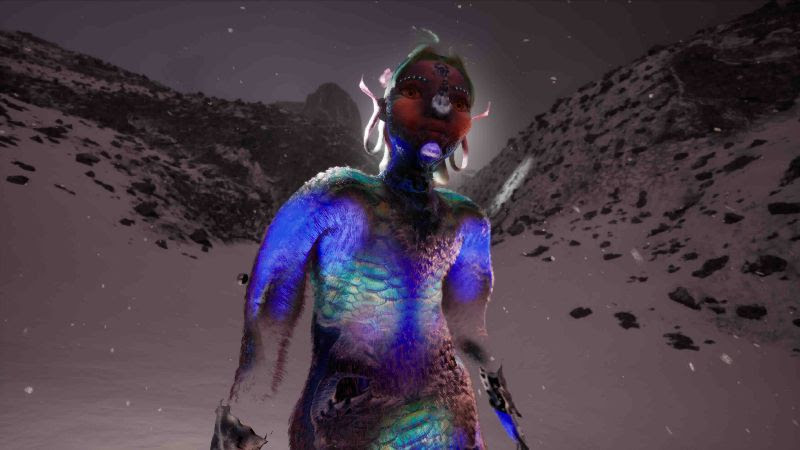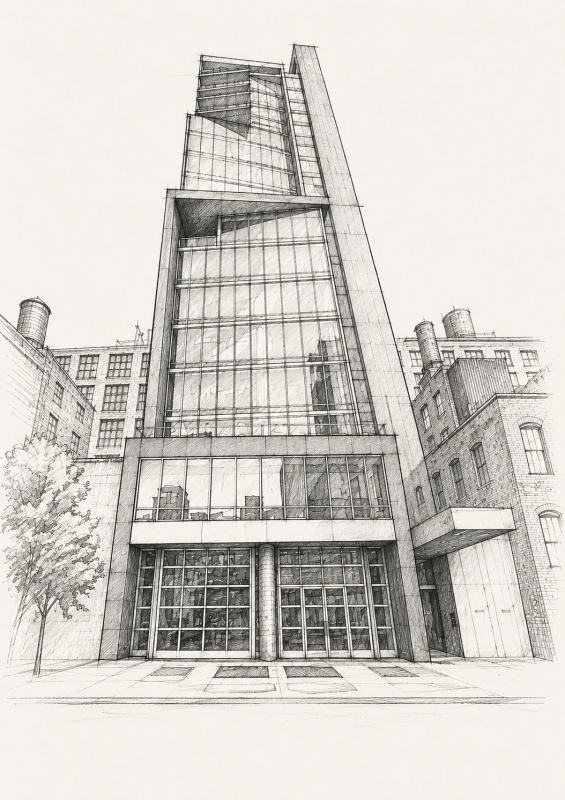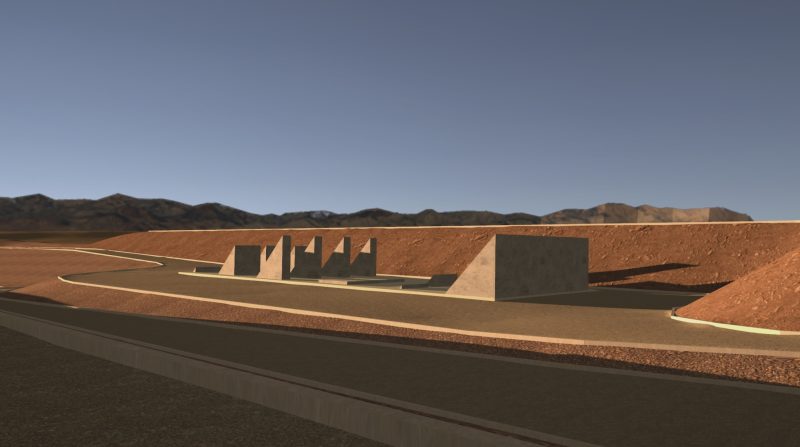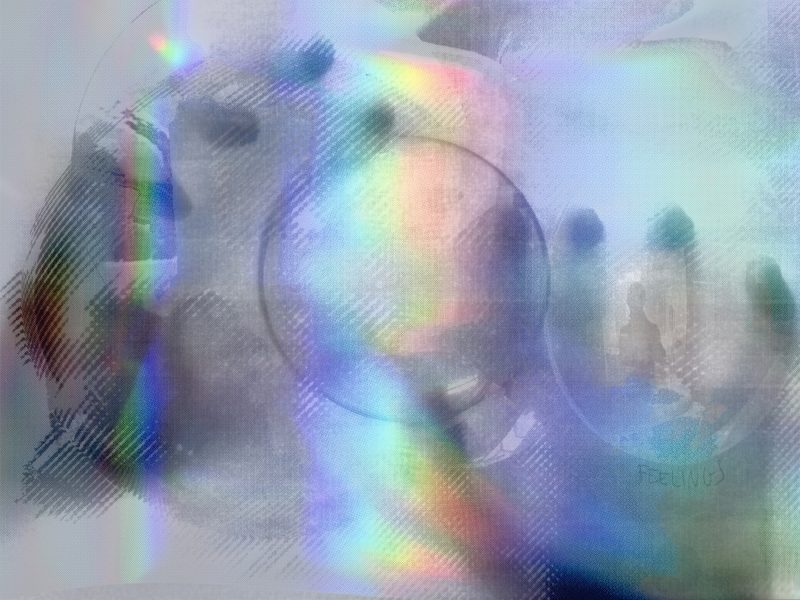
Staged within the disused Old Waiting Room at Peckham Rye, Run Pony Run marked the first presentation of the curatorial collective Noisy Room Projects (29th–31st May 2026). Curated by Amabelle Chandra along with collaborators Anjalee Chowdhury, Lindsey Blaser and Ariunzaya Batkhuyage, the exhibition carried with it a vivid sense of momentum: born from an open call that gained rapid traction online, it drew an unexpectedly expansive pool of over 300 submissions from both London-based and international artists.
Within a constrained commercial art market where the odds are stacked against early-career artists, Noisy Rooms Projects carves out a space for commercially ‘difficult’ artworks to break loose. Challenging the market’s preference for polish and profitability, Noisy Room Projects champions art which resists containment: unwieldy installations, ephemeral performances, art which is politically, materially or aesthetically scandalous, or experimental, excessive, and unruly.
“What we want to do is support practices that might feel maybe materially unstable or kind of messy or sharp. Or, we love anything to do with politics, with identity, with transformation, and I think highlighting that is a good thing to do.”
The collective was founded by Amabelle Chandra, a Fine Art and History of Art student at Goldsmiths University and veteran of the often cut-throat open-call circuit. That background feeds directly into the collective’s approach, giving the project a strong ‘artists-for-artists’ ethos. There’s a shared understanding here of the unpredictability of making and showing work—of rejection, experimentation, and risk—which translates into an empathetic programme tuned in to the realities of early-career practice. From the democratic entry-point of the online open-call to the financially accessible exhibiting fee of only £10, Noisy Room Projects take concrete steps to make life easier for emerging artists. The collective’s work extends beyond exhibitions – they actively support artists through doing interviews, studio visits, and portrait and video shoots, helping them gain visibility and develop their presence within the art world.
“For me, accessibility isn’t just about audience access. It’s about whether the artist can even fund to participate in the exhibition. Even to the open calls I apply for, I have to pay over 50 quid, over 80 quid, sometimes 100, to just show my work. And I just think that this is not really accessible to most people”.
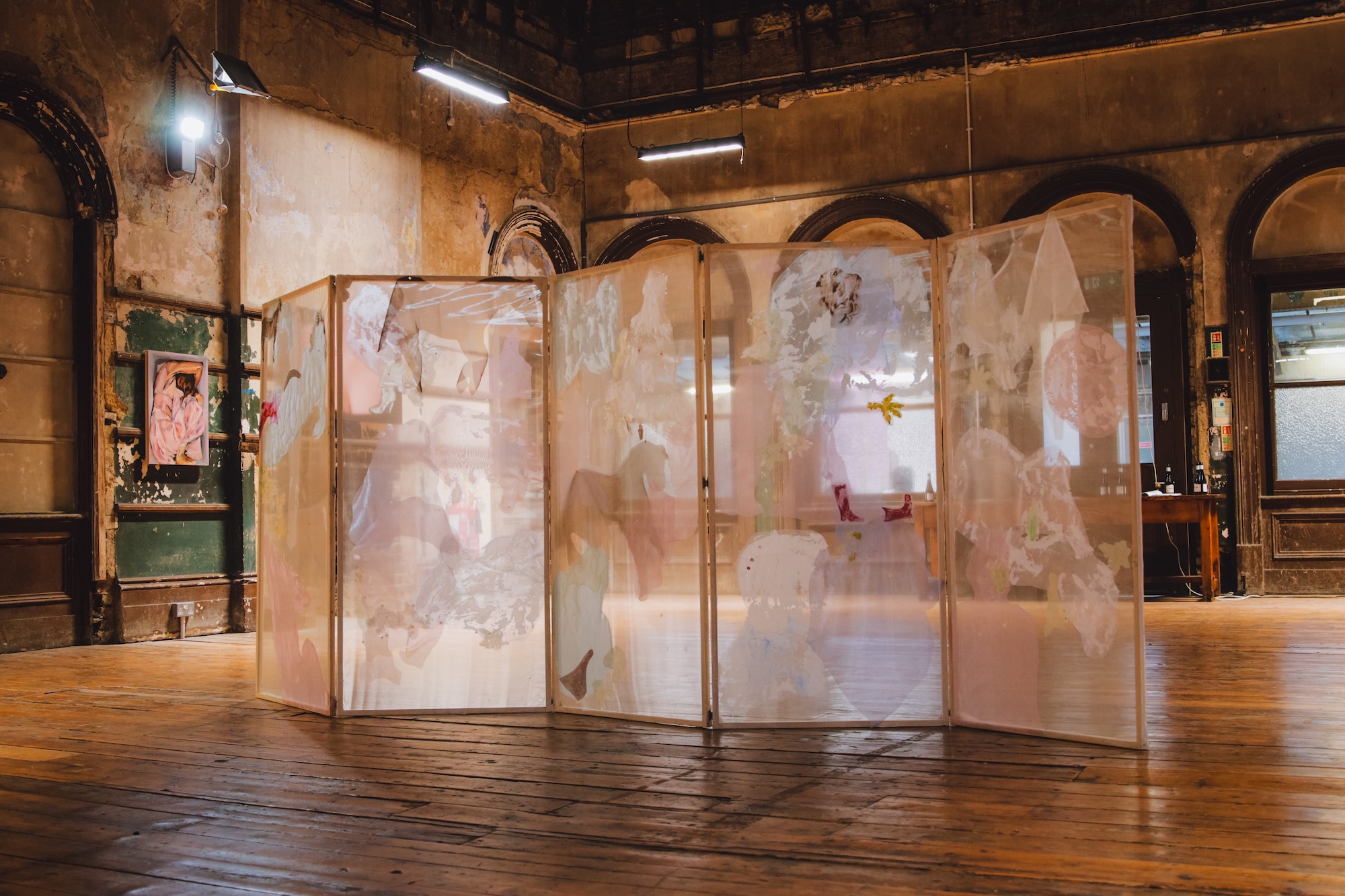
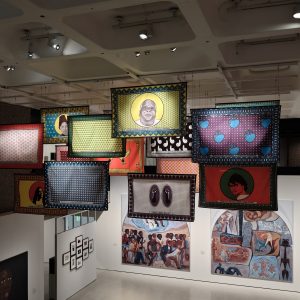
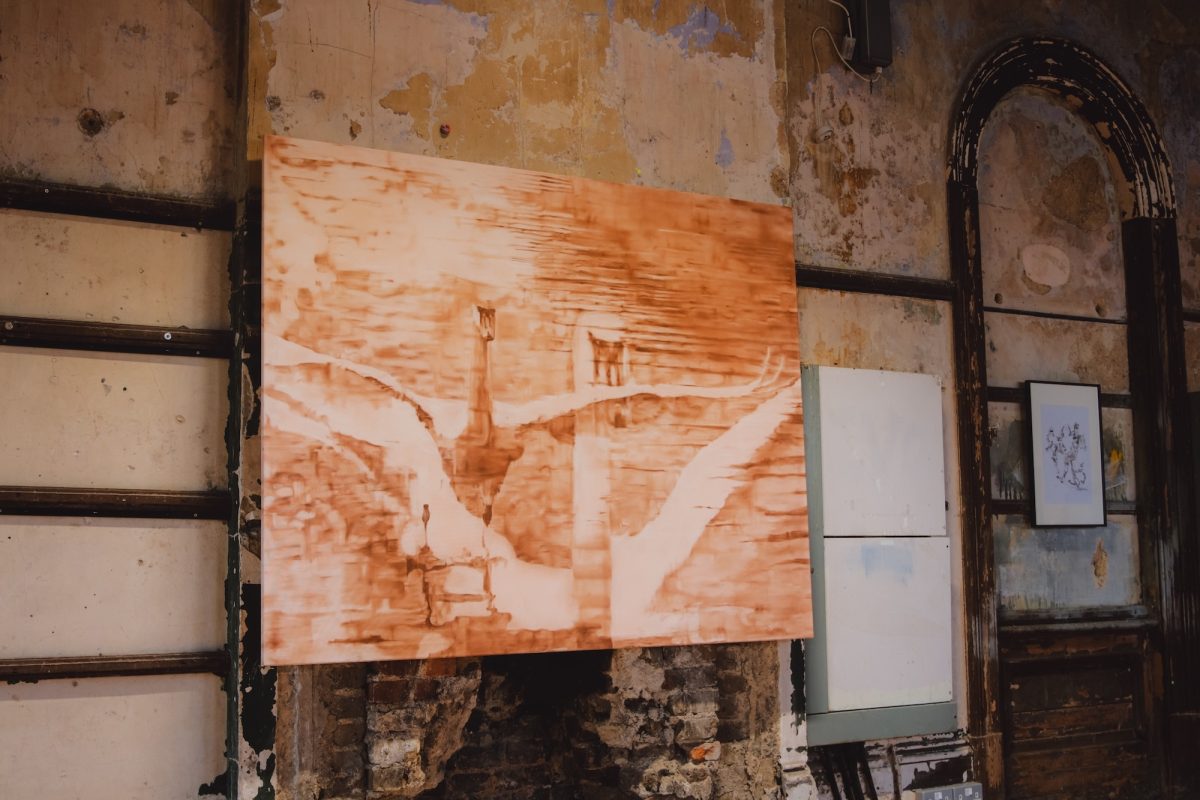
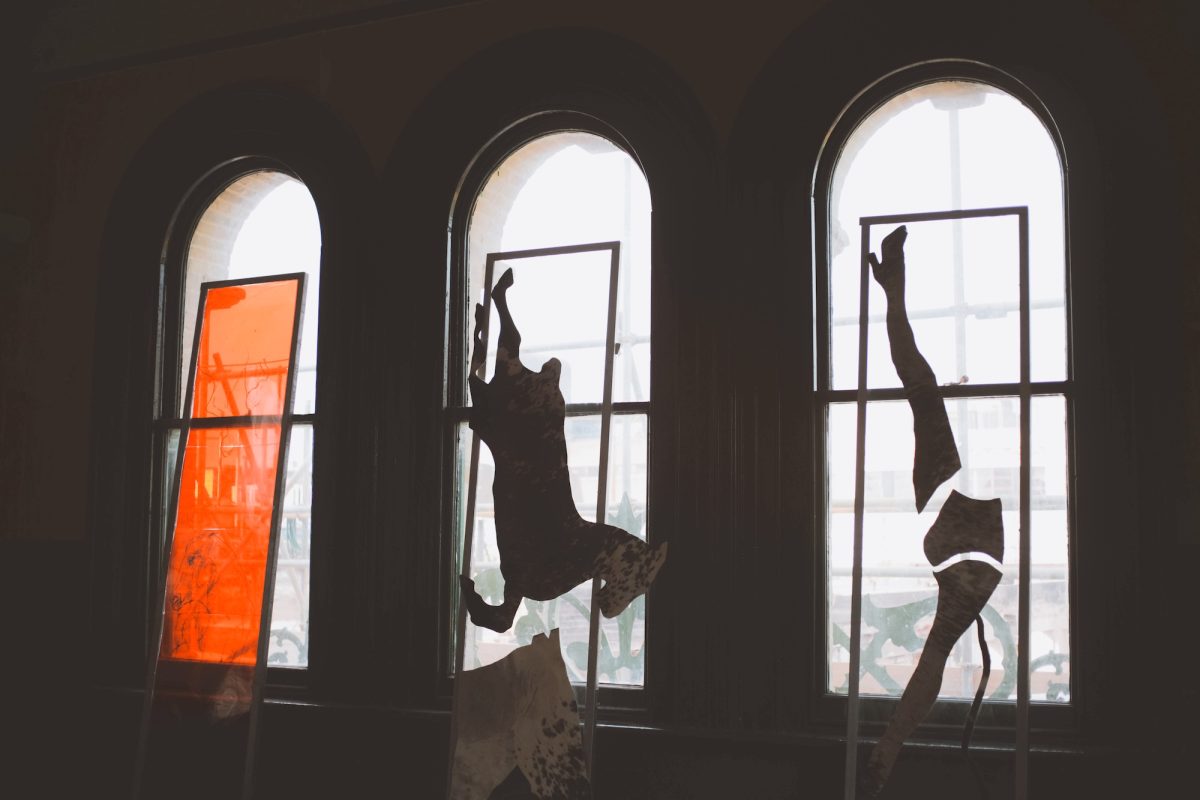
Within the exhibition Run Pony Run, Noisy Room Projects’ open-armed curatorial ethos manifests itself in a broad range of practices, techniques, mediums, and temperaments from artists all embarking on their own artistic journeys. The works swing between pithy and delicate: Beth Simcock’s hazy tissue-paper screen barely seems to hold itself together, while Krisyna Polivkova’s charcoal and pastel swans feel soft and cloudy. The viewer is jolted at the threshold by Esme Godkin’s Blood Sports: stretched cowhide and slices of acetate animal forms, equal parts primaeval and theatrical.
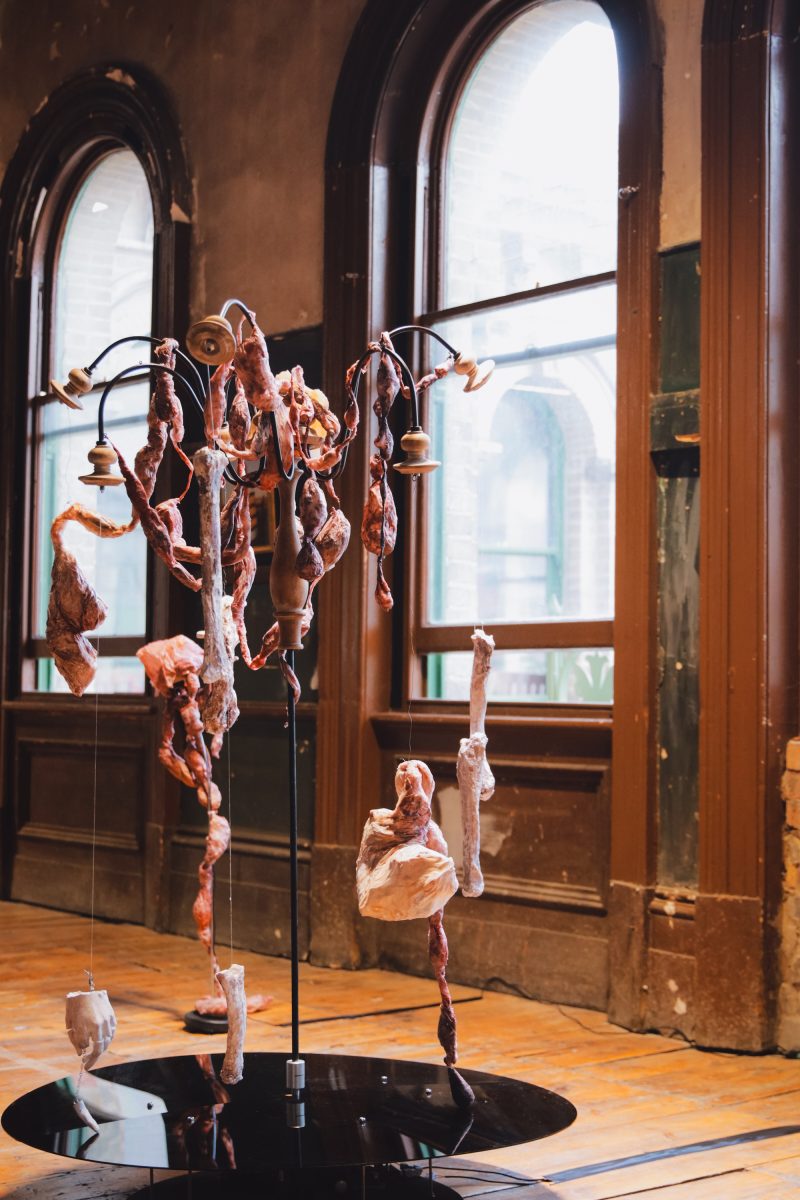
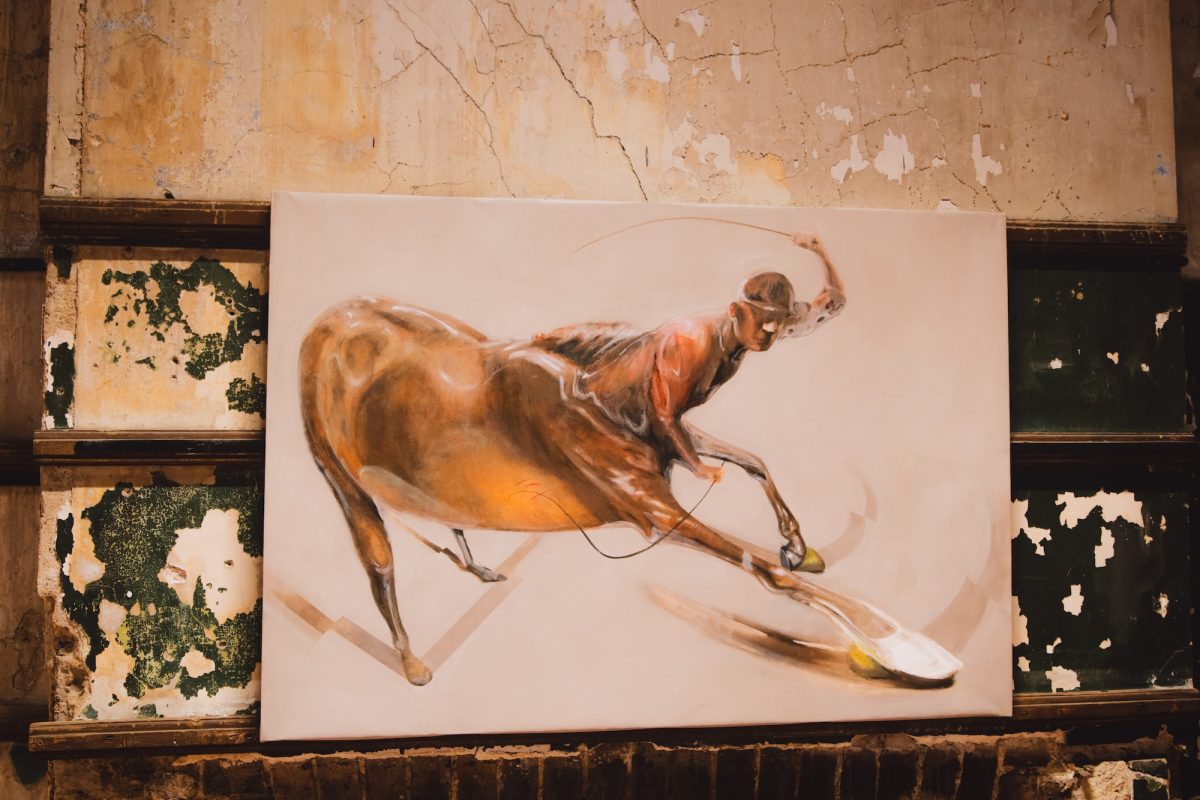
Movement threads through the space in unexpected ways. In Zhaochen Chen’s The Remains of Nothing, fleshy viscera spins on an axle, tracking the path of the viewer as they move gingerly through the space. Movement is identity in Megan Tatem’s Vogue Nights: The Aftermath, a rhapsodic short film series exploring the kinship between skateboarding and voguing in the urban space. Nearby, in Annabel Quick’s and my father and his father before him, a distorted centaur creature – half racehorse, half jockey – whips itself into a frenzy in violent oil paint. There’s an unruliness here, a DIY texture reminiscent of an Art School degree show – but without the looming pressure of graduation.
“I think a lot of works that we choose are all about disruption and all about progress. A lot of these works aren’t finished yet. And I think that’s what we like, because it shows the whole transformative process in a way.”
The artworks in the exhibition are animated by the unique space. With the arching wooden beams, peeling plastered walls and views out over rooftops and railway tracks, The Old Waiting Room at Peckham Rye feels a world away from the neutral polish of the white cube which defines the art ecosystems, a fact which initially attracted Noisy Room Projects to the space – ‘part of what noisy room aims to do is like to break with the traditional’.
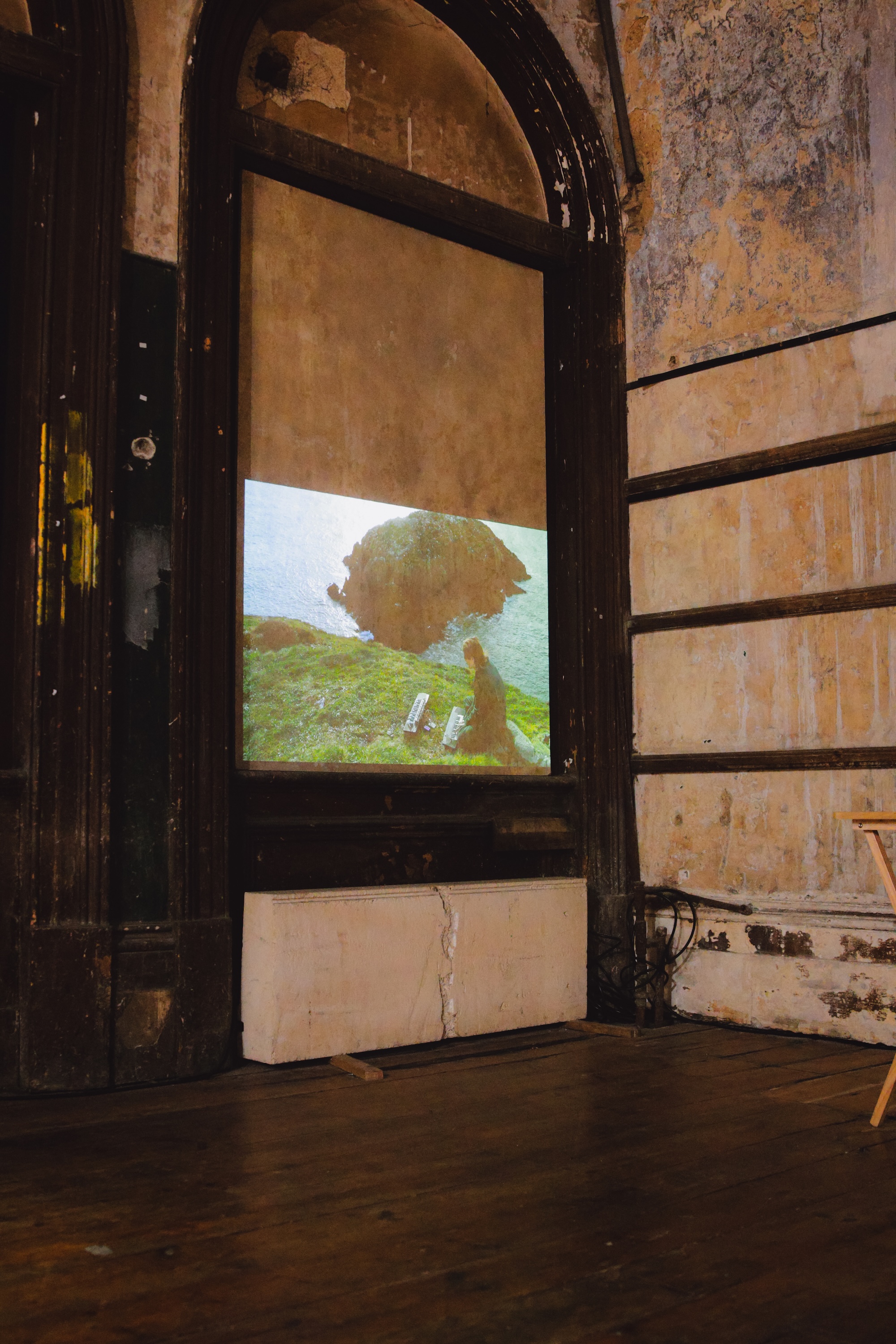
It is indeed a noisy room. Commuter trains thunder past every few minutes, shaking dust from the rafters, and the sound of chattering commuters drifts up from below. Within the exhibition, too, noise is both backdrop and material. A looping soundtrack of galloping hooves – part of Olivia Lloyd-Sherlock Arribas’ sound-piece Somos Caballo gives the show a restless, forward-driving rhythm that never quite lets the viewer settle. Elsewhere, odd piano notes puncture the murmur — part of Mia Roberts’ Signal Station SH 21468 83938; 53.32216°N, 4.68193°W. A filmed duet between artist and computer plays out, echoed by a keyboard across the room sporadically tapped by ten cybernetic fingers. It all points toward something unfinished, in motion — work still forming, but already carrying a powerful charge.
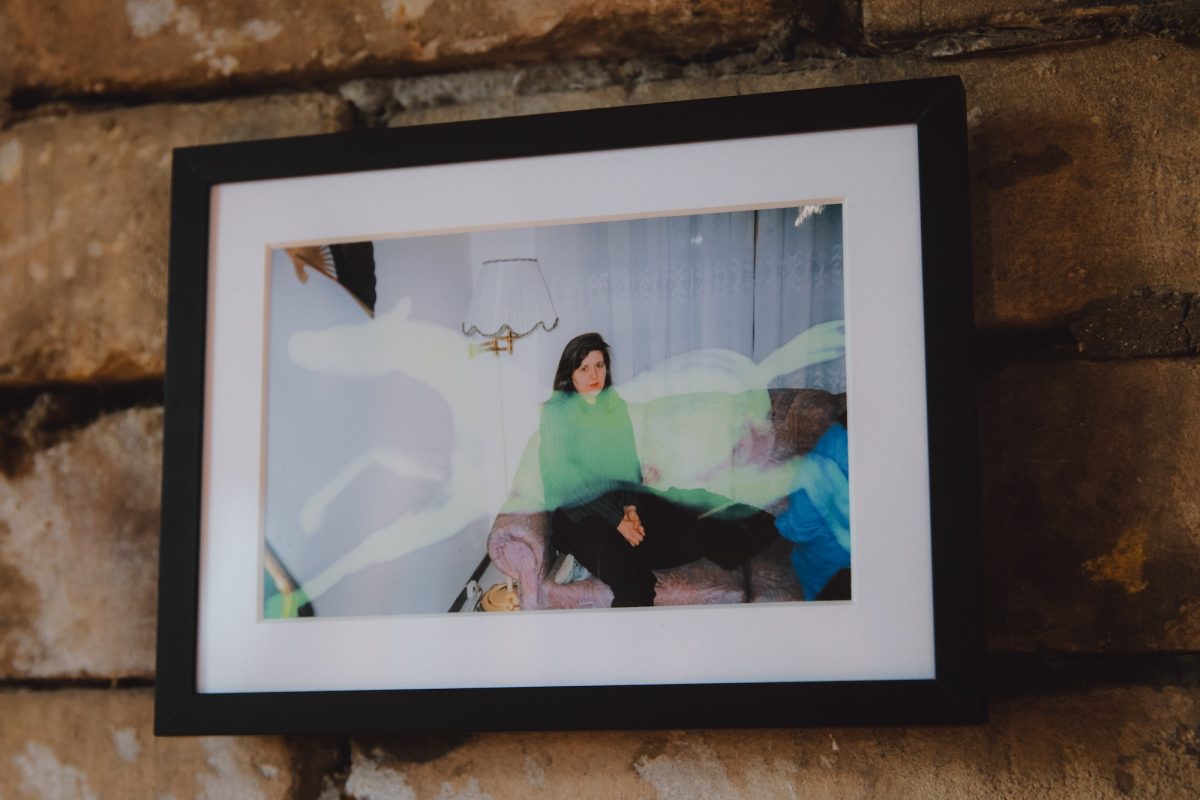
The theme and title of the exhibition reflect Noisy Room’s ethos of free-wheeling independence. Horses crop up everywhere, but never in the same way twice. In works like Madzia Zalewa’s Bukmanki / Horesboxes and 32’s I Repent, they push back against domestication — figures caught in resistance. Elsewhere, in Zoey Chang’s small, flickering Fiery Horse and Joana Duarte’s I Used to Draw my Mother as Horse, they drift into something more elusive, standing in for the unresolved.
For Chandra, the exhibition’s theme lands somewhere between instinct and manifesto:
“the horse is a free spirit and it dislikes being constrained. I think I was inspired by the year of the horse, and also frustration with containment and institutional fatigue… The year of the horse symbolises a period of growth, movement, energy, independence. And I was like, this is perfect. This is what I want to do. I want to create something that grows and has energy.”
That sense of motion carries through the show — in galloping bodies, flashes of violence, surges of emotion. Yet the indelible impression is a feeling of quiet contemplation. Durational performances act as anchors within the space, slowing the pace and encouraging a more attentive way of looking. In doing so, they create room for the surrounding works to unfold on their own terms. Noisy Room Projects invites audiences to absorb the artworks, the vibrations of the space, the subtle sounds, the fleeting glimmers of movement that animate the room. This speaks to Noisy Room Projects’ curatorial confidence, allowing early-career artists the time and space to create works which breathe, grow and simply exist.
Run, Pony, Run MAY 28th -31st, 2026 presented by Noisy Room Projects
Curated by Amabelle Chandra with collaborators Anjalee Chowdhury, Lindsey Blaser and Ariunzaya Batkhuyage
All photography: Isaac Li and Amabelle Chandra