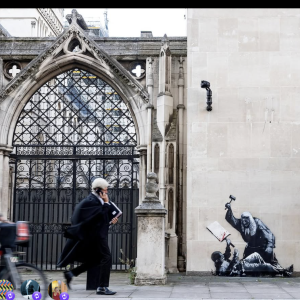
Art Basel has evolved since its birth in 1970. What was once a simple enough art fair has become something closer to a global operating system for the world’s creative elite. Once, Art Basel had what could be considered a relatively stable geography, with its artists in one city, collectors in another, and its fashion and media elements concentrated elsewhere; it has now become an eclectic, chic, and creatively inspiring circuit. This collective of creatives, who both create and consume art, now move continuously and fluidly between hubs like Miami, Paris, Hong Kong, Basel, Los Angeles, and Dubai, following the fairs, fashion weeks, gallery dinners, and brand activations that now take place on a continuous, seasonal calendar.
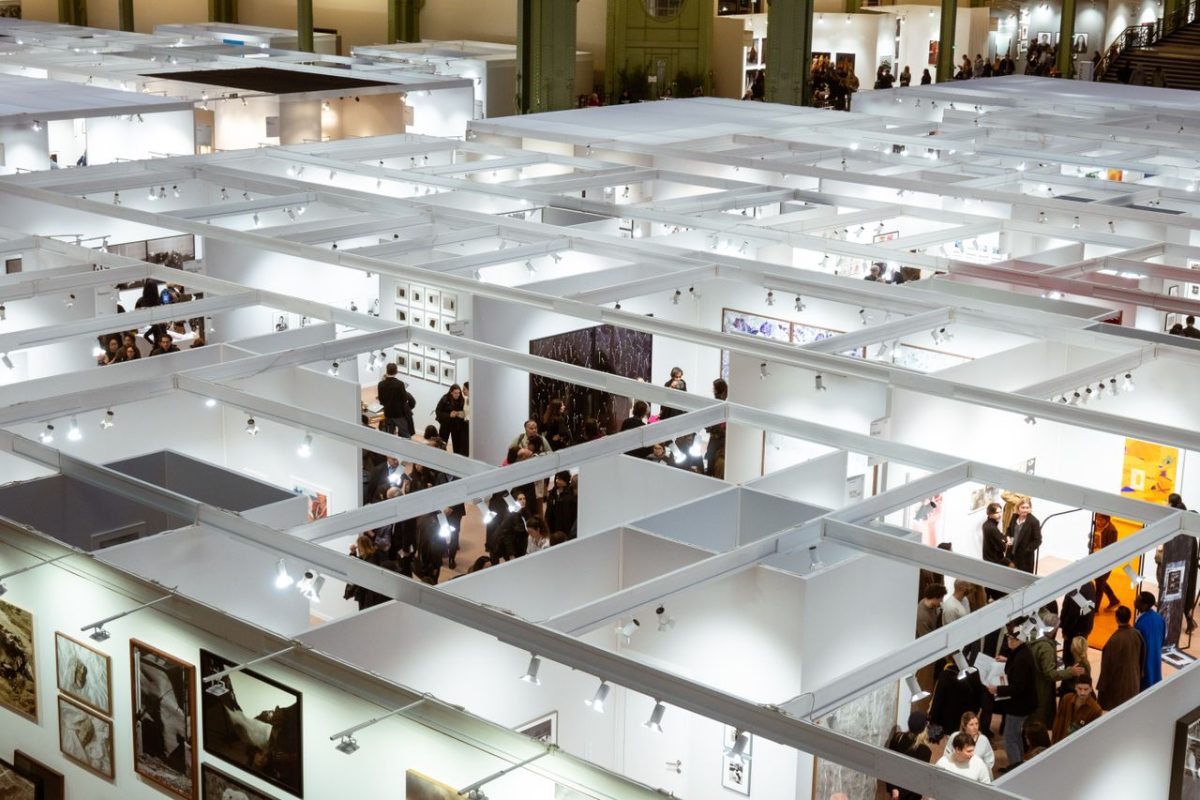
This single organisation, with its multiple facets, has single-handedly shifted the way the creative elite rotate around the world: how they travel and where they move, and for what reasons. Let’s take a look at how Art Basel has shifted travel culture among the glitzy and glamorous of the art, culture, and even fashion worlds.
First: What Is Art Basel?
Art Basel is a premier international contemporary art fair organisation (a title and a half indeed!) that puts on major, incredibly well-publicised and well-attended annual art fairs in cities across the world, including Basel, Miami Beach, Hong Kong, and Paris. The organization was founded in 1970 by a collection of Swiss gallerists. This glittering event began as a marketplace for leading galleries to exhibit and sell modern and contemporary artworks, but it has since grown into one of the most influential institutions in the art world. Art Basel brings together creators, artists, collectors, curators, museums, luxury brands, personalities, and cultural entrepreneurs, functioning not only as a commercial fair but also as a major social and cultural event. Art Basel gatherings often shape and predict trends in art, fashion, nightlife, architecture, and even urban development, making “Art Basel week” in many cities synonymous with elite international cultural moments.
Art Basel’s Impact on How Creatives Travel
The key consideration in the shift that has evolved under Art Basel’s influence is that the world’s art glitterati is no longer anchored to a single “capital” and a single set of events that define it. Now in 2026, mobility itself has become a status symbol for those who art-hop around the globe. Being present at the “right” events in multiple cities matters more than belonging permanently to one scene: diversifying your interests and the events you choose to attend earns you a reputation as a well-rounded, tasteful creative or art appreciator. Access to services that allow individuals to book a private jet, arrange transfers, and book high-end accommodation has multiplied and become incredibly user-friendly, making it a far simpler task that does not necessarily require a travel concierge. This puts the power in the traveler’s hands and contributes in a very positive way to the travel culture around these events.
Defining what has driven this change helps us understand the desires and preferences of those in the know in the art world just a little bit more clearly.
- Art fairs have shifted from simply cultural events to economic engines for their home cities and nearby towns, and suburbs. Art Basel Miami Beach, for example, helped reposition Miami from a leisure destination to a luxury cultural hub with close ties to fashion, hospitality, crypto, real estate, and nightlife.
- Creative industries have merged. Art Basel weeks now offer a combination of art, music, fashion, tech, luxury brand positioning, architecture, and celebrity culture into one thriving ecosystem that accommodates the lifestyles of the upper echelons.
- Cities have begun to compete for the desirable title of “creative capital.” Art Basel itself openly promotes the idea that culture attracts global talent and investment, launching initiatives to help cities brand themselves as cultural capitals and to further this creative and successful cycle.
- The trend of globalization has changed elite movement patterns. Collectors, founders, artists, and cultural operators increasingly live transnationally and often maintain residences and networks across multiple cities rather than committing to a single permanent center.
These factors have created a self-sustaining cycle and driven change in many ways:
- Temporary presence in a city of consequence matters more than permanent residency. Someone may “belong” simultaneously to art and cultural scenes in Berlin, New York City, and Mexico City without fully settling anywhere at any point.
- Neighborhoods in both developing and developed cities are gaining access to financial support after cultural attention arrives. Art districts often precede luxury retail and real-estate speculation.
- Social capital and prestige now come partly from the act of circulation itself. It’s a question of “who was seen where” during Basel week, Frieze week, or fashion week.
But…Is It Art?
This timeless question finds itself an answer. The way that Art Basel, its subsidiaries, and the events and experiences it brings with it have managed to make a flawless artist’s rendering of a chic, glamorous artistic existence. If the trend holds, many more cities will emerge to join the revolution.