
miart’s press release leans heavily on structure, scale and ambition — 160 galleries, 24 countries, three sections — but this year, the first thing you notice is the setting.
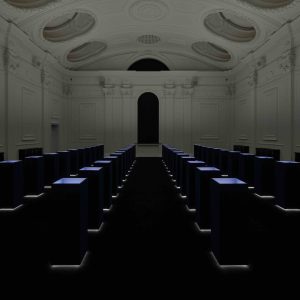
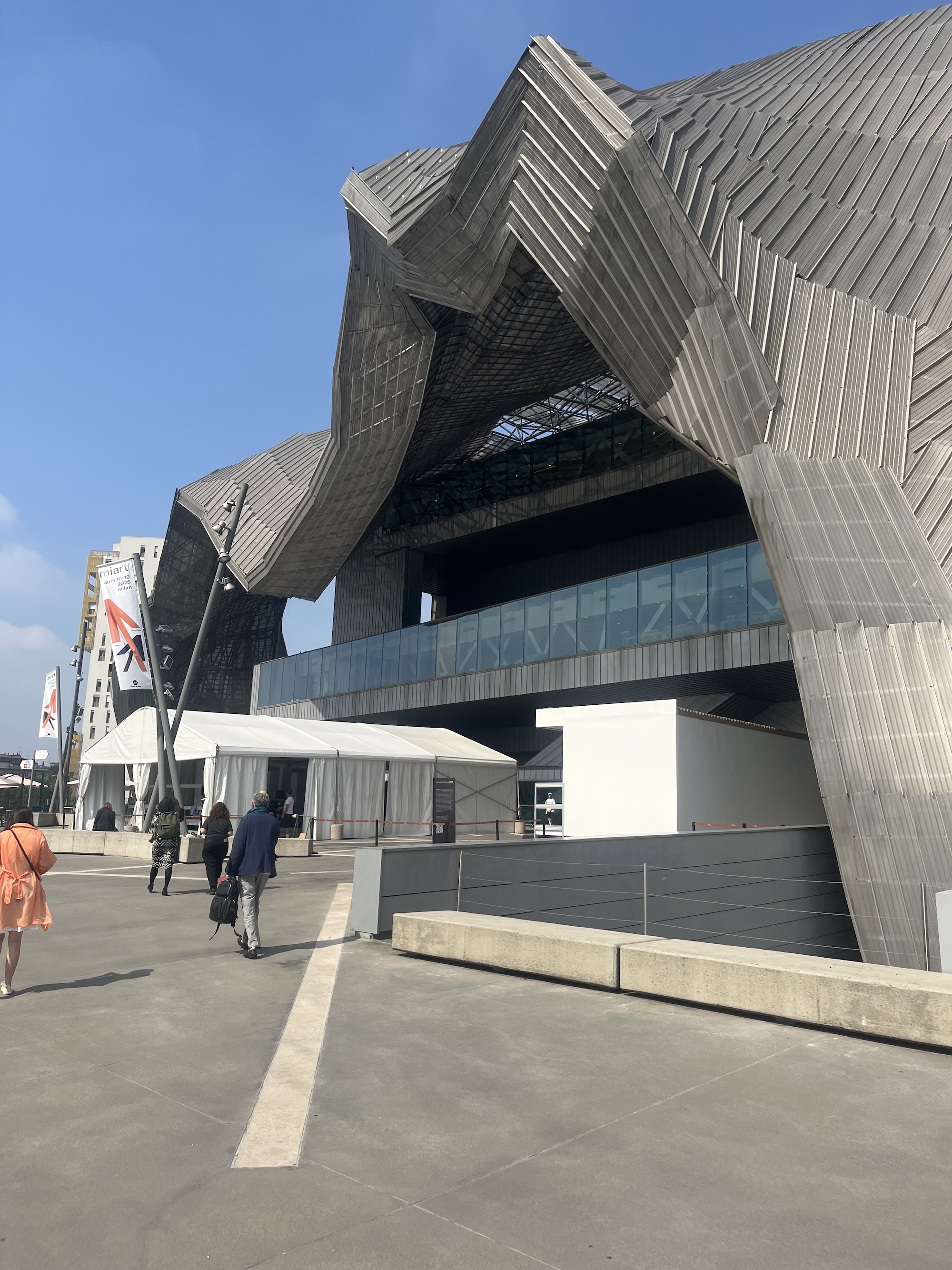
The South Wing of Allianz MiCo sets the tone immediately: futuristic, expansive, and sharply resolved. It mirrors Milan’s reputation as a global centre of cutting-edge fashion and design, and it does more than just host the fair — it sharpens it. The clean architectural lines and open, light-filled layout feel like a purpose-built stage for contemporary art, giving even the most minimal gestures a sense of clarity and intent.
Under the banner New Directions — a nod to John Coltrane — miart positions itself around improvisation, dialogue and movement. And that idea isn’t just conceptual. It plays out in a much more grounded, structural way: galleries grow here.
The most telling detail isn’t the headline numbers, but the quiet progression between sections. Several galleries that once appeared in Emergent — the fair’s testing ground for younger programmes — have moved into the main Established section. That shift reflects a system that supports development, allowing galleries to build momentum and step into a larger stage.
There’s a sense of continuity that’s rare at large fairs. miart doesn’t feel like a revolving door of exhibitors; it feels closer to a community — even a family — albeit one with a clear eye on success. The infrastructure is there, the international reach is there, but so is a kind of long-term thinking: invest in the galleries, and the galleries invest back in the fair.
As always, what we’re looking for at an art fair are those moments — the artists, the presentations, the ideas that cut through the noise. miart 2026 delivers on that front. We found six artists worth focusing on — including one that triggered a rare “is that art?” moment, the kind that stops you mid-stride and lingers longer than expected.
Amanda Moström presented by Rose Easton, London
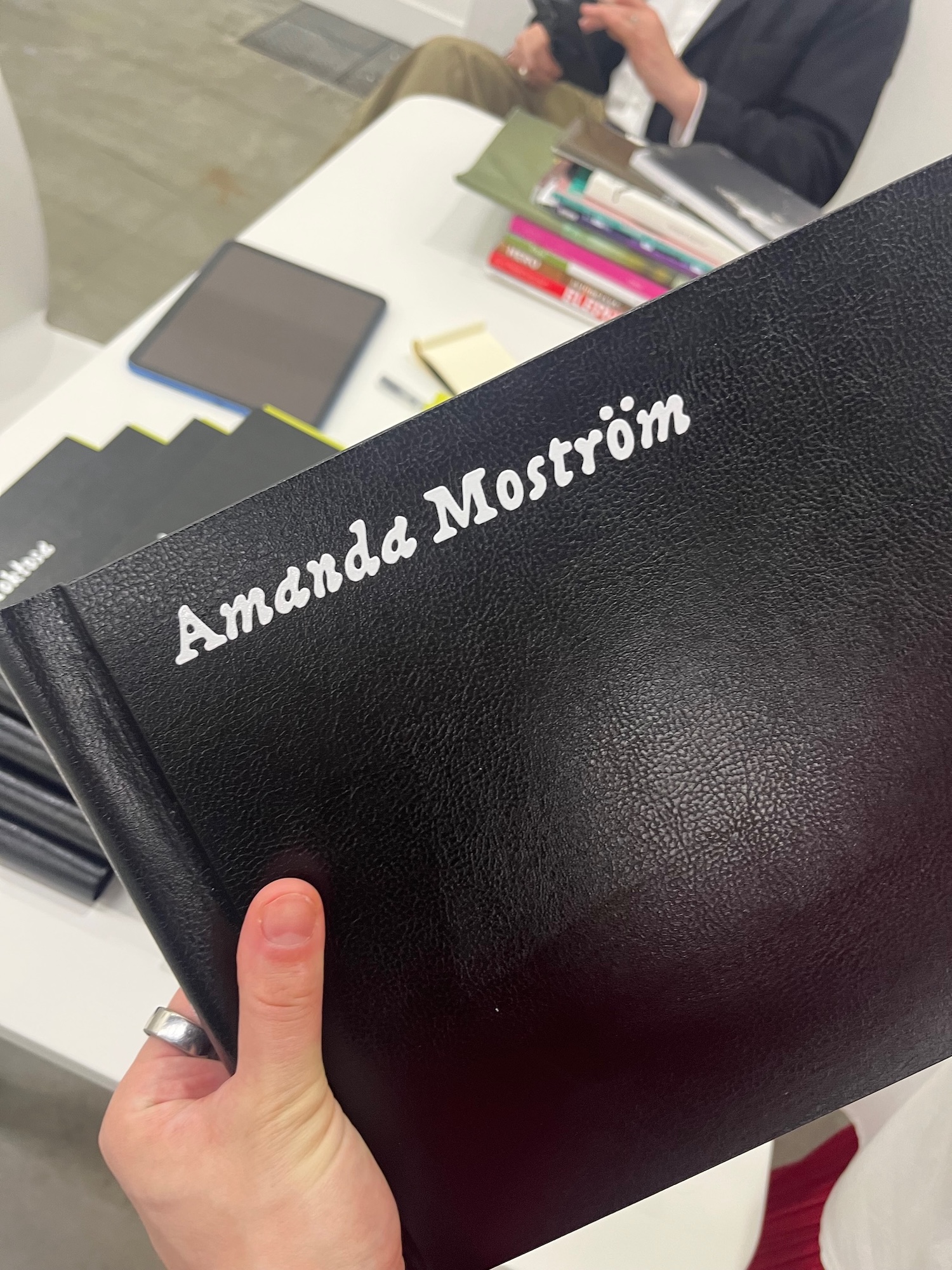
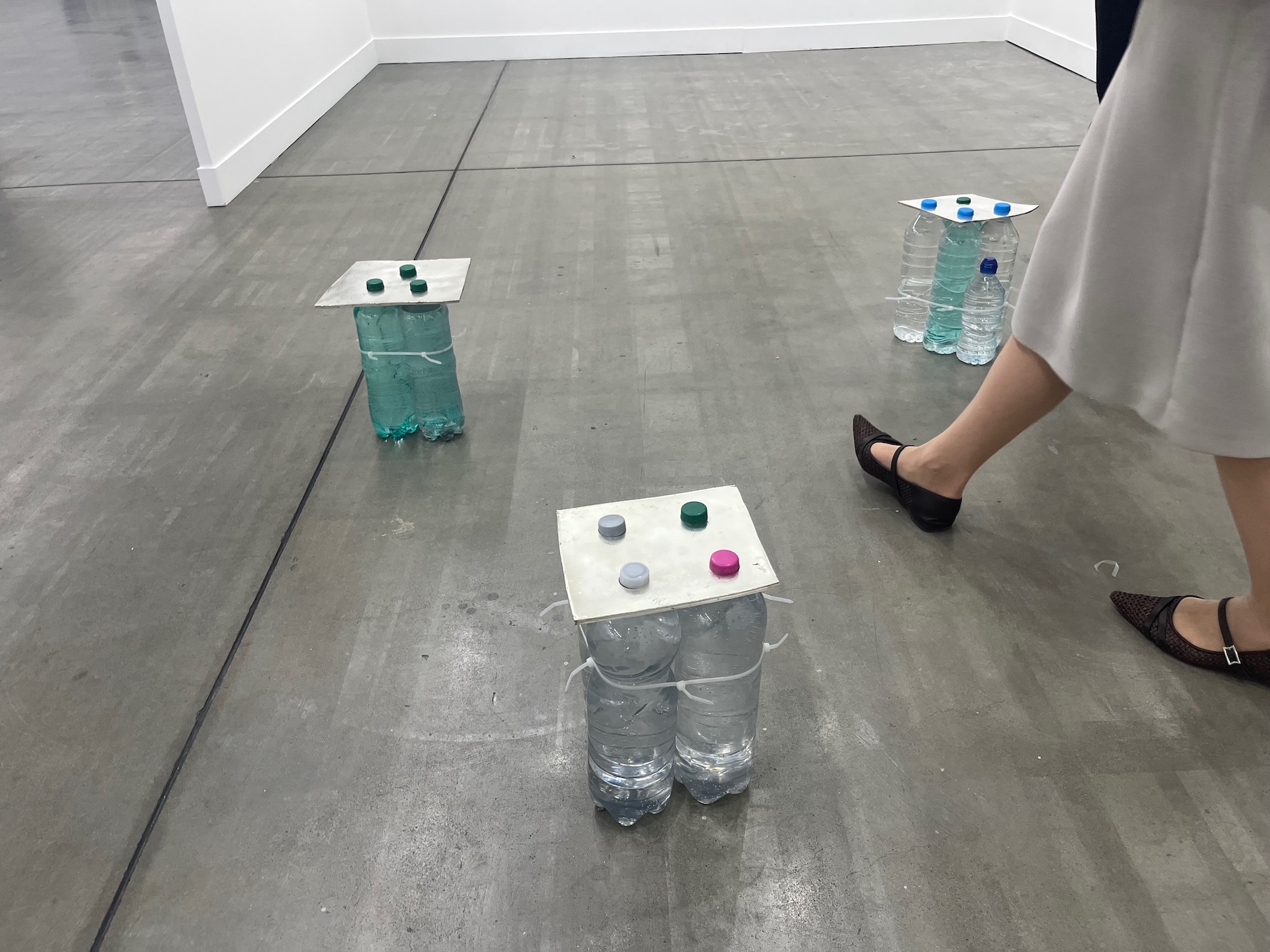
Amanda Moström’s sculptural work at miart delivered one of the fair’s most unexpected moments — a quiet but persistent “is that art?” pause that caught more than a few visitors mid-step. Working with bronze, a material traditionally tied to permanence and authority, Moström deliberately unsettles expectations. Forms appear slightly off-balance, edges waver rather than resolve, and surfaces resist the polished finality we’re used to. There’s a softness at play — sometimes literal, sometimes implied — that gently undermines the medium’s weight and history. It’s a subtle inversion, where fragility and imperfection take precedence over monumentality. The result is work that doesn’t immediately declare itself, instead drawing you into a slower read, where uncertainty becomes part of the experience — and exactly the point.
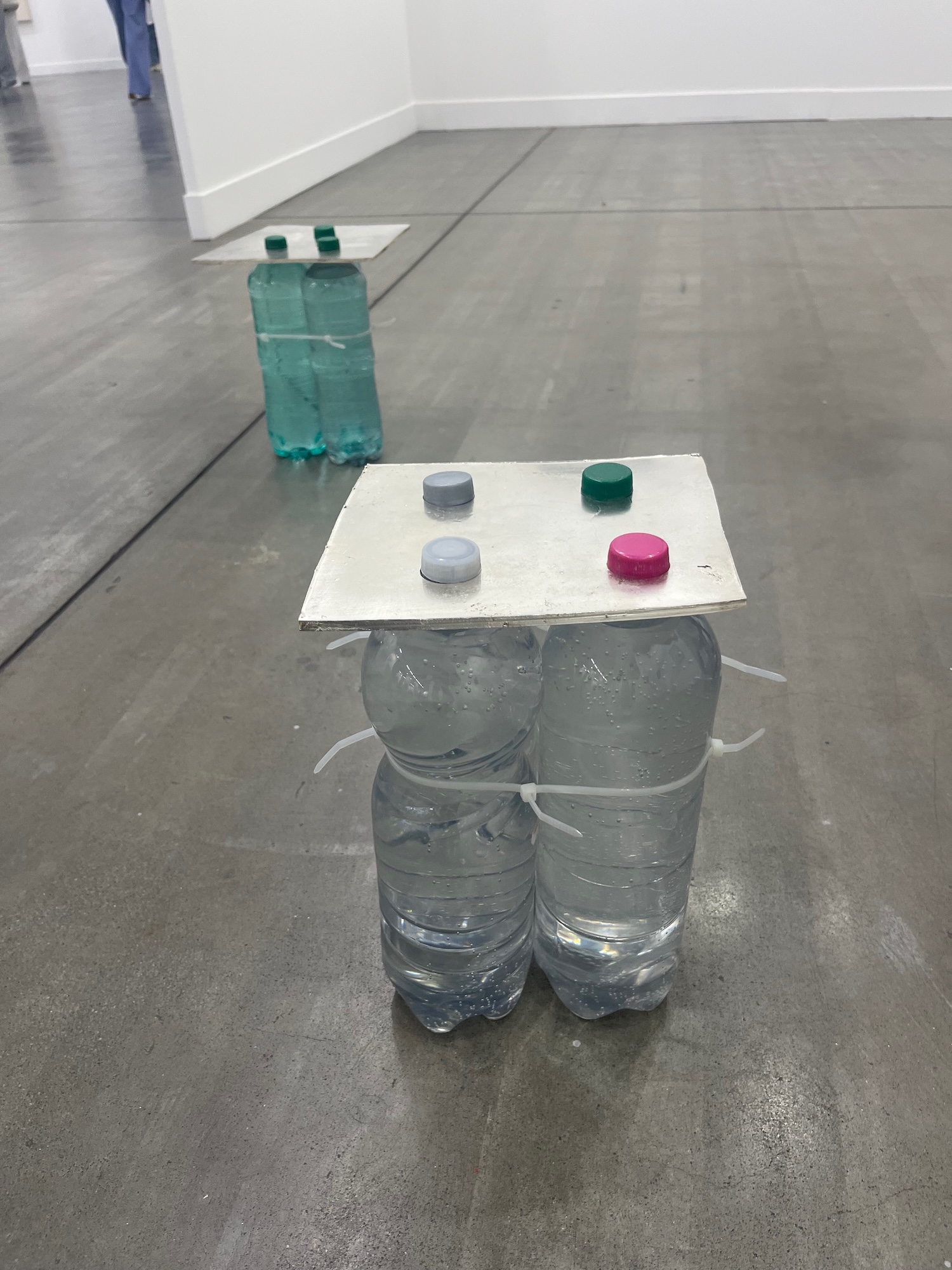
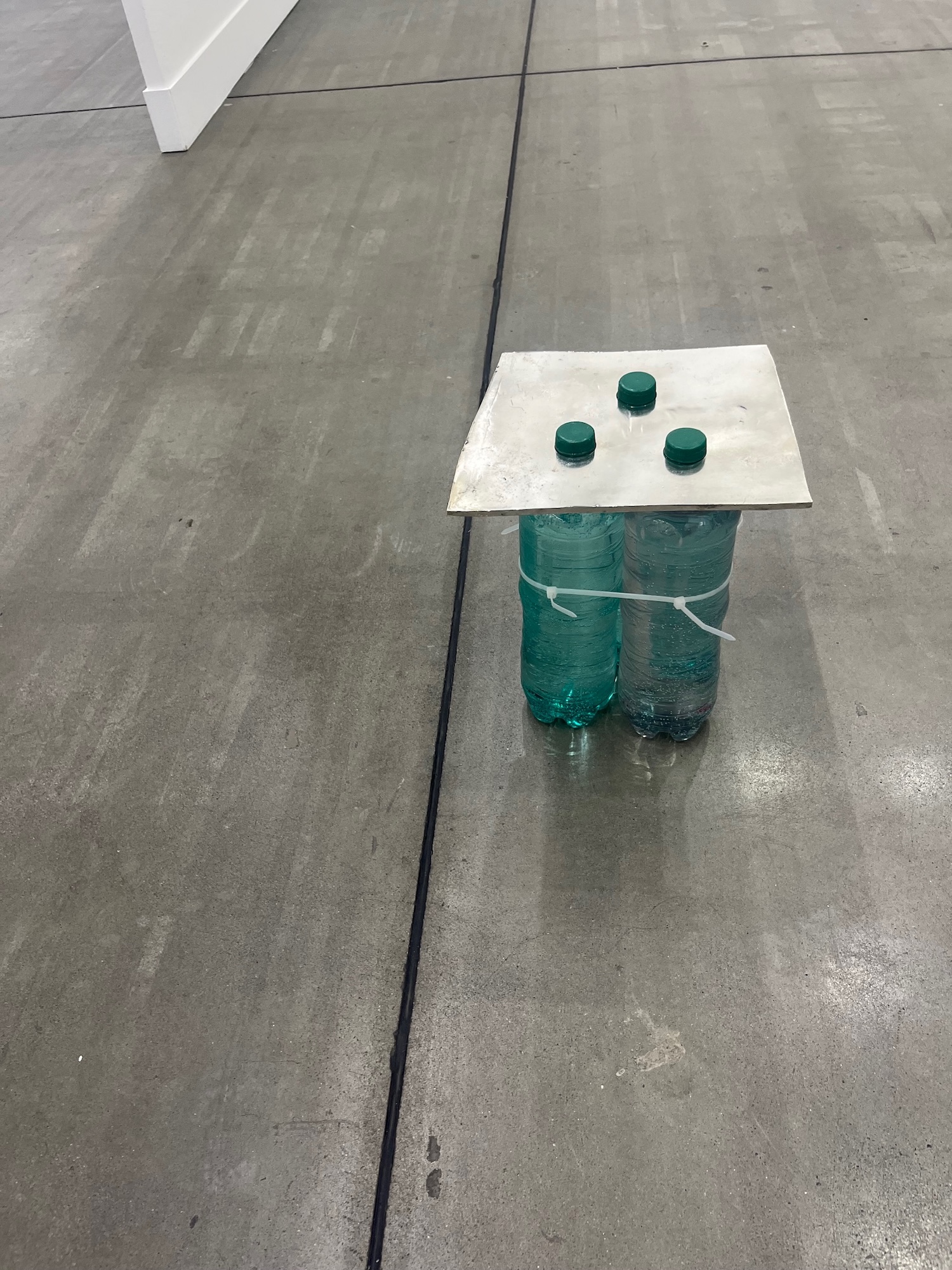
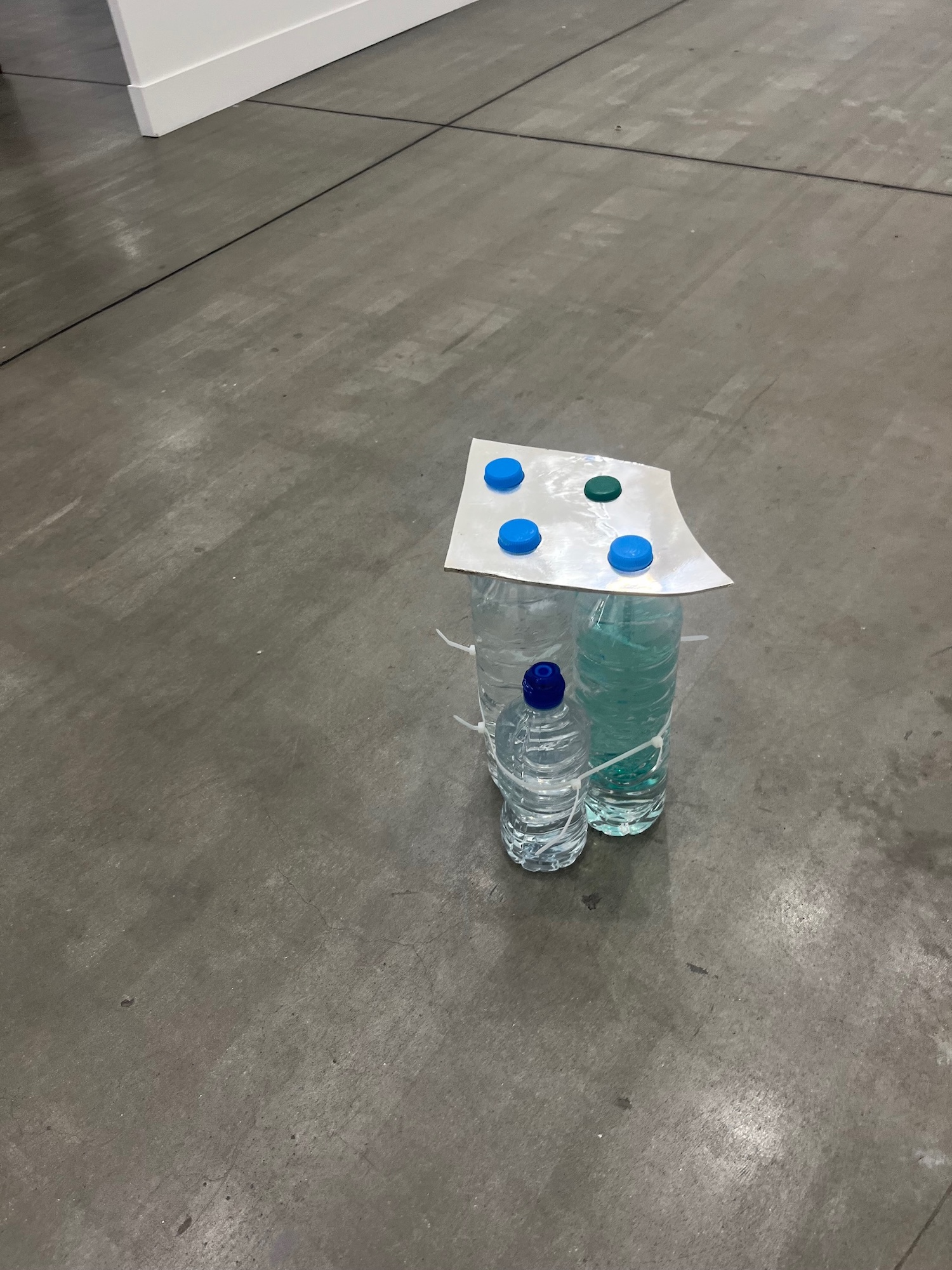
Gina Fischli presented by Soft Opening London
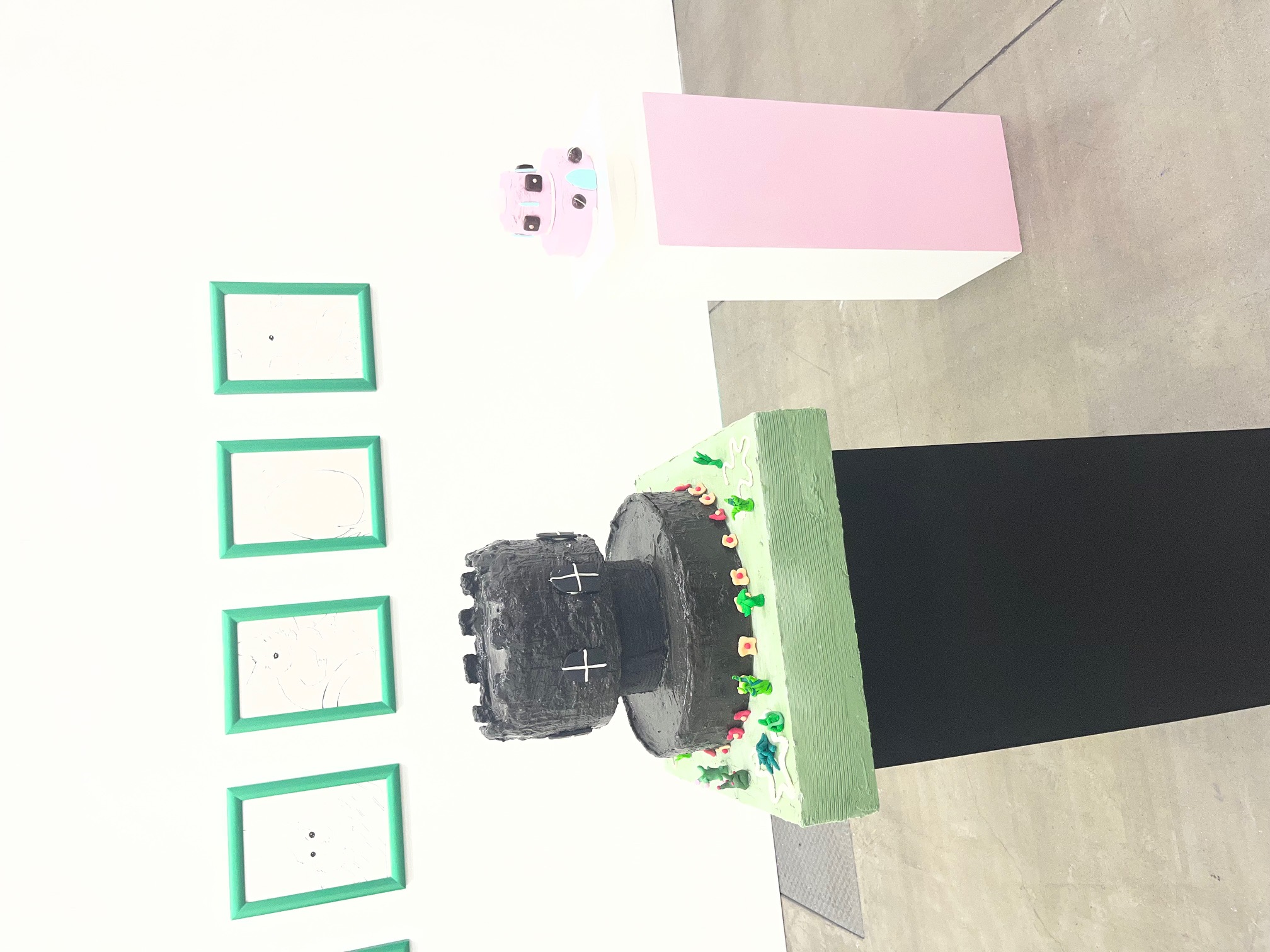
Gina Fischli works with the language of everyday objects — but twists it just enough to make things feel off. Drawing on her background in stage design, her sculptures carry a sense of construction and illusion, where familiar forms — furniture, animals, cakes, glassware — are reassembled into something more theatrical, and slightly suspect. Materials and finishes don’t behave as expected, and that friction is where the work sits: between the recognisable and the artificial.
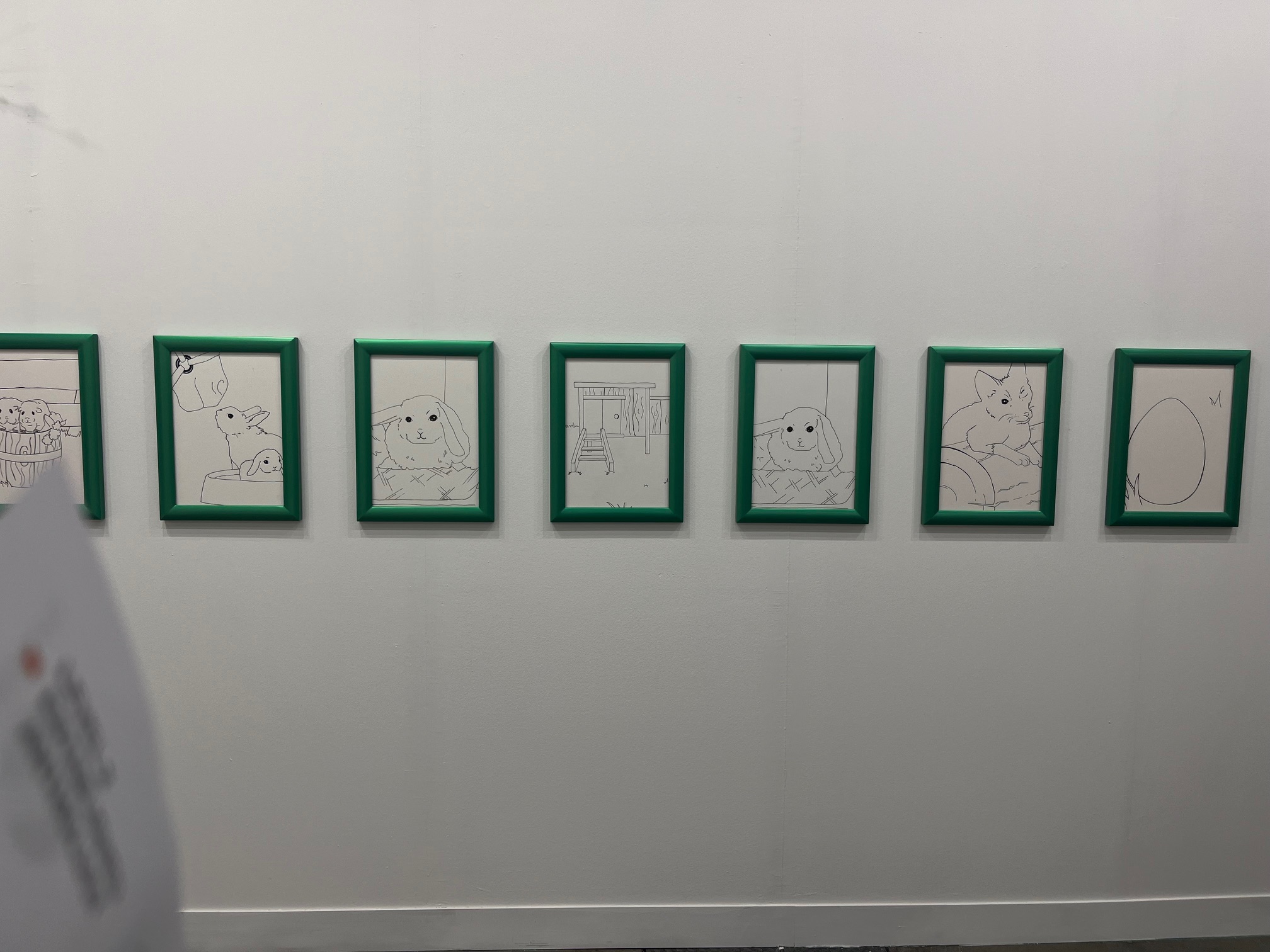
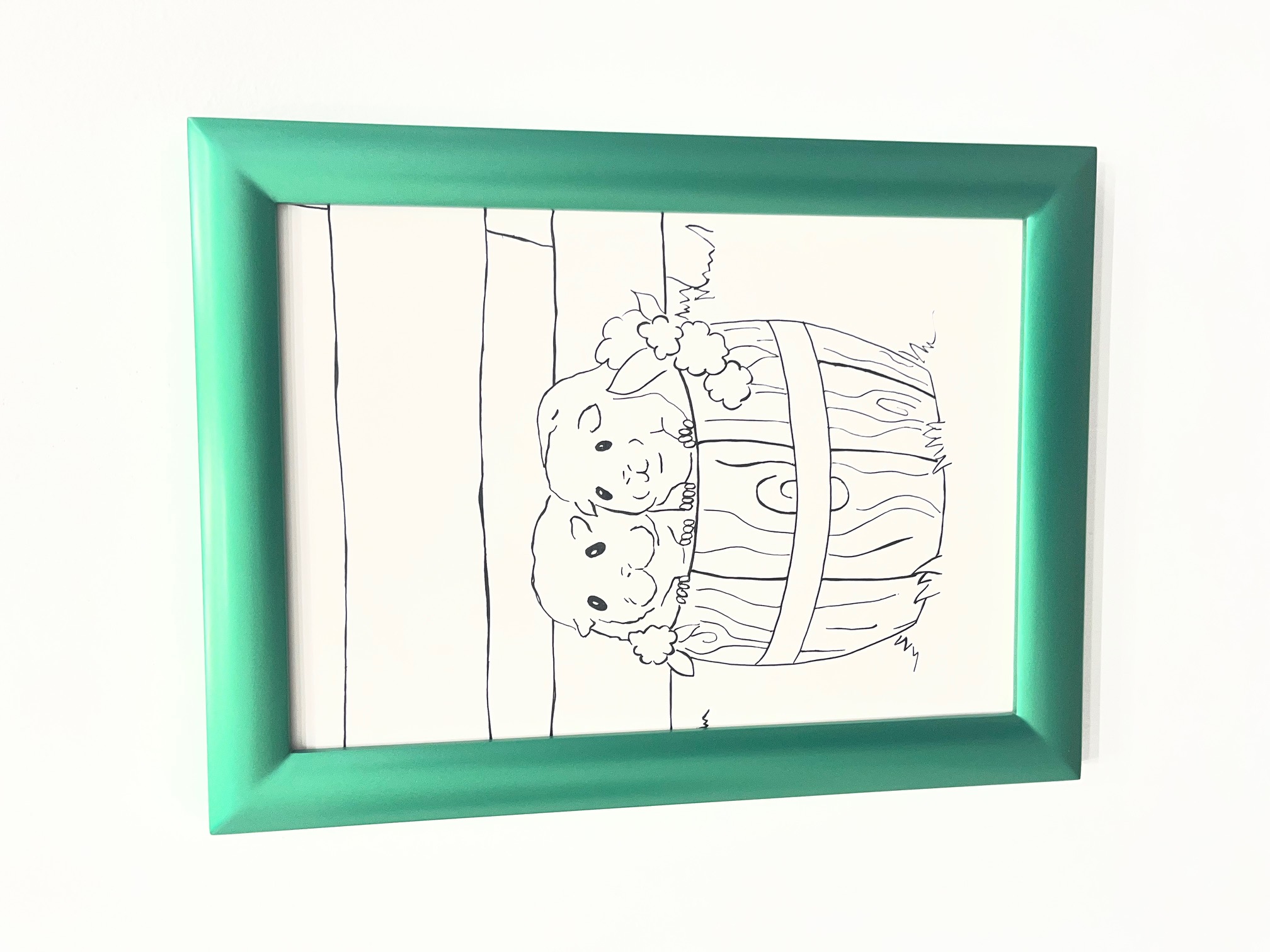
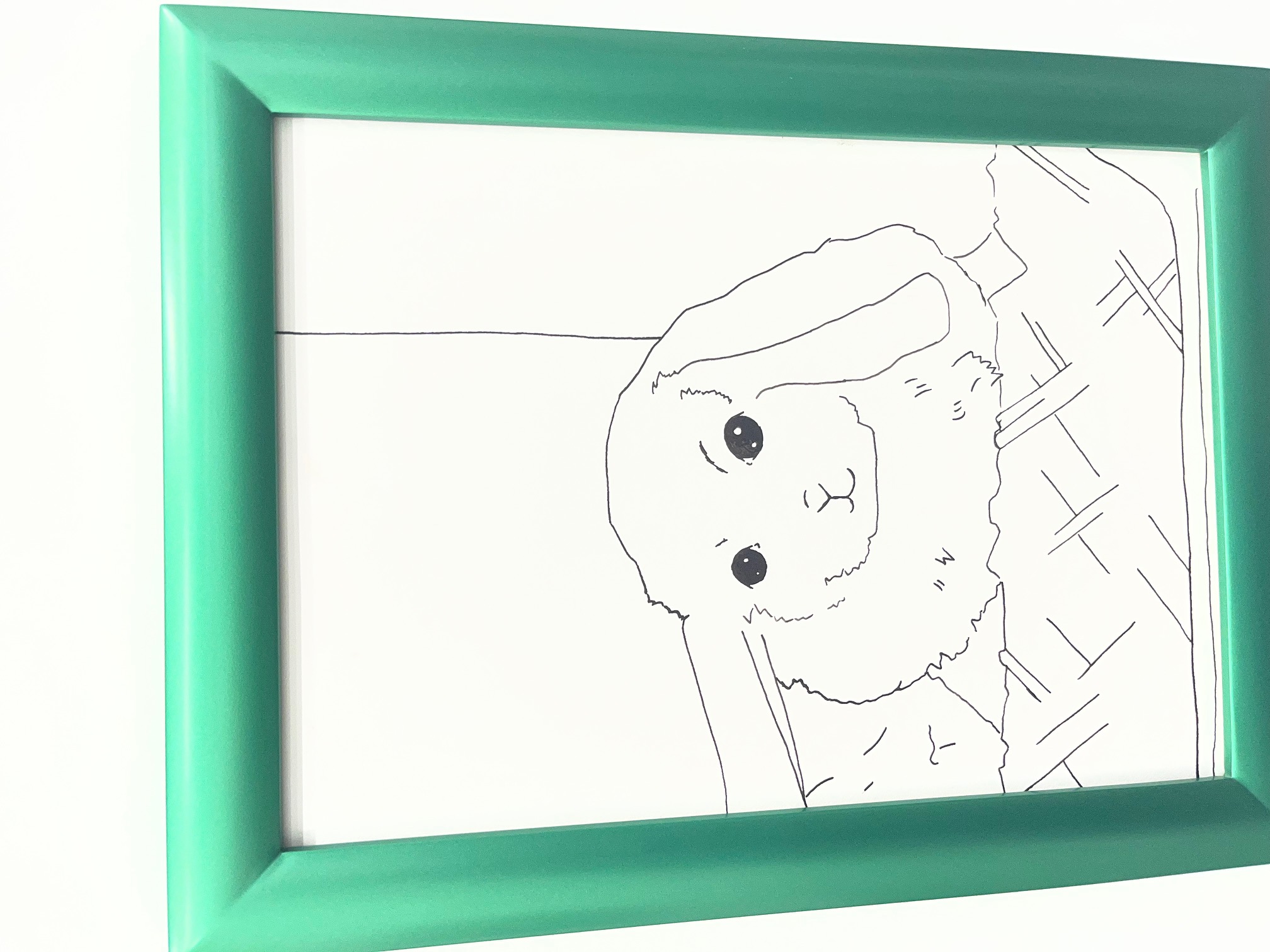
There’s a clear thread of desire running through it all, but it’s filtered through humour. Objects become exaggerated, stylised, almost too perfect — tipping into something uncanny. Fischli leans into that tension, using playful, craft-adjacent techniques to build works that feel light on the surface but carry a sharper edge underneath. What looks decorative starts to read as coded, even conspiratorial — a subtle unpacking of how aspiration and consumption shape what we want, and why.
Emi Mizukami presented by Ehrlich Steinberg Los Angeles
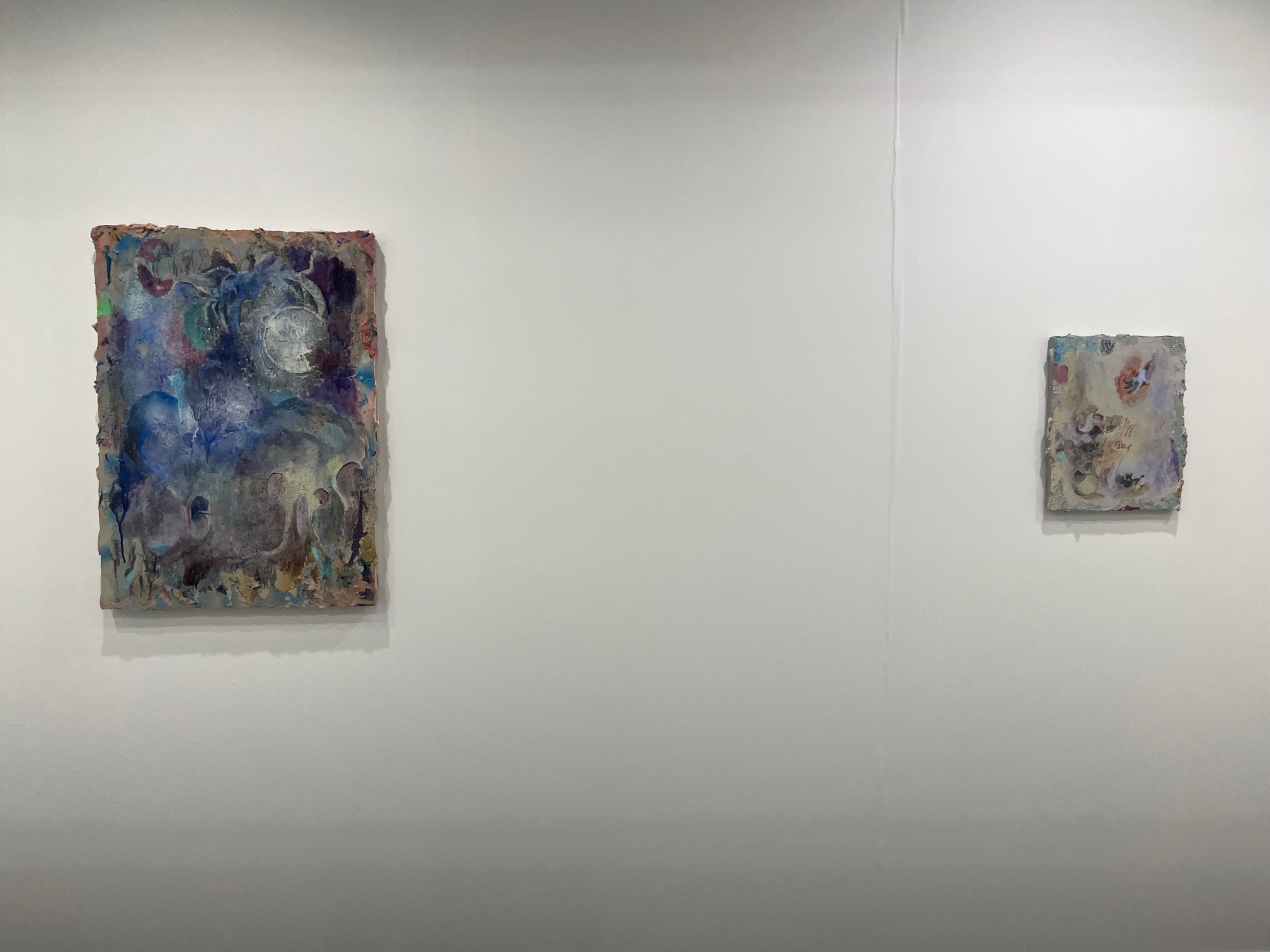
Emi Mizukami builds her paintings as dense, layered fields where imagery feels both unearthed and concealed at the same time. Working with thickened paint and sand paste, surfaces accumulate into something almost sculptural, holding traces of repeated symbols — snakes, swords, angels, fragmented hands and feet — alongside flashes of more contemporary visual language. Nothing settles into a single reading; instead, motifs drift in and out of focus, caught between clarity and erosion.
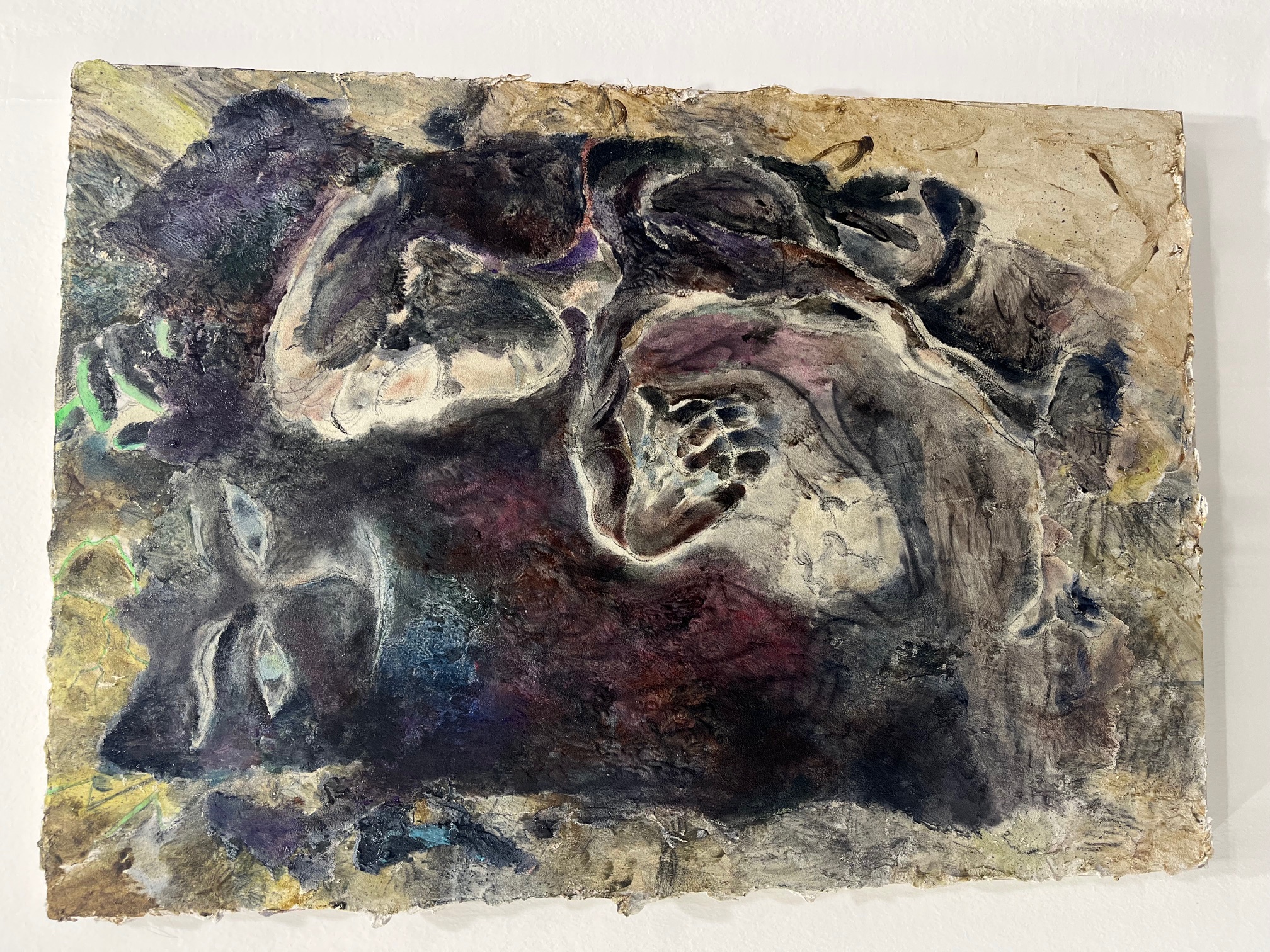
What gives the work its charge is this sense of simultaneous presence and disappearance. Images are buried beneath others, then partially re-emerge, creating a flattened sense of time where past and present sit on the same plane. Mizukami treats these layers equally — what’s hidden matters as much as what’s visible — and that logic extends beyond the front of the canvas. On the reverse, fragments reappear as loose, almost ghosted drawings, as if memory itself is trying to reconstruct what’s been lost. The result is a painting that doesn’t resolve, but continuously folds back in on itself — part mythology, part material record.
Nika Kutateladze presented by Bukia Vakhania, Tbilisi & Berlin
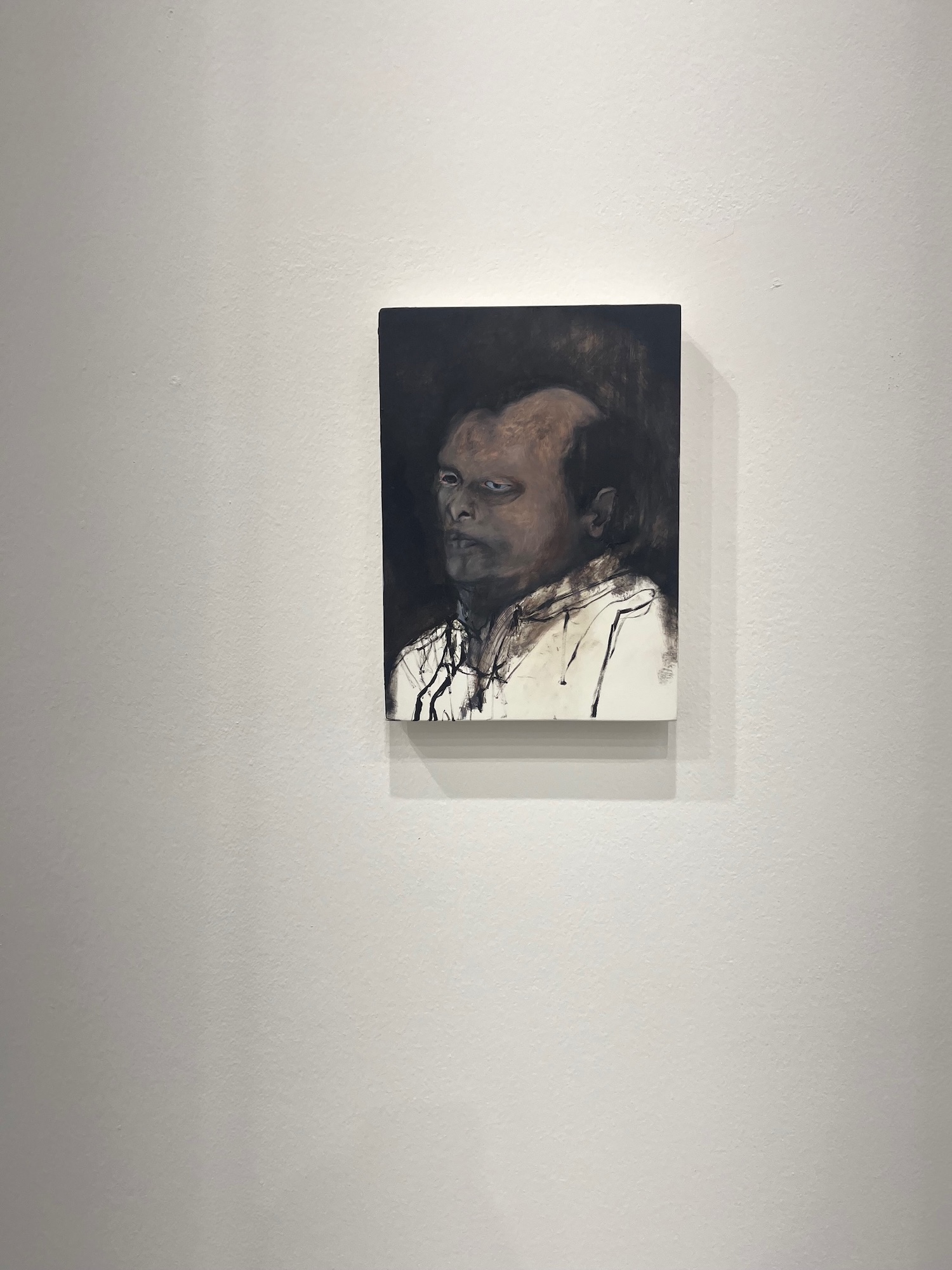
Nika Kutateladze’s presentation at miart shifts his practice firmly into painting, but without losing the spatial and political tension that underpins his wider work. Known for installations that reflect on consumerism and the built environment, here he expands the painted field into something more physical and confrontational. A large-scale, unstretched canvas — fixed directly to the wall — carries a raw, immediate presence, closer to a gesture than a finished object.
Working in oil, and drawing loosely on the visual language of Orthodox iconography, Kutateladze builds scenes that feel both grounded and unsettled. Figures and environments emerge in fragments, suggesting everyday life in rural communities while resisting any fixed narrative. There’s a quiet sense of pressure running through the work — a reflection on shared spaces, proximity, and the instability of what holds them together.
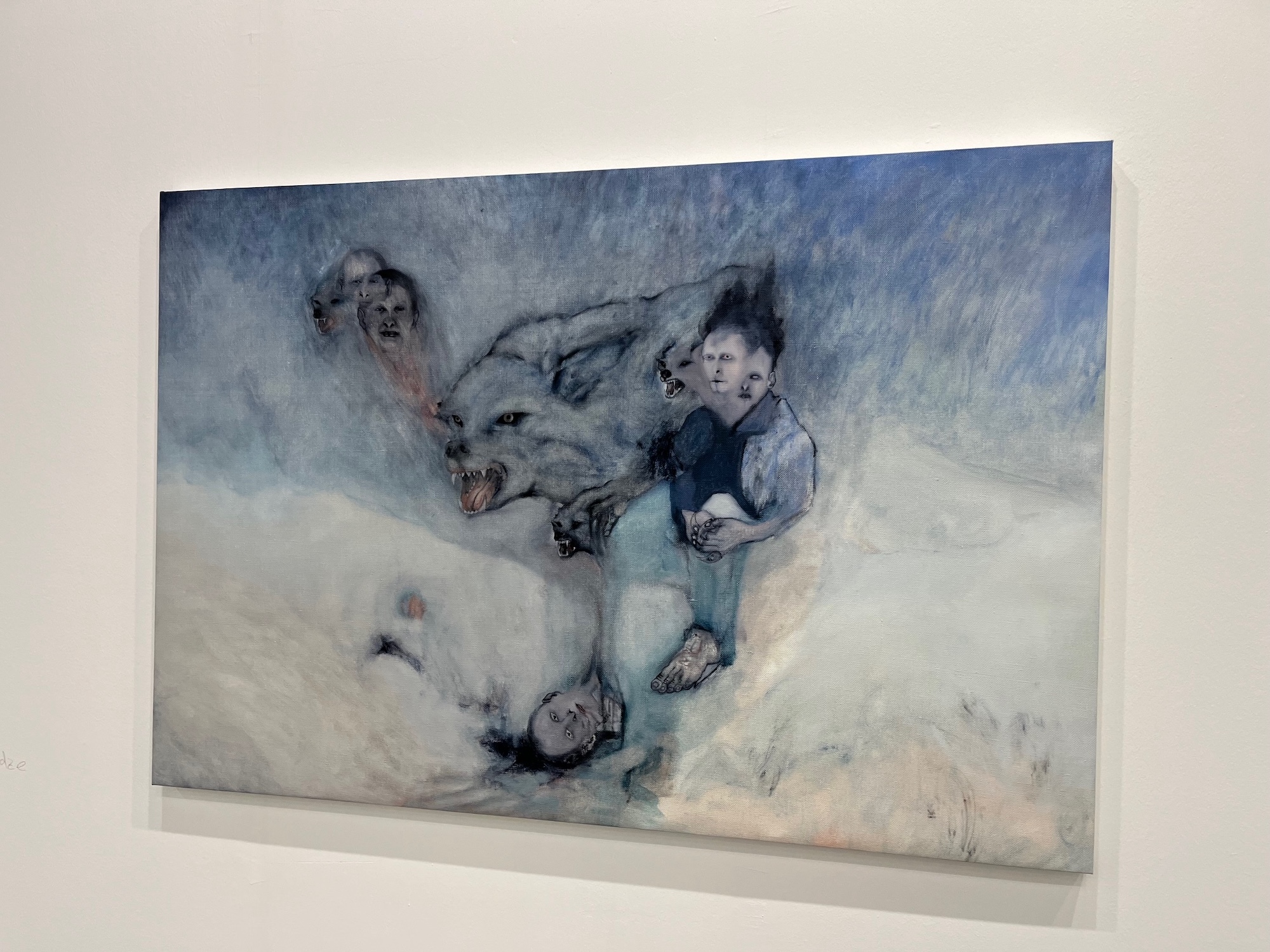
The way the canvas is handled becomes part of that meaning. Hammered into place, it reads almost as an act of insistence — a visual statement that edges into protest. Against the backdrop of increasing restrictions on cultural expression in Georgia, the work carries an added weight, positioning painting not just as image-making, but as a form of resistance shaped through material, scale and presence.
Judith Dean presented by South Parade, London
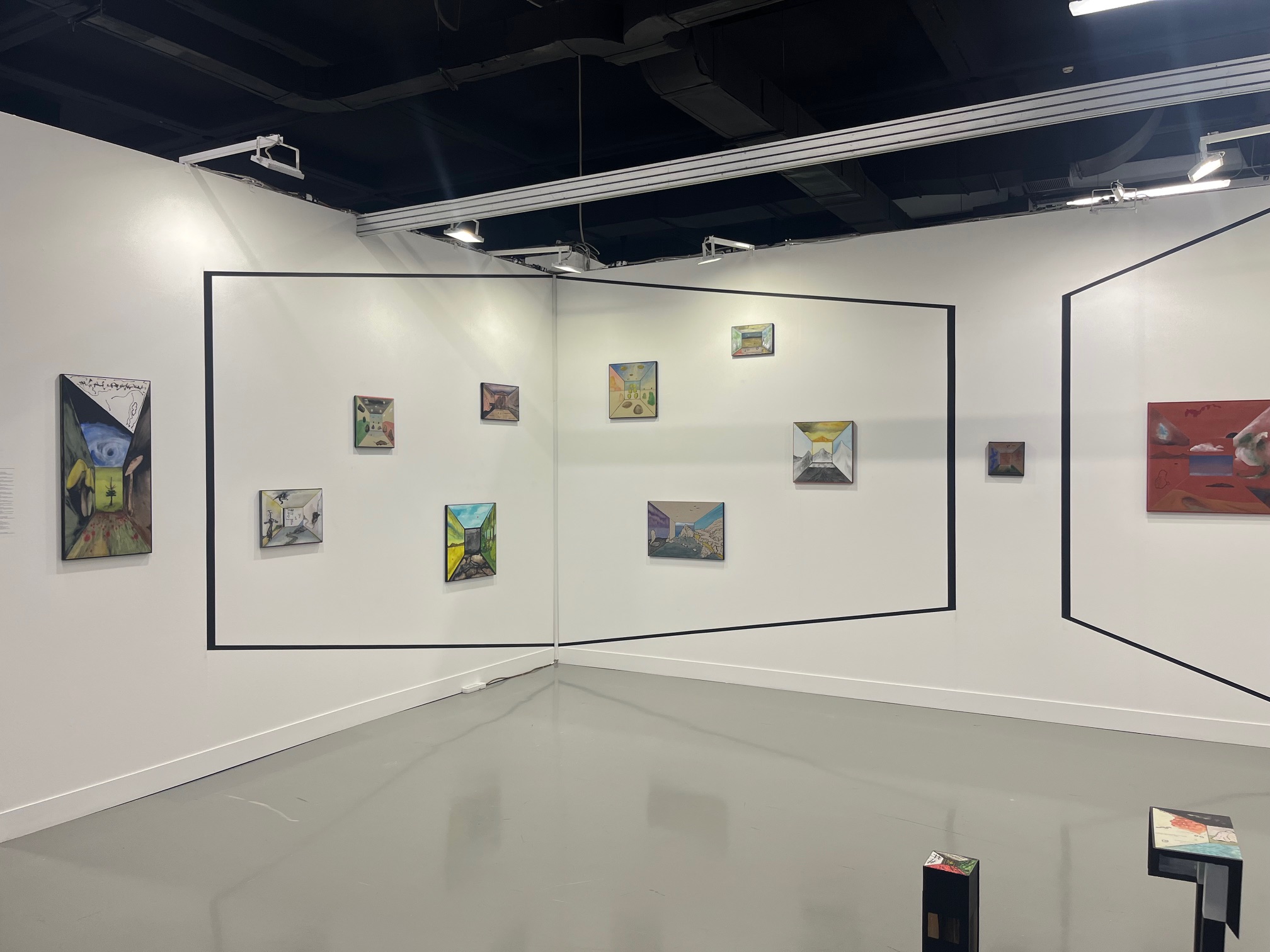
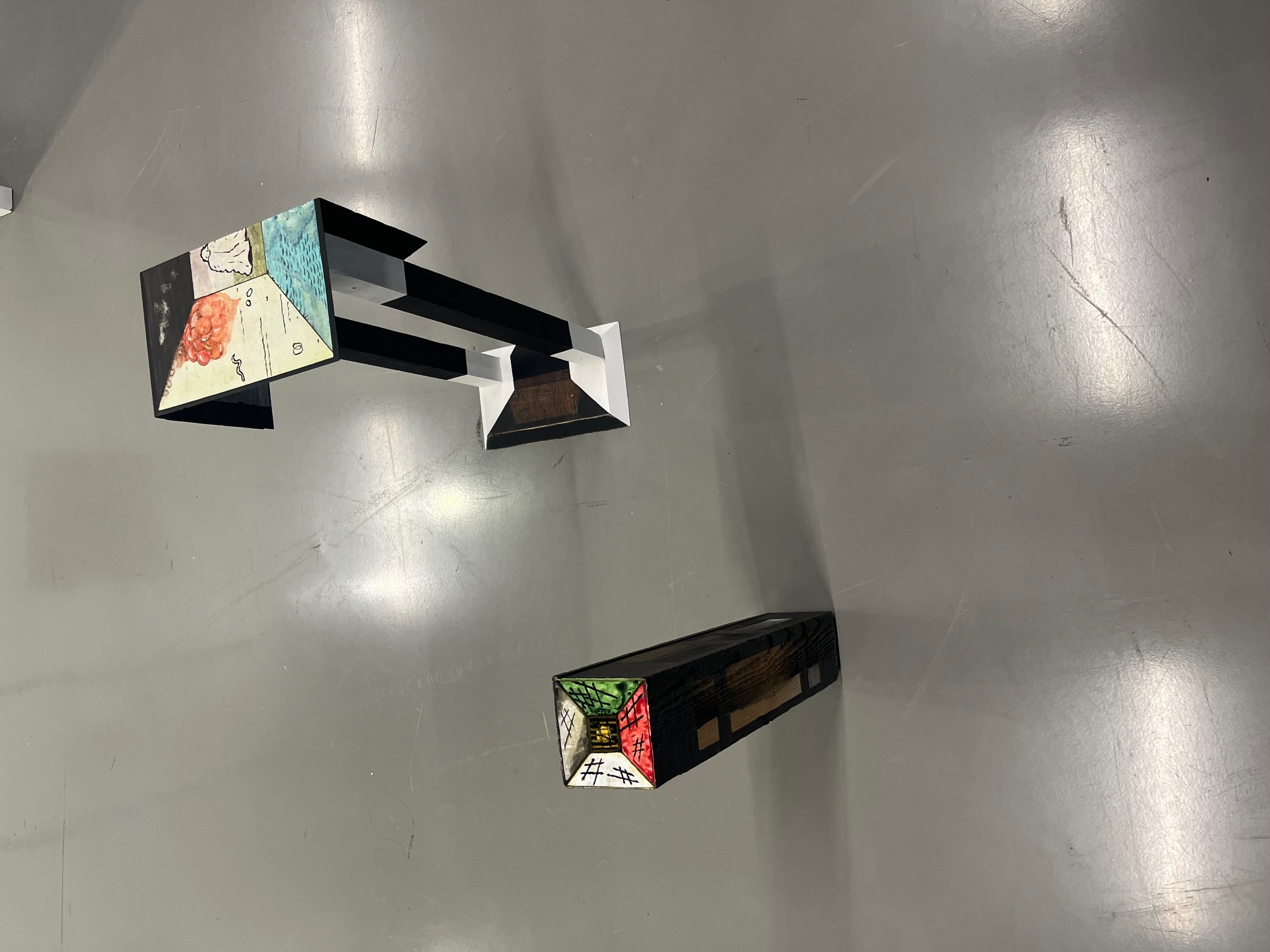
Judith Dean approaches painting as a way of undoing control — both in how images are made and how they’re read. Working with her non-dominant hand, her compositions carry a deliberate instability, where perspective slips and structure never quite settles. Interiors unfold like staged environments — part gallery, part theatre — with walls, floors and corridors that lead nowhere, looping back on themselves or opening into unexpected spaces.
Her paintings pull from a wide range of sources — personal photographs, online imagery, historical references — layered into dense, shifting scenes. Rather than guiding the viewer, Dean fragments attention, stacking multiple viewpoints and visual cues into a single surface. The effect is disorienting in a precise way: you’re constantly adjusting, trying to locate a fixed position that never quite arrives.
What emerges is a quiet resistance to the way we’re used to consuming images — quickly, narrowly, and often passively. By complicating perspective and disrupting visual hierarchy, Dean creates spaces that demand a slower, more conscious kind of looking, where meaning isn’t given but continuously negotiated.
miart 2026 17th-19th April 2026 South Wing of Allianz MiCo @miartmilano