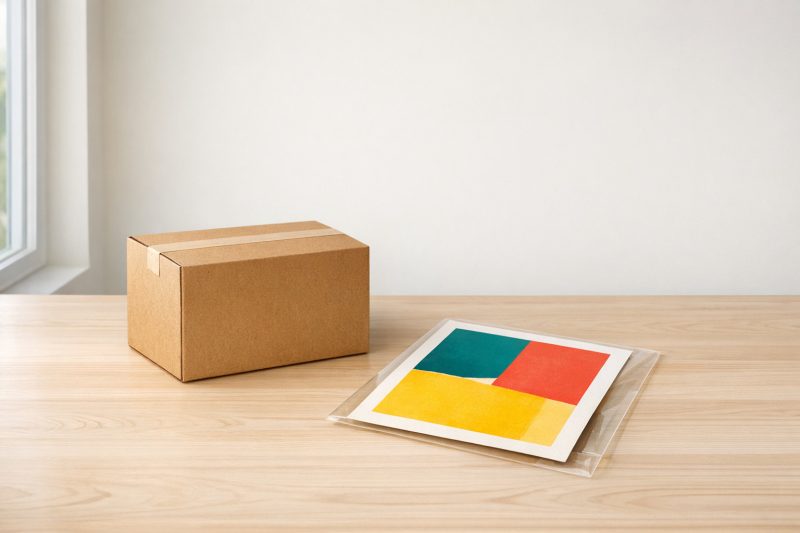
Moving a personal art collection across state lines is one of the most nerve-wracking parts of any relocation. A single scratch on a canvas or crack in a sculpture can mean thousands of dollars in damage and irreplaceable emotional loss.
Yet collectors move all the time, and the ones who do it well follow a clear set of practices. Working with experienced movers for long distance relocations who understand how to handle high-value items is the first and most important step in protecting your collection during transit.
Why Does Moving Art Require Special Attention?
Art is not like furniture. It reacts to temperature, humidity, vibration, and pressure in ways that everyday household items do not.
Oil paintings can crack when exposed to rapid temperature changes during transit. Works on paper, including prints and photographs, absorb moisture that causes warping, foxing, and mold growth. Sculptures with thin elements or mixed materials risk breakage from even minor impacts during loading and unloading.
The insurance issue adds another layer of complexity. Standard moving coverage values items by weight, which means a lightweight painting worth £20,000 would be covered for pennies under basic carrier liability. This mismatch makes specialized coverage and careful packing absolutely essential for any collector.
How Should You Pack Paintings and Framed Works?
Proper packing is the difference between a collection that arrives intact and one that does not. Follow these steps for framed pieces.
- Clean the glass surface and frame gently before wrapping. Dust trapped under packaging can scratch surfaces during transit.
- Apply painter’s tape in an X pattern across the glass face. If the glass breaks, the tape holds the shards in place and prevents them from cutting into the artwork.
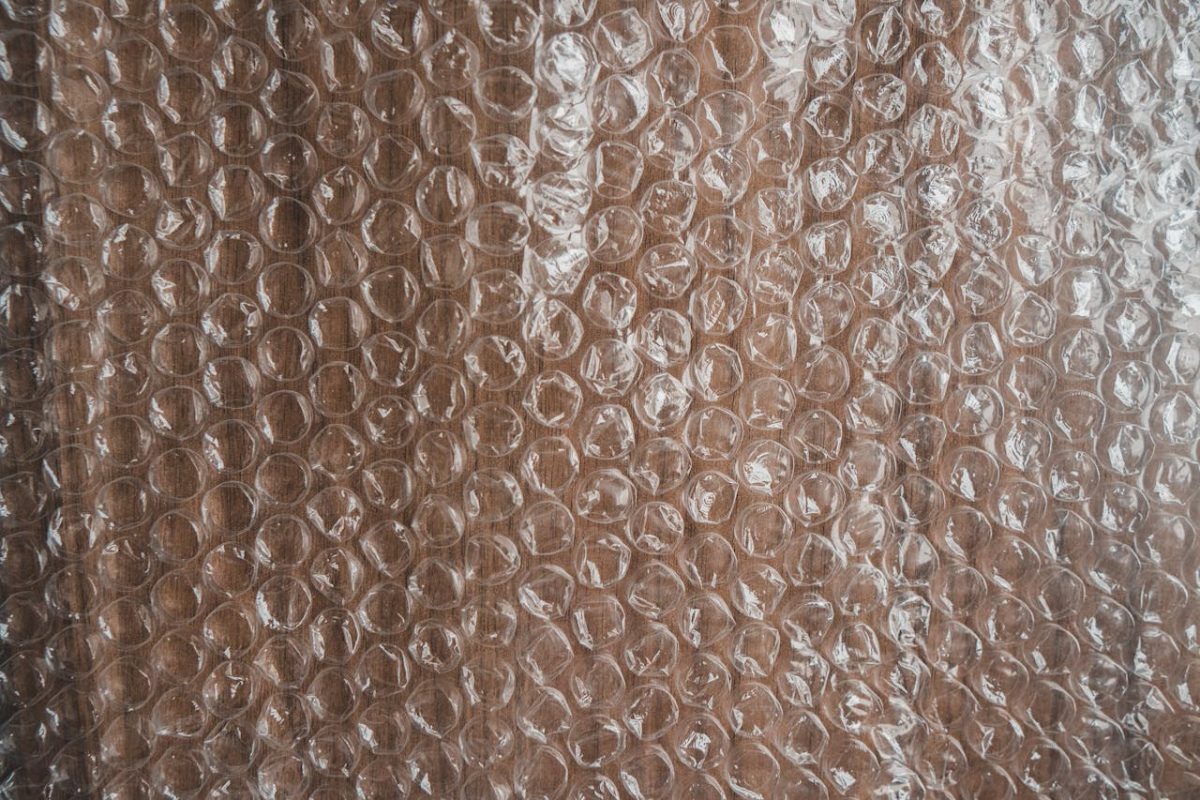
- Wrap the piece in acid-free glassine paper first, then add a layer of bubble wrap with the bubbles facing outward so they do not press into the surface.
- Place the wrapped piece inside a custom-fitted or telescoping picture box. The artwork should fit snugly with no room to shift.
- Mark the box “FRAGILE” and “THIS SIDE UP” on all sides. Add arrows to indicate the correct orientation.
- For high-value works, consider custom wooden crating. A crate with foam-lined interior provides the best protection for pieces that cannot be replaced.
Galleries and auction houses use these same methods when shipping work internationally. There is no reason your personal collection deserves less care and attention.
What Climate Considerations Matter During Transit?
Temperature and humidity control is critical for any long-distance art shipment. According to the Smithsonian Institution, ideal storage and transit conditions for most fine art fall between 65 and 75 degrees Fahrenheit with 40 to 55 percent relative humidity.
Moving during extreme summer heat or winter cold increases risk significantly. Canvases expand and contract with temperature swings, potentially cracking paint layers that have been stable for decades. If your move falls during extreme weather months, request climate-controlled transport from your moving company.
For mixed-media works or pieces with organic materials like wood, leather, or textile elements, the humidity factor is even more important. These materials absorb and release moisture at different rates, which can cause warping, separation, or surface damage. A climate-controlled truck or shipping container maintains stable conditions throughout the journey.
What Insurance Options Exist for Moving Fine Art?
Standard moving insurance does not adequately protect a collection. Here are the coverage types worth considering.
- Declared value coverage: You declare a specific dollar amount for the entire shipment. The carrier is liable up to that total, but proving individual item values requires documentation.
- All-risk fine art insurance: This is the gold standard. It covers damage, loss, and theft during packing, transit, and unpacking. Most policies cover restoration costs as well.
- Third-party transit insurance: Purchased separately from companies that specialize in art and collectibles coverage. Often more flexible than carrier-provided options.
- Appraisal requirement: Most insurers require a current appraisal for items above a certain threshold. Get appraisals updated before your move, not after.
- Documentation: Photograph every piece from multiple angles before packing. Include close-ups of existing condition issues. This creates a clear baseline for any damage claims.
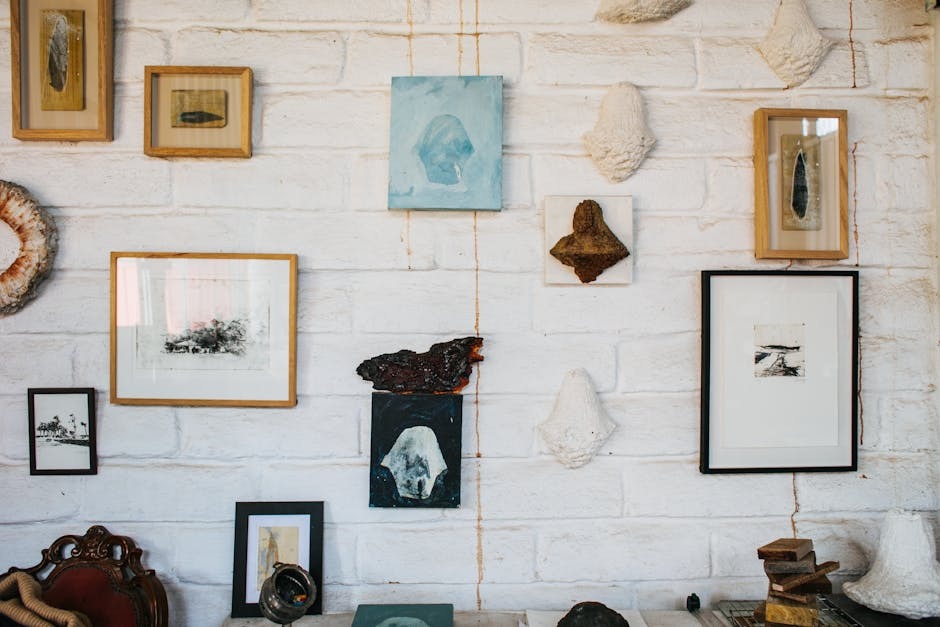
Photo by Rachel Claire on Pexels
Alt text: Artwork being hung on a gallery-style wall in a private home
According to the International Foundation for Art Research, proper documentation and insurance are the two most frequently overlooked aspects of private art relocation.
How Should You Reinstall Your Collection After the Move?
Unpacking art is not something to rush. Give yourself at least 48 hours after arrival before opening any crated or boxed works, especially if the climate at your destination differs from your origin city.
This waiting period lets the pieces gradually acclimate to the new environment’s temperature and humidity. Opening them immediately in a significantly different climate can cause condensation on surfaces, which leads to damage that might not become visible for weeks.
When you are ready to hang, plan your wall layouts before putting any nails in the wall. Consider the new space’s natural light direction. Direct sunlight fades pigments over time, so position UV-sensitive works on walls that receive indirect or filtered light.
Collector’s Moving Checklist
- Get current appraisals for all high-value works before the move.
- Use acid-free materials and custom crating for irreplaceable pieces.
- Request climate-controlled transport, especially during extreme weather months.
- Purchase all-risk fine art insurance rather than relying on standard carrier coverage.
- Wait 48 hours before unpacking art to let pieces acclimate to the new environment.
- Plan wall placement around natural light to protect UV-sensitive works.
Protecting What Matters Most
A long-distance move is manageable when the logistics are handled well, but art requires a level of care that goes beyond what most standard moves provide. Treat your collection the way a gallery treats its inventory: document everything, pack with precision, control the climate, and take the time to reinstall thoughtfully.
FAQ
Should I use a regular moving company or an art shipping specialist?
For collections with pieces valued above a few thousand dollars, an art shipping specialist or a general mover with fine art experience is worth the premium. Standard movers may not carry proper crating materials or climate-controlled vehicles.
How do I insure a single high-value painting during a move?
Purchase a standalone all-risk fine art transit policy through a specialty insurer. You will need a current appraisal and detailed photographs of the piece’s condition before coverage begins.
Can I move art in my own car instead of the moving truck?
For small, highly valuable pieces, transporting them in your own climate-controlled vehicle is actually the safest option. Wrap them properly and keep them flat or upright depending on the medium.
How long should art acclimate before I hang it in my new home?
Allow at least 48 hours in the new environment before unwrapping. If the climate difference between your old and new locations is significant, extend this to three to five days.