Brazen three-minute theft targets masterpieces at Magnani Rocca Foundation
A group of masked thieves have stolen paintings by Pierre-Auguste Renoir, Paul Cézanne and Henri Matisse from the Magnani Rocca Foundation in northern Italy, in what appears to have been a highly coordinated and targeted operation.
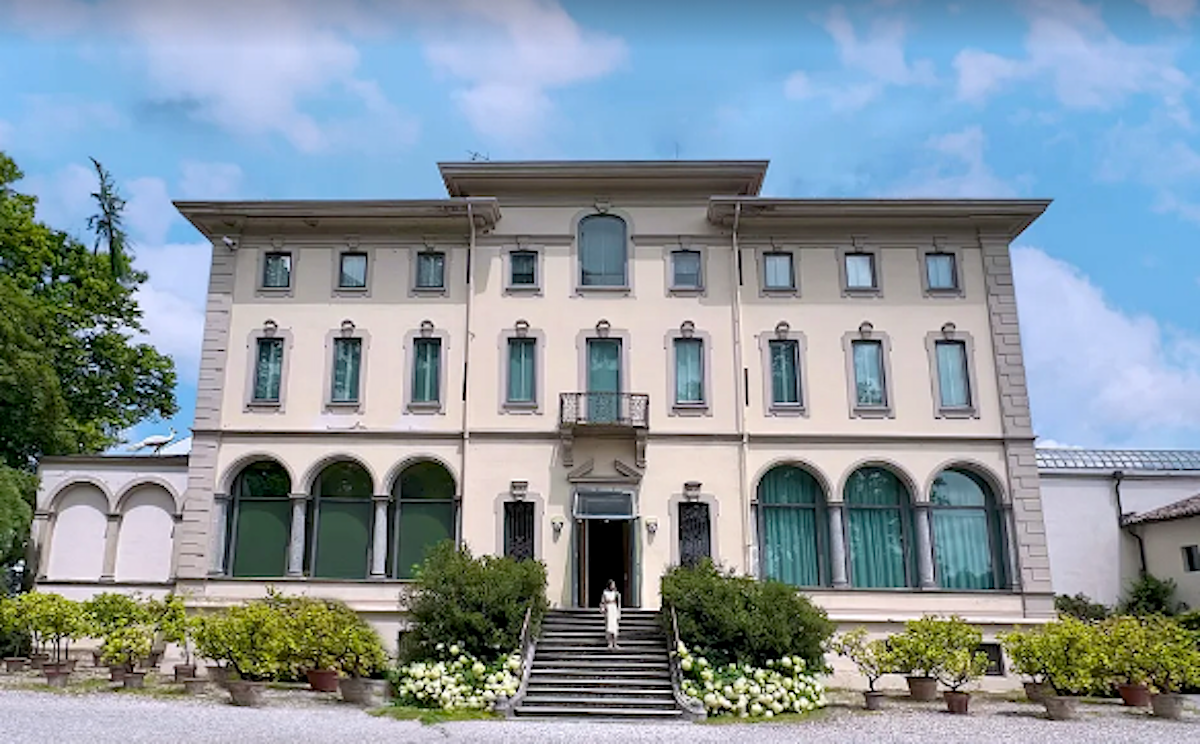
The theft took place on the night of 22nd March at the villa museum, located just outside Parma. According to police and museum statements, four masked individuals forced entry into the building before heading directly to a first-floor gallery, where they removed three paintings and fled through the surrounding gardens.
The works stolen—Fish by Renoir, Still Life with Cherries by Cézanne, and Odalisque on the Terrace by Matisse—are estimated to have a combined value of around €9 million. Each painting reflects a pivotal moment in the evolution of modern art, from Impressionist light to Cézanne’s structural still lifes and Matisse’s sensuous, colour-driven interiors.
What is striking is the speed. The entire operation reportedly lasted less than three minutes. The thieves appeared to act with precision, suggesting prior knowledge of both the layout and the works themselves.
Security systems prevented access to other parts of the museum, and police response was rapid, but the group had already disappeared. Authorities are now reviewing surveillance footage from both the museum and nearby buildings as part of an ongoing investigation.
Founded in 1977, the Magnani Rocca Foundation houses the collection of art historian Luigi Magnani, with holdings that span from Old Masters to modern European painting, including works by Peter Paul Rubens, Francisco Goya and Claude Monet.
The theft adds to a growing pattern of high-profile art crimes across Europe, where smaller institutions—often with significant but less heavily guarded collections—have become increasingly vulnerable.
As investigations continue, the disappearance of these three works raises familiar questions: not only of security and access, but of visibility itself—how artworks circulate, and how quickly they can vanish.