The Royal College of Art has announced the winners of its RCA Grand Challenge 2026, the world’s largest postgraduate design initiative. Bringing together interdisciplinary teams across the School of Design, this year’s edition—centred on Design for Betterment—spotlights ambitious, human-centred solutions tackling two of the most urgent global issues: sustainability and equity.
The winning projects for the categories ‘Sustainability’ and ‘Equity’ were chosen by judging panels including representatives from the RCA, Holland & Barrett, Tesco, and Arup.
The winning projects are:
Sustainability:
FIRST PLACE: Oasis
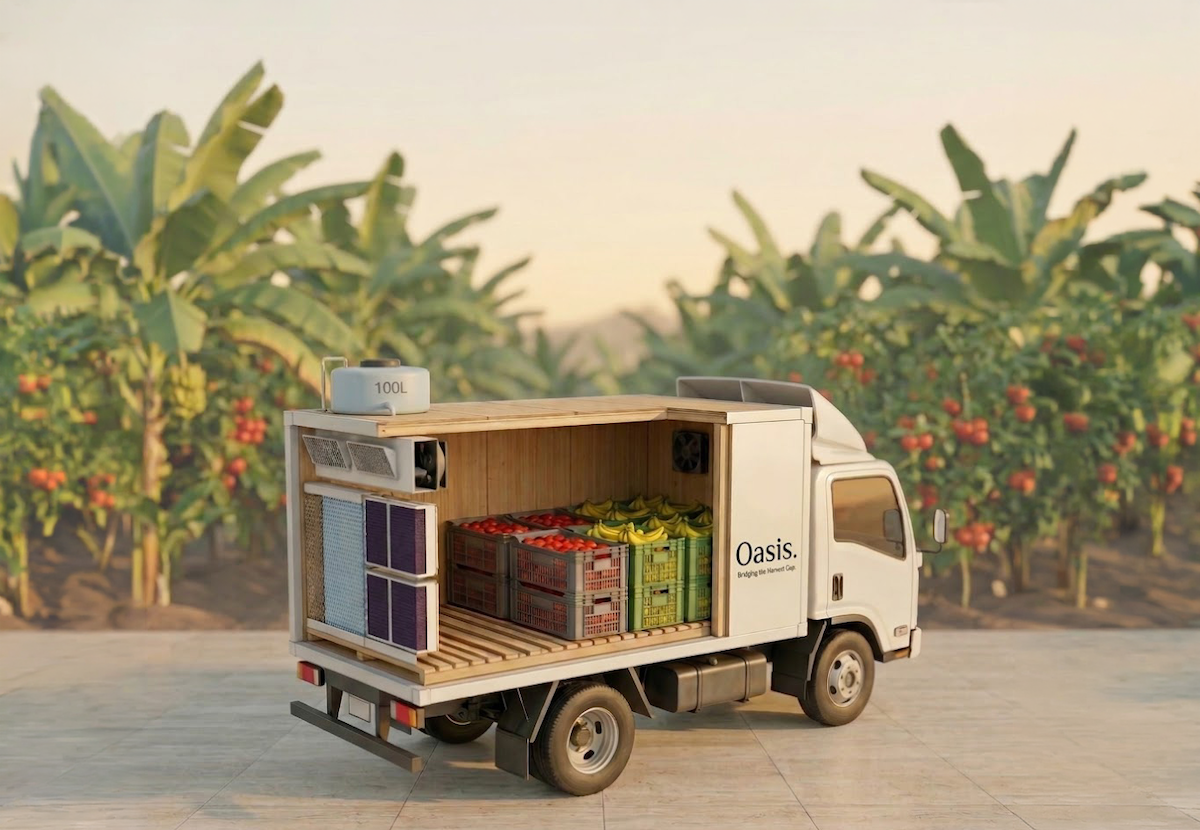
Designed by Anita Selmani (MA/ MSc Innovation Design Engineering), Cara Lenfestey (MA Service Design), Lili Saito (MA Fashion), Qiwen Deng (MA Textiles).
Oasis reduces post-harvest loss in Rwanda’s food supply chain by retrofitting existing vehicles with low-cost, modular evaporative cooling and ethylene control, turning standard transport into climate-adaptive cold storage to boost farmer incomes and food security.
SECOND PLACE: Shhroom
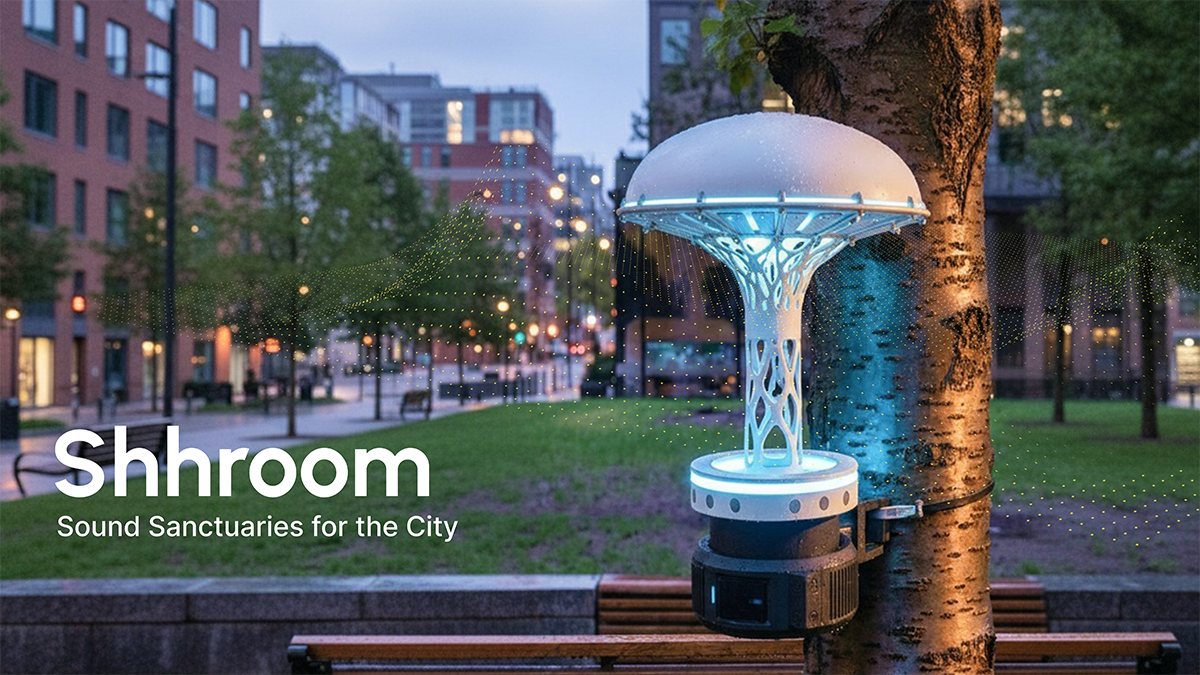
Designed by China Saxton (MA Service Design), Shubhangi Prasad (MA Service Design), Yunjie Zhou (MA Fashion), Caterina Bellisomo (MA/ MSc Innovation Design Engineering).
Shhroom uses a sound mapping digital twin and an AI-driven noise-mitigation device to create ‘sound sanctuaries’ for humans and wildlife by selectively dampening harsh mechanical noise, such as traffic and construction, while simultaneously amplifying natural sounds like wind and birdsong to rebalance the city’s soundscape, making space for quieter, healthier environments.
THIRD PLACE: The Midnight Garden
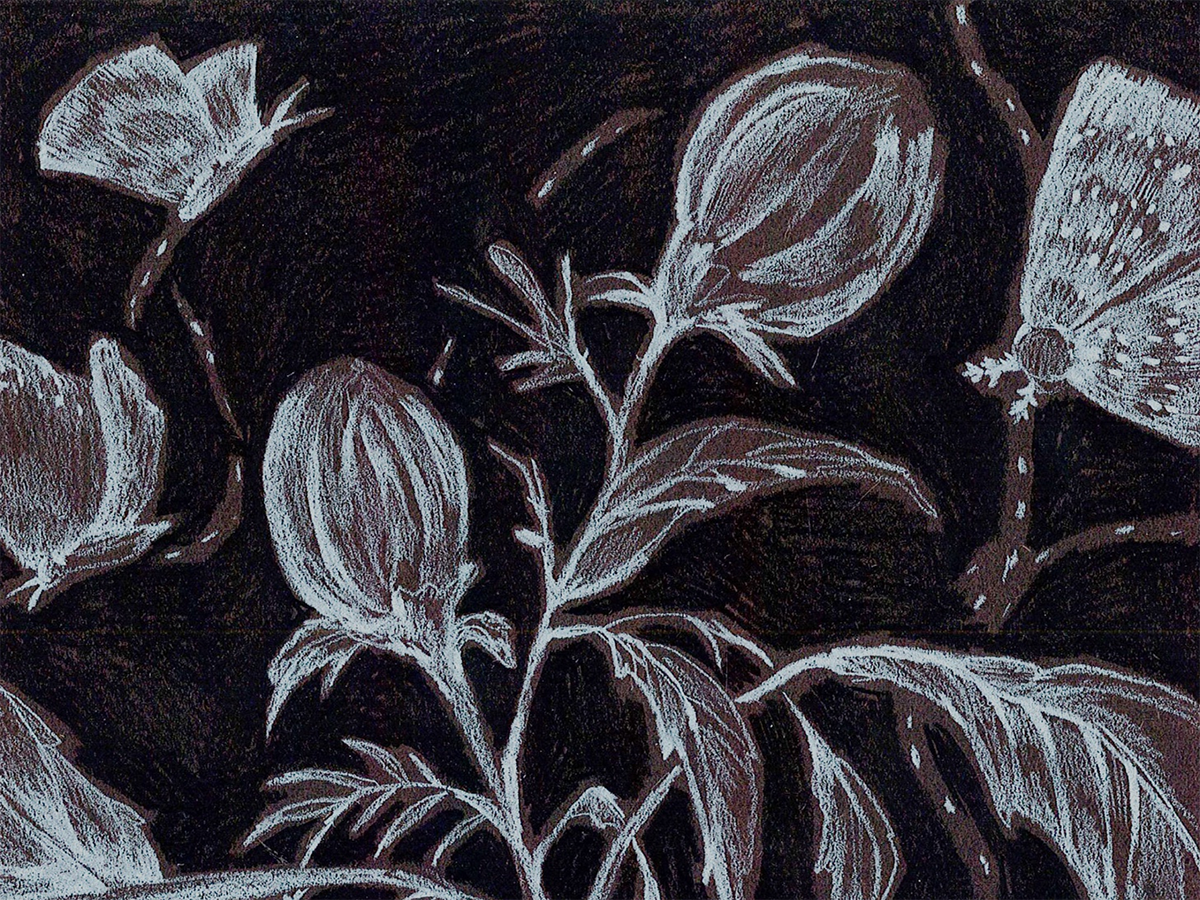
Designed by Frances O’Leary (MA Fashion), Gemma Chanthawong (MA Service Design), Doyeon Lee (MA Textiles), Jiawei Fan (MA Design Products).
Midnight Garden is a speculative dining and wellness project that reconnects humans with the nocturnal world through a multi-sensory culinary experience and an Organic Midnight Garden Tea ritual highlighting the vital role of night-shift pollinators like moths and bats to help us reimagine sustainable food systems for a growing global population.
Equity:
FIRST PLACE: PIN

Designed by Akihisa Ohara (MA Design Products), Kate Masters (MA Service Design), Drew King (MA/MSc Innovation Design Engineering).
The PIN project aims to safeguard young people by shifting the responsibility of digital wellbeing from individuals to institutions through an accreditation framework that evaluates schools on the four pillars: Protect, Equip, Create, and Support, ensuring that students develop a healthier and more critical relationship with digital technology.
SECOND PLACE: Flourish
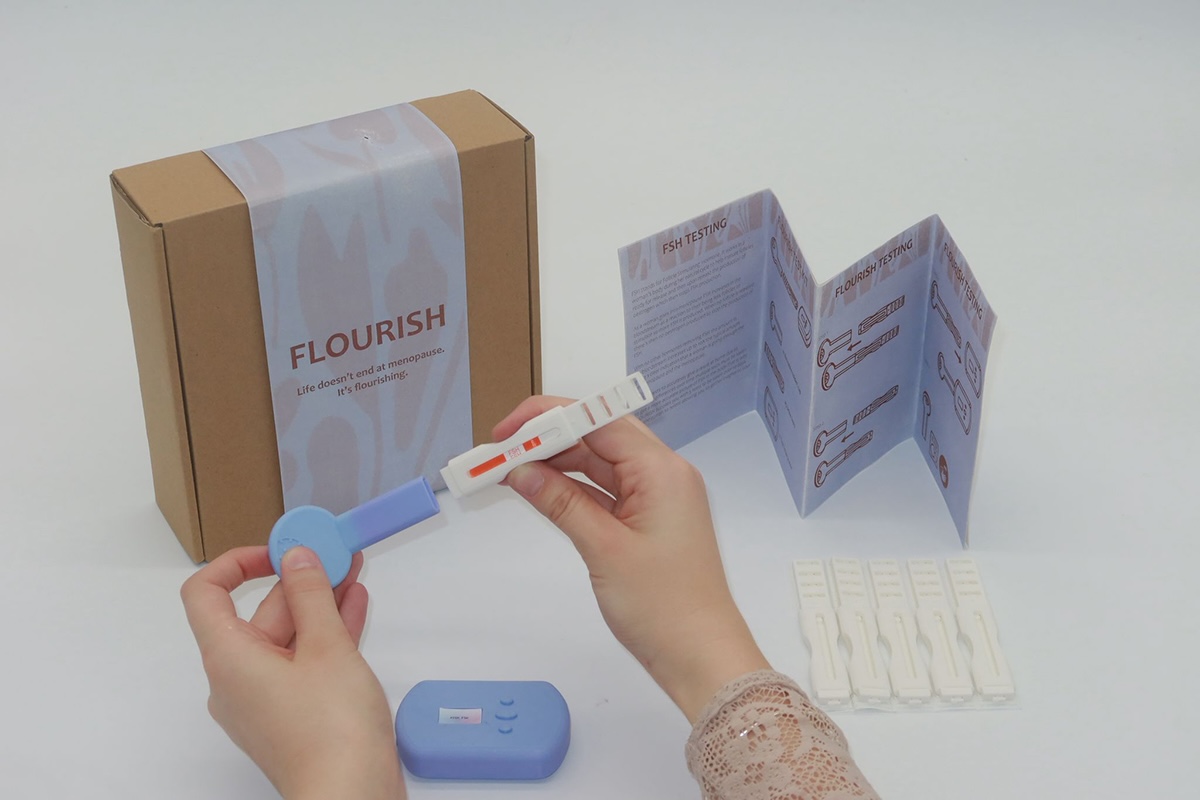
Designed by Yuntong Deng (MA Design Products), Elizabeth McKenna (MA/MSc Innovation Design Engineering), Daiana Battakova (MA Service Design), Yujia Zhang (MA Textiles).
Flourish is an at-home urine hormone test kit that empowers women to navigate menopause with clarity and dignity, replacing clinical confusion with an ergonomic, multi-test system and accessible guidance to enable a more informed, confident, and positive life transition.
THIRD PLACE: Common Access
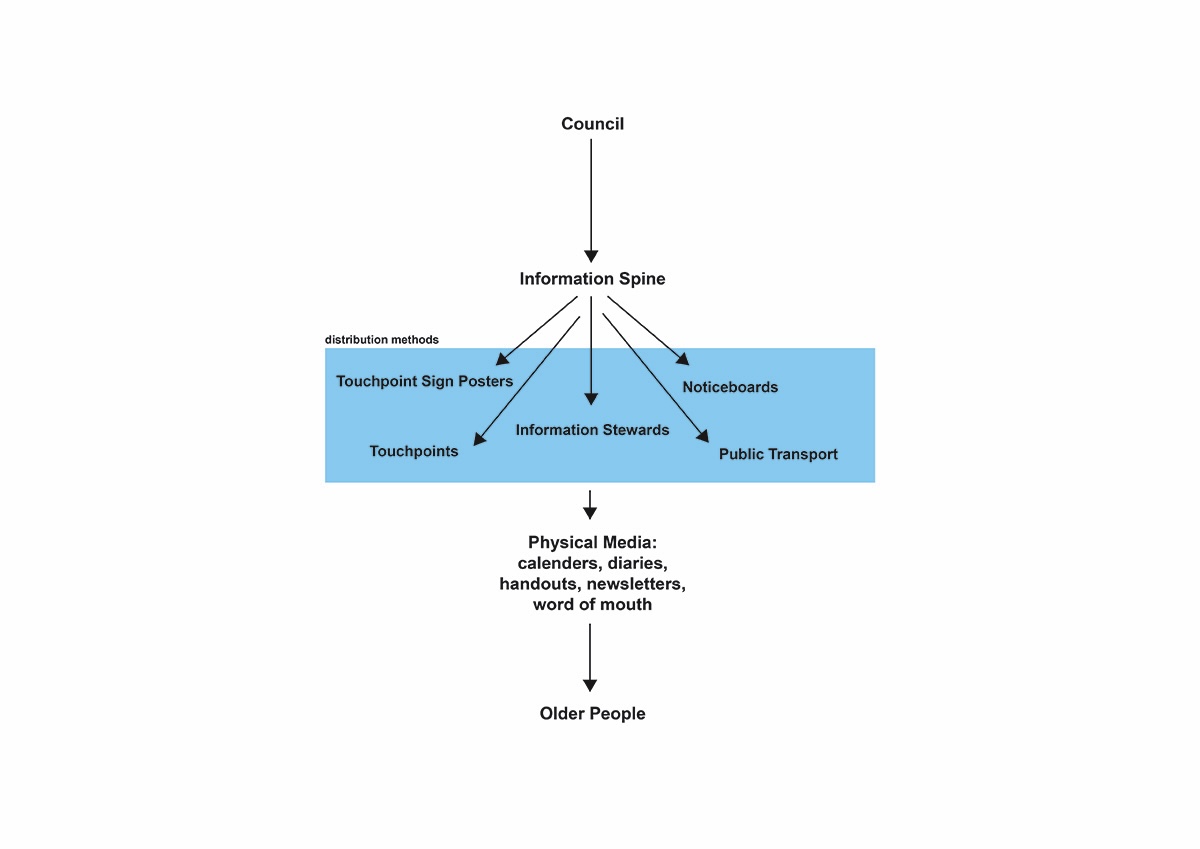
Designed by Taylor Graham (MA Design Products), Uttara Chockalingam (MA/MSc Innovation Design Engineering), Caroline Shujia Wang (MA Fashion), Peter Zhengfeng Fu (MA Fashion).
Common Access is a community-embedded, human-led information system designed to ensure older residents in Kensington and Chelsea can access essential public services through physical touchpoints and personal interactions (such as notice boards and information stewards) rather than digital platforms.
Professor Kerry Curtis, Interim Dean of School of Design and Dean of School of Communication at the Royal College of Art, said:
“At the Royal College of Art, meaningful innovation is not created in isolation but through collaboration, curiosity, and engagement with complexity. The Grand Challenge brings together interdisciplinary teams of students to tackle urgent global issues, drawing on collaborations with industry and institutions such as CBRE, Tesco, Holland & Barrett, Arup, The Sustainable Markets Initiative, The Helen Hamlyn Centre for Design, InnovationRCA and the Design Council.
This year’s theme, Design for Betterment, reminds us to consider both large-scale impact and the cumulative effect of small, thoughtful interventions. Design is never abstract – it is grounded, situated, and capable of creating tangible change. The Grand Challenge celebrates not just outcomes, but the courage of our exceptional students to imagine, test, and build better futures together.
The inspiring winning projects for the Grand Challenge 2025/26 showcase the power of human-centric design to bridge systemic gaps, ranging from climate adaptive supply chain solutions and inclusive healthcare kits to innovative frameworks for digital wellbeing and urban acoustic restoration.”