Hemp is re-emerging as a resource at the intersection of sustainable innovation and artistic expression. Creative practitioners are revisiting this ancient plant not only for its versatility as a material, but also for its specific implications in art and design. As environmental responsibility becomes increasingly important, hemp’s properties allow artists to make practical and conceptual statements.
Across studio disciplines, hemp’s reputation has shifted from historic staple to emblem of the present eco-conscious moment, with related consumer interests ranging from fibre and seed to wellness markets that shop premium CBD flowers in the UK. This interest in the plant reflects how artists are reworking tradition using contemporary techniques. Plant-based materials like hemp are now seen as more than alternatives; they can influence the practice and future directions of visual art.
Why hemp is making a comeback in art
In recent years, artists have turned to hemp as both a useful material and a symbol carrying layered meaning. Its renewed use in contemporary art is often linked to a desire for sustainable practice and to question the distinction between art and craft. Increasingly, artists adopt natural fibres, plant-based dyes, and organic forms sourced from hemp, contributing to the use of materials perceived as more environmentally responsible than synthetics.
The incorporation of hemp enables creators to explore themes like nature, resilience, and renewal. Artists use hemp’s material qualities, such as texture, flexibility, and the evidence of handwork, to give plant-based materials a prominent role in creative practice. These aspects can encourage greater interest in works that move beyond mass-produced uniformity and highlight the artist’s process.
Hemp products and their unique properties in practice
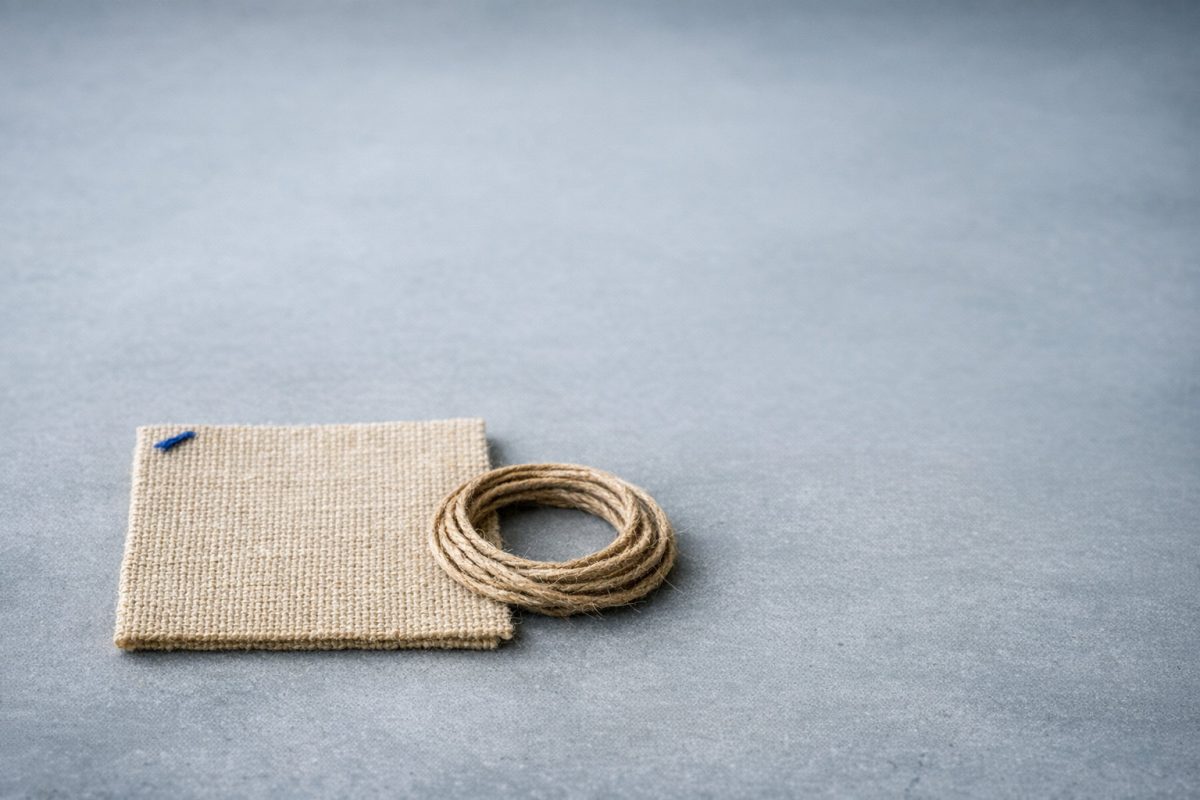
Hemp-based art materials possess characteristics that set them apart from many synthetic or other plant fibres. For instance, hemp paper is known for its durability and tactile feel, suitable for drawing, printmaking or collage. Hemp canvas can hold paint in ways that produce nuanced surfaces for artists. Additionally, materials like hempcrete, bioplastics, and woven hemp fibres lend themselves to sculpture, installations, and various forms of design.
Artists often choose hemp due to its strength and malleability, as well as for its natural visual appeal. Its effectiveness with dyes and pigments means it can be suitable for a broad range of artistic palettes, while the scalability of the material suits both smaller and larger works. Practical aspects, including reliable sourcing and material performance, have made hemp increasingly attractive for use in some contemporary studios.
Ecological responsibility and ethics in material choices
Using hemp in art can align with values of ecological responsibility and transparency in creative production. In contrast to certain conventional materials that require significant processing or are based on finite resources, hemp is renewable and is commonly grown with fewer chemical inputs. When chosen thoughtfully in studio work, hemp may become part of a conversation about emissions, use of land and the biodiversity impacts of art supplies.
Artists looking for materials with lower environmental impact are likely to consider those with traceable origins and smaller carbon footprints. Hemp is often highlighted for rapid growth, effective land use, and possible benefits for soil health, which can support sustainability aims. These factors are gaining relevance in contemporary art as practitioners think more critically about the environmental story of the materials they select.
Cultural meaning and audience engagement with plant-based materials
Hemp’s rising presence in art can offer meanings beyond its environmental role, as it also brings a range of cultural associations. For some, the inclusion of hemp in an artwork hints at links to traditional craft, wellness culture or histories of changing regulation, allowing for nuanced exploration of materials and their contexts. This symbolic potential positions hemp as a bridge between ideas of nature and constructed environments, and can prompt dialogue within creative fields.
The way plant-based materials like hemp are displayed or discussed in galleries may influence how audiences interpret the work. When curators present hemp-based pieces as art, design or craft, this framing can alter viewer responses and spark curiosity or debate. As boundaries between categories become more fluid, hemp’s versatility continues to offer artists opportunities to work at the intersection of aesthetics, activism and function.