At this year’s Salone del Mobile, Venetian textile house Rubelli transforms silk into a charged political medium through an immersive collaboration with artist and activist Ai Weiwei. Installed in the brand’s Via Fatebenefratelli showroom, the project dissolves the boundary between decorative craft and conceptual art, turning fabric into both environment and statement.
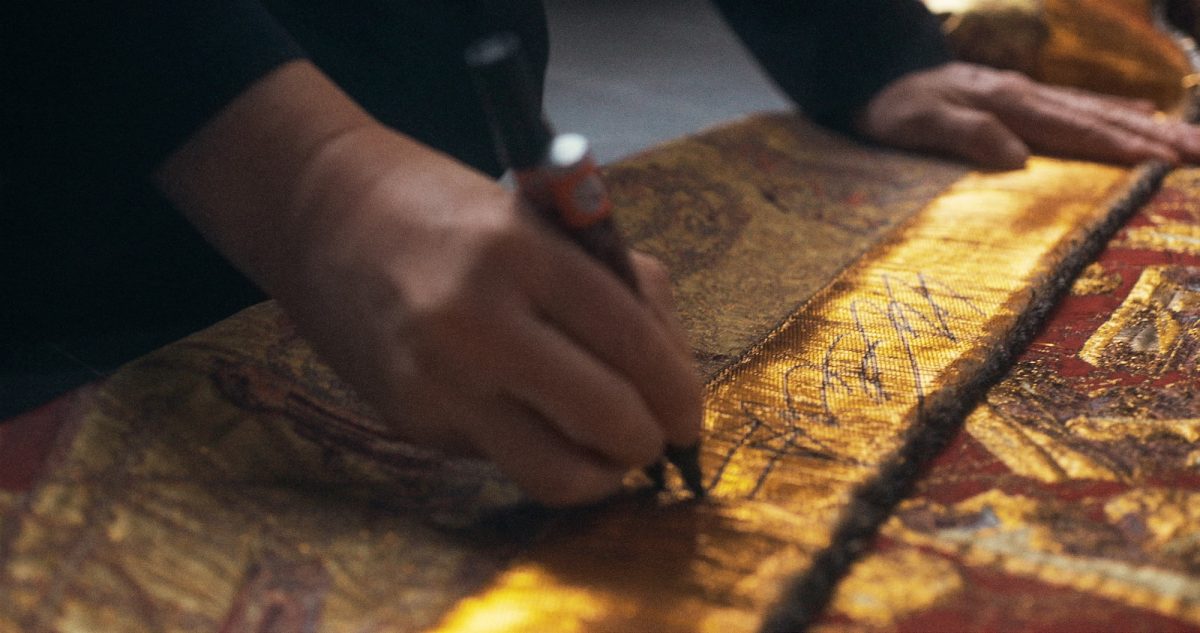
Visitors enter a space wrapped entirely in an elaborate silk lampas — dense, luminous, and symbol-laden. Woven in silk and gold thread, the textile translates a constellation of motifs that have long defined Ai’s visual language, converting personal history and political critique into pattern, surface, and atmosphere.
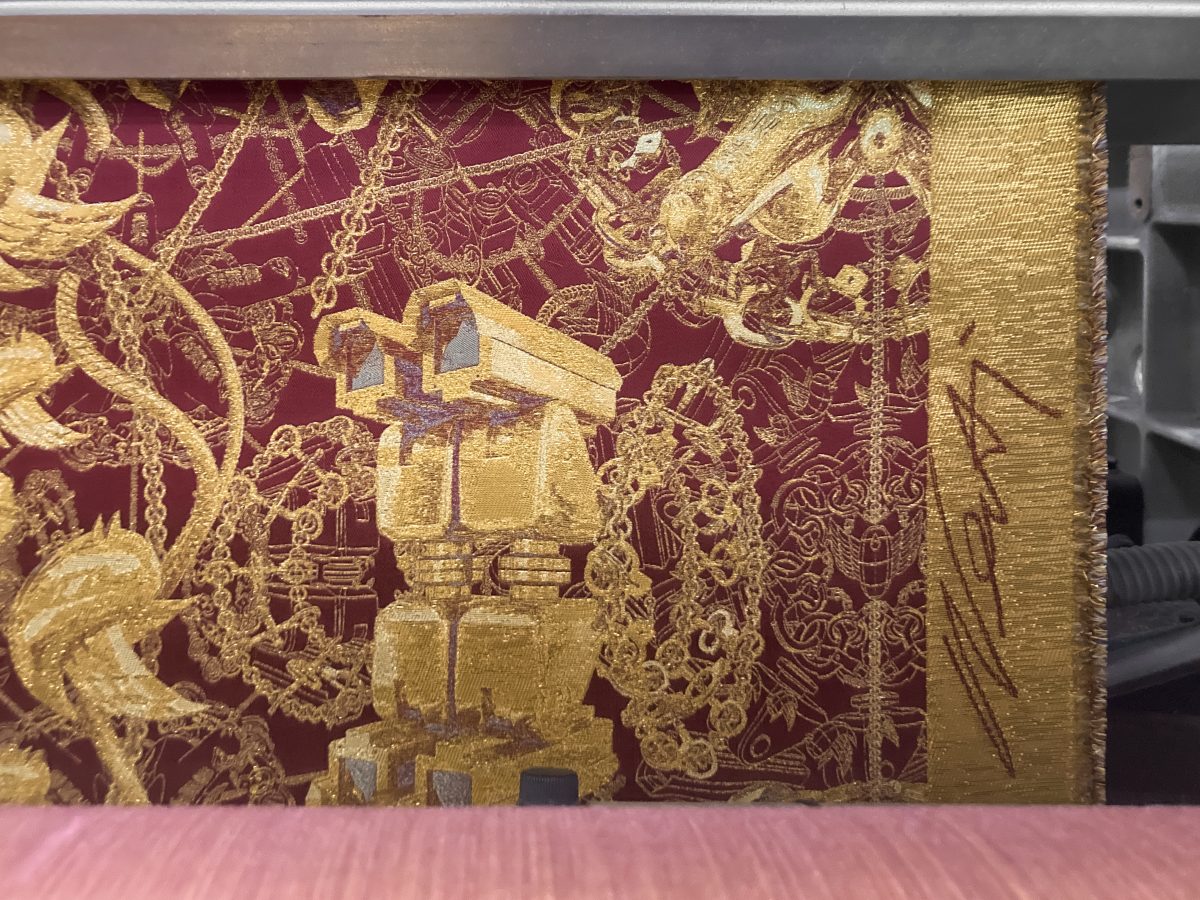
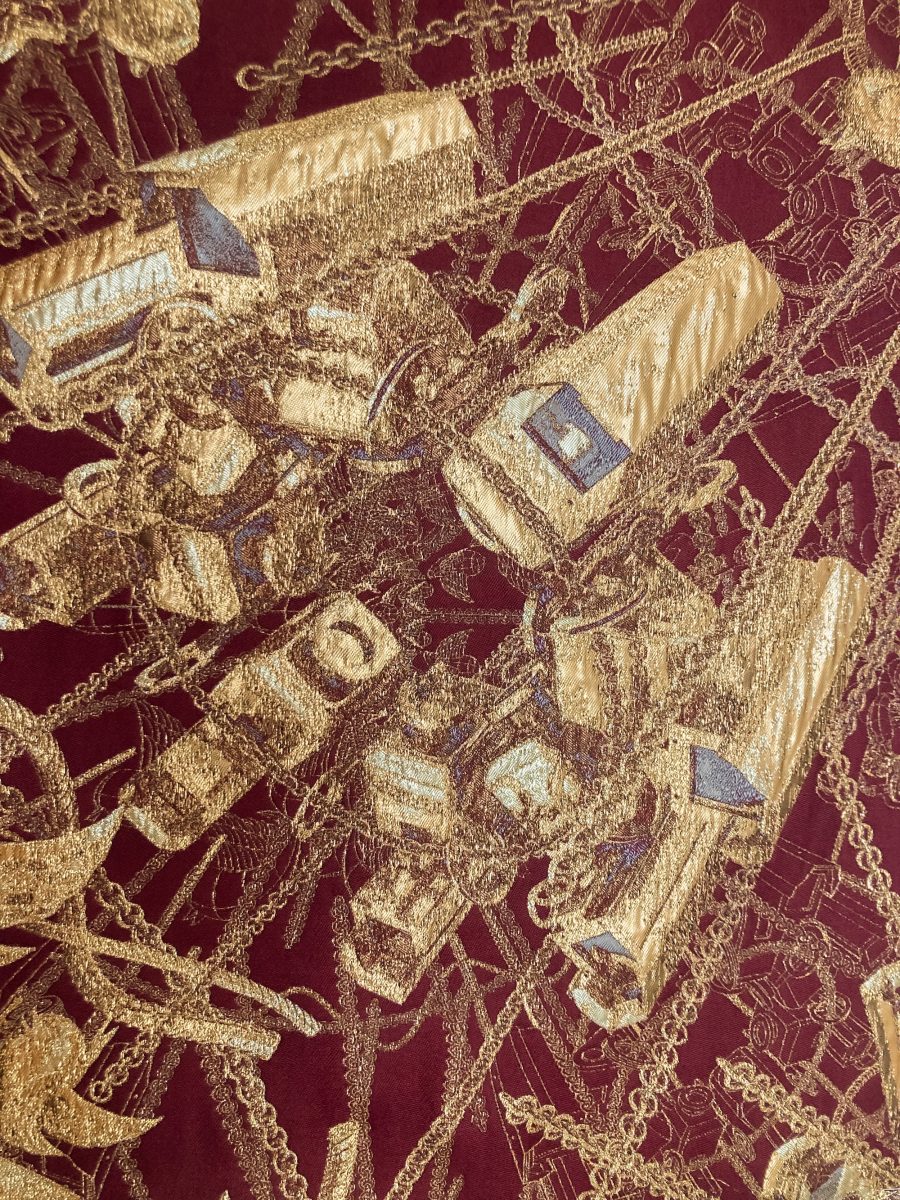
For the first time, the artist’s imagery is rendered in silk — a material inseparable from China’s cultural and economic history. The gesture creates a quiet but potent dialogue between heritage and dissent, linking Ai’s homeland to Rubelli’s centuries-old Venetian weaving tradition. Here, ornament becomes narrative, and decoration becomes protest.
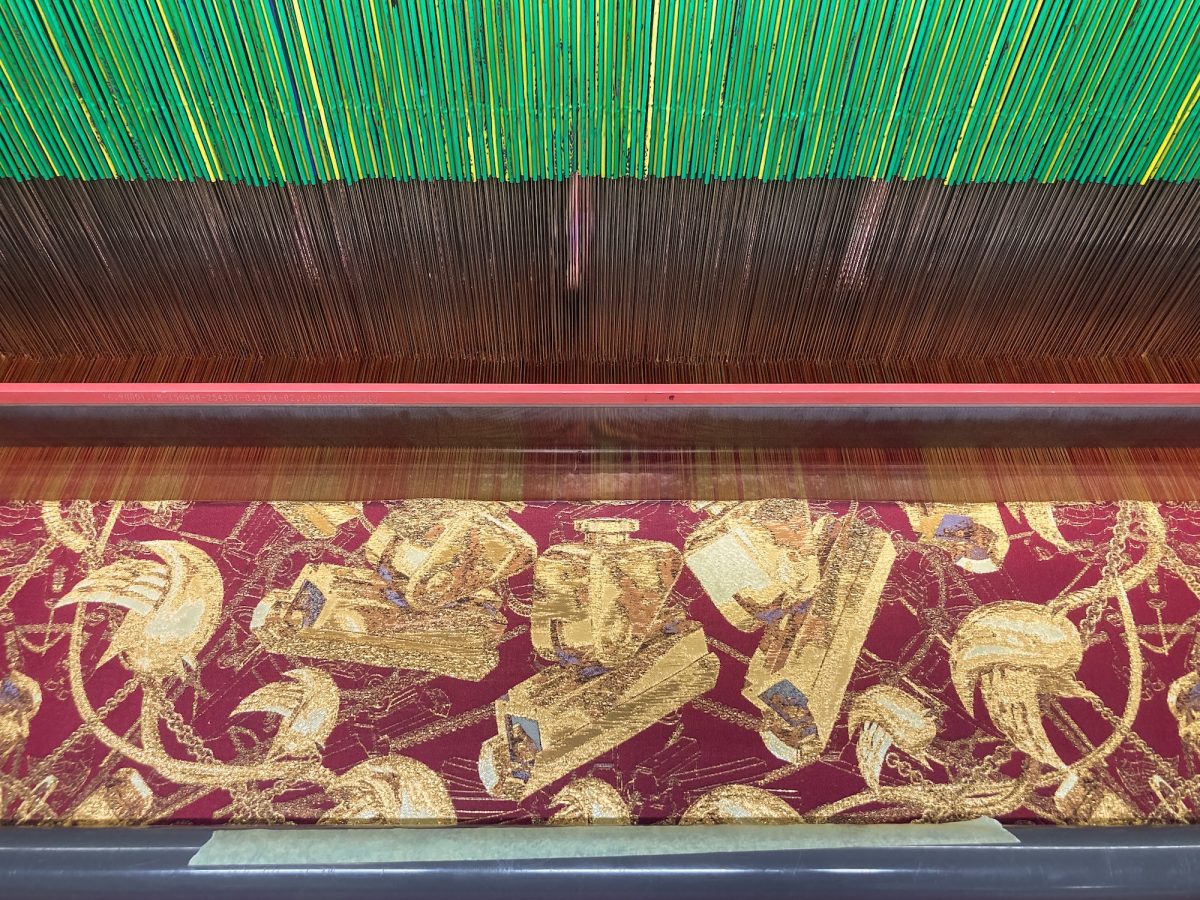
Recurring symbols unfold across the fabric like a coded text. Surveillance cameras, softened by metallic lustre, evoke the omnipresent eye of state power and the artist’s own experience of constant monitoring. Handcuffs and chains, transformed into tactile woven forms, reference imprisonment while suggesting the possibility of release through creative expression. The Twitter bird appears as an emblem of digital speech that slips past censorship, while the llama — a figure of online satire in China — signals the subversive power of humour and collective resistance.
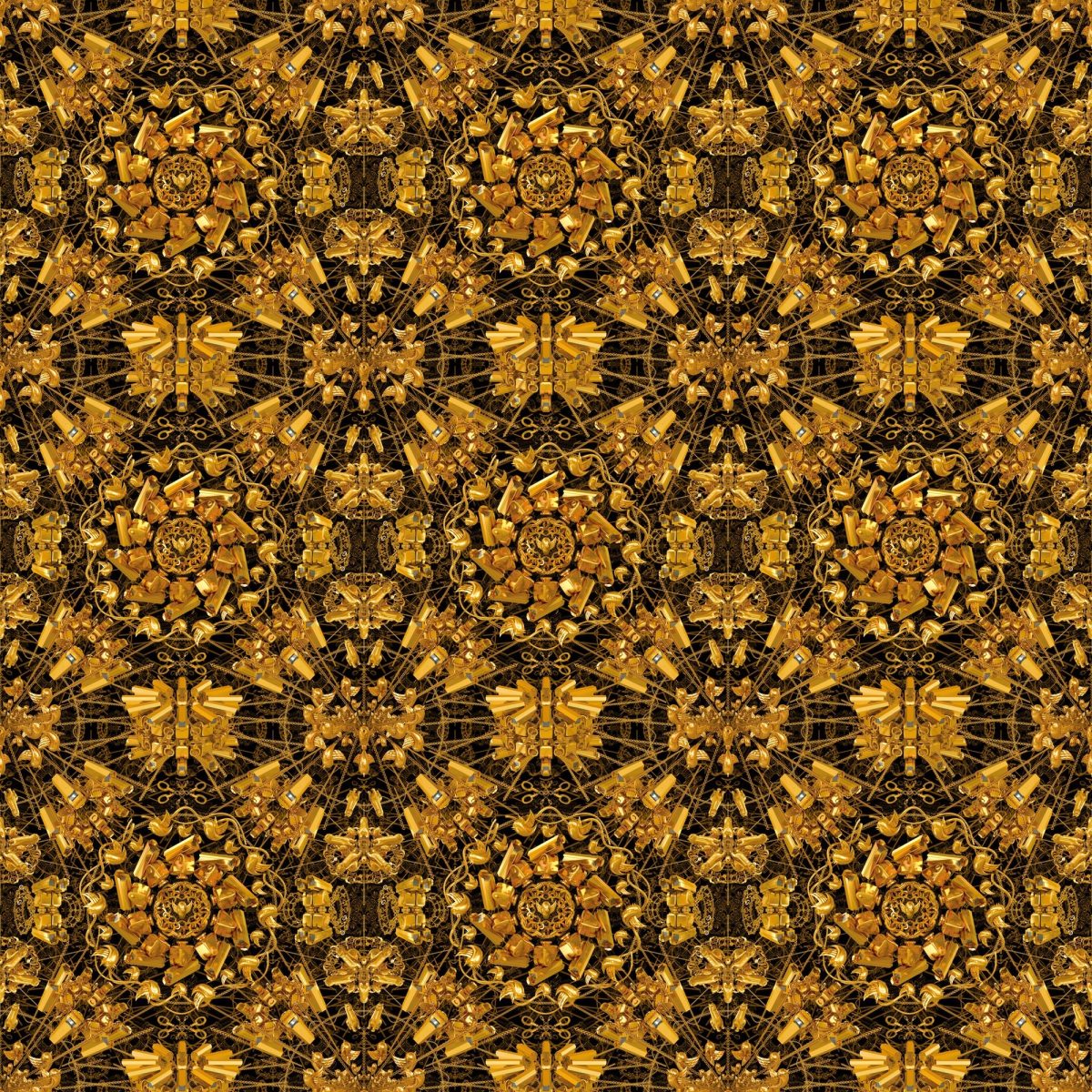
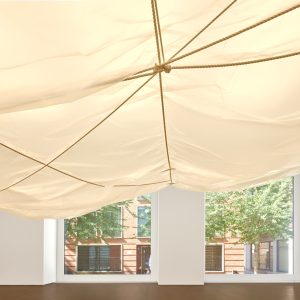
Rather than presenting the textile as an object, Rubelli stages it as architecture. The showroom becomes a theatrical enclosure where visitors are enveloped by the fabric’s shimmer and symbolism, shifting from spectators to participants. Moving through the installation reveals both the extraordinary precision of the craftsmanship and the layered meanings embedded within the design.
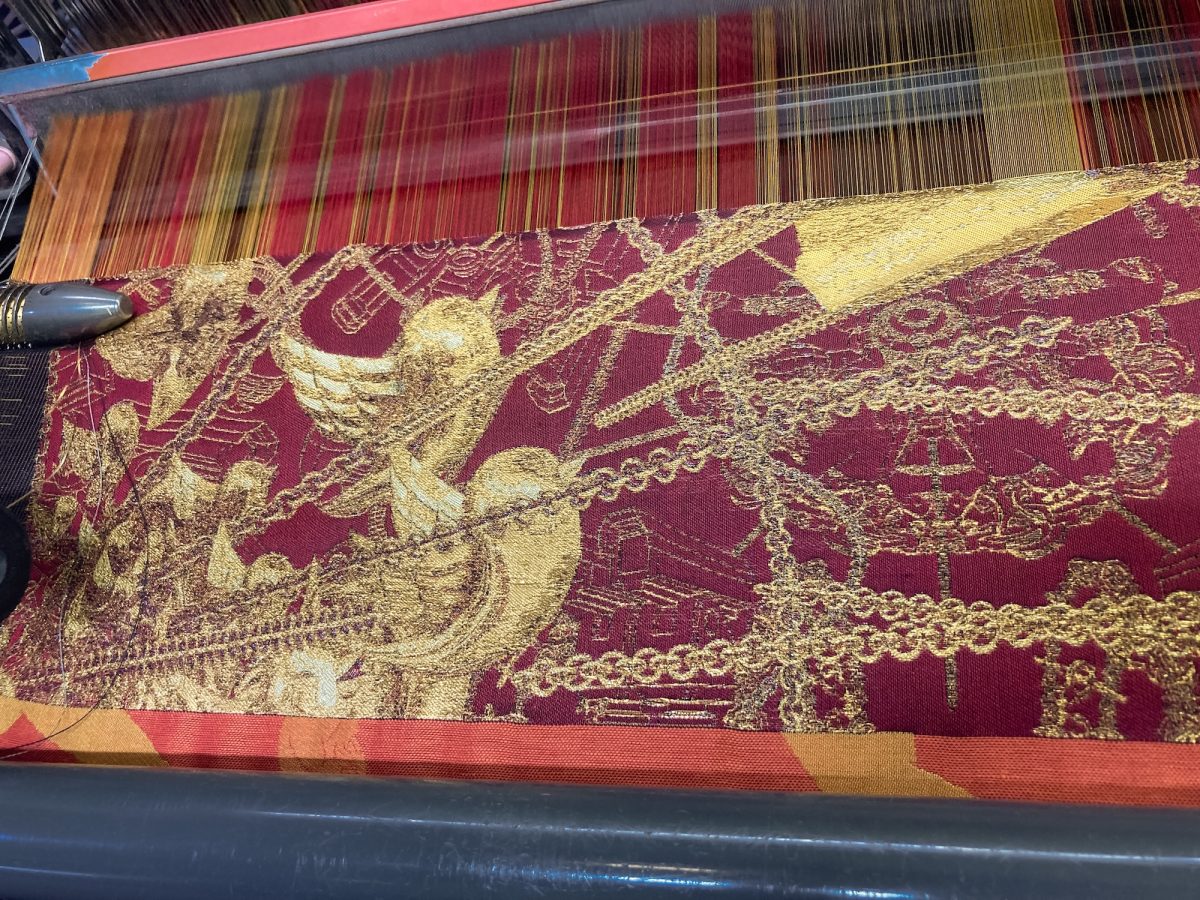
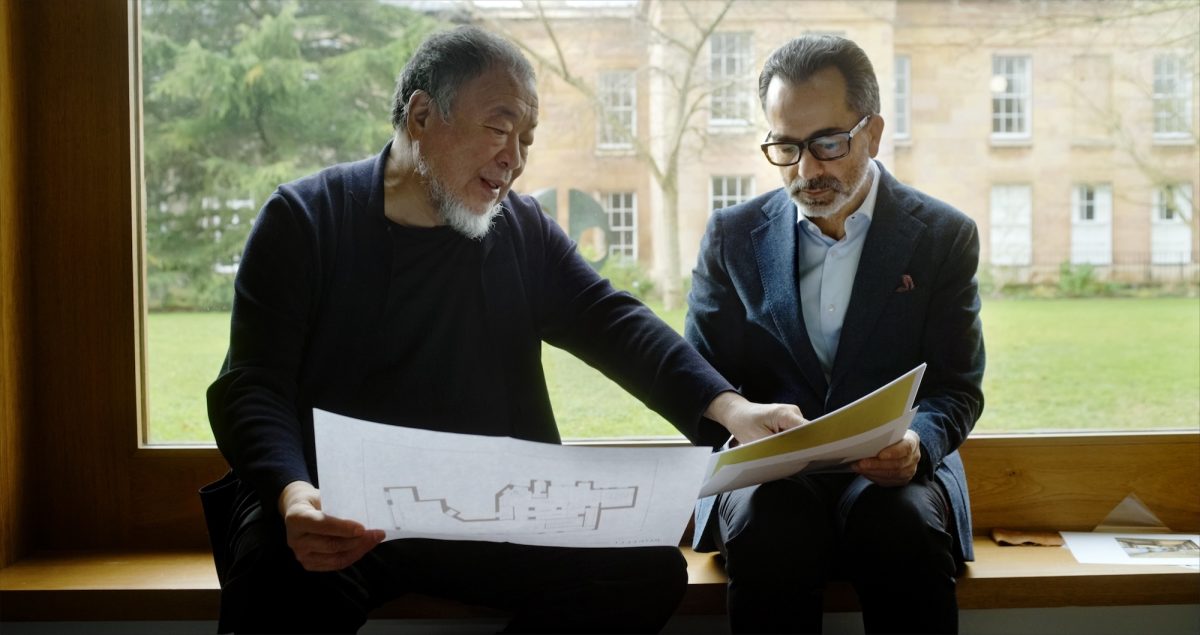
An accompanying documentary film deepens the experience, with Ai reflecting on the relationship between his practice and textile production. In his hands, weaving becomes a metaphor for connection, memory, and resistance — threads binding personal narrative to global politics.
The project ultimately proposes silk not as luxury alone, but as a medium capable of carrying urgency, vulnerability, and critique. It reframes a historic craft tradition as a living language, one that can still speak powerfully to the present.
Rubelli Showroom Via Fatebenefratelli, 9 Milan April 16th – May 15th, 2026: Monday – Friday, 10 am – 6 pm Milan Design Week (April 20th – April 25th): open until 8PM
About the artist
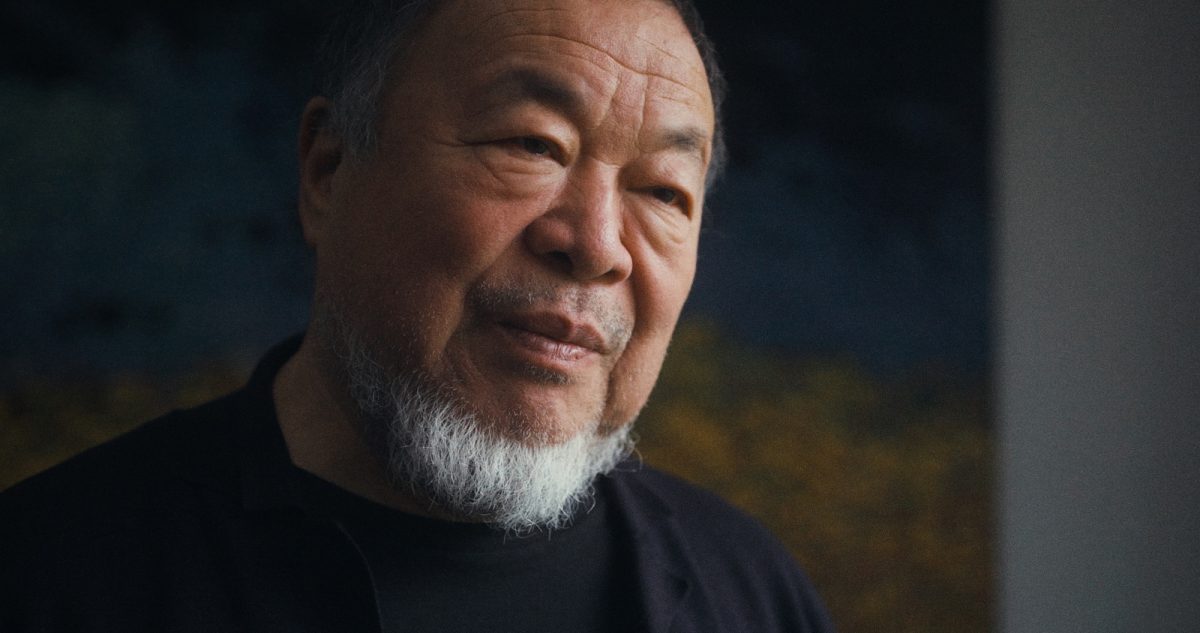
Ai Weiwei (b. 1957, Beijing) is one of the most influential artists and public intellectuals of his generation. Working across sculpture, installation, film, photography, ceramics, architecture, writing, and social media, he combines conceptual strategies with traditional craftsmanship to examine power, identity, displacement, and human rights.
His practice frequently draws on Chinese history and material culture while engaging global political realities. From investigations into the 2008 Sichuan earthquake to large-scale works addressing migration and borders, Ai’s projects merge artistic production with activism, positioning art as a tool for testimony and accountability.
Early works such as Dropping a Han Dynasty Urn and Study of Perspective challenged authority and historical reverence, while later installations have incorporated everyday objects and monumental architectural interventions. Across media, recurring motifs — bicycles, trees, flowers, fragments of destroyed structures — operate as universal symbols of community, loss, and resilience.
Ai has exhibited extensively at major institutions worldwide, including Tate Modern, the Royal Academy of Arts, Palazzo Strozzi, the Hirshhorn Museum, and the National Gallery of Victoria, as well as numerous biennials and public art commissions. Architectural collaborations include the Beijing National Stadium for the 2008 Olympic Games and the Serpentine Pavilion in London.
He has received numerous international honours, including the Praemium Imperiale for sculpture and Amnesty International’s Ambassador of Conscience Award. His memoir 1000 Years of Joys and Sorrows was published in 2021, followed by the graphic memoir Zodiac in 2024.
Ai Weiwei lives and works between Beijing, Berlin, Cambridge, and Lisbon.
About Rubelli
For over 130 years, RUBELLI has been creating, producing, and commercialising furnishing products, in particular residential and contract fabrics. Making use of their own design studio and weaving mill in Como, they follow the whole production process, in addition to having their showrooms, agents and distributors in over 90 countries. With regards to sustainability and respect for the environment, Rubelli has taken an eco-friendly path, in keeping with the spirit of commitment and responsibility to take care of our planet. The pride and joy of the Group is the Rubelli Foundation. Created in 2018, it boasts a historical archive of over 60,000 documents, including textile and paper, which continue to serve as inspiration for the development of new products.