Kristin Hjellegjerde Gallery in West Palm Beach has opened Munch: The Formative Years, a rare exhibition bringing together six early paintings by Edvard Munch — an alignment of works unlikely to be repeated in our lifetime. Painted between 1881 and 1883, these pieces come from a pivotal moment when Munch was still shaping the language that would later redefine modern art. Rarely exhibited outside Norway and recently re-documented by the Munch Museum, they offer a privileged glimpse of the artist in the act of becoming.
Of the 1,789 paintings Munch made during his lifetime, the vast majority remain in Norwegian public collections — primarily the Munch Museum in Oslo, the National Museum and KODE in Bergen — and are seldom seen abroad. The six works shown here all come from a single private collection, the largest group of Munch’s early paintings in private hands, assembled over eleven years. That one further painting from this group has already entered a UK museum collection only underscores the rarity of this presentation.
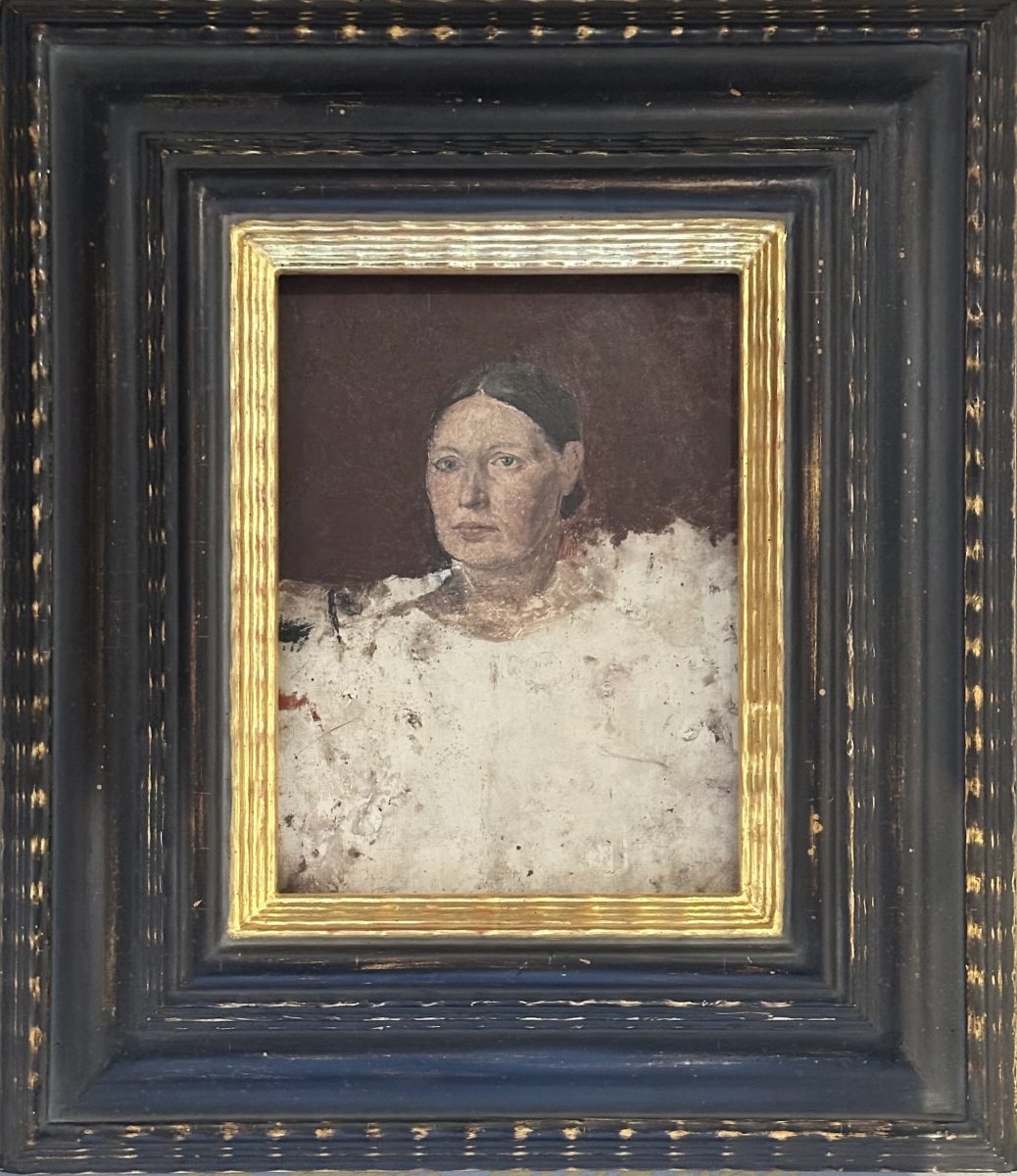
Munch produced just 76 paintings between 1881 and 1883, and the works in this exhibition are among the most intimate of that period, revealing the emotional and thematic threads that would later define his practice. A standout is the portrait of Karen Bjølstad, Munch’s aunt and adopted mother, whose steady gaze is rendered with care while her dress remains loosely sketched — a revealing contrast that speaks both to his working process and to his affection for one of the most important figures in his early life.
Another highlight, Landscape with Waterfall and House, offers an evocative view of the Norwegian countryside. Previously known only through black-and-white archival photographs, the painting — shown alongside two other early landscapes — reflects Munch’s deep connection to the rugged terrain of his homeland and his instinct for translating place into mood.
In The Errand Boy, Munch depicts, in his own words, “one of those little errand boys you see at market with a basket on his back.” Yet the child’s upright stance and composed expression resist social hierarchy, revealing an early attentiveness to dignity, character and the poetry of everyday life.
The exhibition also brings together a portrait of Inger Marie Munch, the artist’s youngest sister, with two of her still life paintings. More than a model, Inger was a creative counterpart, giving Munch a way to explore interiority, colour and emotional atmosphere. Seen side by side, these works offer an unusually intimate view into the family relationships that quietly shaped his artistic development.
To encounter these paintings together is to meet Munch before myth overtook the man — at a moment when his vision was still fluid, searching and deeply personal, yet already charged with the intensity that would make him one of the most influential figures in modern art.
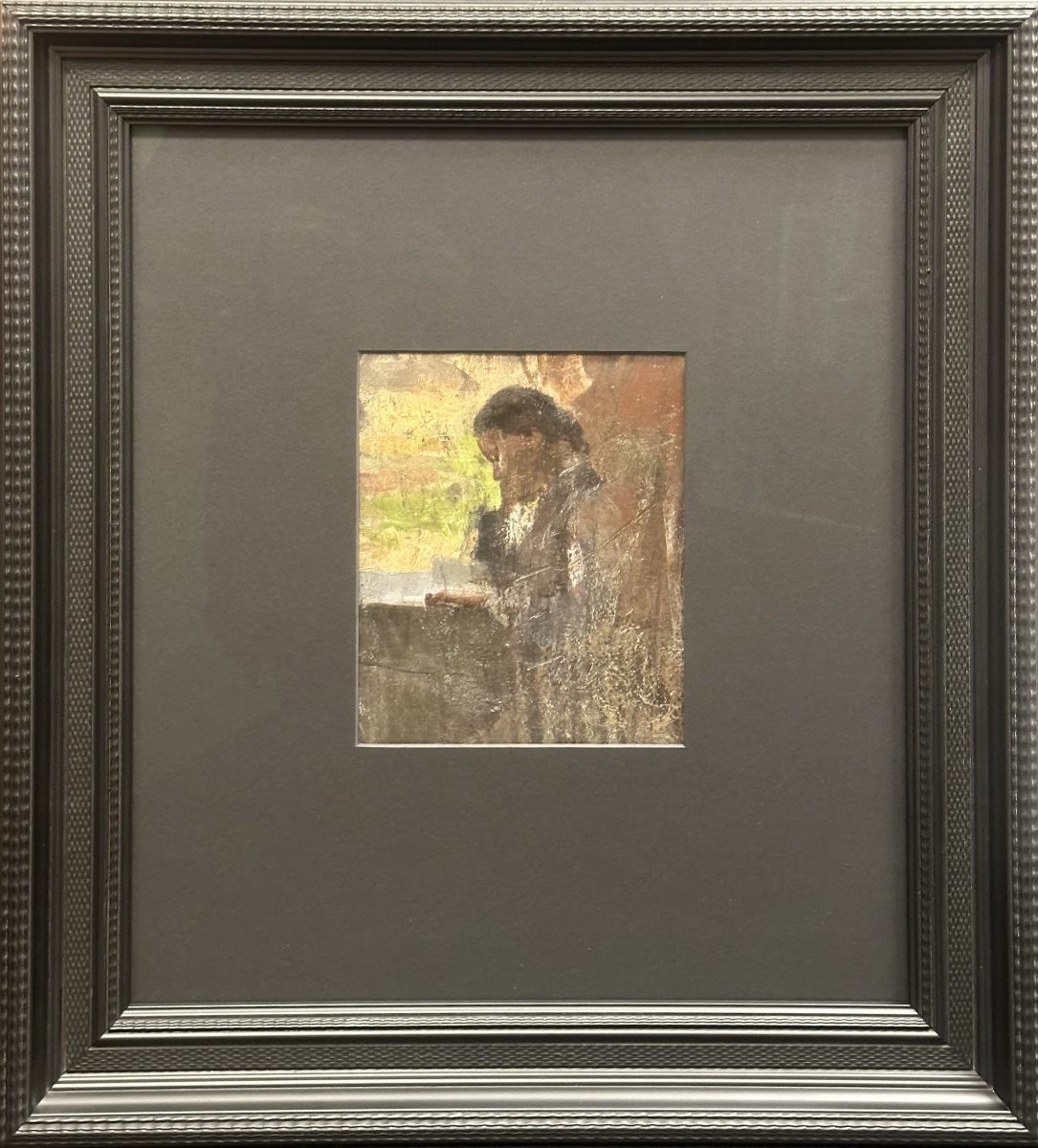
Munch: The Formative Years, 31st January – 28th February 2026, Kristin Hjellegjerde Gallery West Palm Beach