Following the success of the exhibition Reflections. Picasso x Koons shown at the Alhambra in Granada, the Museo Picasso Málaga, in collaboration with the Fundación Almine y Bernard Ruiz-Picasso (FABA), will present the second in this ground breaking series showing Picasso’s work in dialogue with leading contemporary artists in key locations across Andalucia.
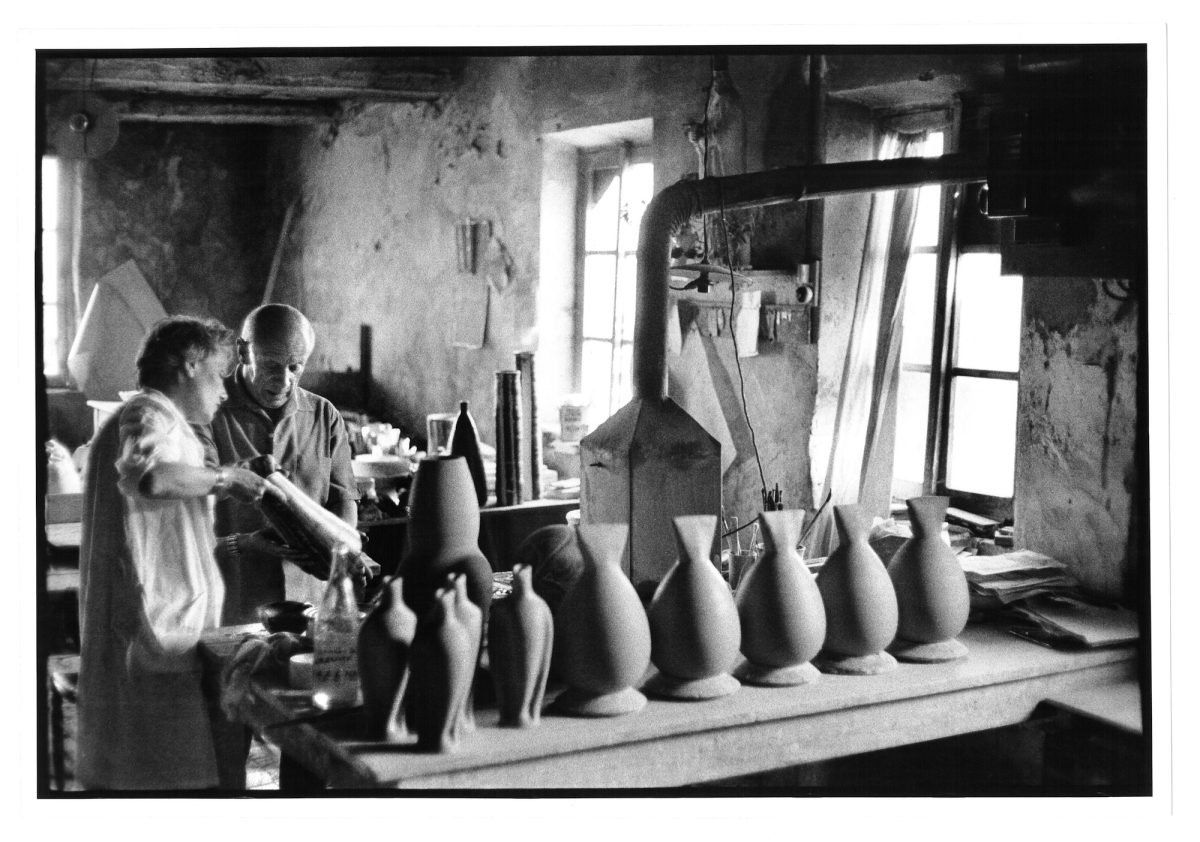
Reflections. Picasso x Barceló features more than one hundred ceramic works by Pablo Picasso and Miquel Barceló shown alongside objects from the archaeological collections of these two Andalucian museums. The exhibition highlights the ongoing presence of clay as a material of memory and experimentation, placing both artists within a Mediterranean genealogy of creators who have transformed earth, water and fire into enduring art over the centuries.
For Picasso, ceramics became an essential laboratory of ideas after World War II. In Vallauris he discovered clay as a medium that allowed him to combine painting, sculpture and objects, transforming plates, jugs and vessels into human bodies, mythological beings and everyday scenes while connecting with the ceramic traditions of Andalucia and the Mediterranean.
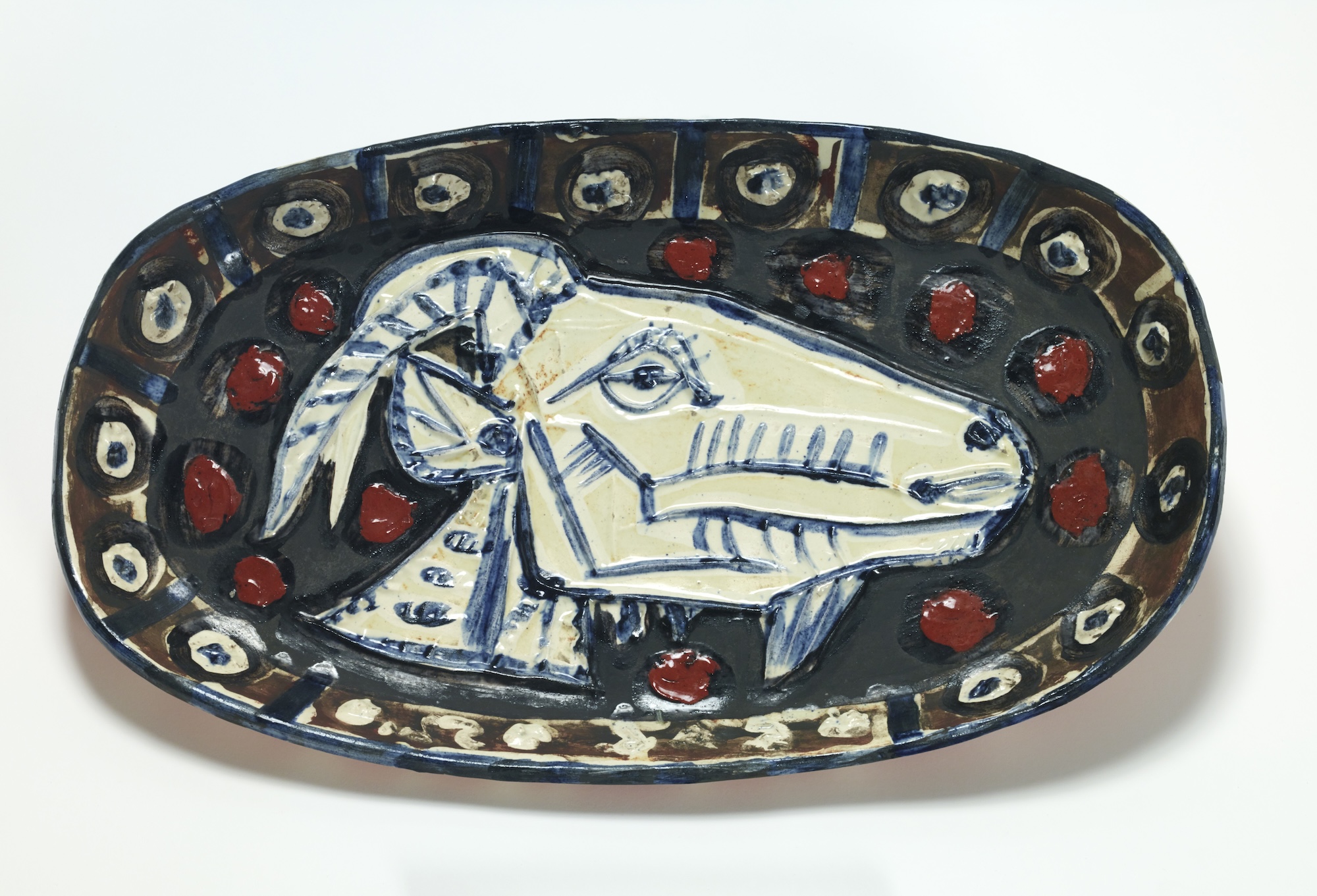
Miquel Barceló came to ceramics in the 1990s, during the time he spent in Mali in West Africa, where he learned ancestral techniques from the Dogon community. His ceramics became a territory of exploration in which the ritual, the corporeal and the experimental converge. His works bear the marks of the physical process, becoming living surfaces that retain the energy of the moment.
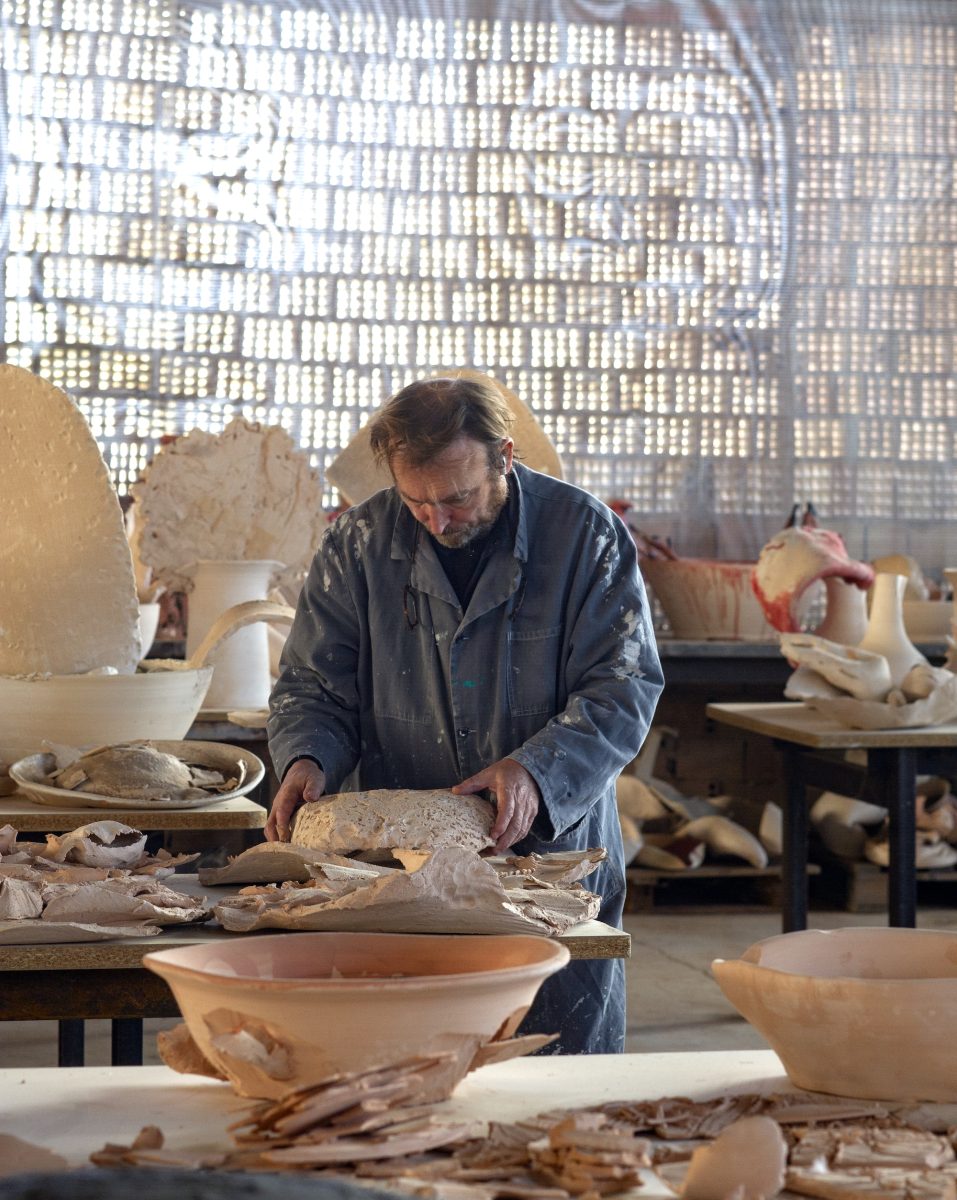
Founded in 1933 and reopened in 2006 in a contemporary building, the Museo de Almería houses one of the most important ceramic collections in Spain, with items spanning more than five thousand years, from the Neolithic to modern creations. Its museological discourse, structured around a stratigraphic column, provides an understanding of the cultural evolution of the southeastern Iberian Peninsula through materials from sites such as Los Millares and El Argar.
The Museo de Cádiz, located on the Plaza de Mina since 1935 and declared a Site of Cultural Interest, is fundamental for an understanding of the city’s history and art. The collection is structured into three areas: Archaeology, Fine Arts and Ethnography. Highlights include Phoenician sarcophagi, Roman sculptures and Baroque paintings by Zurbarán and Murillo, as well as the unique Tía Norica puppet collection. In its entirety, the museum presents a wide-ranging collection that reflects the cultural identity of Cádiz from antiquity to the present day.
Miguel López-Remiro, Director the Picasso Museum in Malaga and co-curator of the exhibition, said:
“These two cities – Almería on the Mediterranean, Cádiz on the Atlantic, two Andalucian cities open to the sea – are key to understanding the evolution of this artistic medium and thus to generating a play of reflections between past, present and possible futures through Picasso and Barceló.”
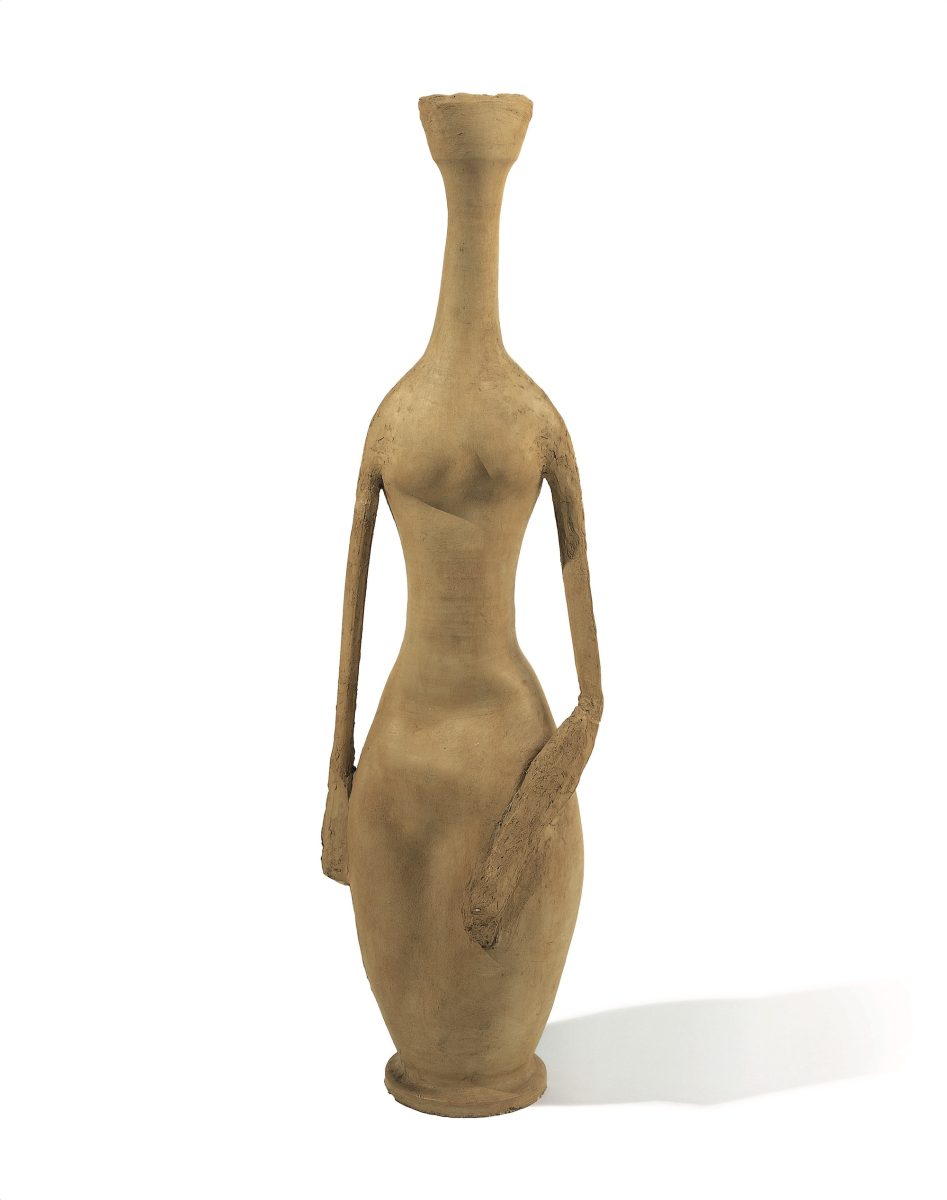
Miquel Barceló, Artist, said:
“Ceramics may seem fragile, but they have persisted through the centuries, often remaining in better condition than paintings and frescoes. Their fragility is their strength. No one will melt down Greek vases to make cannons, we can break them with a hammer, but we can also glue them back together again.”
Reflections: Picasso x Barceló 16th December 2025 – 15th March 2026 Museo de Almería
and then tour to the Museo de Cádiz from 25th March – 28th June 2026.
Reflections. Picasso x Barceló is a project conceived and undertaken in collaboration with Miquel Barceló, the Museo Picasso Málaga and the Fundación Almine y Bernard Ruiz-Picasso (FABA), with the collaboration of the Consejería de Andalucía de Cultura y Deporte.
The exhibition, sponsored by Fundación Unicaja, is curated by Miguel López-Remiro, artistic director of the Museo Picasso Málaga; Tania Fábrega, director of the Museo de Almería; and Laura Esparragosa, director of the Museo de Cádiz.