A major new exhibition at the British Museum, Samurai, will trace the evolution of these remarkable figures over the past 1,000 years – and will be ground-breaking as the first to explore how their image and myth was created. From the medieval period to the present day, the samurai have been fabricated, idealised and adapted for many purposes, both within Japan and beyond. Their story spans a millennium of myth and reality.
“The samurai dominated Japan’s history for centuries, but the reality of their lives was often quite different from popular understanding. This is the first exhibition to interrogate the myth, right through to the present day. It will introduce visitors to Japan’s rich cultural history by exploring the samurai’s multiple roles and the ways they represented themselves and have been shown by others. Due to the light-sensitive nature of Japanese art, this is a rare opportunity to see beautiful works from the Museum’s collection, as well as many works on loan never displayed before in the UK.”
Dr Rosina Buckland, Asahi Shimbun Curator: Japanese Collections
Bringing together around 280 objects and digital media from the collection and from 29 national and international lenders, Samurai reveals the many identities of Japan’s warrior class across the centuries. The samurai – known in Japan as musha or bushi – were engaged in protracted warfare and gained political dominance from the 1100s. During a long era of peace from 1615, they moved away from the battlefield to serve as government officials, scholars, and patrons of the arts, with women making up half of the samurai class. By the late 19th century, their hereditary status had been abolished, and the myth of bushid? — promoting patriotism and self-sacrifice — was promoted. The samurai evolved into the globally recognised image that continues to inspire today.
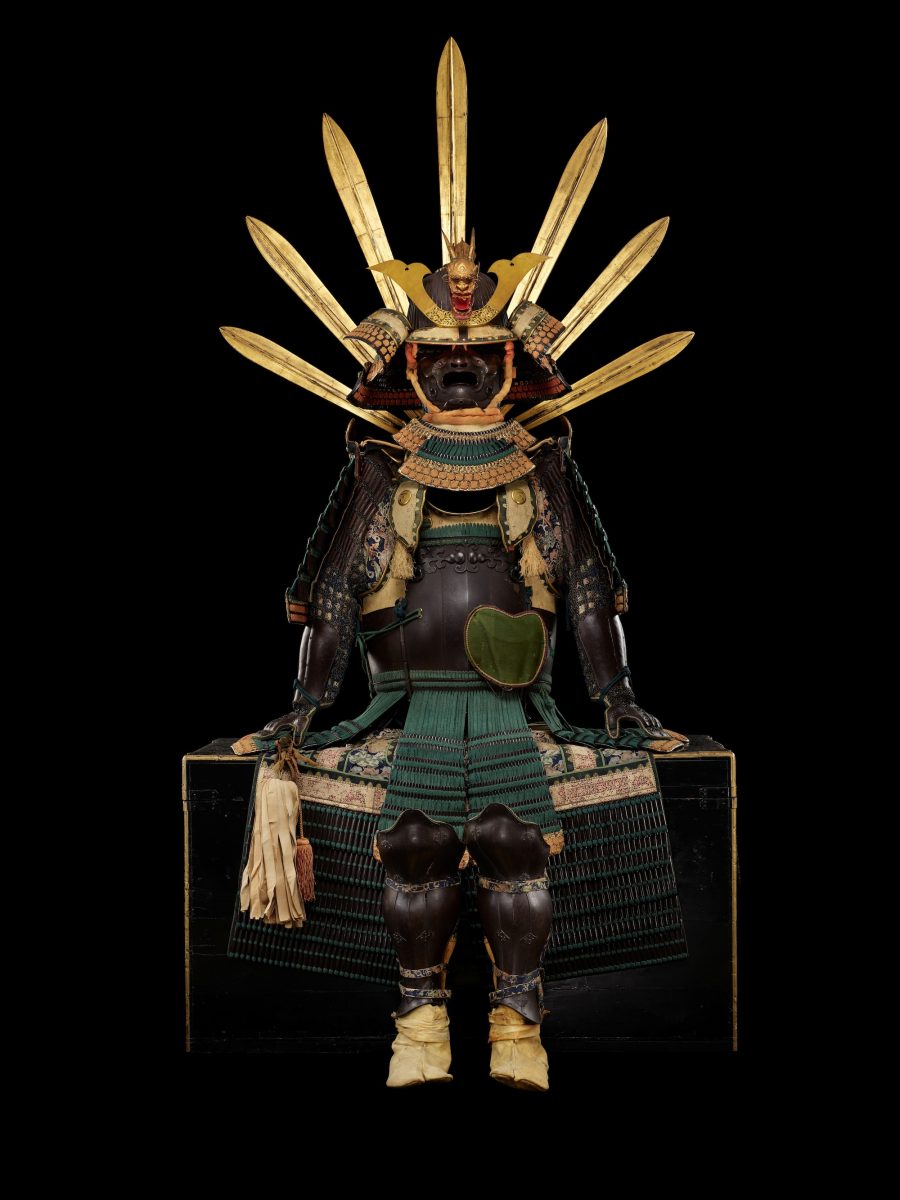
Many items will be on display for the first time, including an exquisite suit of samurai armour,newly acquired by the Museum. Its prestigious helmet and golden standard, shaped like iris leaves, were designed to make the wearer both identifiable and fearsome.
The exhibition goes far beyond just arms and armour, presenting paintings, woodblock prints, books, clothing, ceramics, photographs, and examples of film, television, manga, video games and contemporary art, including newly commissioned works by the celebrated Japanese artist, Noguchi Tetsuya.
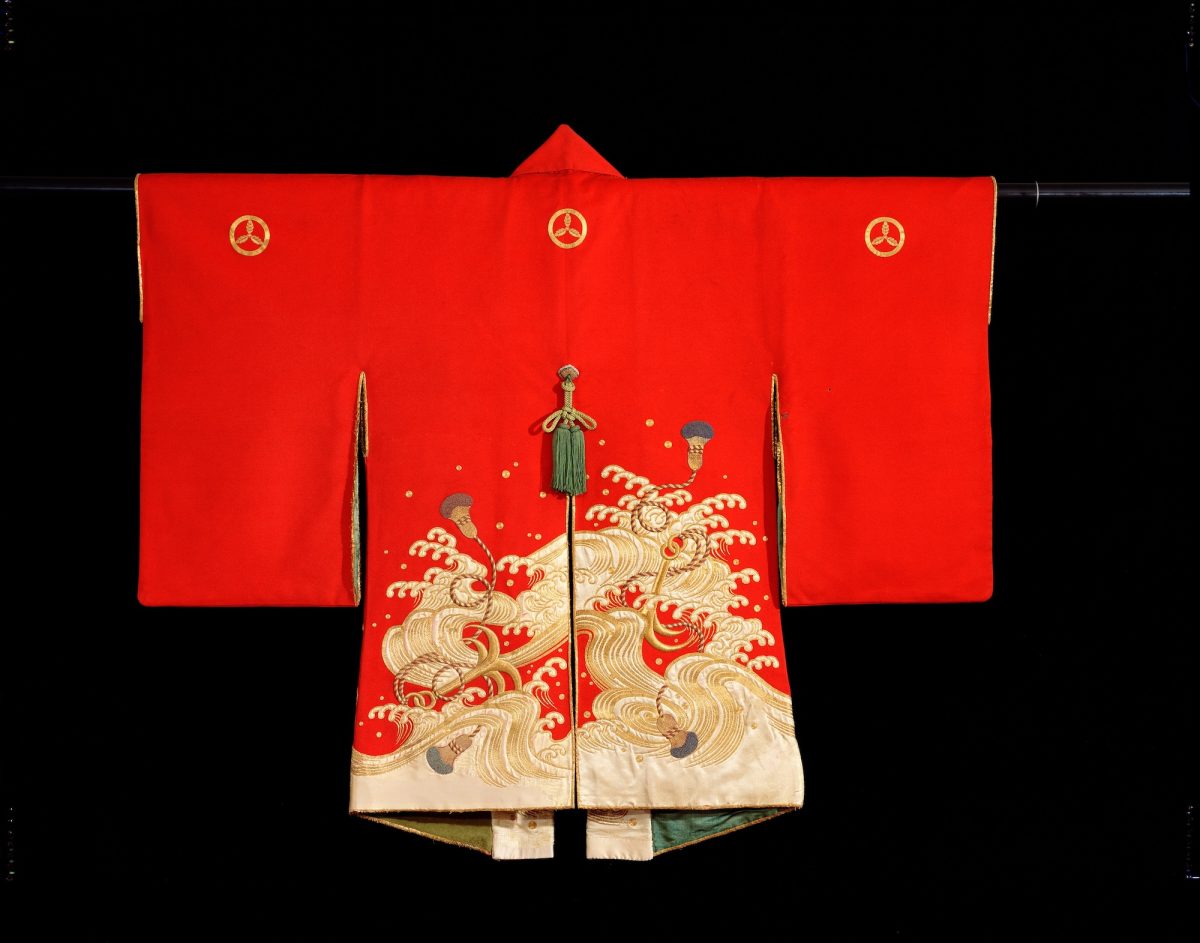
Among the highlights is a vermilion red, woman’s firefighting jacket and hood on loan from the John C. Weber Collection, worn by women serving within Edo Castle. Fires were so common in the wooden city of Edo (present-day Tokyo) that they were known as the ‘flowers of Edo’, and this jacket’s watery motifs of tasselled anchors and waves evoke protection against the flames.
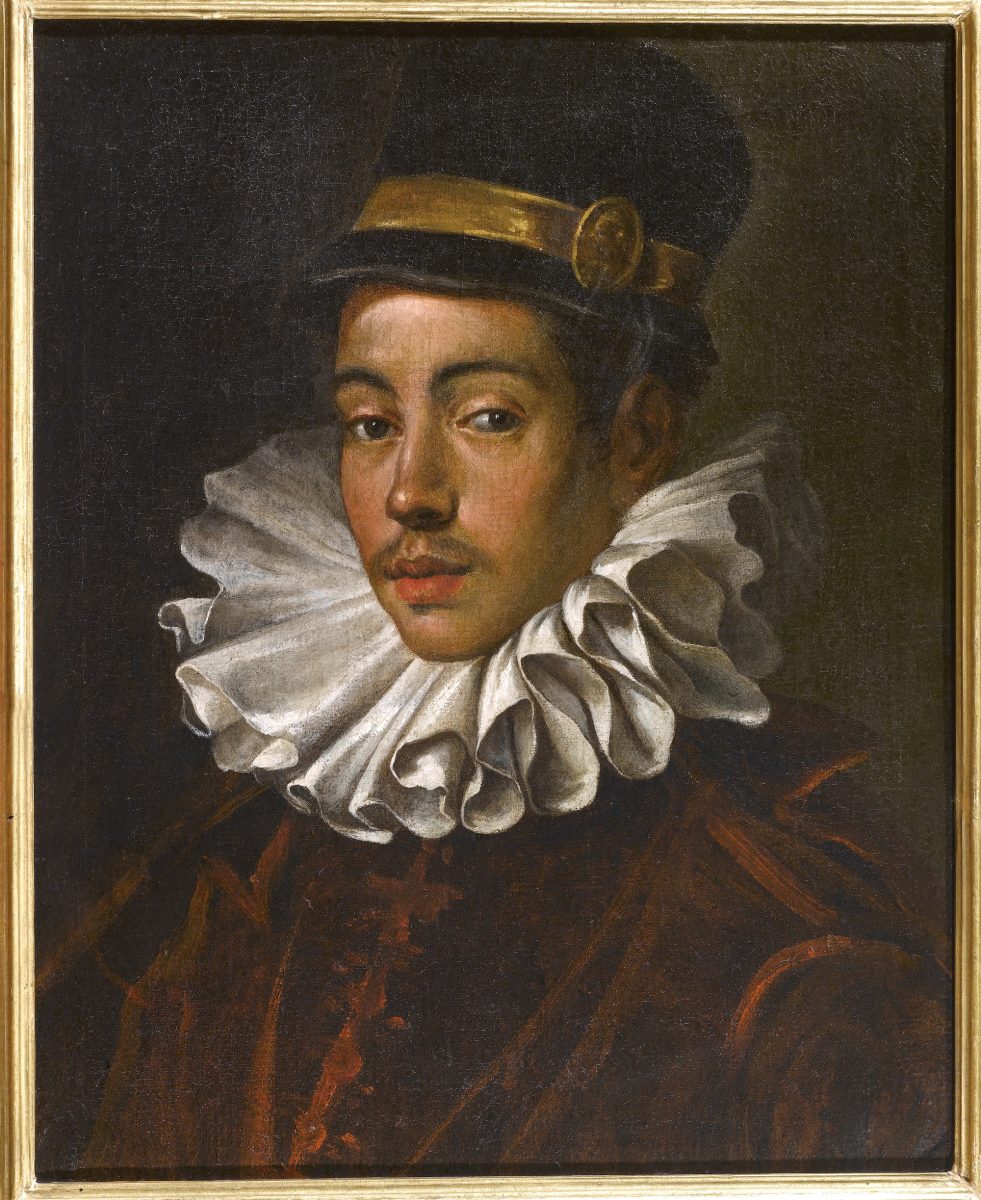
A rare portrait of It? Mancio by Domenico Tintoretto from Fondazione Trivulzio, Milan depicts a 13-year-old samurai who led an embassy to the Vatican in 1582. The visit marked Japan’s first diplomatic mission to Europe and a pivotal moment in the country’s encounter with the West, following the arrival of Christianity through Portuguese traders and missionaries in 1545.
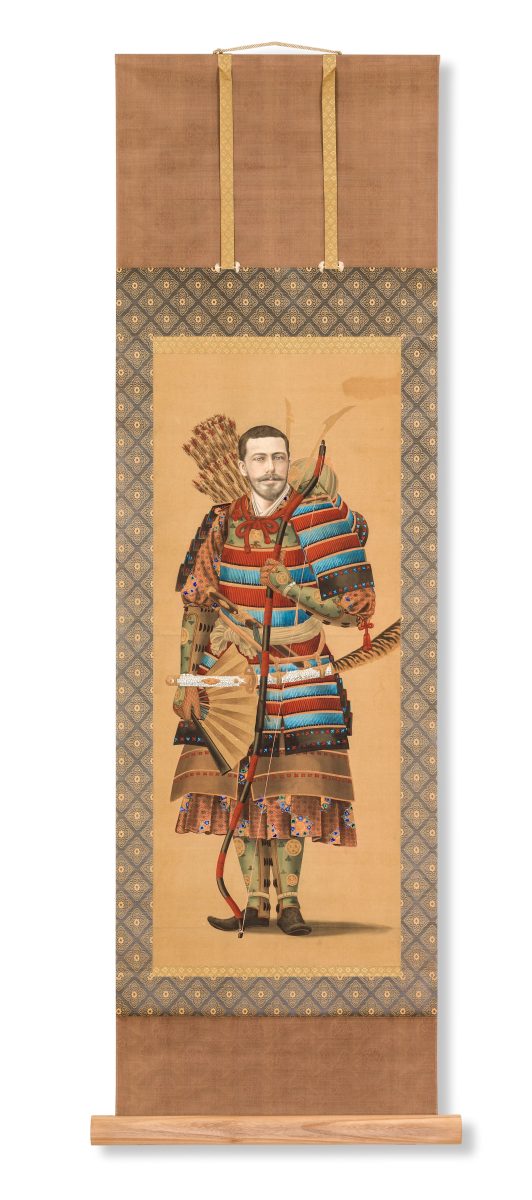
Reflecting further on cross-cultural exchange and on loan from Venice’s Museum of Oriental Art, the exhibition includes a portrait of Henry of Bourbon, Count of Bardi, who, while visiting Japan in 1889, commissioned himself portrayed as a Japanese warrior. His fascination captures the 19th-century Western idealisation of the samurai at a time when their world was rapidly disappearing.
From a Louis Vuitton outfit inspired by Japanese armour, to the popular video games Assassin’s Creed: Shadows (2025) and Nioh 3 (2026), the exhibition traces the samurai’s enduring legacy across fashion, film and gaming. These contemporary interpretations are strikingly current, with the latter game title launching just three days after the exhibition opens. Together they underline how the samurai continue to inspire creativity around the world today.

Samurai is a story of myth and memory, of tradition and reinvention. It offers a timely exploration of how history is written and rewritten, and how national identities are shaped through culture, storytelling and global exchange.
“The samurai have long captured the imagination of people around the world, yet much of what we think we know about them is shaped by myth and legend. This exhibition allows visitors to explore the real lives of these remarkable men and women, from the battlefields of medieval Japan to the cultural icons of today, and to see how their story has been continually reinterpreted over a thousand years.”
Dr Nicholas Cullinan OBE, Director of the British Museum,
“The Huo Family Foundation is delighted to continue its partnership with the British Museum through the support of Samurai. Reflecting our commitment to fostering education, enriching communities, and advancing the pursuit of knowledge, we are proud to help bring to life an exhibition that explores the artistry, purpose, and enduring legacy of the Samurai. By displaying the Museum’s exceptional Japanese collections and the expertise of its curatorial team, we are thrilled to showcase the many identities of these iconic figures that continue to intrigue and inspire audiences around the world.”
The Huo Family Foundation
Samurai, 3th February 2026 – 4th May 2026 the British Museum
To coincide with the exhibition, a beautifully illustrated book, Samurai, written by Rosina Buckland and Oleg Benesch, will be published by the British Museum Press in February 2026. British Museum exclusive paperback, £30, ISBN 9780714137049. Hardback, £45, ISBN 9780714137018.