Why do we visit other countries? Glossy advertisements would have us believe it’s to sit on a beach or take a selfie near a significant sight. However, what’s truly enriching about other countries is the people and discovering their food, culture, beliefs, hopes, and fears. Discovering how that changes our own perceptions and ideals, and giving us a global perspective we wouldn’t have gained if we hadn’t thought about the lives of those outside our home or neighbouring countries.
That’s what’s at the heart of Linda Burris Webster’s photography, which stems from her extensive travels and detailed research into the cultures and peoples that live there. She uses this as the foundation for photography that explores and raises awareness of global dilemmas, conflicts, and injustices.
She starts with maps. Maps purport to be an accurate representation of a country’s topography, but because the earth is round, maps cannot accurately represent size, shape and direction. They are impersonal; they fail to capture the lives of the people who live in those countries and the hardships they face. She asks us when we last looked at a map and saw more than roads and borders? Beyond the neat lines and labelled places, and wondered what stories live inside those flat surfaces?
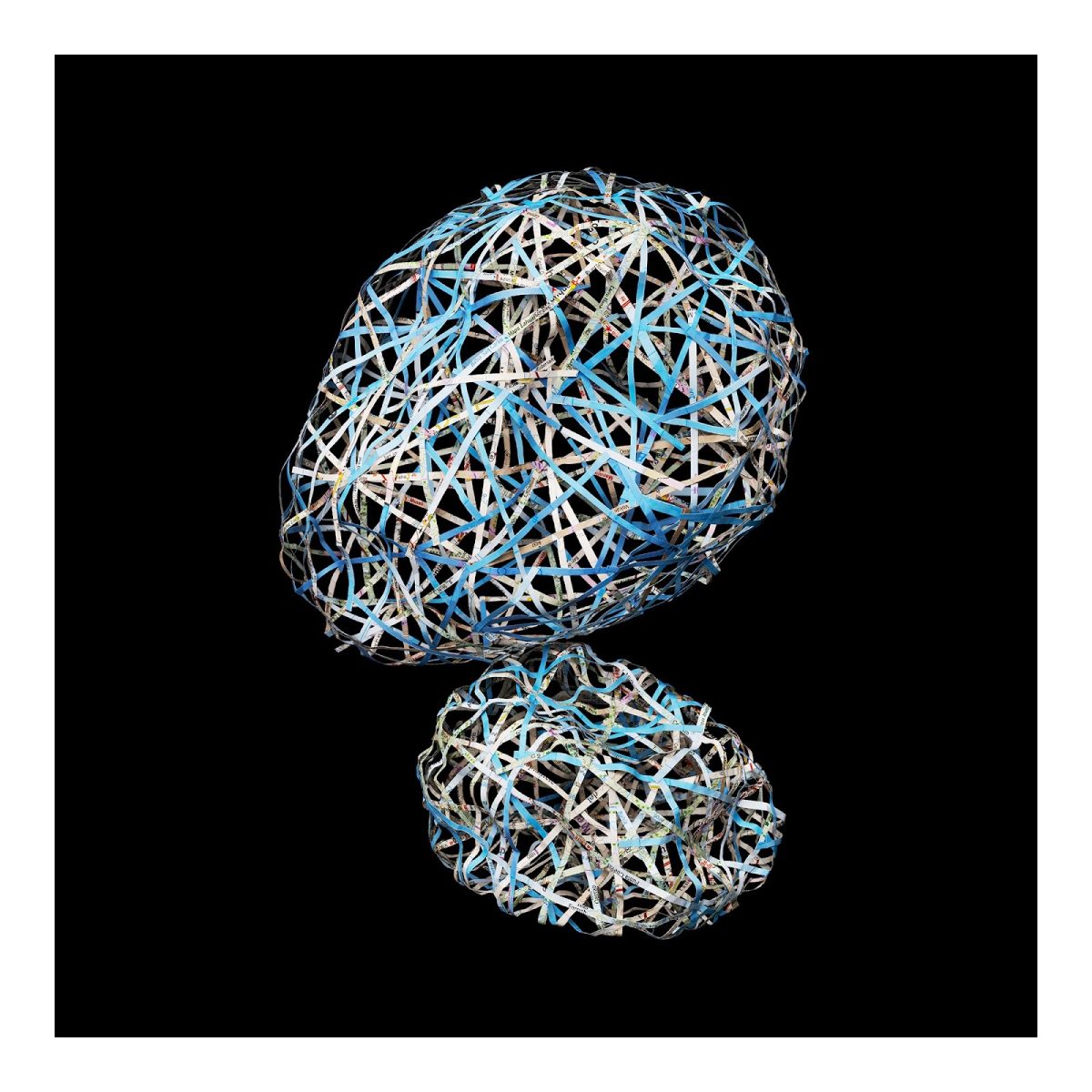
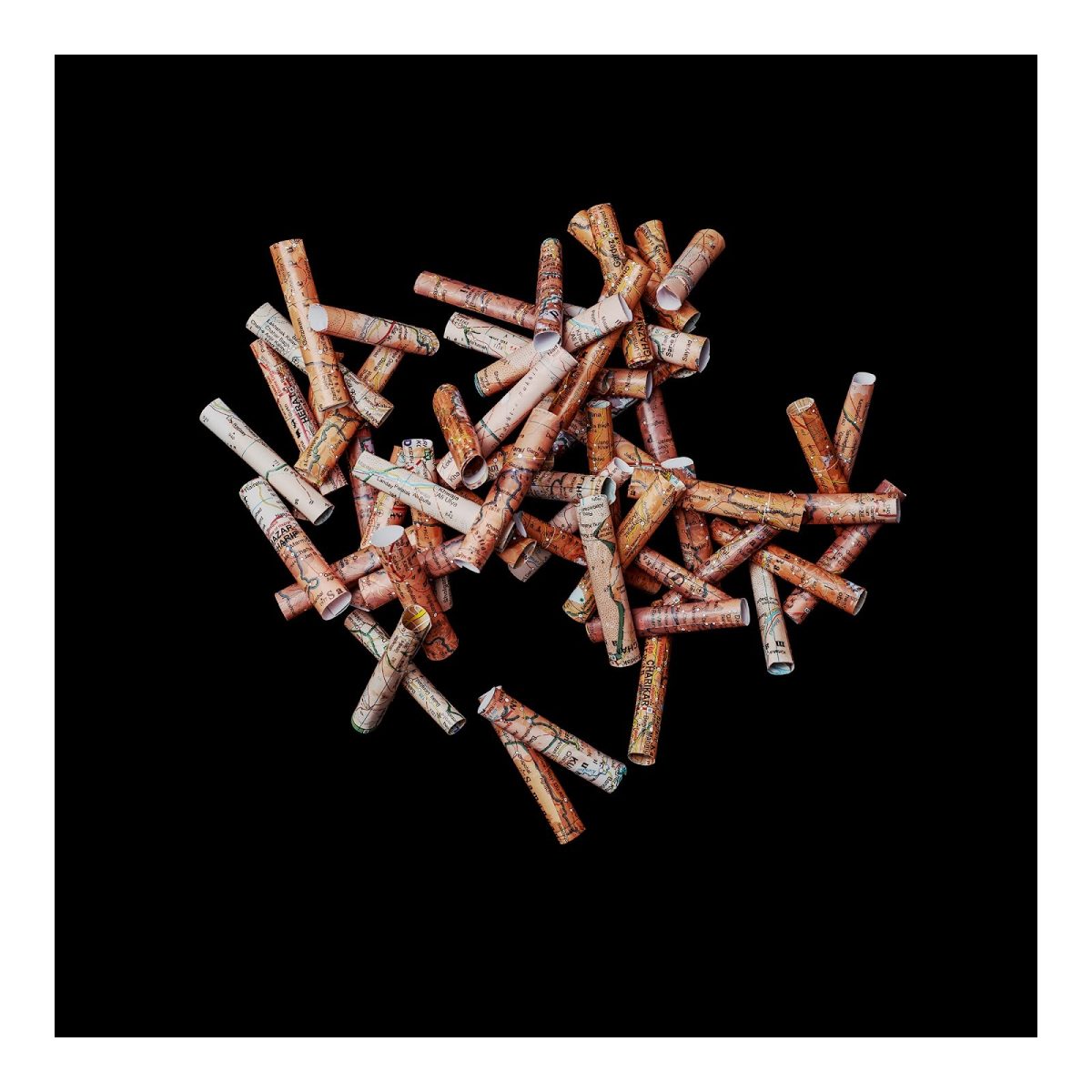
Maps promise understanding, control, and the ability to navigate safely from point A to point B. But Burris Webster tears them, twists them, forces them to confess what they conceal. These three-dimensional sculptures are then photographed against a black background, allowing them to revert to the two dimensions they originally started with and create a new map. Her works are aesthetically beautiful and serve as the starting point for us to examine the human cost of life on this planet.
Each work is a commentary on the difficult lives faced by those in a world ravaged by war and a climate crisis. A map of Afghanistan is rolled and placed in a pile that resembles bullet casings, reflecting the torture and death faced by women who try to express their freedom in a place where it’s denied.
Vietnam may be a major holiday destination now, but it’s still a country where women and children are being trafficked for commercial sexual exploitation and forced labour. She highlights the repression of views in Malaysia and Cambodia, as well as the impact of climate disasters across the world. Much of her work focuses on the many horrors that take place and are rarely covered by Western media. Her work is both a reflection and a reaction to these travesties and challenging times.
It’s not only people suffering, but nature is also taking a battering as the climate crisis intensifies. Her works from Greenland resemble tiny bubbles that evoke the emissions causing the melting of the ice sheets on a scale that’s difficult for our brains to comprehend. Her folded petals and flowers remind us that species extinction and human displacement are interconnected tragedies.
Her works are arresting and they remind us of a much darker undercurrent that exists in the world today, often a world we don’t see, whether that be due to a lack of media coverage, wilful ignorance, or numbness from all the other tragedies occurring in the world around us. The work of Linda Burris Webster reminds us that there are myriad problems in the world. However, the first step to solving a problem is understanding the scale of the situation we’re facing, and her work is a sobering reminder of it.
These photographs of sculpted maps won’t provide us with directions to a destination, but they tell stories that are far more important. They may not be the stories we want to hear, but they are the ones we need to know.
You can find out more about Linda Burris Webster’s work via her website and her Instagram.
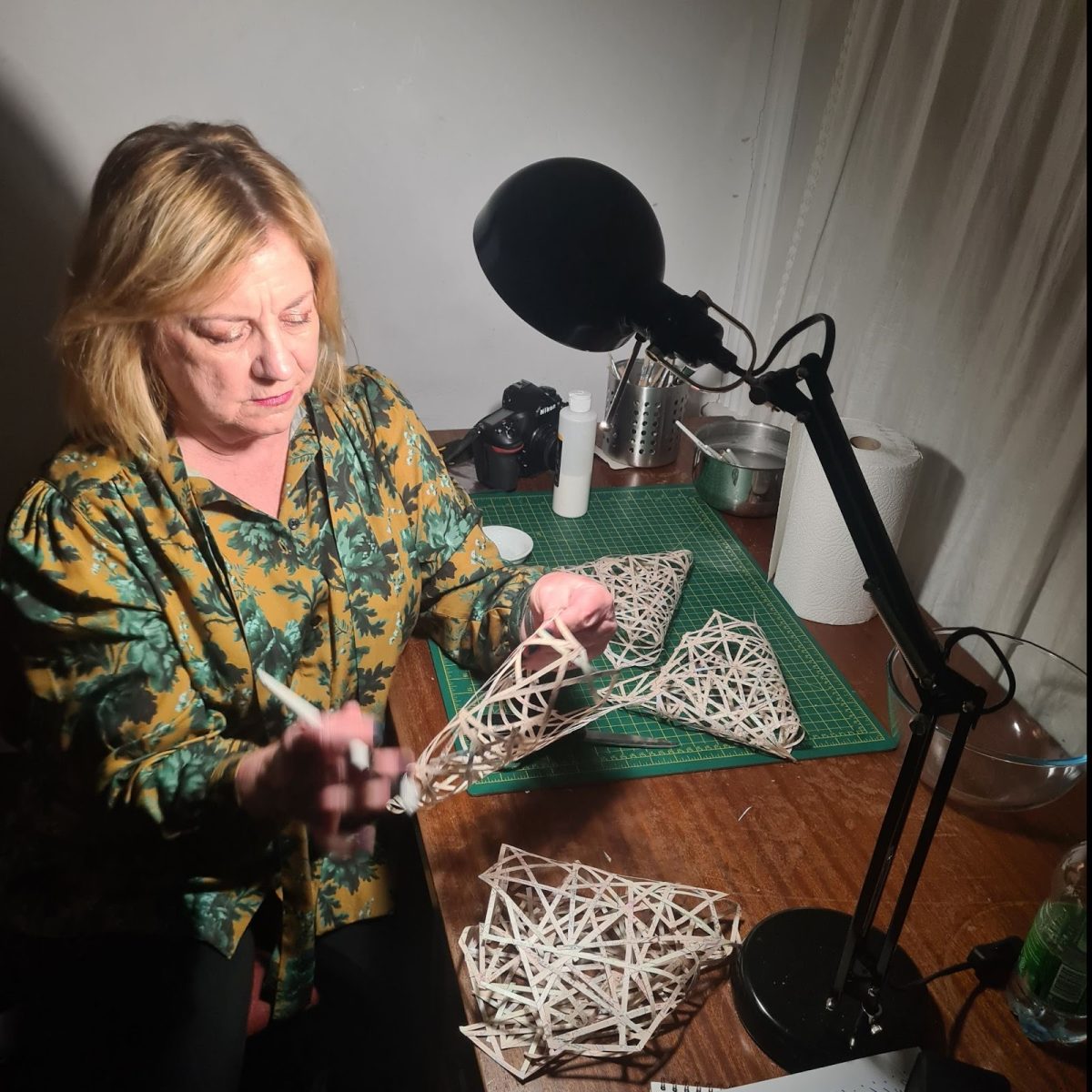
All images are copyright of Linda Burris Webster and the two works shown are titled ‘Chile’ and ‘Afghanistan’. The lead image is of her working in her studio.