A writhing, frenzied ball of taut limbs, streamers and visceral emotion pulsates in anguish on a darkened stage. Mezcal has been drunk; decorations have been strung, and the ugly tears are given permission to flow. The fervour of the band dissipates, and Lukas Avendaño slips on a gown of black lace and grief.
Avendaño’s Requiem para un Alcaraván marks my first experience at Take Me Somewhere, Glasgow’s biennial, a festival of radical performance that “challenges [audience] perception of what performance is, what it can be, and who it is for.” Requiem para un Alcaraván delivered on all fronts: from virginal procession in a striking frosted, shimmering skirt and veil, to mythical transformation into the “alcaraván” (a curlew), Avendaño gives everything of himself to create an unforgettably explosive and impassioned performance.
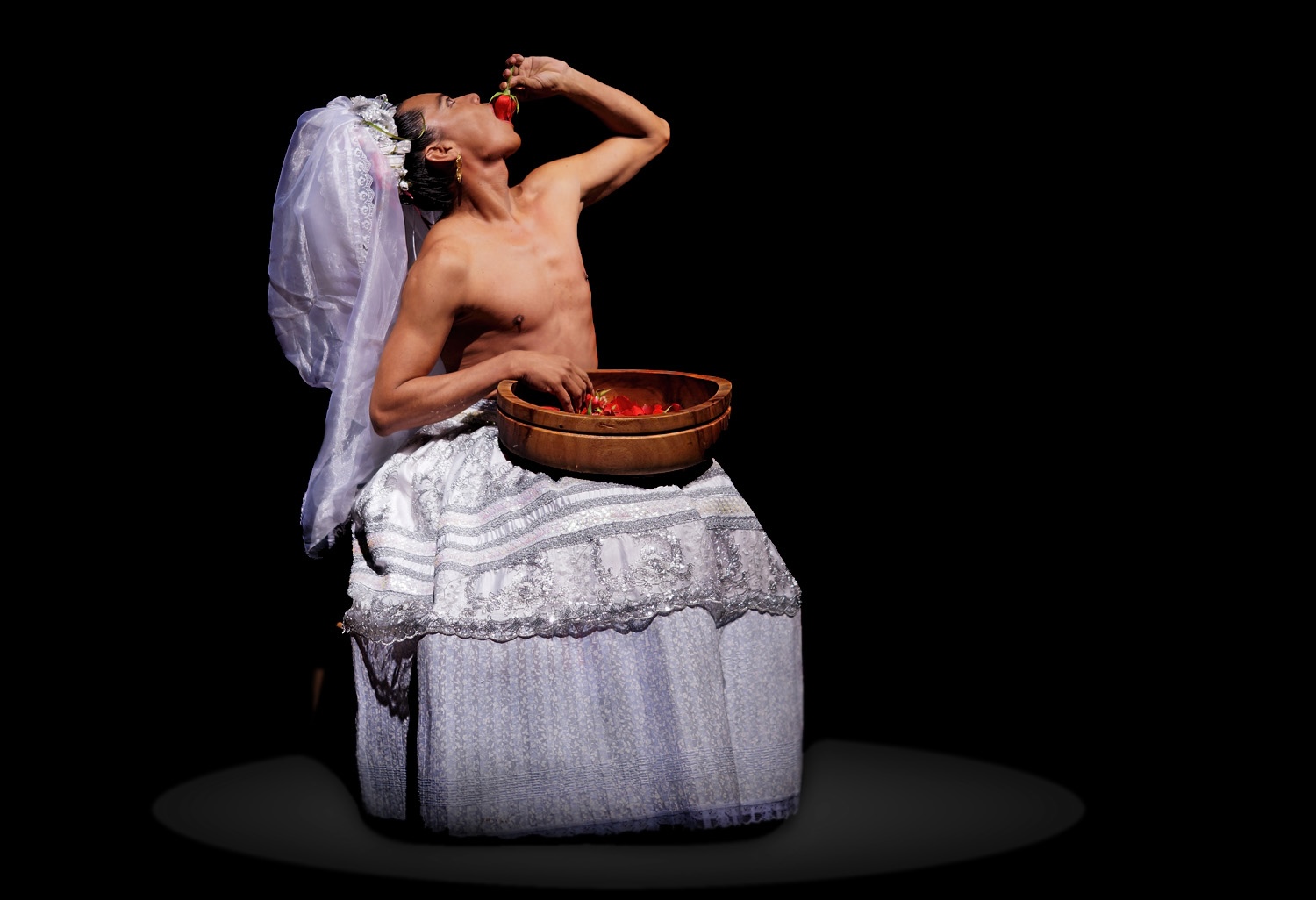
With humbling vulnerability, the artists shares an erotic sexual awakening in the trembling consumption, caressing and ripping of blood red flowers; a coming-out and all the anguish and rejection this often entails; a fervent and seemingly coercive love-affair; a tender and visually stunning marriage in the snow (to an unsuspecting audience member); then a brief moment of joy before a climax of a torrential breakdown and transformation into the curlew. Free for an achingly brief moment before mourning clothes are donned and darkness ensues.
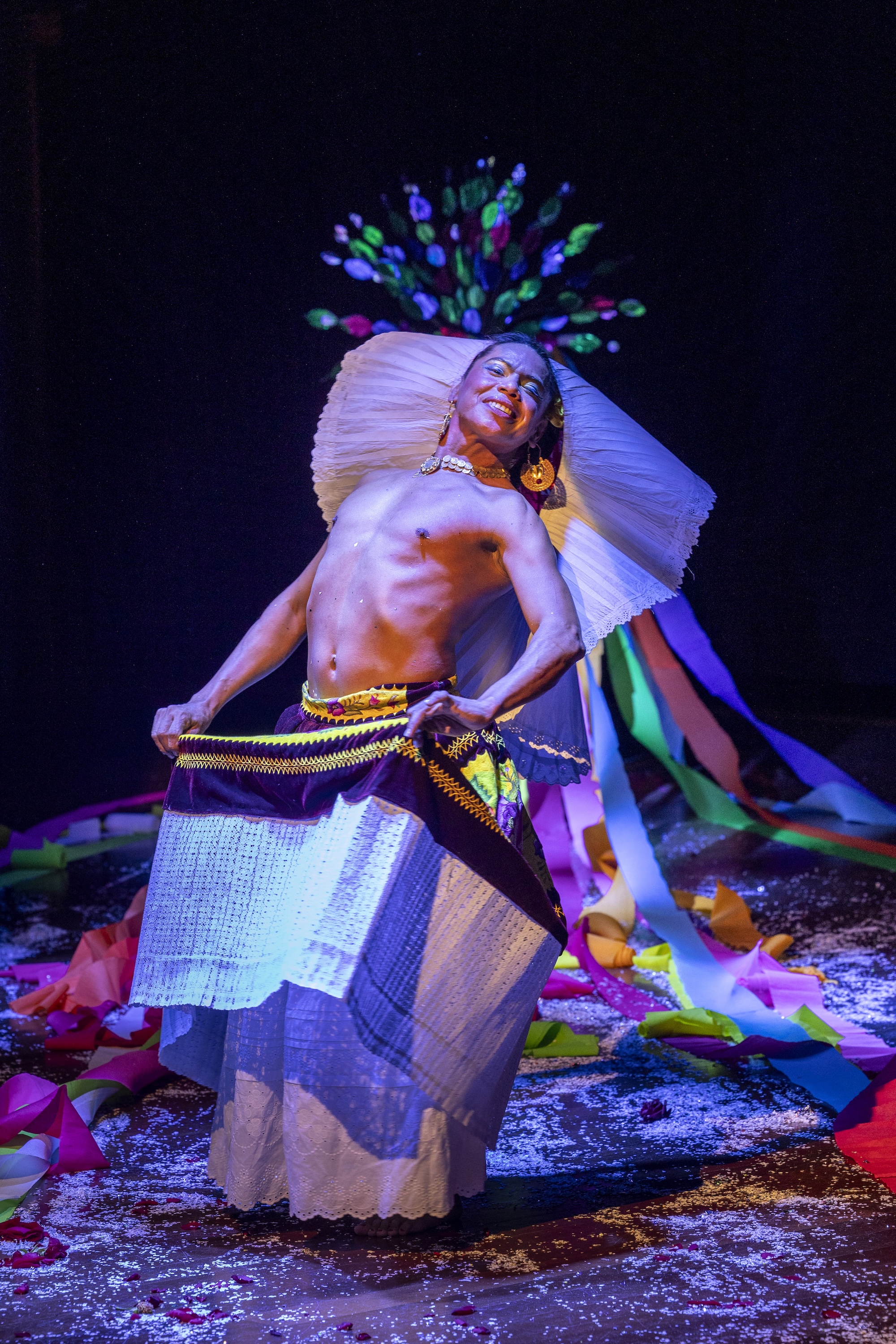
Whilst “rooted in the figure of the muxhe, or man-woman” and Zapotec tradition, the strength of Requiem para un Alcaraván lies in its humanity and its significance to all our lives in exploring recognisable, universal truths of loneliness, suffering, rejection, joy, love and pain. Avendaño deftly sweeps us up in this emotive spectacle and spits us out, in just over an hour, with an indelible mark and quite possibly a hangover.
Doris Ulrich’s, Come Back Again, created in collaboration with dancer Susanne Kirnbauer-Bundy takes a more tranquil, but equally captivating , approach through a touching and tender performance at Platform, exploring age and identity.
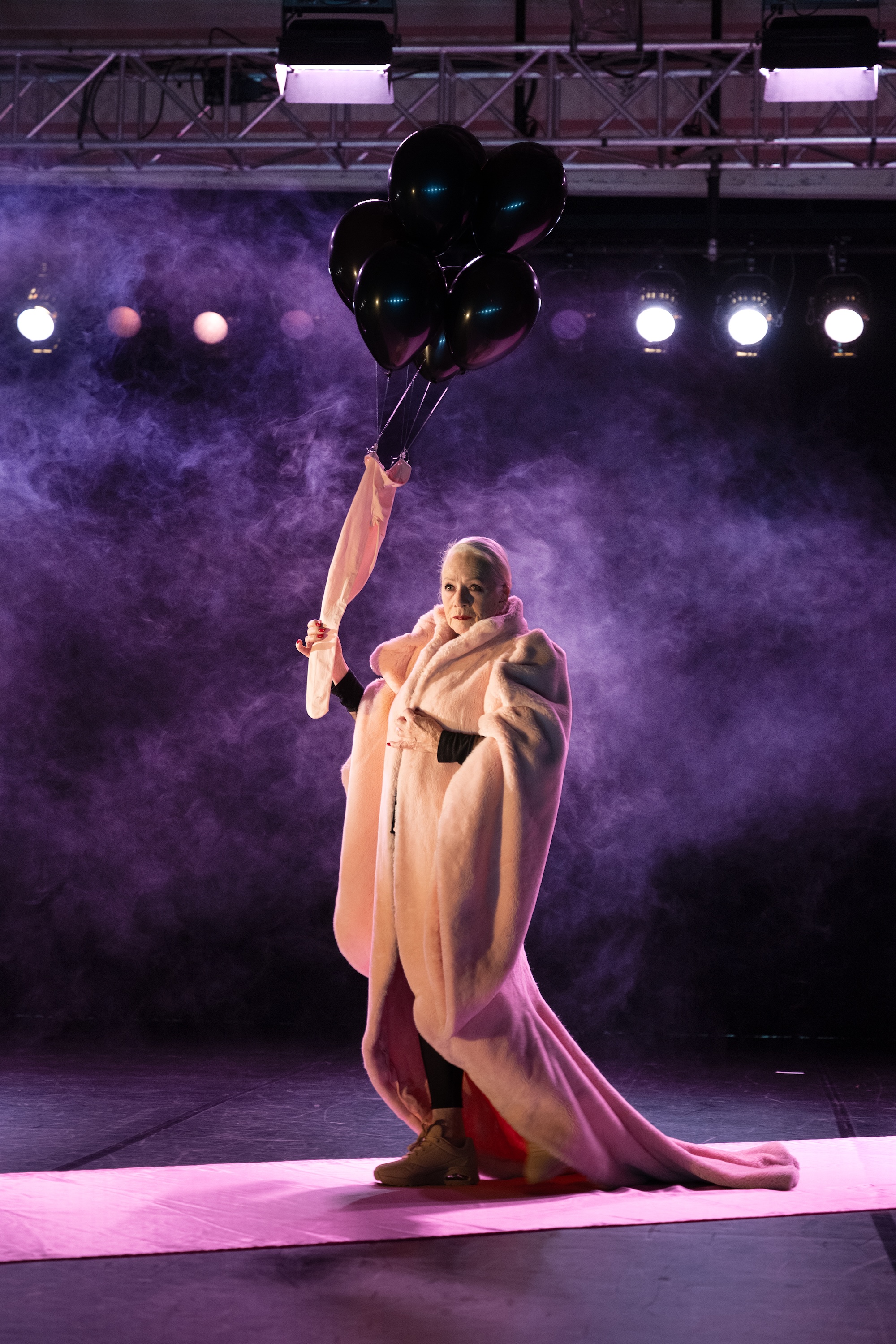
Silence and a single light hold an opening scene full of tension and stillness. Broken with the slightest movement of Kirnbauer-Bundy’s head, as if disturbed from a daydream and startled at the audience, she begins to reawaken her forgotten self and body. A rhythmic soundtrack sets us in her chest cavity- the thundering heartbeat exposing the physical cost of these small exertions on her aging physique.
One moment, a fierce and strong warrior-like goddess and the next sighing onto a chair, breath rasping we see the former ballerina tests the limits and limitations of her body.
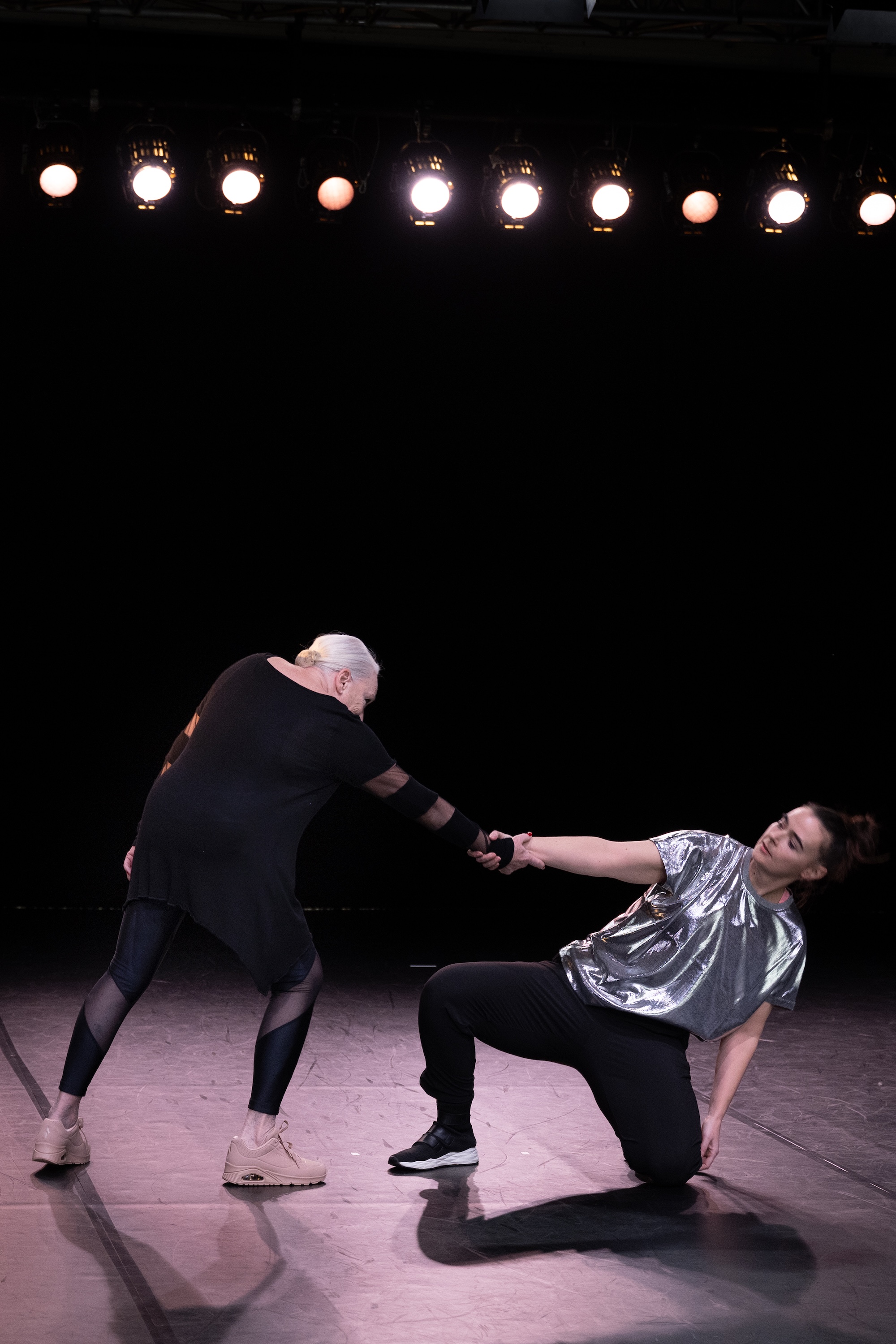
Bursts of energy and joy are punctuated with periods of desolation, portraying a moving realisation that the body no longer is or never will be, what it once was. A remapping of her face with dancing fingers reveal her disbelief at the transformation that has taken place.
Slipping back, a memory of the riggers and relentless nature of training, through layers of commanding voiceovers, echo the bygone voices of her flourishing career.
A hypnotic sci-fi track melds into a newer freer dance, and she glows. Another dancer enters- the embodied shininess of youth; a poignant mirror of the staccato moves her body can no longer perform- collaborates, pushes and plays.
Supported and in the warmth of this younger dancer, Doris Ulrich, Kirnbauer-Bundy is fortified and finds confidence and energy to celebrate herself as she is. Rock n’ roll royalty, she struts along a velvet carpet in an ostentatious pink coat. A symbolic cluster of black balloons are set adrift, and we see her ballet tights are the ribbon and something she no longer needs to keep hold of.
In a dazzling finale, Kirnbauer-Bundy, slips into a gigantic tutu and playfully performs her most powerful and confident piece yet. Finished, she poses and like a 1950s pin-up lights a cigarette and is veiled in enigma and smoke.
Addressing the audience she glibly announces, “Actually I hate props” and commences on a touching reminiscence with the younger dancer- both revealing doubts and fears; criticism and the weight of expectation. Counting back the years Kirnbauer-Bundy recalls key moments in her career and she now dances unburdened after this catharsis.
In a world that fetishises youth, Come Back Again, is a poignant and vital reminder and celebrations of the agility and energy of someone who has lived a creative life full of dedication and joy but also the beauty and value of intergenerational connection.
Tania El Khoury’s Cultural Exchange Rate @ The Centre for Contemporary Arts, explores a life lived navigating a myriad of visible and invisible borders through an interactive performance akin to a memoiristic escape room.
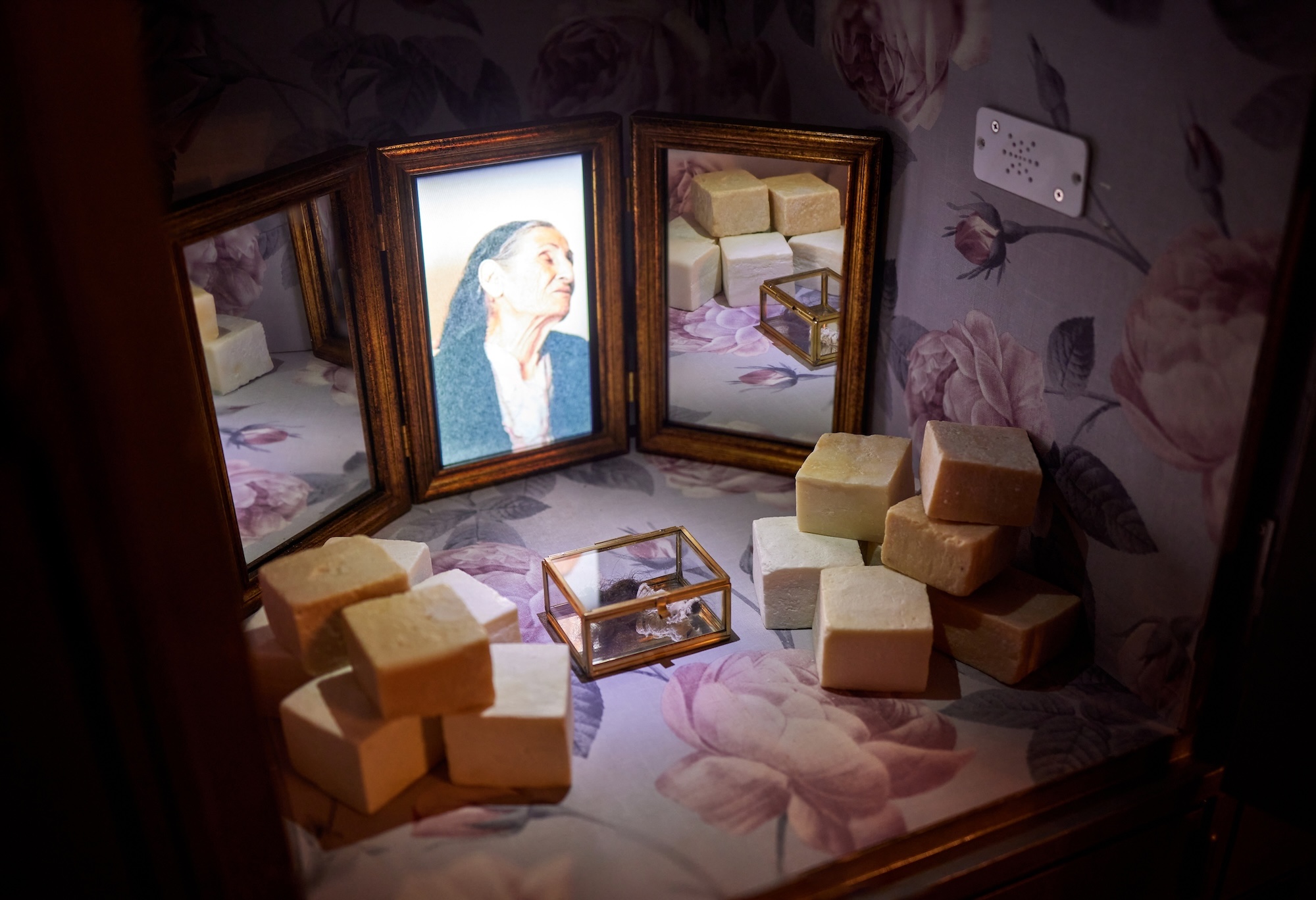
Unlocking family secrets and uncovering their struggles alongside El Khoury and her kin the audience discover “the cruellest of borders [that] are invisible to the eye and present in everyday life.” Each participant is given a set of keys and allowed to peer into lockers containing snippets of the artist’s life, where we are privy to a personal history and asked to taste, smell and invest in their lives in a private act of currency exchange.
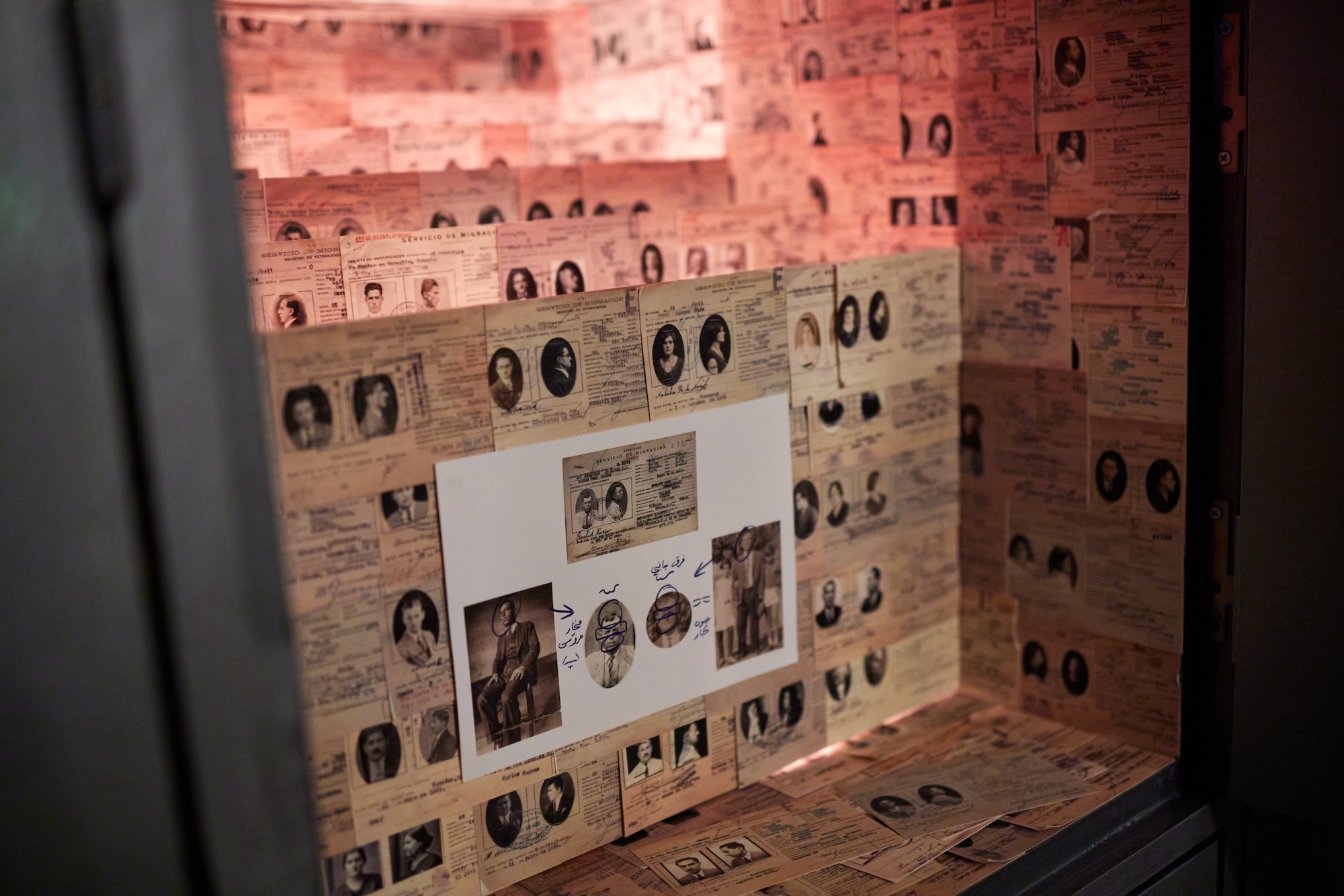
El Khoury weaves interviews with her late grandmother and phone calls with her father to tell a tale of her journey from a small village on the border of Lebanon and Syria to present day life. We leave not shocked or shaken by war and fear, that is almost certainly part of their tale, but with the feeling that we have made a new friend. The spectacle of the experience was perhaps stronger than the narrative of the work but nonetheless El Khoury creates a successful and lasting sentiment.
Take Me Somewhere’s Artistic Director LJ Findlay-Walsh, explained that:
“through these works audiences can explore what it means to want better and more.”
The snapshot of the festival I was lucky enough to experience, spoke of wanting a more inclusive, more tolerant society, to be seen, to be heard and to provide a safe, brave and shared space to experience performance that left the audience wanting more too.
MORE: @tmsomewhere