What exactly is surrealism? That’s the inevitable question for visitors to the Whitney Museum’s Sixties Surreal. The show pushes beyond the melting clocks and dreamscapes of Salvador Dalí to ask: how did the language of surrealism reverberate through American art in the 1960s?
Are works by Andy Warhol surreal? Jasper Johns? Robert Crumb? These names usually call to mind Pop Art, underground comics, or postwar media culture—not surrealism. But the Whitney’s curatorial team — Scott Rothkopf, Dan Nadel, Laura Phipps, and Elisabeth Sussman — argue otherwise.
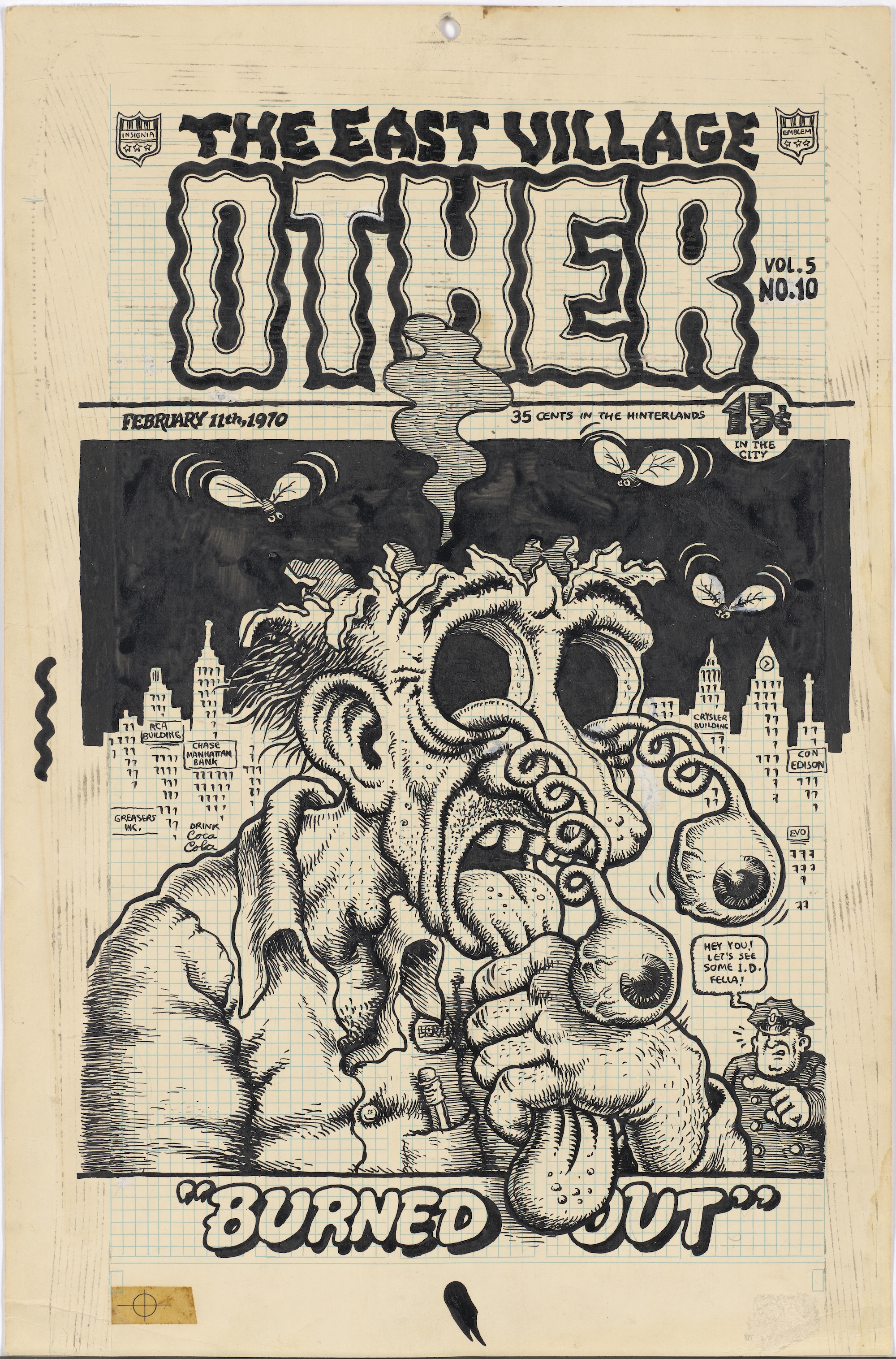
The exhibition takes up a provocation first posed by critic Gene Swenson in the 1960s: What if surrealism, not Cubism, had shaped the dominant course of postwar American art? The question opens a Pandora’s box. The curators respond with a sprawling survey of 111 artists and 134 works, casting a deliberately wide net.
“We weren’t particularly interested in drawing a direct line from each artist back to historic surrealism,” the museum’s associate curator Phipps said in a video interview. “Instead, we wanted to see how (André) Breton’s ideas and strategies percolated—consciously or unconsciously—into American art of the 1960s.”
Breton wrote the 1924 Surrealist Manifesto, defining surrealism as ‘psychic automatism in its pure state’—a radical political and poetic vision that soon expanded into a visual language as well.
Expanding the Definition
Unlike the Centre Pompidou’s 2024 travelling blockbuster Surréalisme, which staged a maze-like journey through the canonical masters — Dalí, René Magritte, and Max Ernst — alongside underrecognized voices such as Ithell Colquhoun, and Remedios Varo, the Whitney sets its sights firmly on American reinventions. It highlights artists who absorbed surrealist strategies — automatism, collage, dream imagery, the uncanny —and translated them into responses to mass media, feminism, psychedelia, and political upheaval.
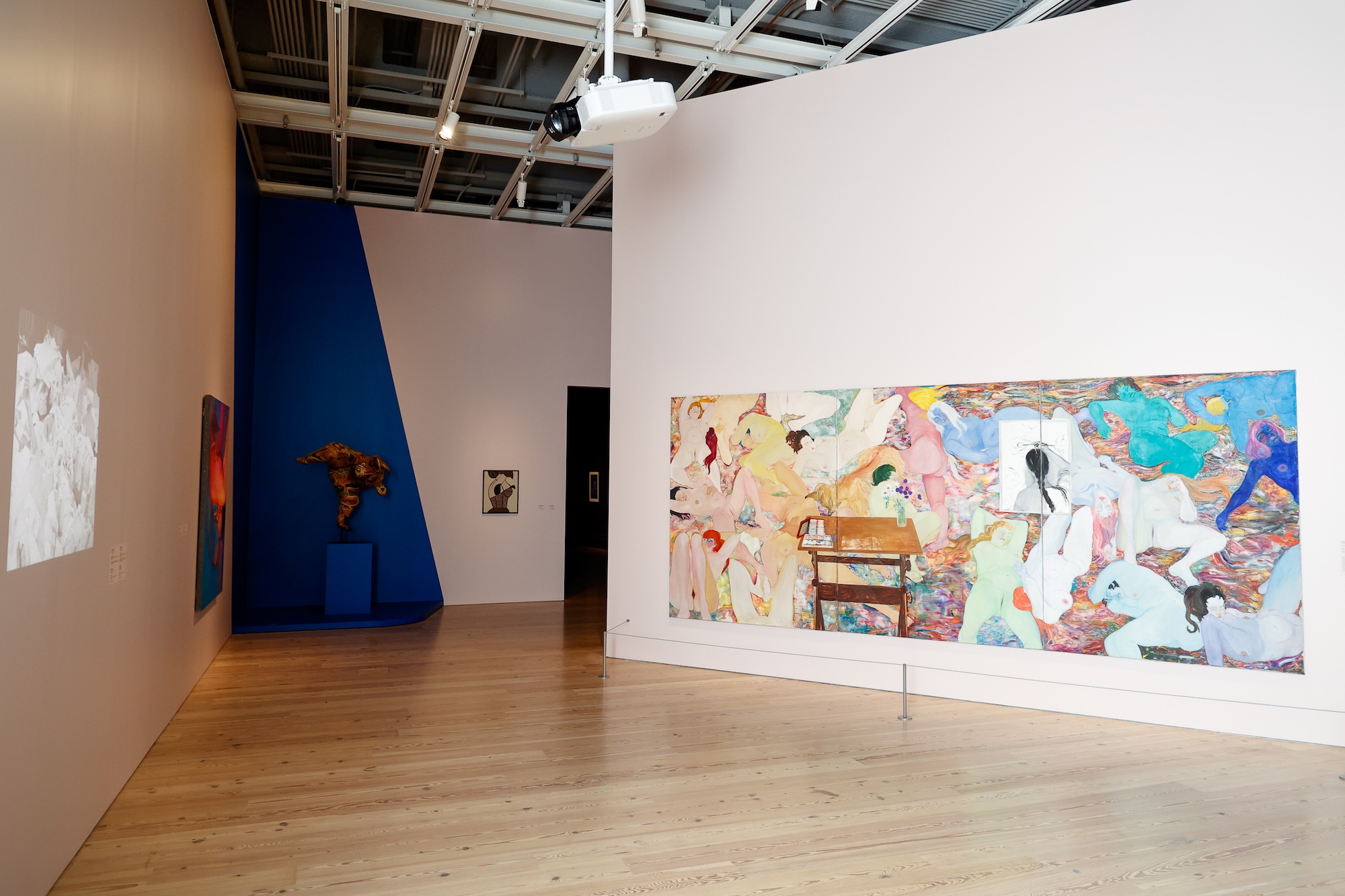
By the mid-1950s, surrealism was dismissed by critics in favor of formalism, Phipps explained.
“But artists outside New York were still encountering the work and finding freedom in collage, assemblage, and dream states…That freedom became permission to make art in a broad variety of ways.”
The curators argue that surrealism had slipped into the cultural bloodstream. Dalí was designing advertisements, film, and stage sets by the 1940s; Magritte’s imagery circulated widely in print. By the time of the civil rights movement, Vietnam War protests, and psychedelia, American artists were primed to appropriate—and transform—these tools of the unconscious.
Beyond Dripping Watches
Visitors to the Whitney are greeted by Nancy Graves’ Camels VI, VII, VIII (1968–69), uncanny sculptures that resemble taxidermy but are made from wood, steel, burlap, polyurethane, animal skin, wax, and oil paint. The work immediately begs you to ask what else may be considered surreal? The show is organized thematically, with galleries devoted to Pop offshoots, feminist reimaginings, and political collage.
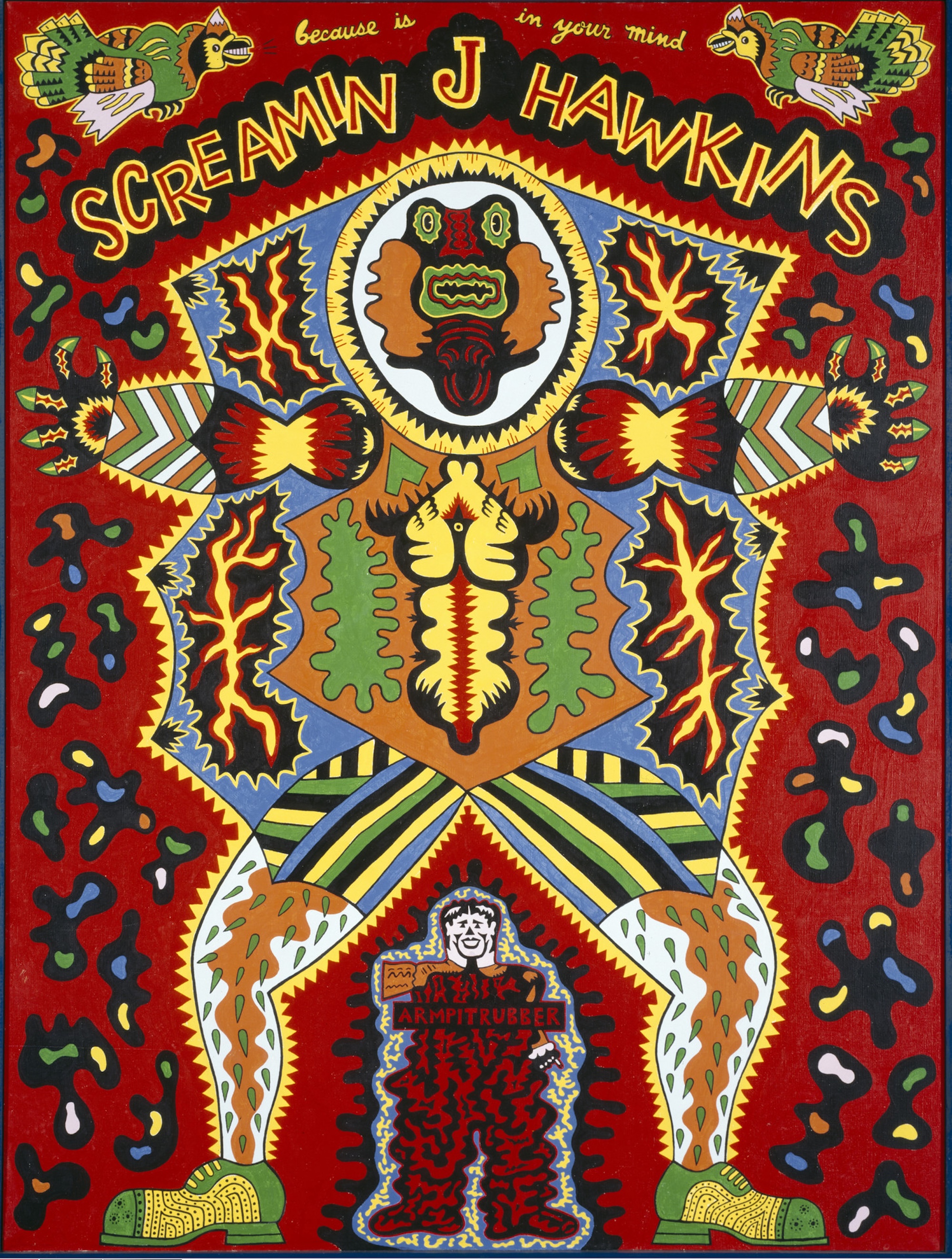
In the area called “An Other Pop,” artists turned the glossy surfaces of consumer culture inside out. Karl Wirsum’s Screamin’ Jay Hawkins (1968) distorts the magnetic performer into a frog-like figure, while Claes Oldenburg’s Soft Toilet (1966) literalizes bathroom humor in sagging vinyl. On screen, Gunvor Nelson and Dorothy Wiley’s Schmeerguntz (1966) hammers home a more pointed critique: juxtaposing beauty pageants and detergent ads with raw footage of housework, diapers, and exhaustion. The film, whose title is German slang for “sandwich,” collapses the surreal into the painfully real.
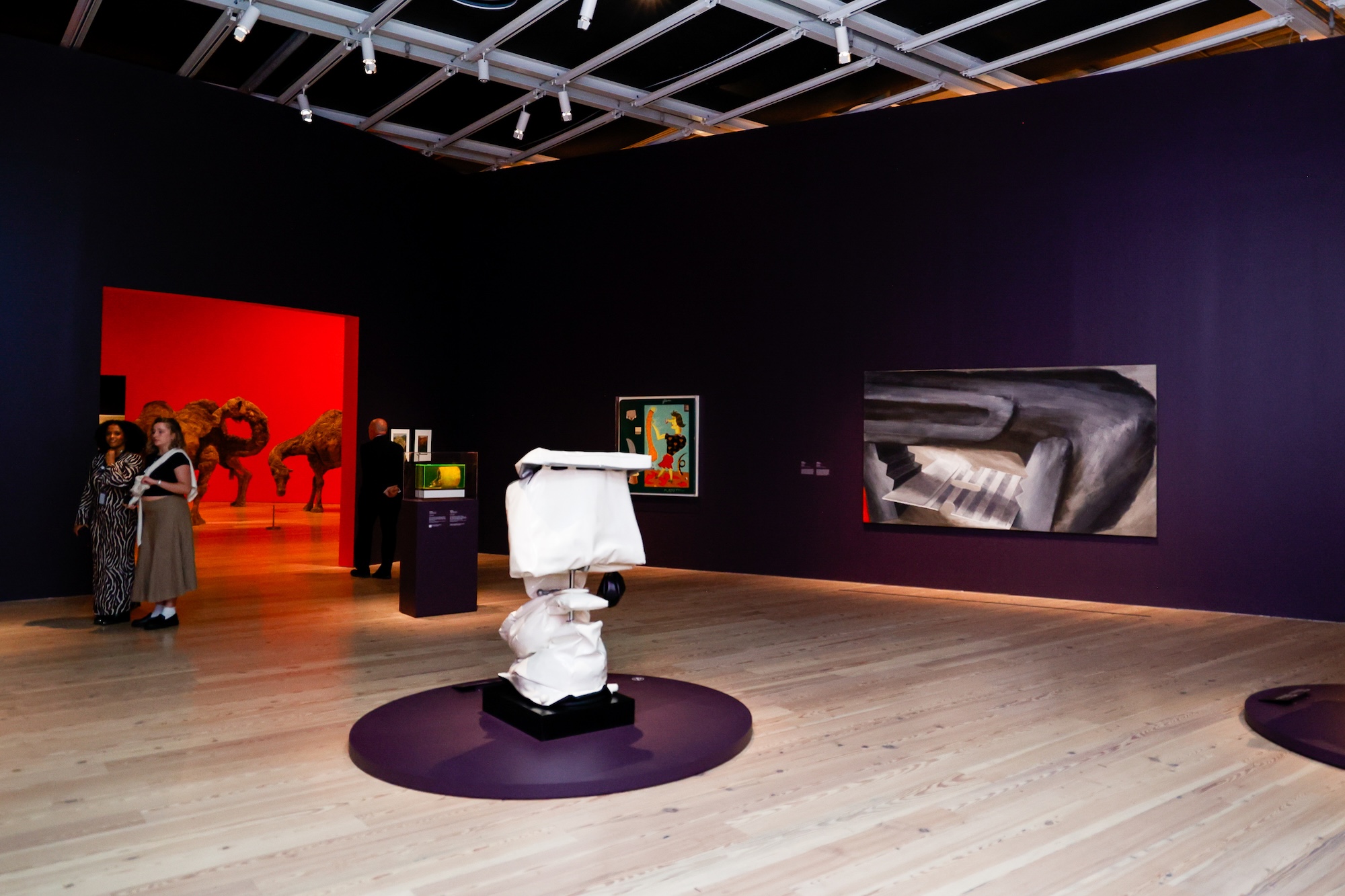
The Big Rip Up section highlights feminist interventions, artists who—like Leonora Carrington, Dorothea Tanning, and Frida Kahlo before them—used the body as a tool of resistance. Martha Edelheit’s Flesh Wall with Table (1965) portrays a collective of nude women reclining in sensual solidarity. Marisol’s Women and Dog (1963–64) fuses multi-headed wooden figures with a stuffed animal head, unsettling and sly.
“We didn’t set out to make a women-only (space),” Phipps said. “We just kept sort of like minimizing the men in that gallery. What remained was a group of women using the body to interrogate their position in the world. Once we had that collection of artists, we had to have (the room).”
Meanwhile, Show of Force confronts the era’s political upheavals head-on. Ralph Arnold’s Unfinished Collage (1968) memorializes fallen leaders John F. Kennedy, Robert F. Kennedy, and Martin Luther King Jr., leaving a fourth panel blank—a chilling “your face here” premonition.
Pop, Politics, and Surrealism
Warhol’s Marilyn (1967) and Johns’ Flags (1965) might seem like odd intruders. But for the curators, their presence was essential. “Jasper Johns was included in the last Surrealist exposition in Paris in the early 1950s, and both he and Warhol were part of Swenson’s early shows,” Phipps explained. “The works we chose—Johns’ Flags and Warhol’s Marilyn—speak directly to the themes of their galleries.” They show how mass commodification and the impact of television could themselves be surreal.
Some viewers may wonder why Dalí or Magritte don’t make cameo appearances, given their influence and popularity in the 1960s. Phipps addressed this directly – the Europeans would carry too much weight: “We thought about it. But ultimately we didn’t want viewers to see every work only in relation to those icons. It felt more true to follow where the American artists were taking us.”
Anchors and Networks
The show also spotlights pivotal artists (and mentors) who anchored artistic networks. Joseph Raffael, for instance, appears with collage-like canvases that juxtapose images into confusing, dreamlike stories. James Rosenquist’s billboard-scale paintings destabilize Pop’s visual clarity. In Northern California, William T. Wiley and H.C. Westermann fostered circles of artists experimenting in sculpture, film, and performance. Westermann, in particular, threads through the show, a craftsman whose influence touched peers in Chicago, California, and New York.
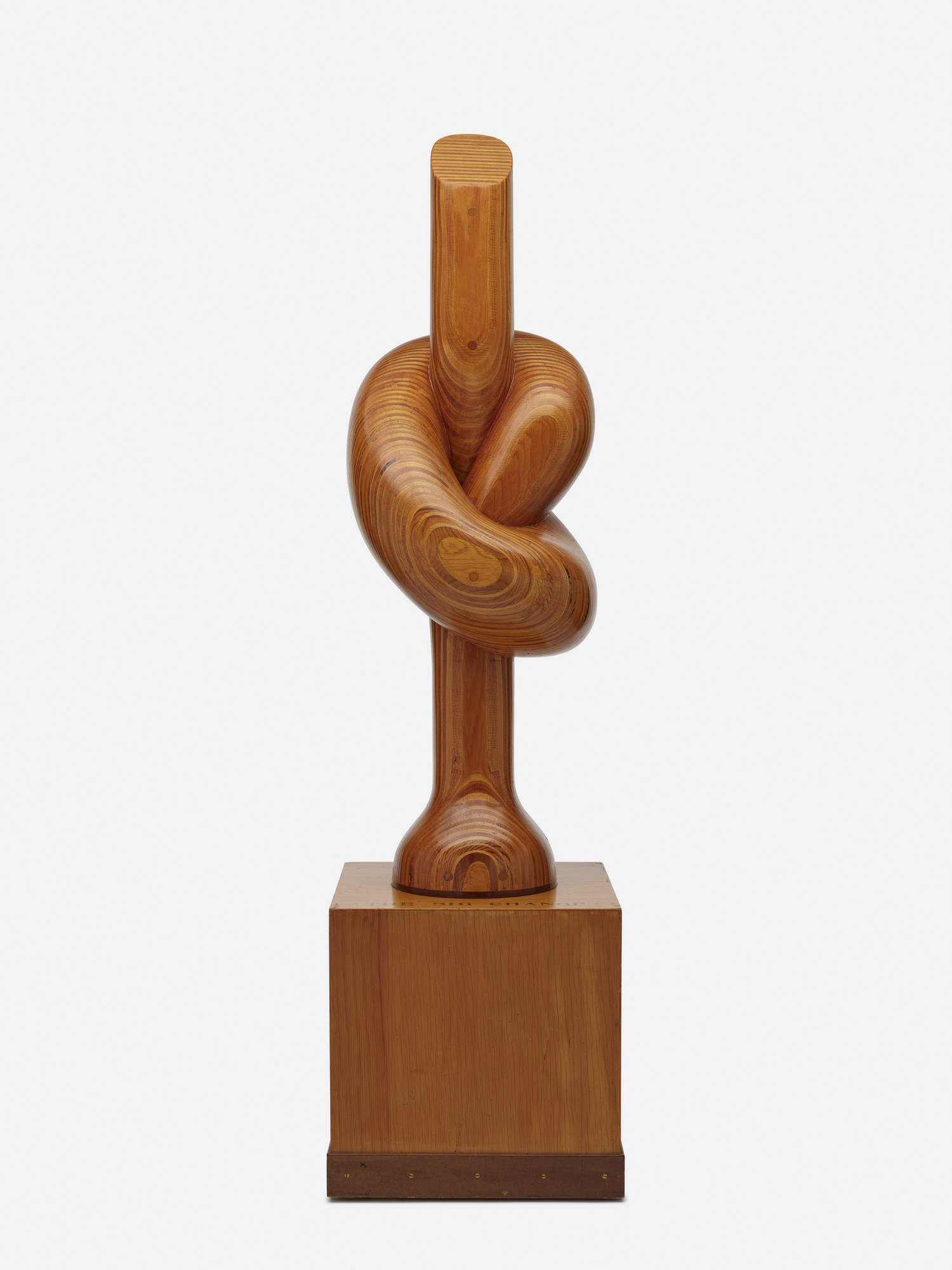
These constellations emphasize that surrealist strategies didn’t trickle down neatly from Paris. Instead, they emerged in parallel across the U.S.—in classrooms, studios, and alternative spaces far from the New York art market.
A Dialogue Still Unfolding
If the definition of surrealism feels elusive here, that’s intentional. “I don’t think (all) the artists in the show would call themselves surrealists,” Phipps reflected. “But many acknowledged how surrealist aesthetics or politics filtered into their practice. Our goal was to show the multiple ways artists of the 60s were making sense of their world” —and to keep that debate alive about what surrealism can mean.
That exploration continues. Phipps noted that younger artists may not adopt the surrealist label but still find echoes of their own strategies in its mix of play, politics, and estrangement. For her, that intergenerational exchange is part of the point: surrealism’s tools—the unconscious, the uncanny, the dreamlike—remain as potent now as they were in 1924, or 1968.
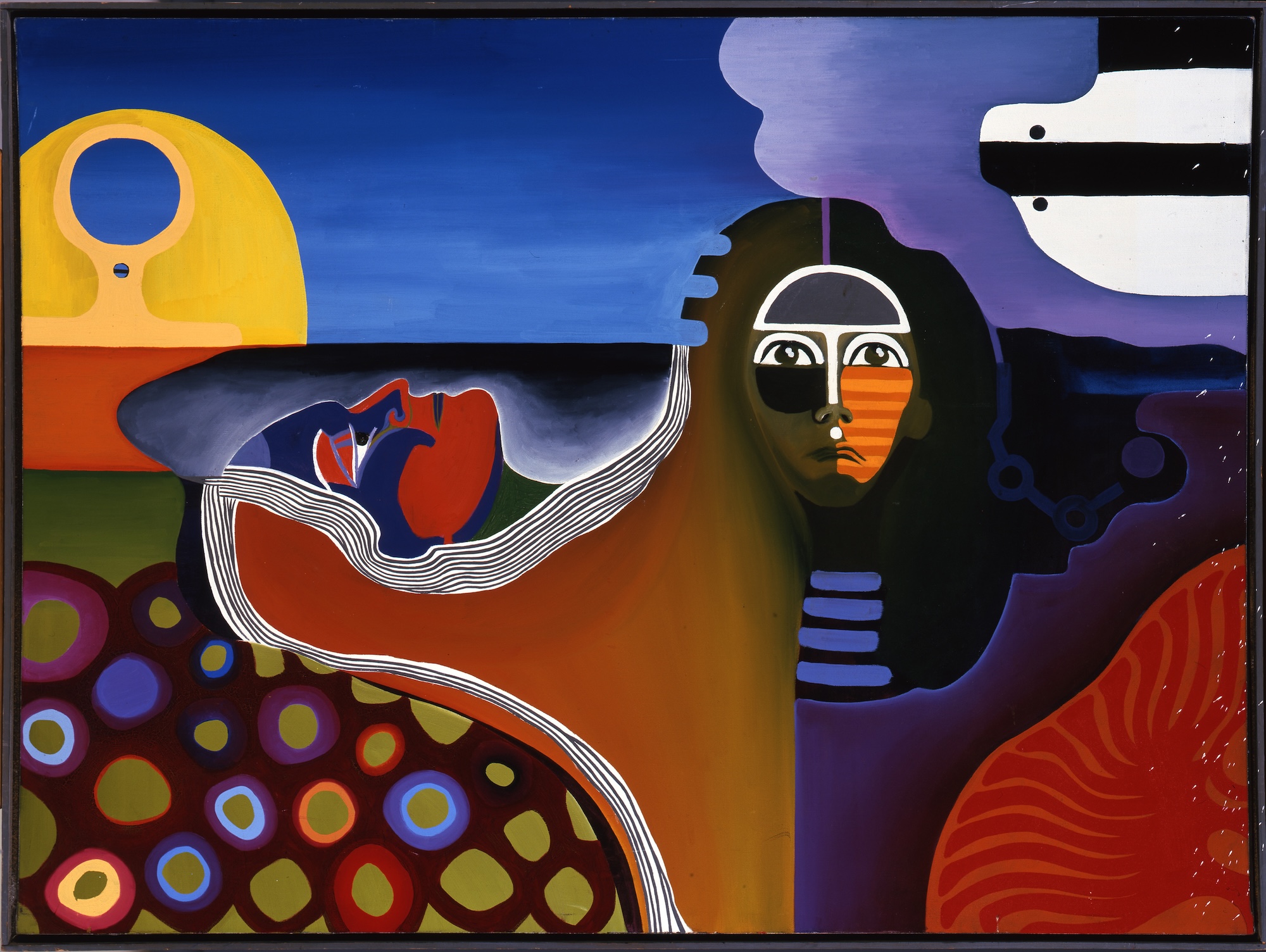
You may leave Sixties Surreal more confused about what surrealism “is.” But that, perhaps, is the point. The rebellion Breton unleashed a century ago has always thrived in ambiguity. At the Whitney, that ambiguity becomes fertile ground, allowing American artists of the 1960s—and their successors today—to claim surrealism as their own.
Sixties Surreal, Sept 24th, 2025–Jan 19th, 2026 Whitney Museum of American Art