Source: Freepik.com
Most people struggle with different types of eye problems. Some are minor and go away on their own. A few can even be treated at home. But some eye conditions are serious and require proper medical treatment.
In this article, we will discuss some common eye problems, their symptoms, and causes.
- Eye Strain
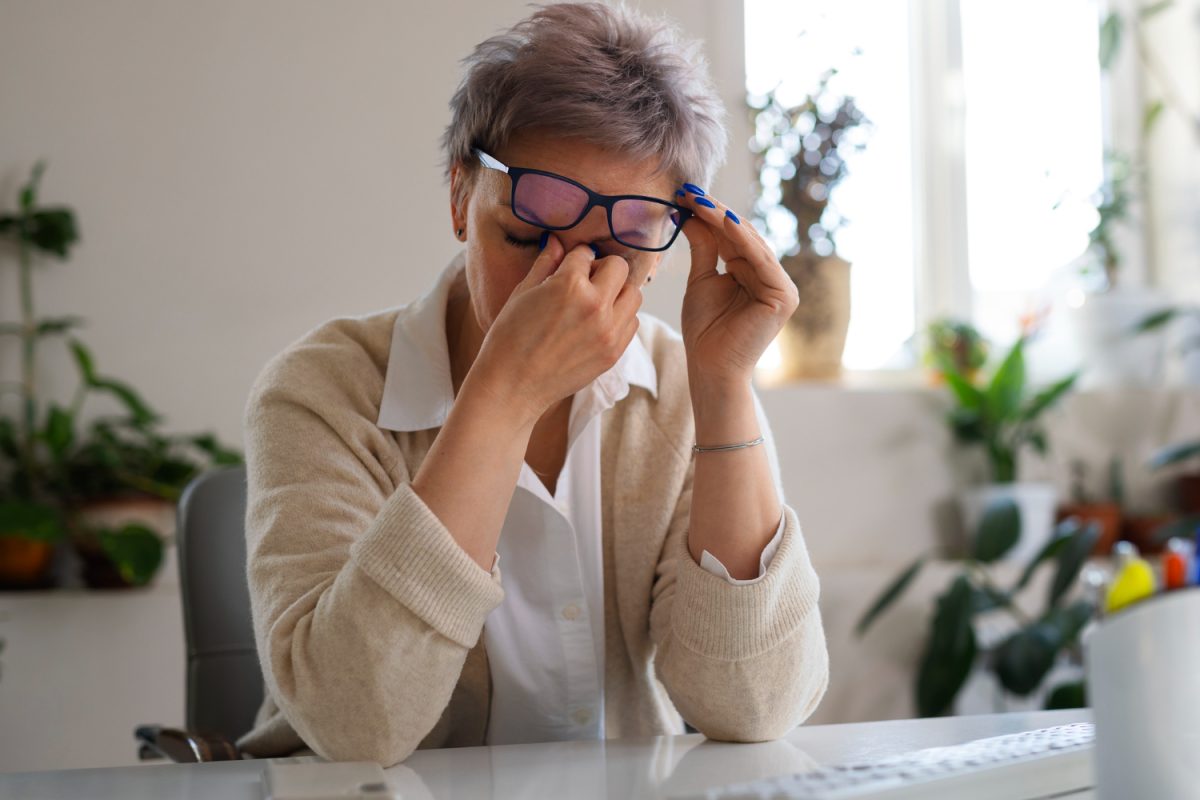
Eye strain is also known as eye fatigue. It is a common condition that occurs when you overuse your eyes by focusing intensely for long periods without taking any breaks.
Symptoms
If you have a headache and always feel tired, there is a chance that you are experiencing eye strain. Some other symptoms of this condition include blurry vision, dry, itchy, or watery eyes, light sensitivity, and inability to keep your eyes open.
To ensure your eye health, it is advised to schedule an annual eye exam with a professional doctor. In this way, you can detect and address potential issues early, ensuring your well-being.
Causes
Intense visual activities are one of the major reasons for eye strain. Long periods of reading, driving, or using digital devices make your eyes tired. Moreover, underlying vision problems like nearsightedness or farsightedness lead to eye strain.
- Red Eyes
Red eyes occur because the tiny blood vessels on the while of your eye, which is the sclera, become inflamed or dilated. This makes your eyes appear bloodshot.
Symptoms
The symptoms of red eyes generally vary depending on the cause. However, some common signs of this eye condition include irritation, itching, pain, decreased vision, and sensitivity to light.
However, if there is a sudden, severe redness with pain and vision changes, you must consult your doctor as soon as possible. To receive the best services, go to a certified clinic, such as Pearle Vision.
Causes
The red eyes can be a result of various reactions, such as:
- Environmental Factors: dry air, smoke, or excessive sun exposure
- Infections: Bacterial, viral, or fungal infections, like conjunctivitis or keratitis
- Medical Conditions: Glaucoma, a subconjunctival hemorrhage, or corneal ulcers.
- Night Blindness
Night blindness is the condition where you have difficulty seeing in low light. It is caused by a problem with the eye rod’s cells, which are responsible for dark vision.
Symptoms
The symptoms of night blindness include difficulty adjusting to low light or darkness, blurry vision in dim conditions, reduced visual sharpness, lack of clarity when discerning objects in the dark, and excess glare in low light.
Causes
Nighblindness is often due to an underlying eye condition that affects the retina or the way light enters and is focused by your eye. It can be caused by vitamin A deficiency and refractive errors.
- Color Blindness
Color blindness is the issue with the specialised light-sensitive cells in your eyes, which are known as cone cells and are responsible for detecting colors.
Symptoms
The main symptom of color blindness is an inability to see colors in the traditional way. If you experience this eye condition, it will be hard for you to tell the difference between certain shades.
Causes
The most common cause of color blindness is a genetic mutation that affects the cone cells in your retina. It leads to malfunction or a lack of one or more types of cone cells.