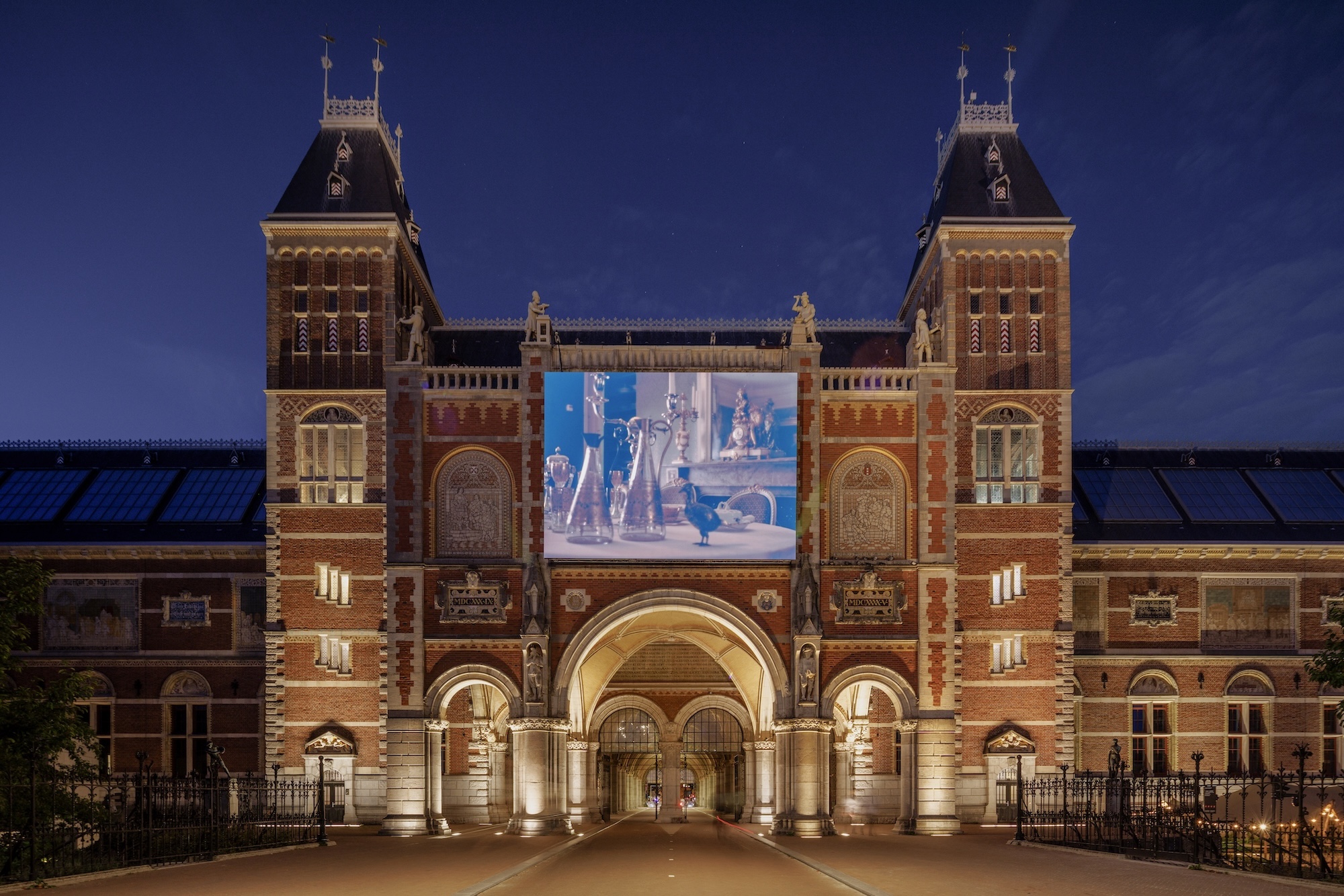
The Rijksmuseum in Amsterdam is currently presenting a 34-hour version of the British director and artist Steve McQueen’s epic film Occupied City, on view from 12th September 2025 to 25th January 2026. Outside, the silent version plays across the Rijksmuseum’s south façade. The projection blends almost seamlessly with the flow of real life — passersby pausing, cyclists glancing up, the rhythm of Amsterdam carrying on as the film unfolds. On the screen, we see everyday gestures, rituals, moments of protest and celebration. Small fragments of everyday life are amplified until they feel part of something bigger, something historical.
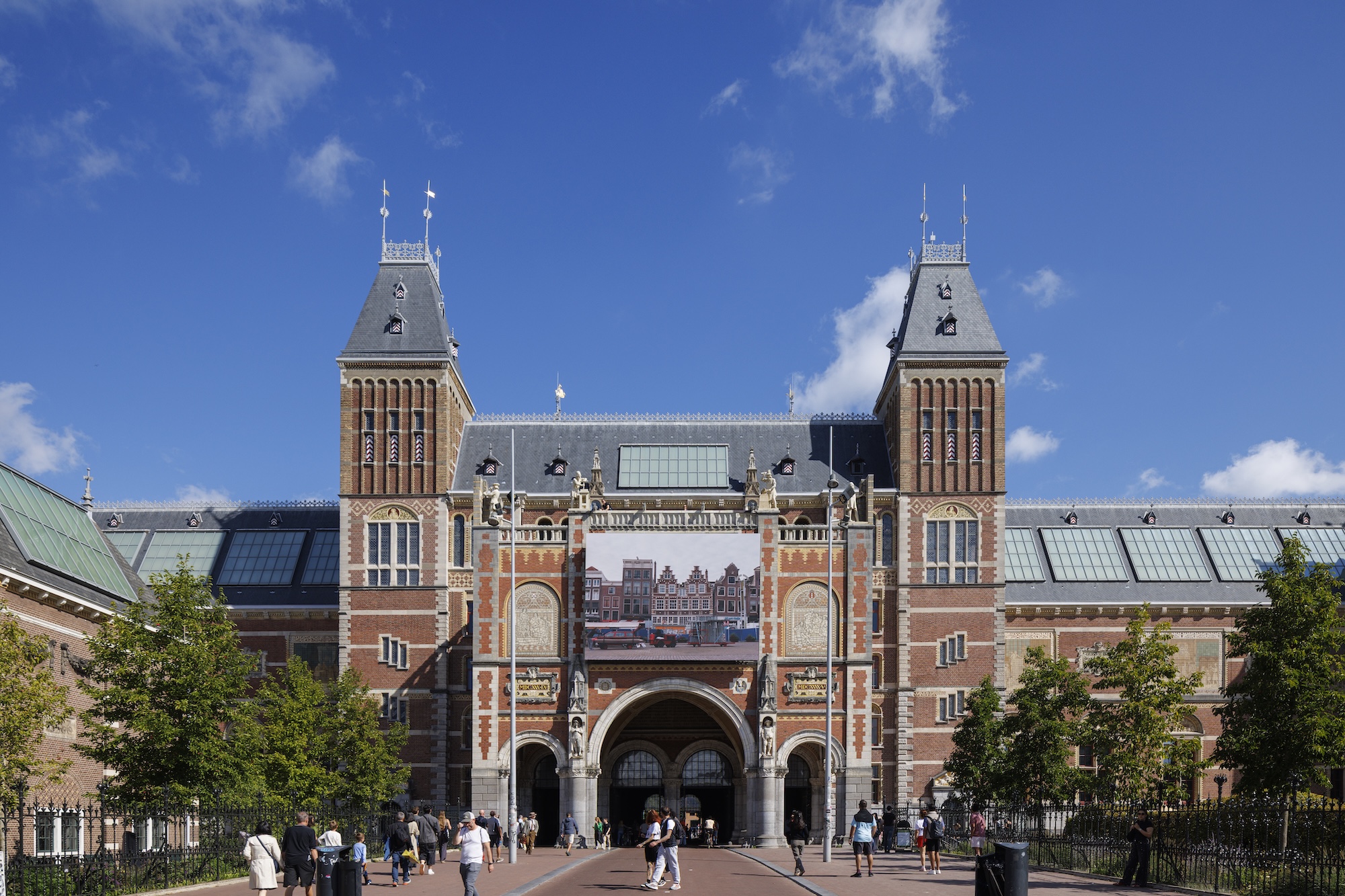
The film is based on The Atlas of an Occupied City. Amsterdam 1940–1945, written by Bianca Stigter. Steve McQueen transforms this historical archive into a dual portrait of Amsterdam. The images are contemporary and were taken between 2020 and 2023. Yet the voice-over in the auditorium version takes us back: address by address, street by street, it recalls the lives disrupted and destroyed during the Nazi occupation. The narration traces more than 2,000 addresses across the city, each tied to stories of rupture and loss. The result is a constant overlap — today’s surface and yesterday’s weight pressed underneath.
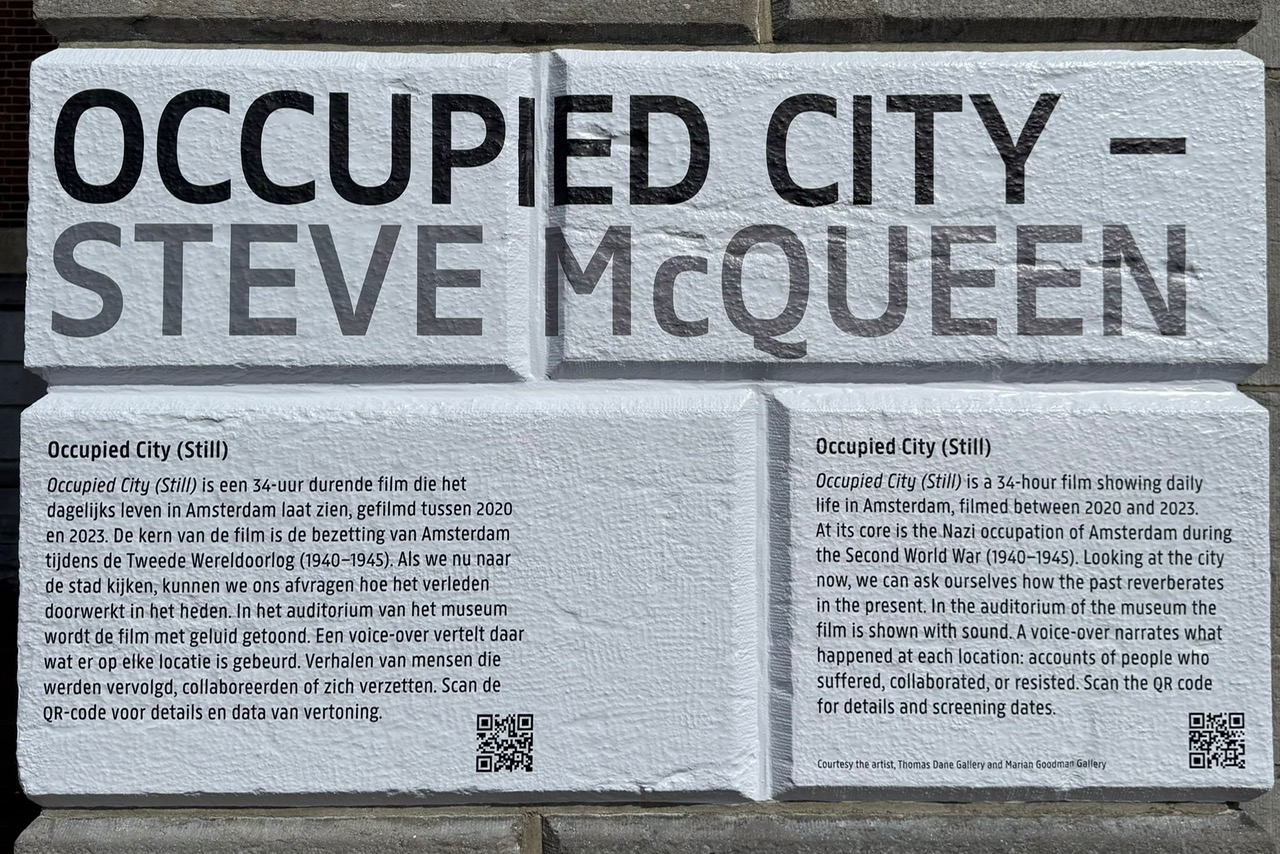
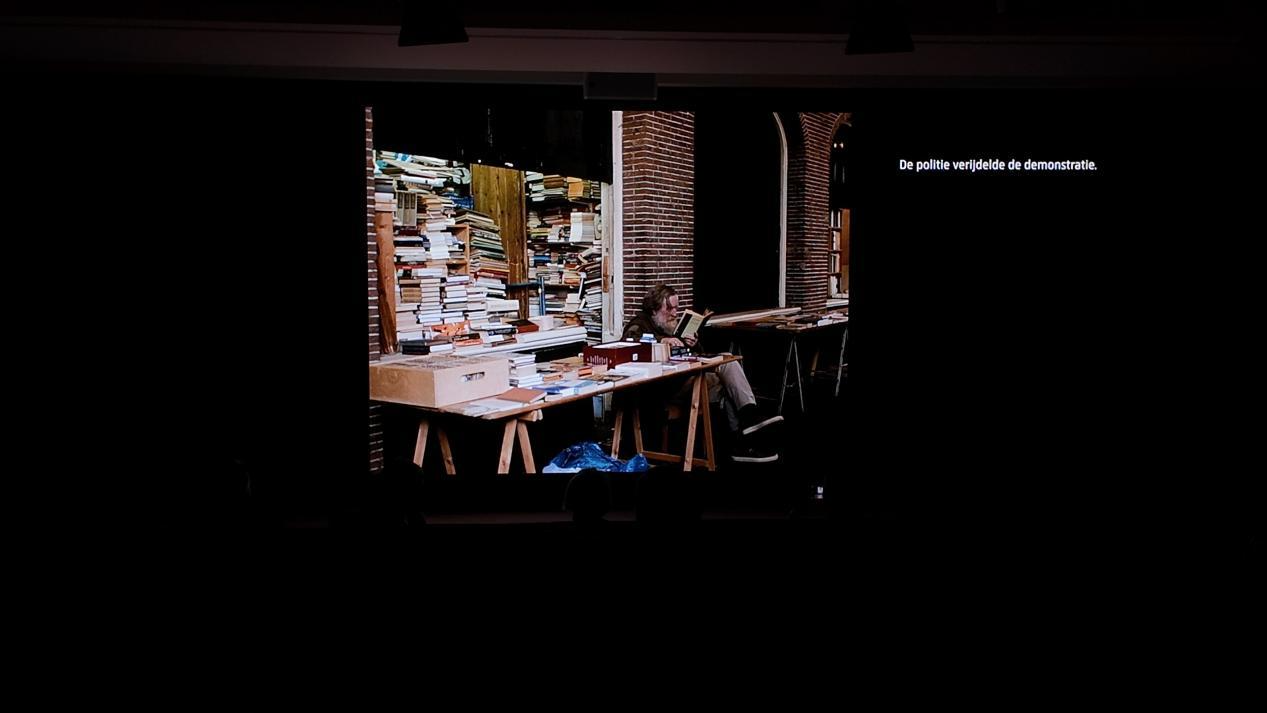
While the silent projection unfolds continuously on the museum’s façade, an indoor version with narration and sound is screened in the auditorium. These screenings are included in the regular museum ticket but take place only on selected dates. On 11th–12th October there will be a special full screening of the 34-hour work. At first, the silent projection looks like just another city view, bathed in filmic light. But stepping inside, the sound version reveals that behind ordinary streets and buildings lie stories we have forgotten — like the interlacing of parallel time and space.
Rijksmuseum director Taco Dibbits described the project as a long-cherished wish. For a museum best known for Rembrandt and Vermeer, handing its façade to a 34-hour contemporary film is a bold gesture. Yet Occupied City continues the museum’s dialogue with contemporary art, and unlike earlier shows, it extends beyond the museum walls to become a mirror of the city itself.
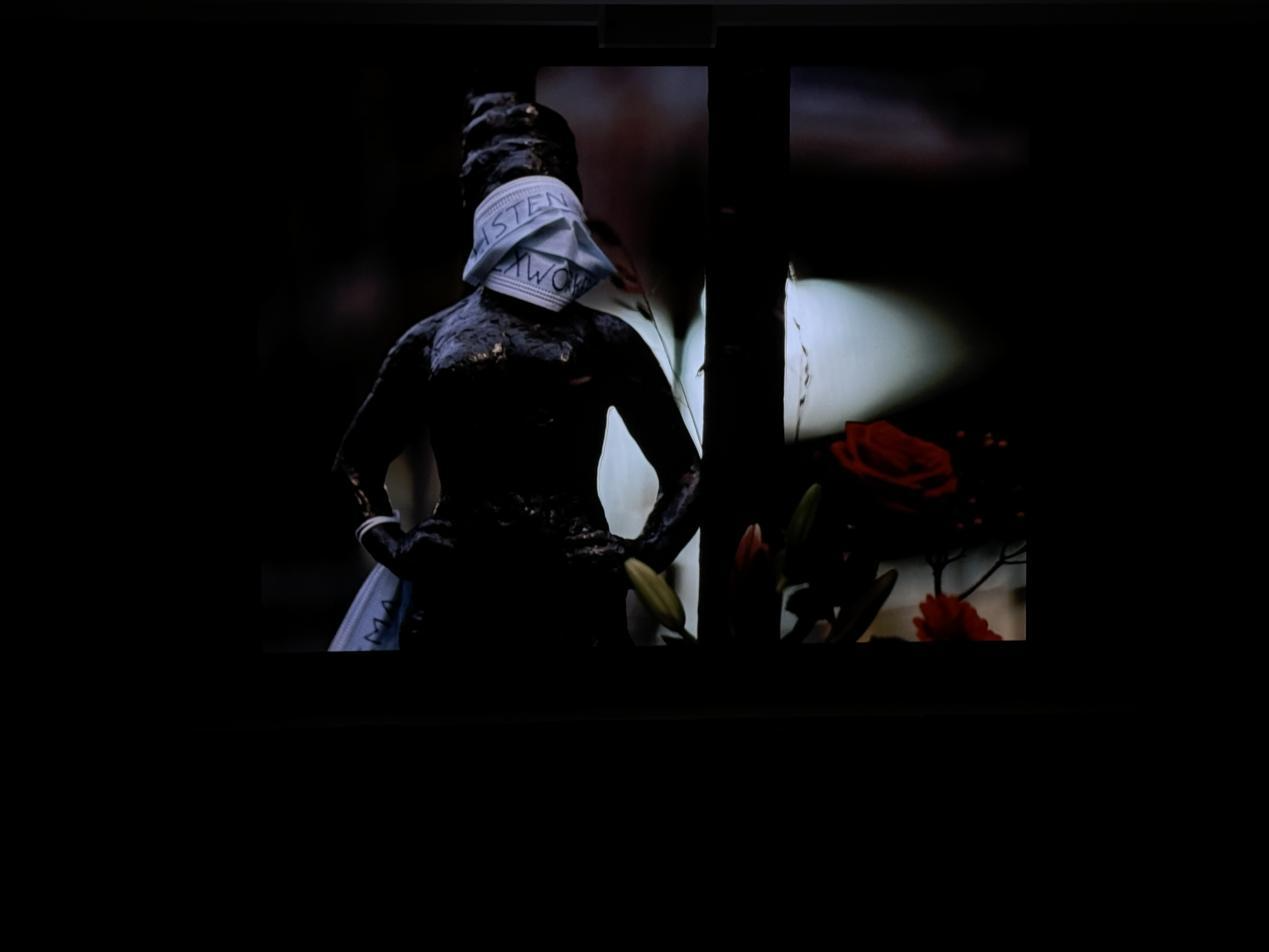
At its core, Occupied City is about how the past and present coexist. You watch people shop, wait, celebrate, but what you hear is deportations, hunger, resistance. By weaving wartime testimonies with images filmed between 2020 and 2023, McQueen collapses two crises — occupation and pandemic — into a single, uneasy portrait of the city. Tension is not built through drama, but through accumulation. Steve McQueen extended the time to 34 hours to resist easy consumption. He asks us to sit quietly and stay in the city long enough for the invisible scars to show. Stepping outside, the streets seem to have changed. The ghosts he spoke of felt close.
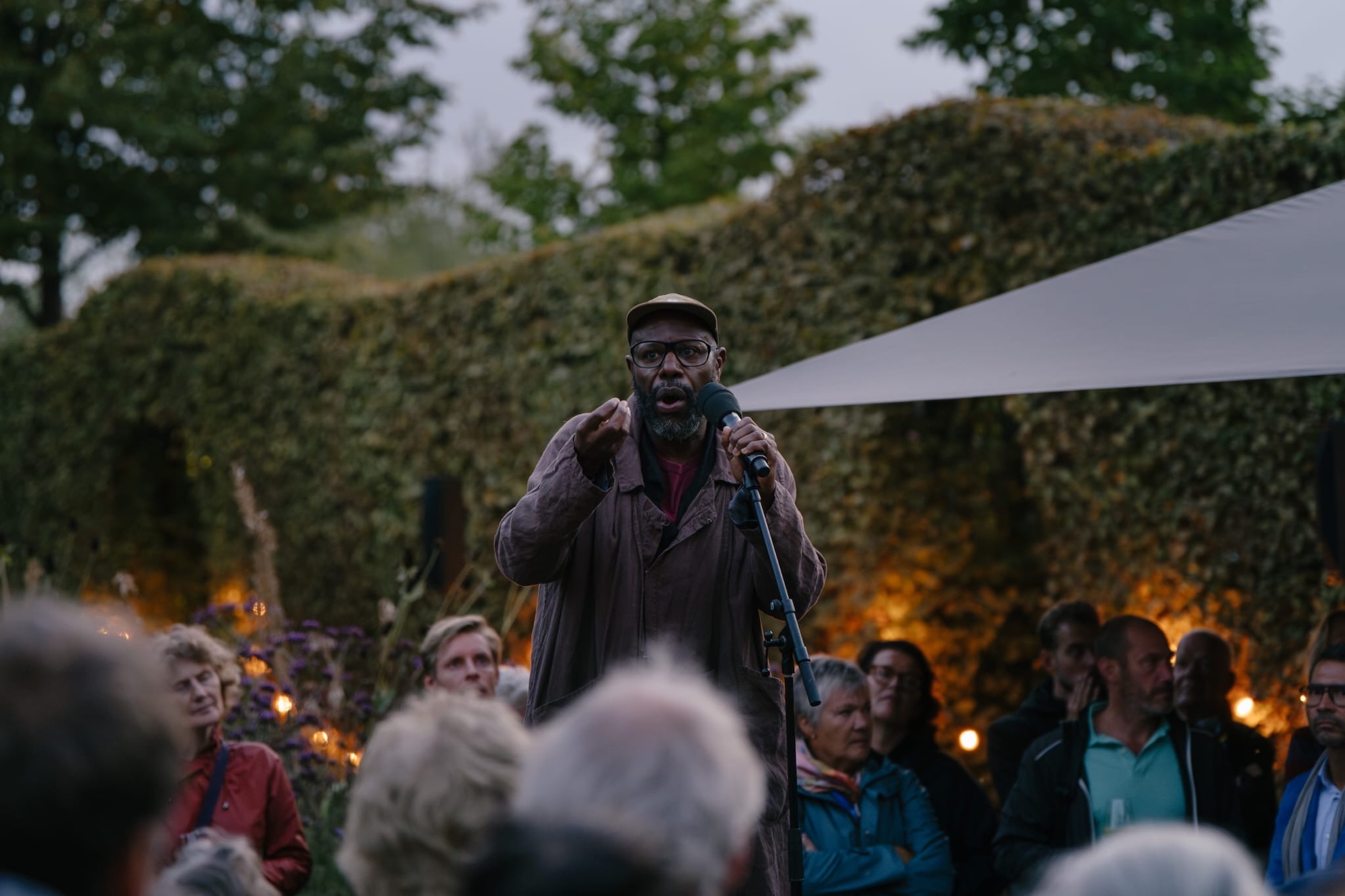
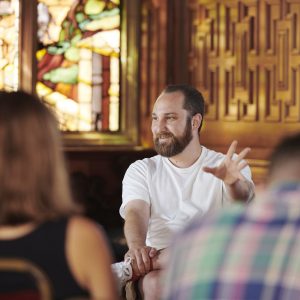
During the conversation, Steve McQueen emphasized that Occupied City is about weaving past and present together. He recalled how ordinary city scenes gain weight once their hidden histories are revealed. The film, he explained, allows us to see today’s Amsterdam in all its randomness while also sensing the memory beneath its surface. For him, this coexistence of past and present is what it means to be “living with ghosts.”
Occupied City doesn’t lecture. It doesn’t end. It mirrors, it wanders, it prays. It places us in a space between memory and immediacy, seeking not answers but attention. To pause, to feel, to remember.
Occupied City 12th September 2025 to 25th January 2026 Tickets