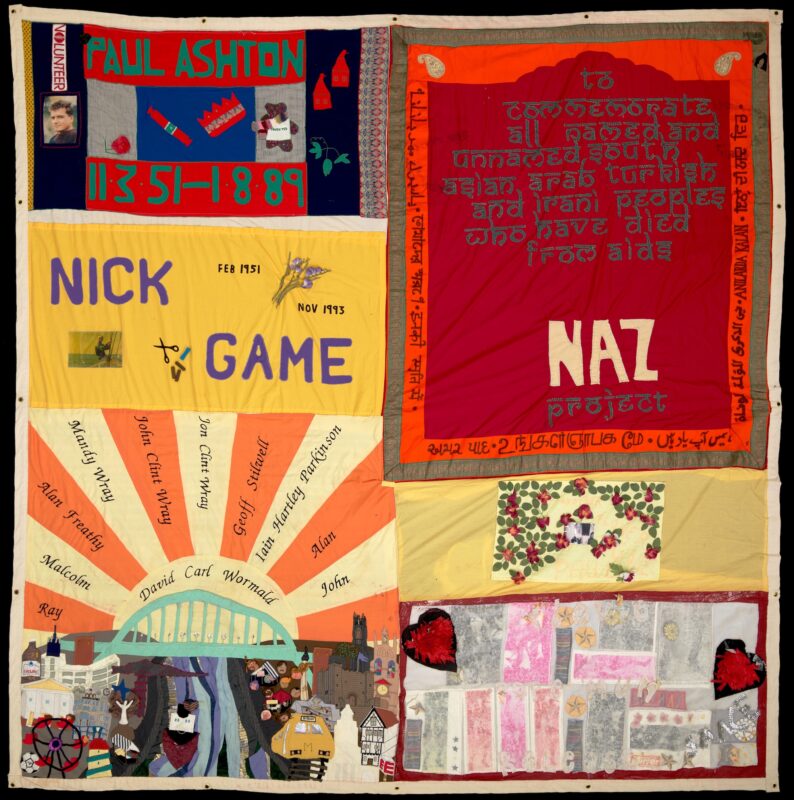
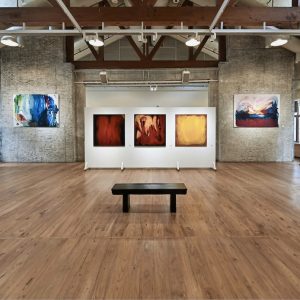
This September, Charleston hosts a powerful display of seven panels from the UK AIDS Memorial Quilt, on the walls of the Hay Barn at their Firle site as part of the annual Queer Bloomsbury festival.
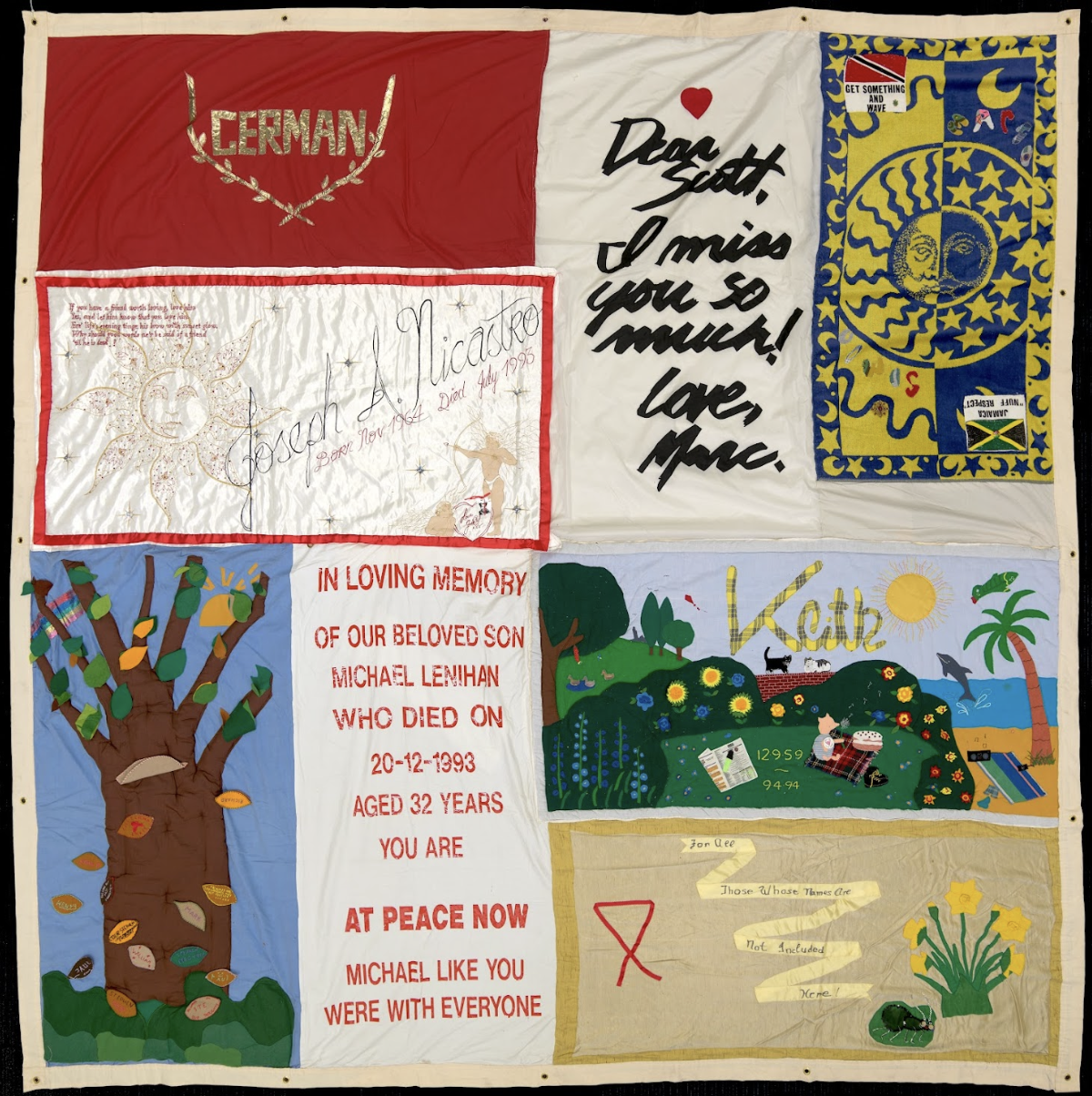
Created between the late 1980s and early 1990s, these powerful textile tributes commemorate individuals lost to the AIDS crisis and reflect the resilience of the communities affected. Hung in a single installation on the walls of the historic Hay Barn at Charleston in Firle. Shown together, they create a space for remembrance, reflection, and renewed awareness of the ongoing impact of HIV and AIDS.
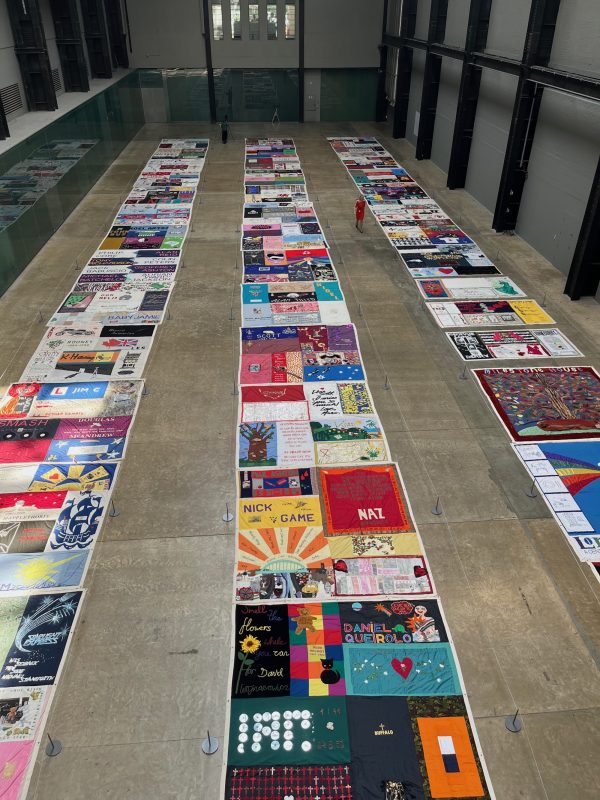
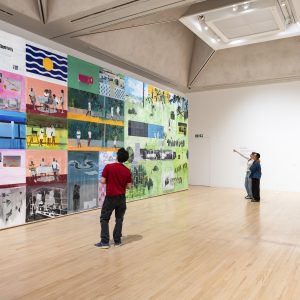
Recently exhibited at Tate Modern’s Turbine Hall, where the UK AIDS Memorial Quilt reached its largest audience to date, this display offers Charleston’s audiences the chance to experience and reflect on this important work in an intimate and historic setting.
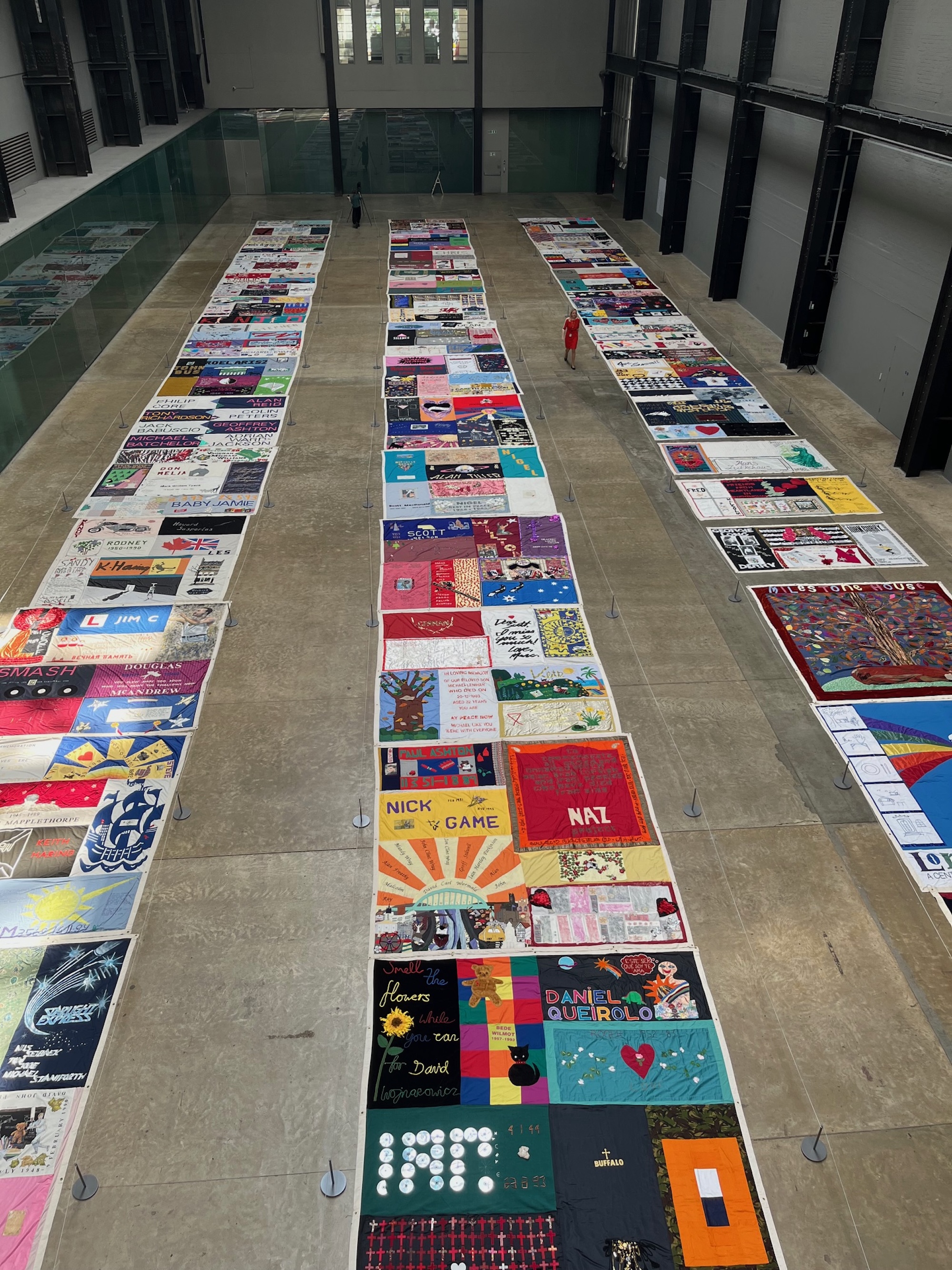
The UK AIDS Memorial Quilt is one chapter of the largest community art project in the world. It began in the USA in 1985, when LGBTQ and human rights activist Cleve Jones started inviting people to create textile panels to commemorate the friends, family and loved ones they lost to AIDS. These individual panels were sewn together to create larger quilts, which were then shown outdoors as a form of protest to raise awareness about HIV and AIDS. In the late 1980s, Scottish activist Alastair Hume visited San Francisco, where he witnessed an early display of the quilt. When Hume returned home to Edinburgh, he began coordinating the creation and display of a UK version, as many others did around the world. One of its largest public showings was the ‘Quilts of Love’ display in June 1994 at Hyde Park Corner, London, presenting selected panels from the US and the UK, alongside sections created by fashion designers.
Seven UK HIV support charities formed the UK AIDS Memorial Quilt Partnership in 2014 to conserve and display the quilt. Today it stands as an important reminder of those who were lost, and of the fact that HIV and AIDS continue to affect people and communities today. While antiretrovirals have made it possible to live with HIV, access to this medication still varies dramatically across the globe.
Free and open to the public from Sunday 14th to Sunday 21st September, visitors are welcome to experience the quilt during Charleston’s usual opening hours (Wednesday–Saturday, 10am–5pm). On Sunday 14th September, the display forms part of the Queer Bloomsbury festival. Throughout the exhibition, volunteers from the UK AIDS Memorial Quilt Partnership will work alongside Charleston staff to welcome visitors and provide information, context and support.
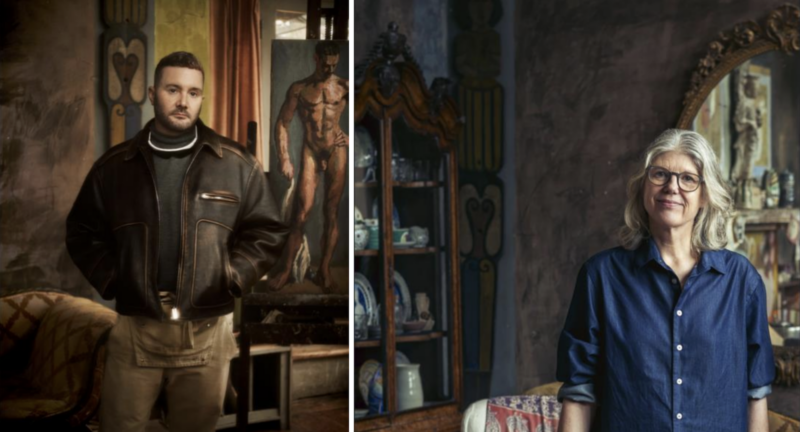
On Sunday 14th September, Charleston will host a series of powerful events as part of the Queer Bloomsbury festival, focused on the impact of the AIDS crisis. Actor Omari Douglas will be in conversation with Charlie Porter about Porter’s new novel, Nova Scotia House, which tells an intimate story of the AIDS crisis and its aftermath. The recent display at Tate was instigated by Porter following his conversations with the UK AIDS Memorial Quilt Partnership while researching the book. A moving scene in the novel features the Quilt and the panels on display at Charleston include those that Porter describes. The event will be followed by Material Witness, a discussion with Jonathan Blake – one of the first patients in the UK to be diagnosed with HIV – and Siobhán Lanigan, chaired by Paul Flynn, reflecting on the history and legacy of the AIDS crisis.
As Siobhán Lanigan of the UK AIDS Memorial Quilt Partnership has said:
“The AIDS Memorial Quilt was created with love, initially so that the people who died in the early days of the AIDS crisis would never be forgotten. They were made to be seen. By including the Quilt in his novel, Charlie Porter brings real lives to the pages of Nova Scotia House in a vivid and deeply moving portrayal of that time. The physical presence of the Quilt in the Hay Barn at Charleston is a fitting tribute to all those whose lives we have lost to HIV. It is also a reminder that HIV is not over. Funding cuts internationally will lead to a significant rise in HIV related deaths in the coming decade. Even as we remember and honour our past we must also take action to bring an end to HIV globally.”
Nathaniel Hepburn, CEO and Director at Charleston states:
“Charleston has always been a place where art and activism meet – a home for those who challenged convention and championed new ways of seeing the world. Hosting the UK AIDS Memorial Quilt continues that legacy. These panels speak to love, loss, courage and community and we are honoured to bring them into dialogue with Charleston’s own queer histories through our Queer Bloomsbury programme.”
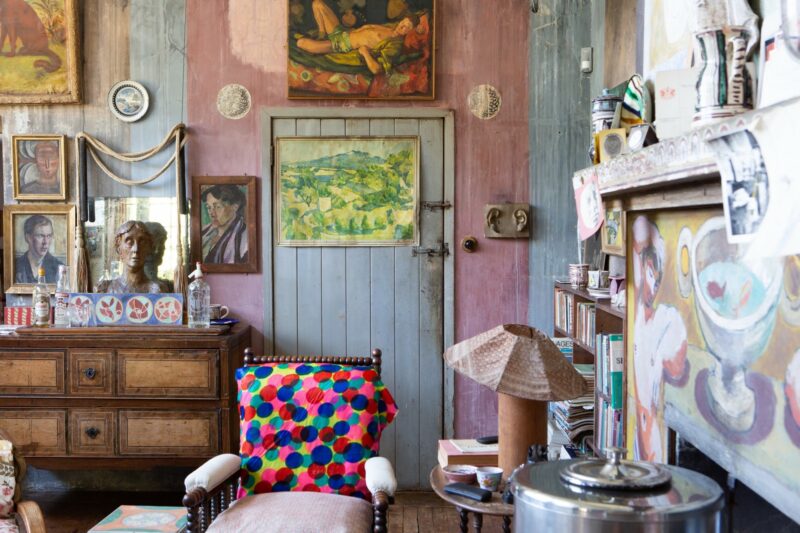
Charleston is a place that brings people together to engage with art and ideas. The modernist home and studio of the painters Vanessa Bell and Duncan Grant, Charleston was a gathering point for some of the 20th century’s most radical artists, writers and thinkers known collectively as the Bloomsbury group. It is where they came together to imagine society differently and has always been a place where art and experimental thinking are at the centre of everyday life. Today, we have two locations – the house, garden and galleries at Firle and our new space in Lewes. We present a dynamic year-round programme of exhibitions, events and festivals. We believe in the power of art, in all its forms, to provoke new ways of thinking and living. charleston.org.uk