Something has changed in how Londoners engage with art. Traditional galleries still exist, but immersive experiences have become a major draw. Across the city, venues are moving beyond passive viewing, creating interactive and multi-sensory environments that blur the line between exhibition and event.
This has been driven by new technology, changing audience expectations, and growing competition for leisure spending. As a result, London’s cultural institutions are rethinking how people experience art, focusing on atmosphere, participation, and memorable experiences rather than simply displaying works.
From White Cube to Lived Experience
The clearest examples are happening at the city’s flagship institutions, but the shift toward participation is visible across almost every sector. In entertainment, for example, many non gamstop casinos now use live dealer studios, interactive tournaments, and personalised game environments to create a more engaging experience than traditional online platforms.
Travel companies increasingly offer virtual tours that allow people to explore destinations before booking, while retailers use augmented reality tools that let customers visualise products in their homes. Across industries, audiences are no longer satisfied with simply viewing content; they expect to interact with it.
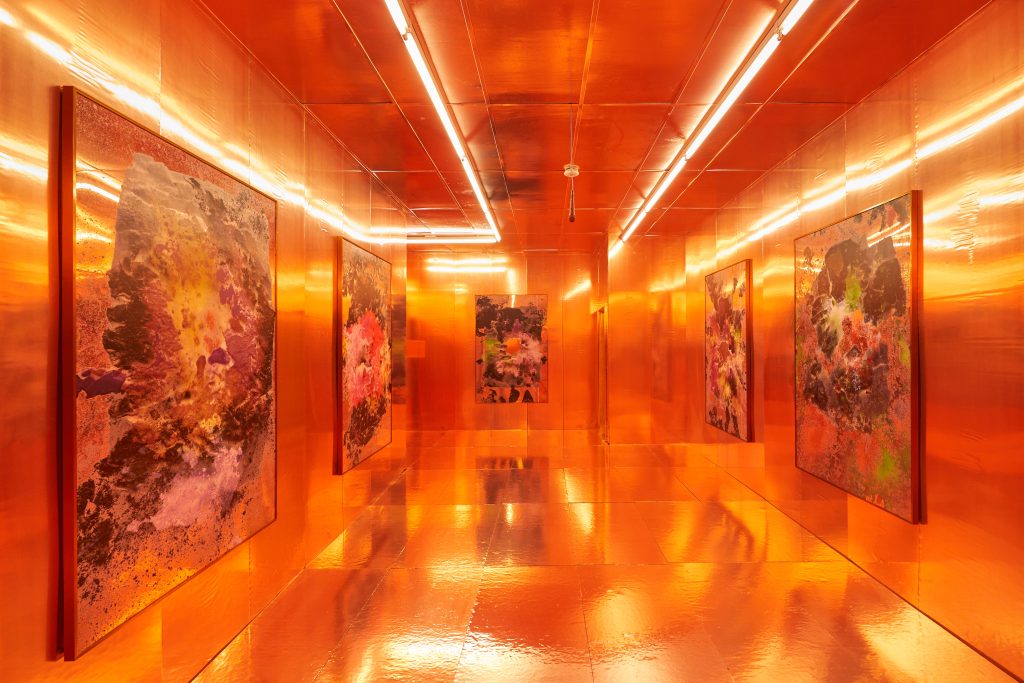
London’s cultural institutions have embraced the same principle. The Barbican’s summer 2025 programme positioned Feel the Sound as a multi-sensory immersive exhibition, combining tactile and sonic elements with a VR experience designed to create a shared sense of presence in virtual space.
This is not supplementary programming; it is the main attraction, built around the idea that visitors want to experience art rather than simply observe it.
Frameless London offers another telling example. Its Beyond Reality gallery uses projection, animation, and music to place visitors inside surrealist artworks, effectively dissolving the boundary between spectator and canvas.
The venue also runs specialist sessions tailored to different audiences, highlighting how seriously operators now take personalised participation. Immersive formats are no longer experimental additions to exhibitions. They have become a commercial and curatorial strategy in their own right.
How Collectors and Institutions Are Responding
For collectors, this transformation raises real questions. Traditional acquisition logic is built around the unique object, the painting, the sculpture, the limited edition.
Immersive experiences resist that framework almost by definition. They are ephemeral, participatory, and often impossible to own in any conventional sense. Yet collectors are paying close attention, because immersive shows reliably generate the kind of cultural conversation that lifts an artist’s market profile.
Culturally engaged audiences are also seeking variety in how they spend leisure time, exploring everything from live performance to digital platforms.
Institutions themselves are diversifying their revenue models. They recognise that immersive ticketing, corporate partnerships, and repeat-visit programming all open financial possibilities that a traditional exhibition calendar simply cannot match.
The Barbican’s summer 2026 programme is a strong example of how a major institution can integrate immersive work at the core of its seasonal offer rather than treating it as peripheral.
Where Entertainment Culture Meets Art Engagement
London’s cultural venues are not just competing with each other. They are competing with every other claim on an audience’s time and money.
Attendance figures reflect this dynamic clearly. Last year, the Natural History Museum recorded 7.1 million visitors, making it the UK’s most-visited attraction. This speaks to the drawing power of spectacle and experience over passive display.
That kind of attendance is not achieved through traditional programming alone. It reflects deliberate investment in visitor experience, interactive elements, and the understanding that people want to leave a venue having felt something.
Art institutions are absorbing this lesson, and the more forward-thinking galleries are already restructuring their physical and programmatic architecture accordingly.
What This Means for London’s Gallery Scene
For the broader gallery scene, the implications are both exciting and complicated. Immersive formats democratise access in meaningful ways.
They lower the threshold of art literacy required to engage, making spaces feel welcoming to visitors who might find a conventional gallery intimidating. Total visits across major UK attractions reached 165 million last year, up 2% on the previous year. This suggests a sustained public appetite for cultural engagement.
What remains to be seen is whether this experiential turn enriches the art market or gradually sidelines the contemplative, object-centred engagement that serious collecting depends on.
The most likely outcome is coexistence, immersive spectacle drawing in new audiences. London, with its density of institutions and its global cultural reach, is better placed than almost anywhere to navigate that balance thoughtfully.