How often do we stop to consider the histories and sources of materials used today? For most of us, I imagine it’s rarely. In After Nature, the inaugural exhibition of the Ulrike Crespo Photography Prize, two artists delve deep into this very question. Through powerful, research-driven works in film and photography, Laura Huertas Millán and Sarker Protick explore the stories of coca and coal – two substances rich in history and heavy with consequence.
Laura Huertas Millán turns her lens on the coca plant, a botanical scapegoat still criminalised in much of the world due to its link to cocaine. But long before its vilification, coca was revered in Latin America for its cultural and spiritual significance. Millán’s fictional film reclaims this forgotten narrative, following two women distributing coca for ritual use. Branded as witches, they are ultimately executed – a haunting metaphor for how colonial powers suppressed Indigenous knowledge while exploiting its resources.
The demonising of the coca plant started with the colonial powers, who then monopolised the trade. Millán captures this history through a fictional film that follows two women who distribute the coca plant as a spiritual aid before being persecuted for doing so and then executed as witches.
The work also focuses on the drug trade that has built up around the coca plant and its refinement into cocaine. In one film, a former drug dealer recounts his experience of visions while chewing the coca plant and remarks on his former boss, who had a garish house built that was a replica of one in the US drama Dynasty; it feels surreal that it now lies ruined as nature takes it back.
The green room in which this testimony unfolds echoes a Hollywood green screen, contrasting with the lush greens of the jungle on film but also reflects on the artificiality of the world that we’ve created for ourselves – taking a native coca plant and turning it into a narcotic that has destroyed countries to supply a Western audience, it’s why the film is played on a loop throughout the night, its audio spilling into the streets – forcing passersby to confront a story that is too often silenced.
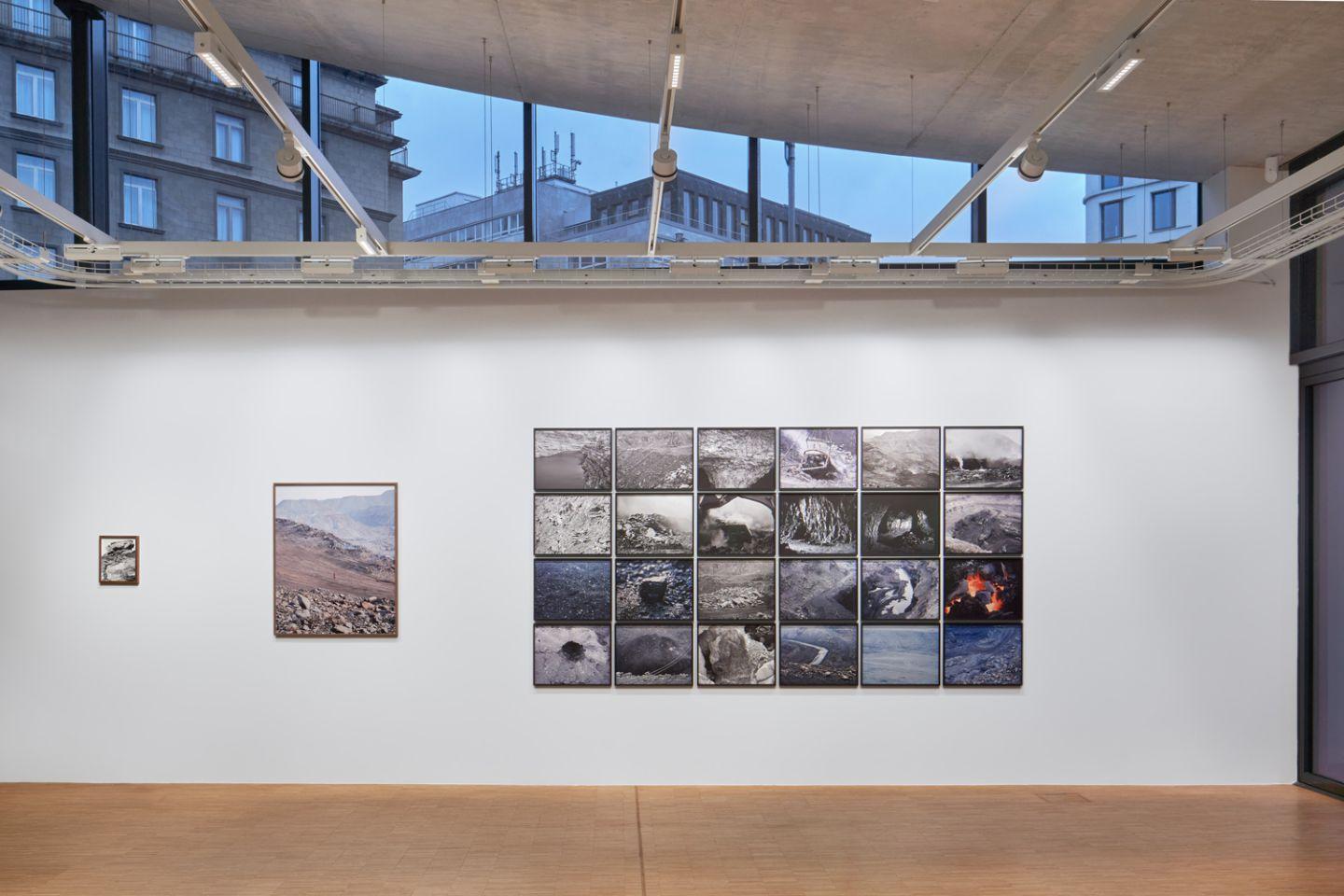
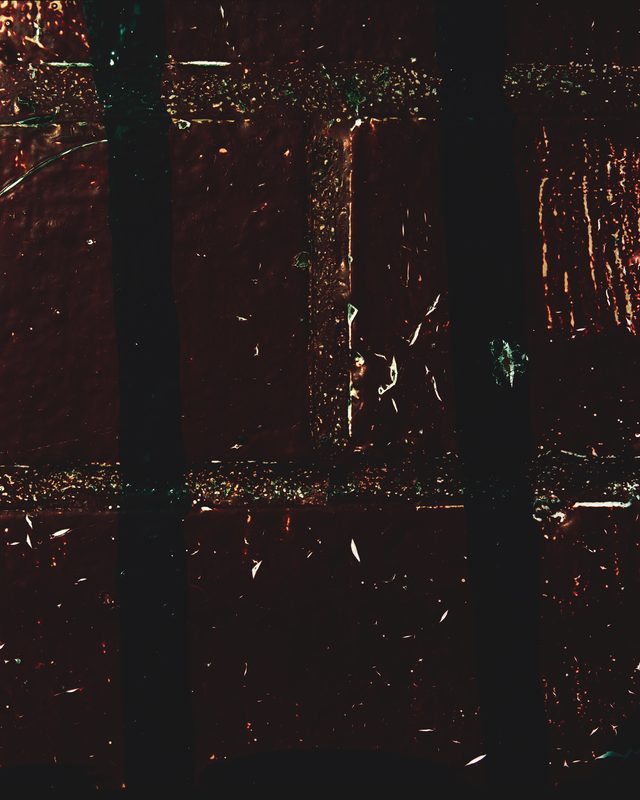
Sarker Protick’s work deals with a substance that has done even more to shape our world: coal. It has been used to fuel the Industrial Revolution and destroy the planet. Protick explores this through archive research and footage of the coalfields across India and Bangladesh. The scale is staggering: humans and machinery appear tiny, overwhelmed by the blackened landscape. Water sprays constantly over the coal to keep it from catching fire, adding an eerie sense of instability to an already apocalyptic scene.
Colonial footprints remain etched into these places – from British-built railways and bridges named after imperial rulers, to rusting machinery still bearing “Manufactured in Manchester” stamps
Together, Millán and Protick excavate the lingering scars of colonialism, revealing how deeply they are embedded in the materials we mine, consume, and commodify. Their works form a haunting, timely meditation on environmental degradation, memory, and power. Both artists are worthy recipients of the Ulrike Crespo Photography Prize 2024, offering bold, necessary perspectives on our extractive past and precarious present.
After Nature: Ulrike Crespo Photography Prize 2024 at The Crespo Foundation, Frankfurt, is on until 25th May. Entrance is free. A version of this exhibition was first shown at C/O Berlin.
Images: © Jens Gerber.