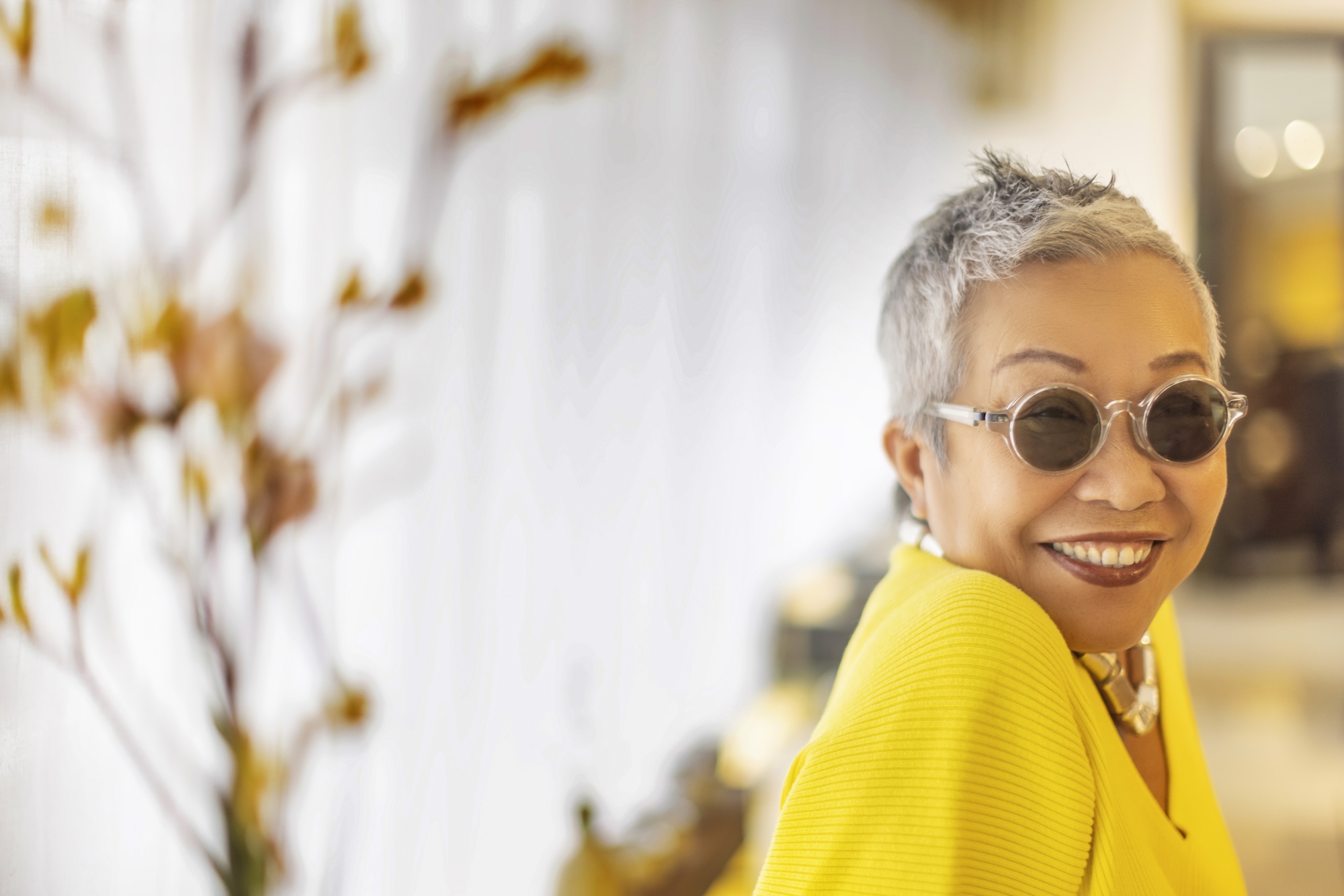
As she turns 70, Hong Kong artist and founder of Sin Sin Fine Art, Sin Sin Man, brings decades of creative exploration into Solar Return, a new exhibition shaped by intuition, patient craftsmanship and the possibilities of change.
Three numbers frame Sin Sin Man’s latest exhibition: 70, 49 and 23. This October, the artist turns 70, while Sin Sin Fine Art, the Hong Kong gallery she founded in 2003, reaches its 23-year milestone. The third number emerged unexpectedly from the studio. After working intuitively on a new body of small sculptural pieces, she counted them and discovered there were 49.
Together, these numbers give Solar Return its starting point. They connect a personal anniversary, a sustained commitment to other artists and a period of concentrated making. Yet the exhibition looks forward as much as it looks back. Its theme of renewal — a return to beginnings — resonates with a career that has continually moved between art, design, textiles and the creation of spaces for everyday life.
For Sin Sin, making has long been connected to living. Her creative philosophy brings together the everyday essentials of clothing, food, shelter and transportation with the five elements: metal, wood, water, fire and earth. Across these concerns runs a desire for balance and a closer relationship with the natural world. Art, in this view, belongs within the rhythms of daily experience.
That approach helps explain the breadth of her practice. Her work reflects a lasting fascination with textiles and three-dimensional form, expressed through elegant silhouettes, unexpected details and an attentive handling of materials. Collaborations with craftspeople around the world have introduced different techniques and traditions into her designs, which she reinterprets through her own contemporary sensibility. The resulting practice allows craft, function and artistic expression to meet.
In 1998, she opened an atelier in a four-storey building dating from the 1930s on On Lan Street in Central, Hong Kong. It became a platform for creative exchange, bringing together wearable art and the belief that beauty could inhabit every aspect of life. The atelier also gave physical form to an instinct that continues through her work: creating settings in which ideas, objects and people can encounter one another.
Her three villas in Bali extend that interest into architecture and place. Conceived as a counterpoint to Hong Kong’s intensity, they offer a quieter setting for contemplation. The movement between the two locations reflects an enduring concern in her practice: how to accommodate both energy and stillness, worldly exploration and inward attention. These are questions that can be approached through a building, a garment or the surface of an artwork.
Her engagement with Indonesia also helped shape the next chapter of her career. Inspired by Indonesian contemporary artists, she established Sin Sin Fine Art in 2003. The gallery became a platform for introducing their work to Hong Kong audiences while developing a broader international programme. Over the years, she has worked with more than 40 artists and curated over 100 exhibitions featuring work from Asia, Europe and the United States.
As a gallerist, she places particular value on an artist’s individual vision and talent. That outlook connects her curatorial work with her own practice: both depend on curiosity, a willingness to take risks and an openness to unfamiliar forms of expression. Supporting other artists has become a substantial part of her creative life, alongside the quieter, more solitary demands of the studio.
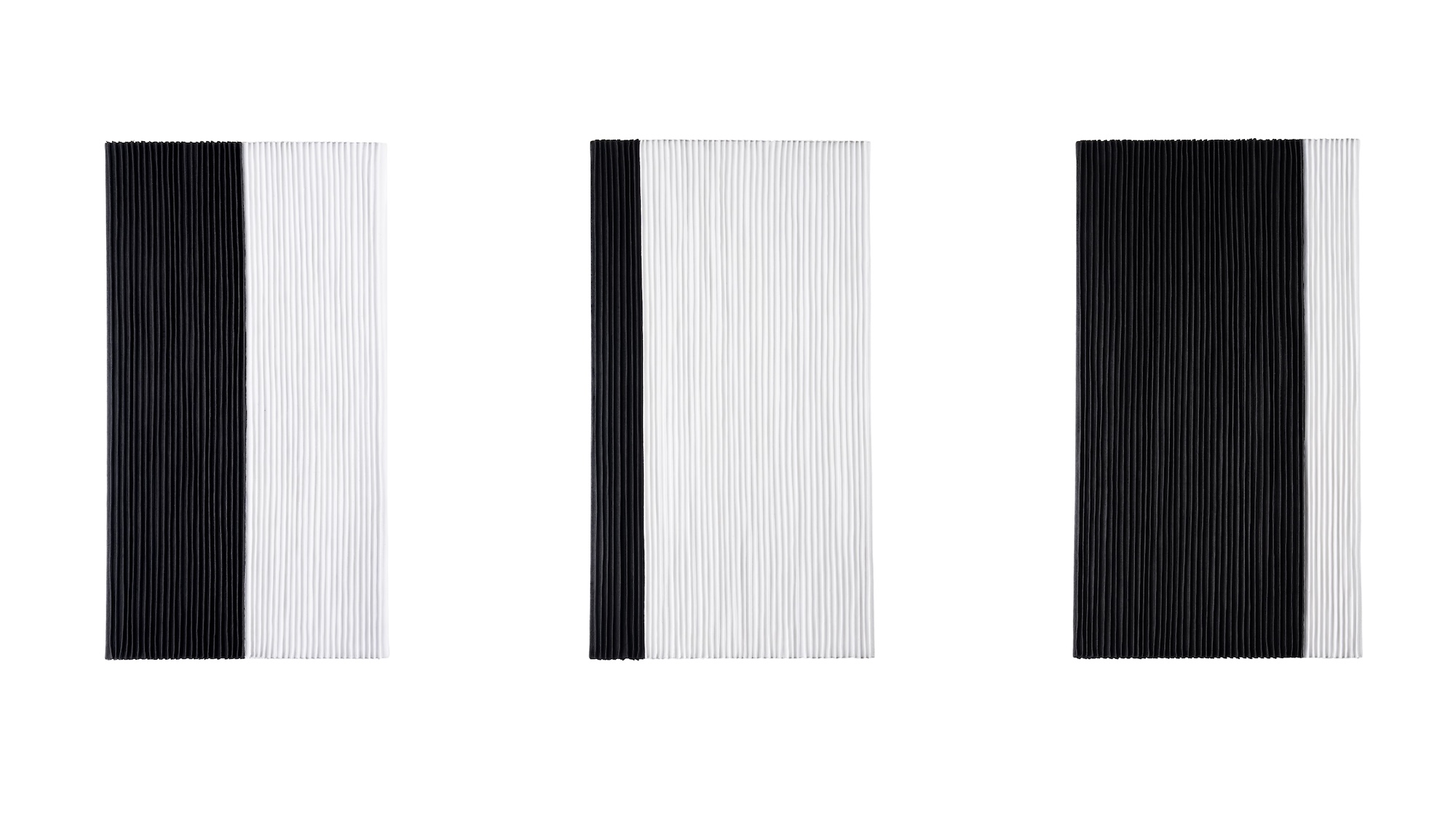
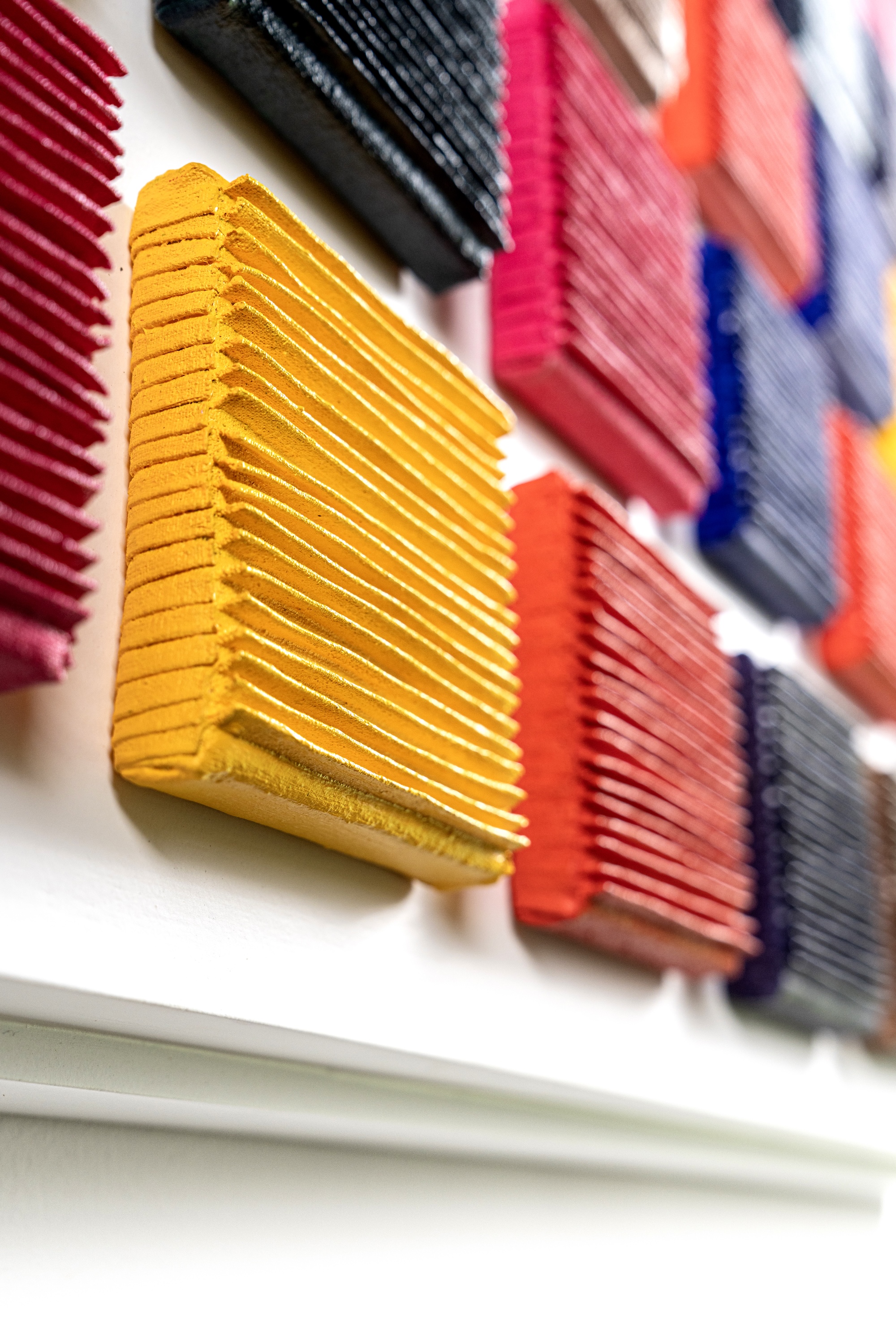
In the new body of work presented in Solar Return, those studio demands are especially apparent. Each piece is made entirely by hand through a labour-intensive process of meticulous pleating and repeated layers of paint. As she developed the technique, the work assumed a meditative rhythm. Colour, too, emerged intuitively, guided by the act of making rather than a predetermined plan. Only when she felt the group was complete did its numerical significance become apparent.
The discovery of 49 pieces led her to a connection with the I Ching. In traditional yarrow-stalk divination, 49 stalks are used in the calculation; the number also corresponds to Hexagram 49, Ge, associated with transformation and renewal. Its configuration places Lake above Fire, bringing opposing forces into a relationship of mutual change. For Sin Sin, this offered a language for something she recognised in both her work and her life.
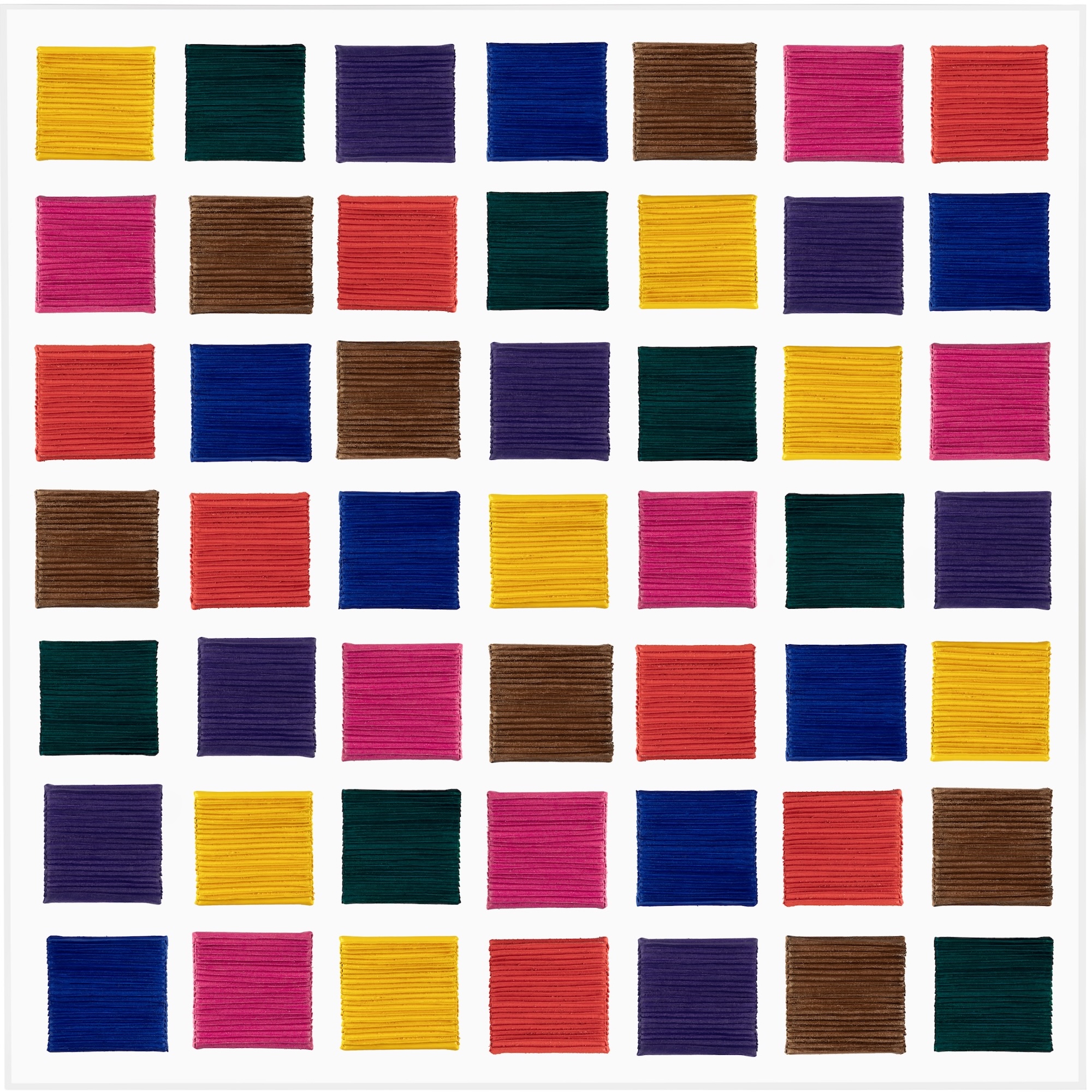
Seen through that connection, the pleated surfaces invite a reading beyond their intricate construction. Fold follows fold, while layers of colour build depth and alter the character of the material. The process makes transformation tangible. It also rewards close attention: an apparently simple form can hold a complex accumulation of decisions, gestures and time.
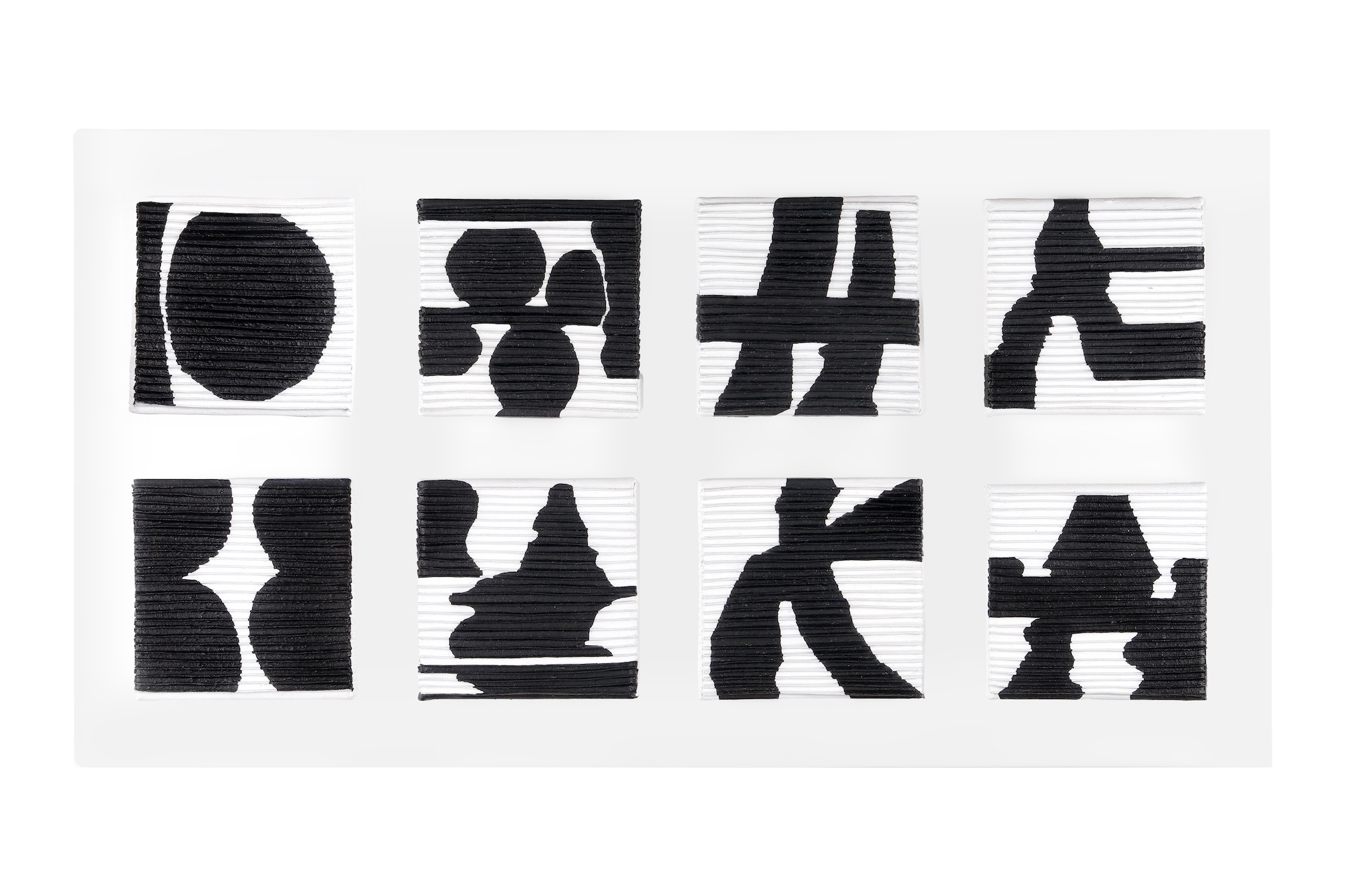
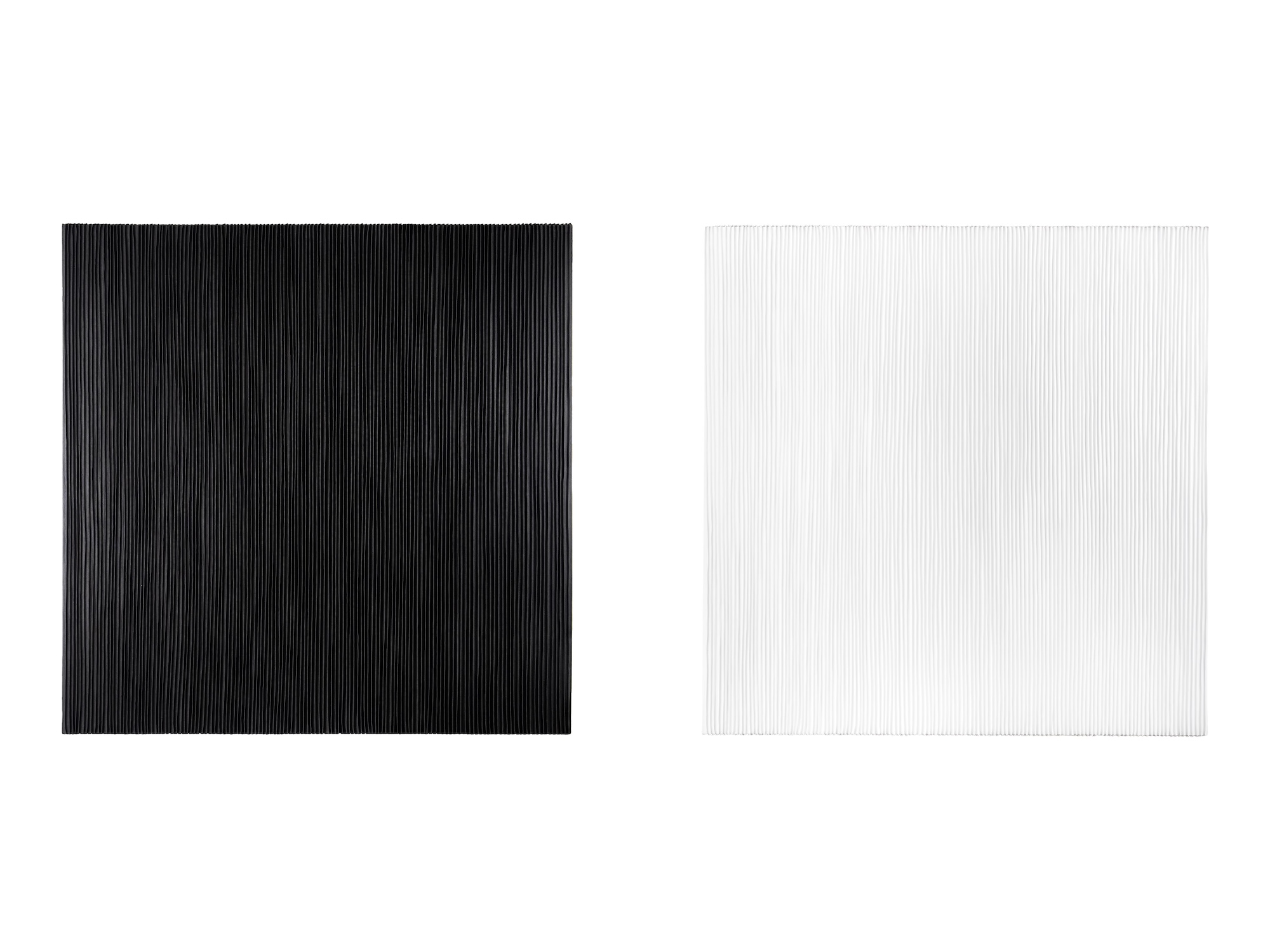
The exhibition brings together several expressions of that sensibility. Works including Ge, Balancing, Interplay and Mirror use mixed media on calico mounted on canvas. Their depth gives them a sculptural presence, extending the experience beyond the painted surface. Colour introduces playfulness and exuberance, while the black-and-white works retain their own tension and movement. Across these different registers, the viewer is invited to look slowly and discover what a first glance might miss.
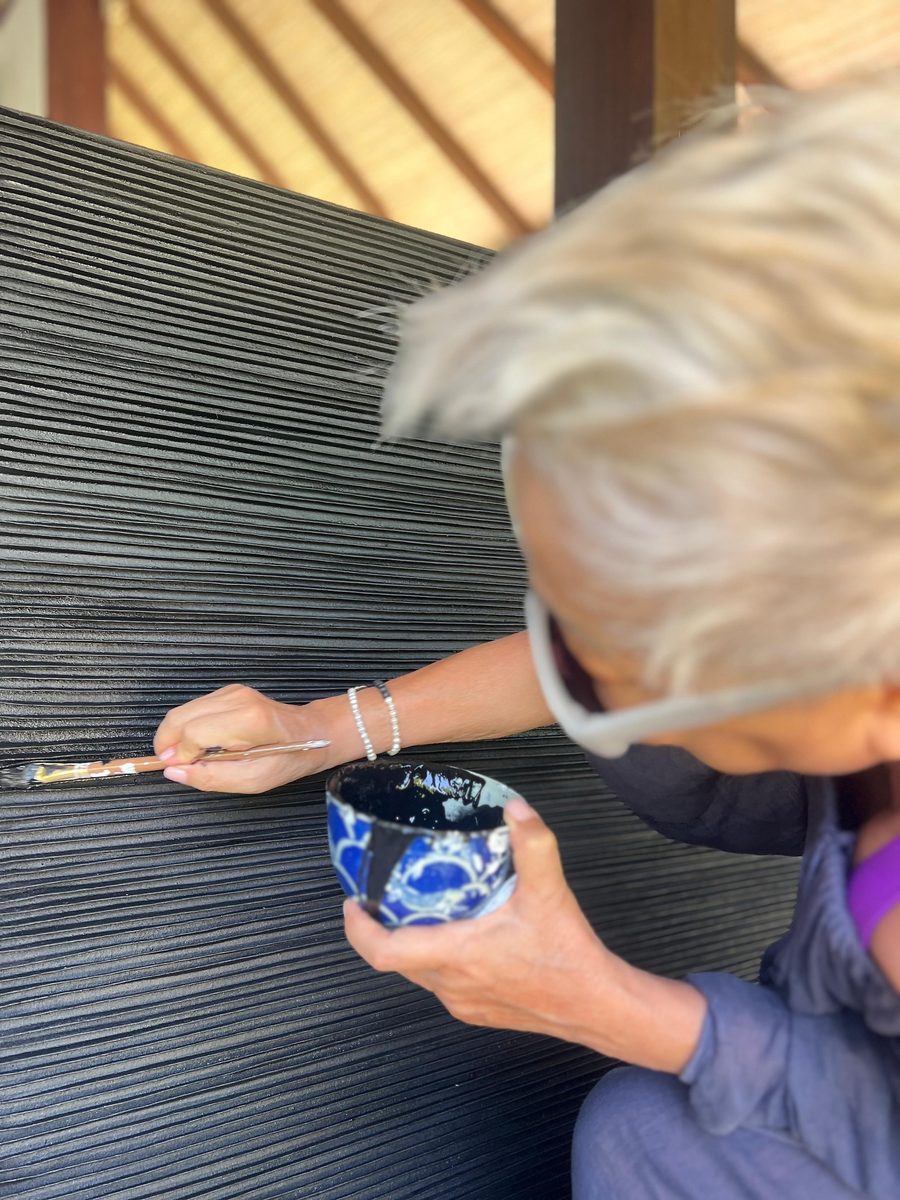
At 70, Sin Sin’s latest exhibition offers a portrait of an artist still actively developing her language. Decades of experience inform the work, but intuition continues to guide its unfolding. Solar Return gives that ongoing process a moment of focus: a gathering of materials, memories and possibilities, held together by the patient work of the hands. For Sin Sin Man, beginning again remains an essential part of making.
Sin Sin Man, Solar Return is now open at Sin Sin Fine Art, Hong Kong.
Viewing by appointment.