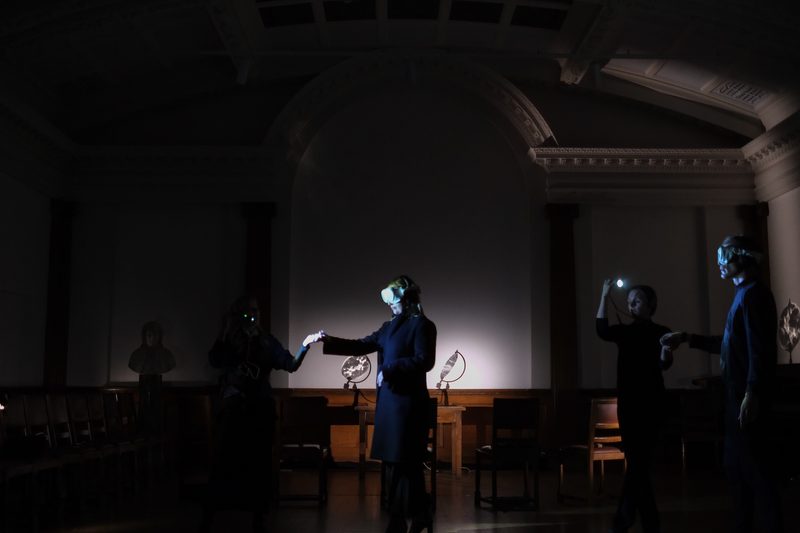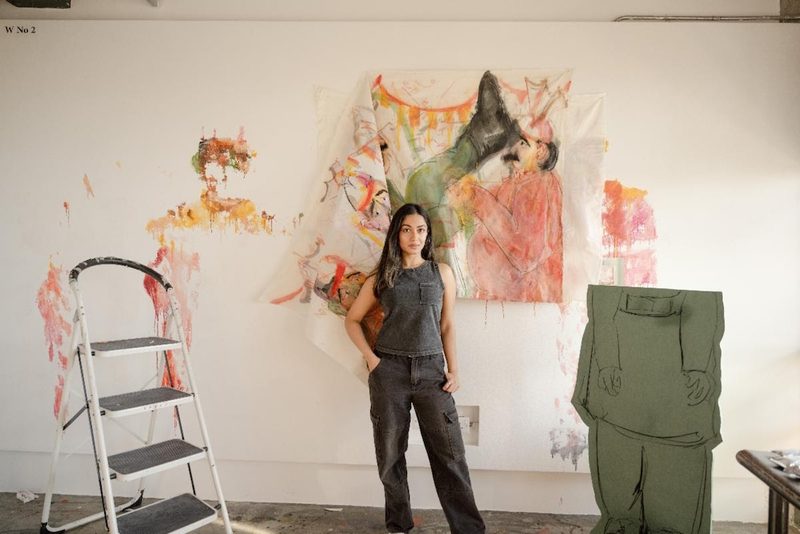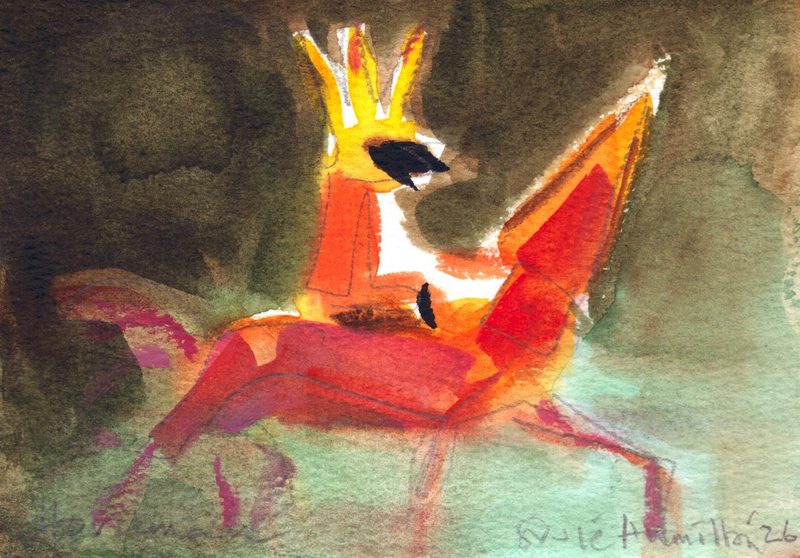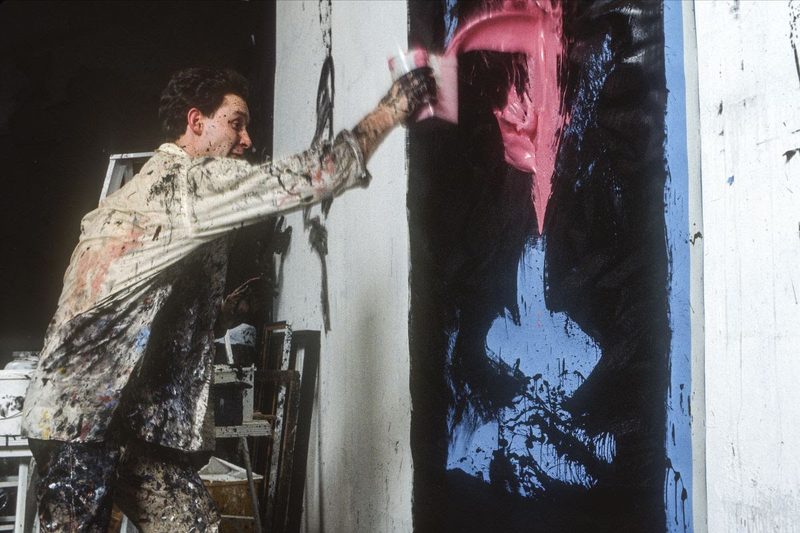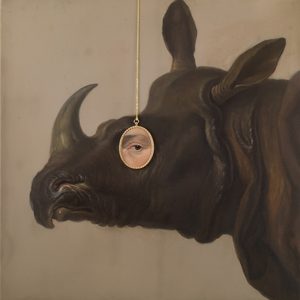
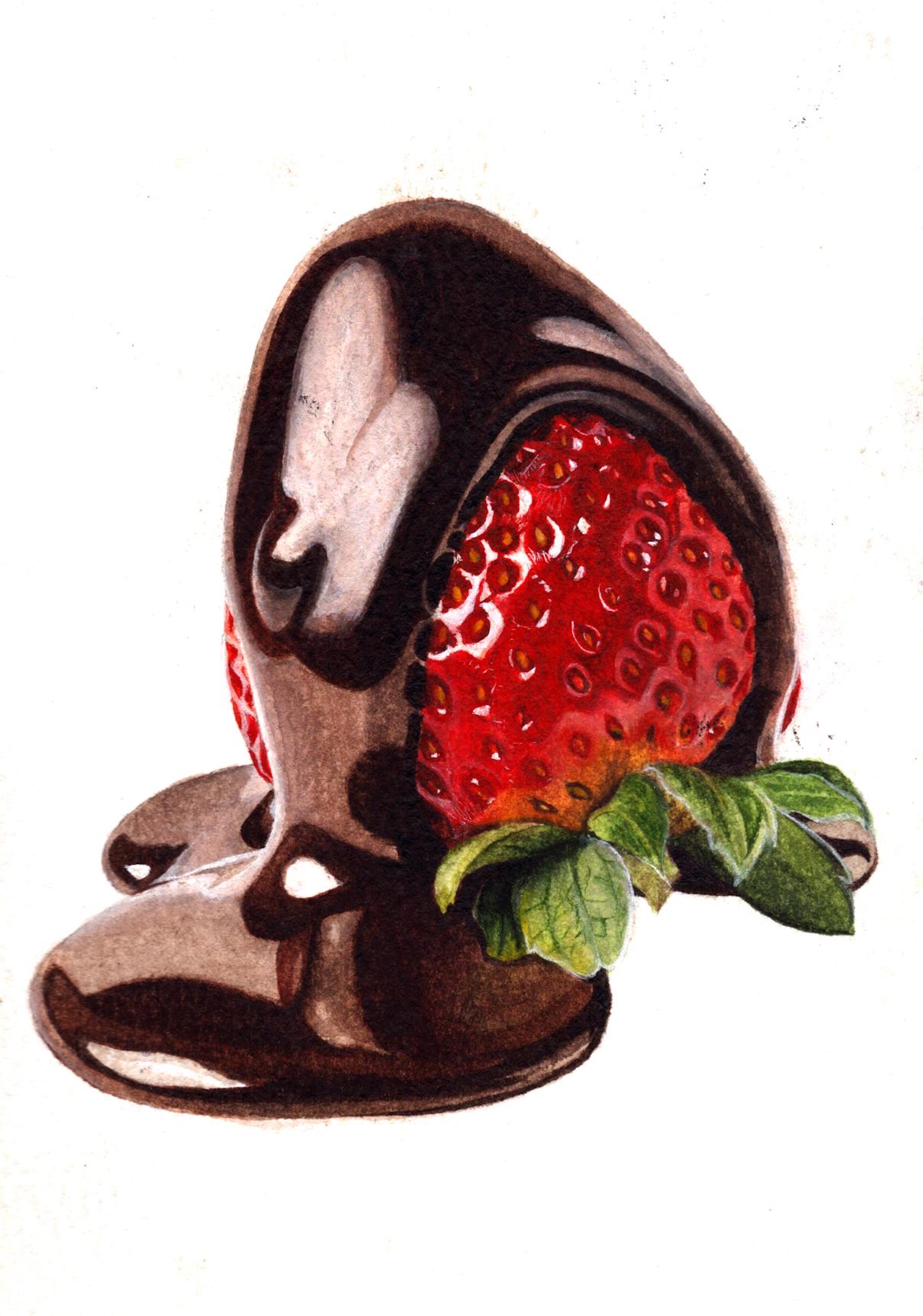
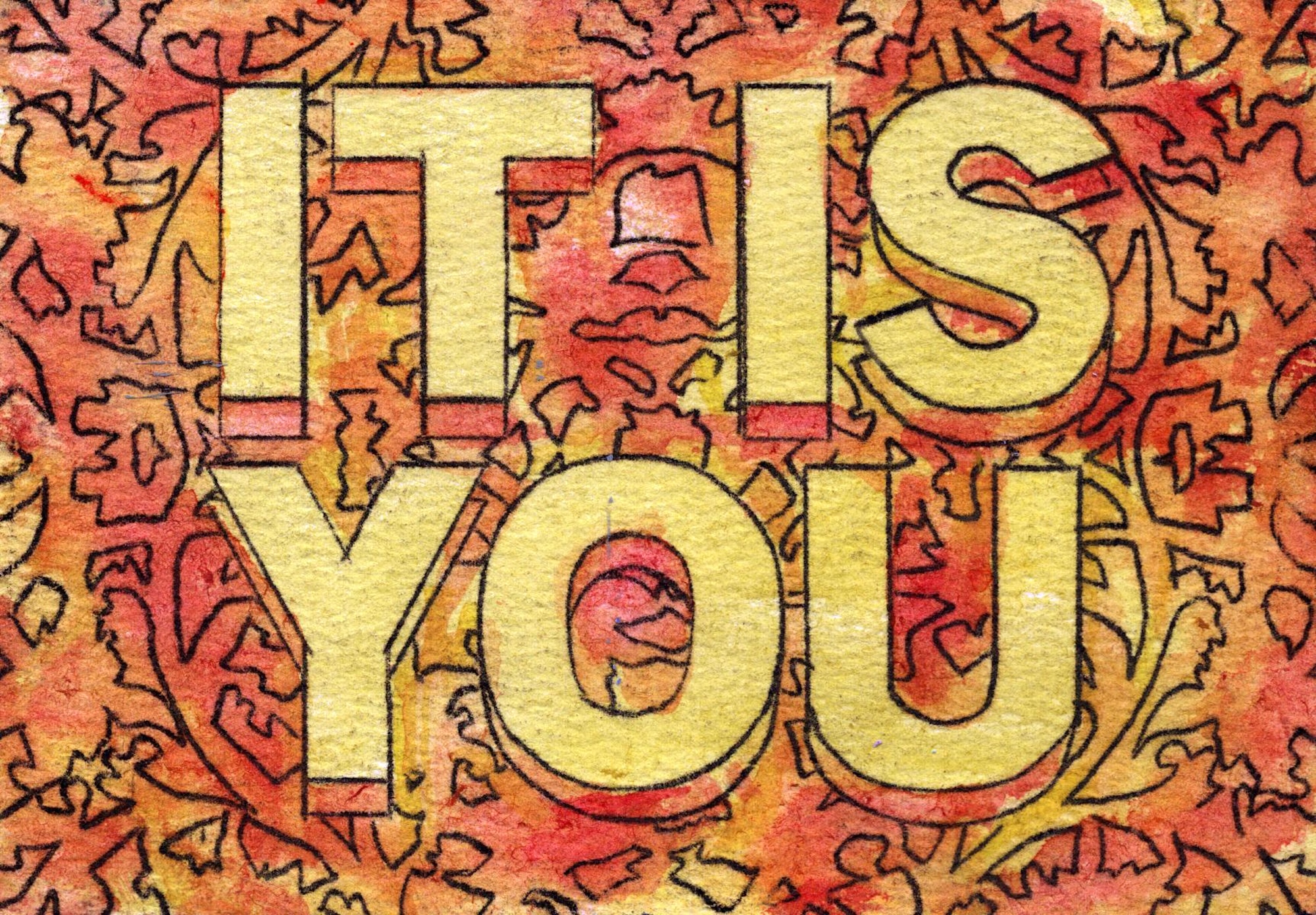
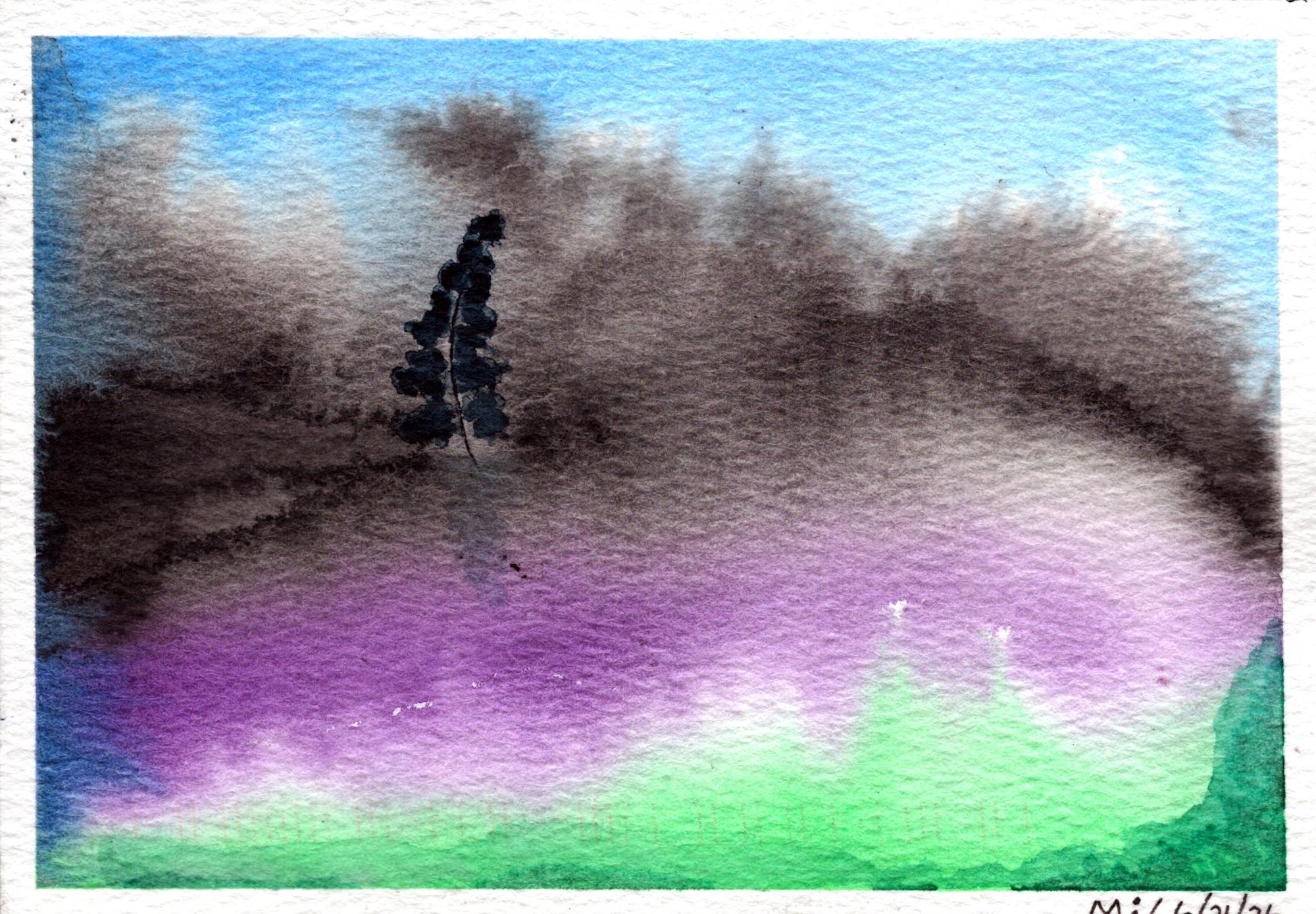
More than 8,000 hand-painted postcards have now travelled from artists and makers around the world into Art Mail, Winsor & Newton’s global project celebrating creativity, connection and the simple act of making something by hand.
The project culminates in an exhibition at Saatchi Gallery in London, before a selection of works travels to Drawing Room in Brooklyn. A number of postcards will later be auctioned to raise funds for Hospital Rooms.
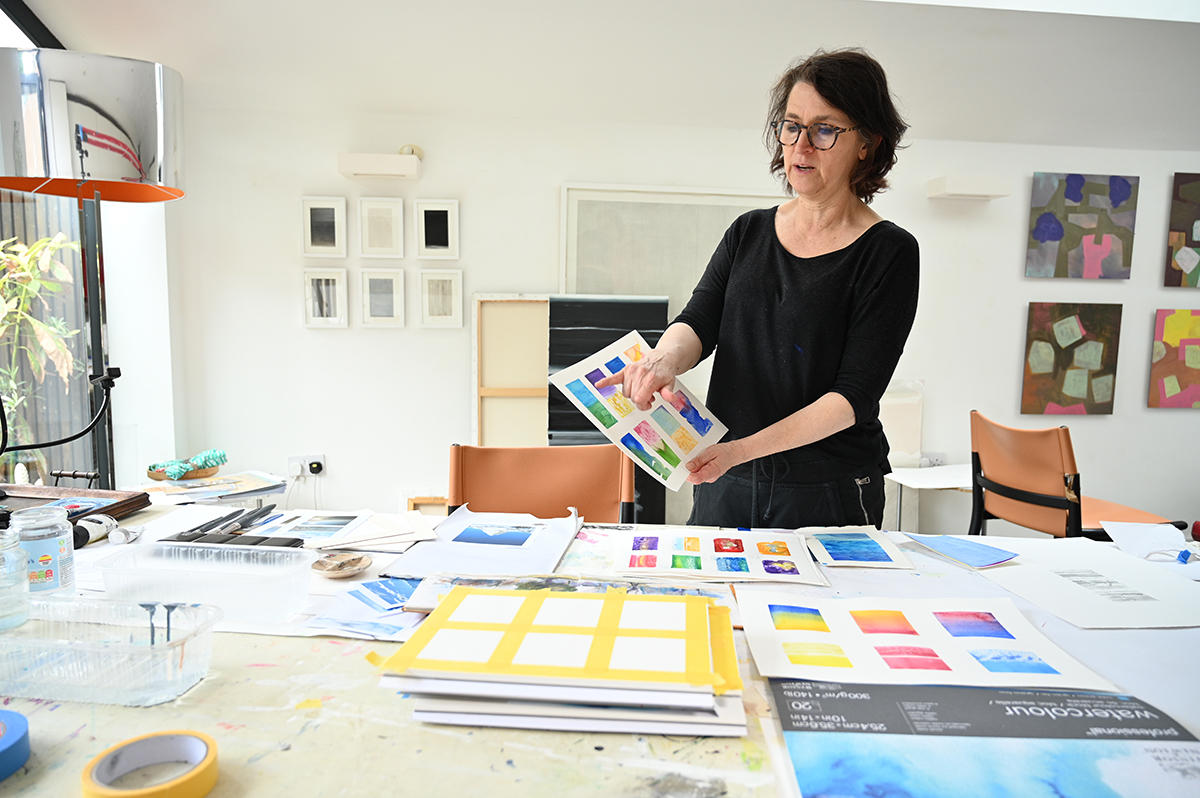
Artist, educator and curator Stephanie Nebbia, Winsor & Newton’s artist in residence, has been involved with Art Mail from the beginning, helping to source artists, running workshops with students at Slade and UAL, and bringing an artist’s perspective into the project from its earliest stages.
FAD caught up with Nebbia to talk about the appeal of the postcard as a format, what happens when established artists and first-time painters are shown together, and why physical connection still matters in an increasingly digital world.
You were involved with Art Mail from the early stages, from helping source artists to running workshops with students at Slade and UAL. How do you think having an artist involved from the concept stage shape the project?
I think being both an artist and curator means that you can quickly differentiate and start to see the dialogues occurring in the works. With such a vast number of pieces, it is a benefit to be able to respond to this when you are already used to working in this capacity. Winsor and Newton work with artists all the time. It is part of our legacy; the importance of having an artist involved from the outset meant that it comes from a place of insight within the artistic community.
More than 6,000 postcards have now been created by artists across over 40 countries. Did you imagine it would grow into something on this scale, and what has surprised you most about the responses?
It has certainly exceeded everyone’s expectations, having now reached 8000 pieces sent from all over the globe. It was something we hoped for, but did not imagine until it became a reality. The breadth of engagement and enthusiasm this has been met with, from artists, designers, illustrators and people who are passionate and creative, who simply want to paint for pleasure, from all over the world, has been the most wonderfully surprising experience.
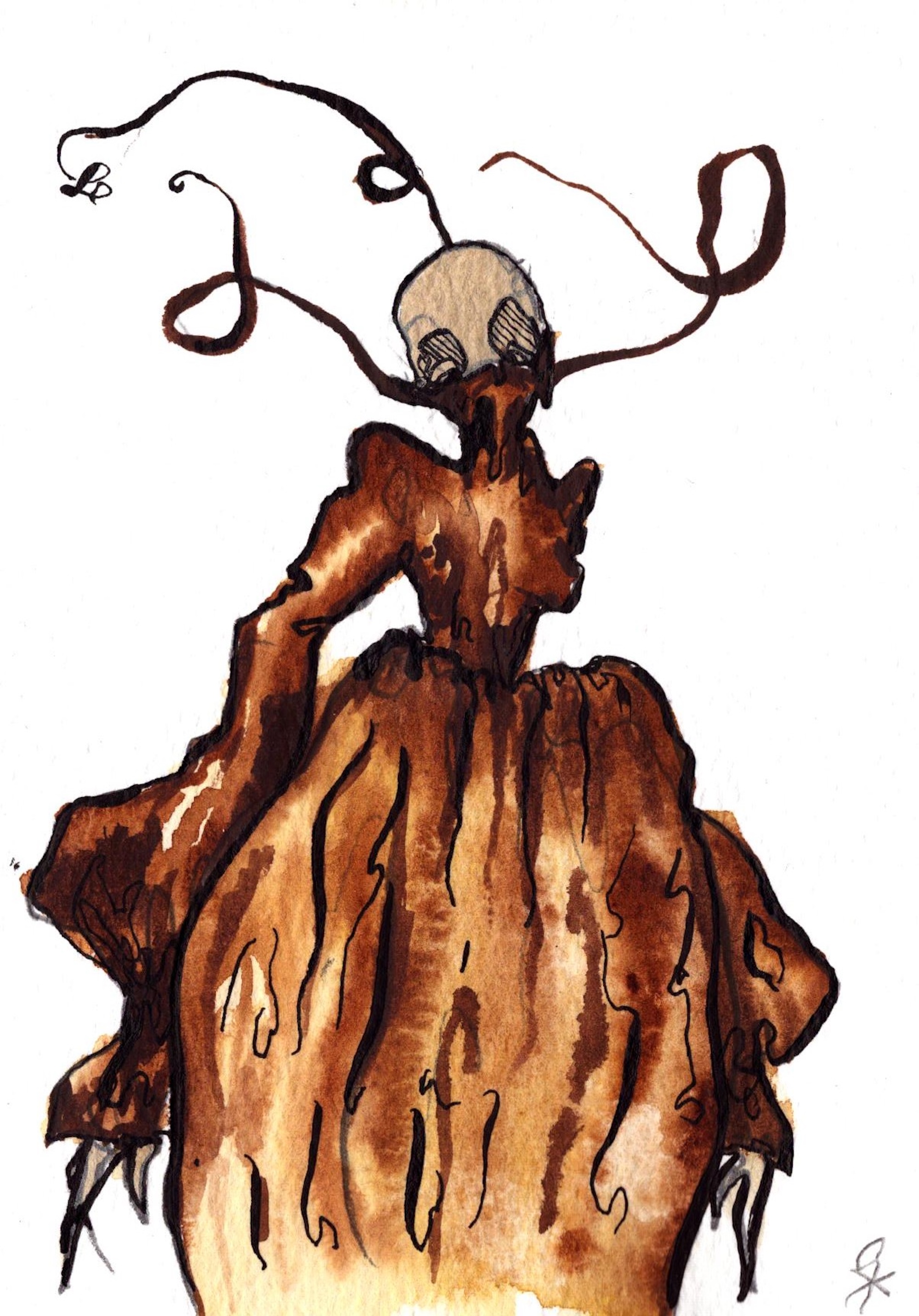
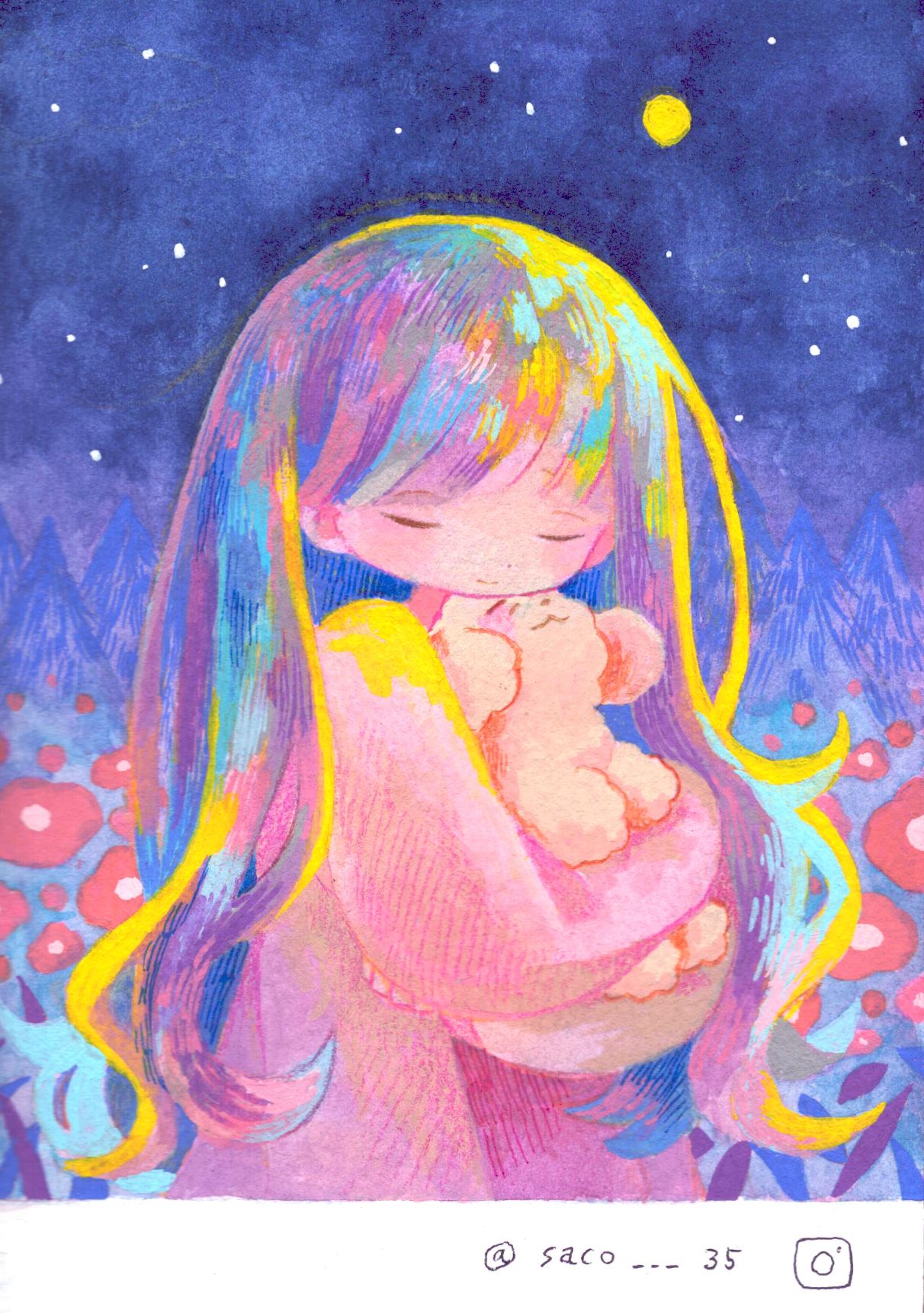
The postcard is such a small and familiar object. What do you think is interesting about that format as a space for making art, particularly when the work also has to travel physically through the post?
On the very basis that it is something everyone recognises, it makes it accessible and, by its very nature, inclusive. The whole ambition of Art Mail was not only to support Hospital Rooms who it has championed since its very beginning, but also to widen participation and create the opportunity for everyone to be part of and feel they can be part of a project of this scale. A postcard also represents travel, and a shared moment or memory. It was important from the start of this project for the art to physically travel and not just be digitally submitted. Most of the postcard bare the marks of travel; you can see it’s been on its own adventure from the artist’s hand to ours. It is tangible and tactile and beautifully human.
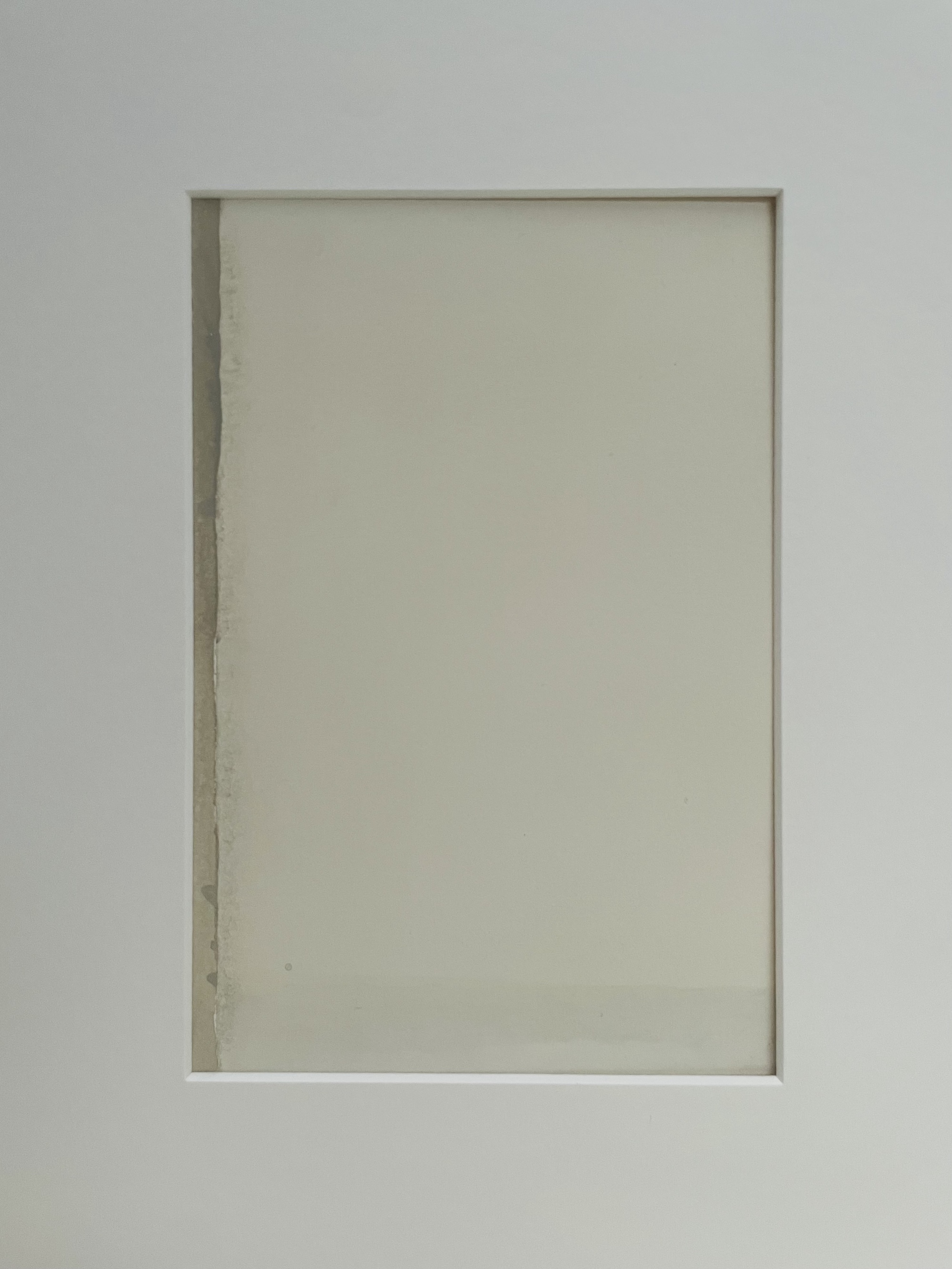
Your own work often deals with how we occupy space, and with tensions between line, surface, light and perception. Do you think these concepts find resonance in the approach of Art Mail or the idea of bringing thousands of individual works together in one exhibition?
My work focuses very much on what it means to be human and how we engage with the rest of the world, sometimes when exploring the space, it becomes very embedded in the contexts that have gone before me, but my current work still lives. I make intentionally the most simple and recognisable forms that we all recognise and all engage with in some way. This accessibility and providing opportunities for us to connect on this scale is most certainly something that resonates; now, in such complex times, the importance of culture and connection is especially important.
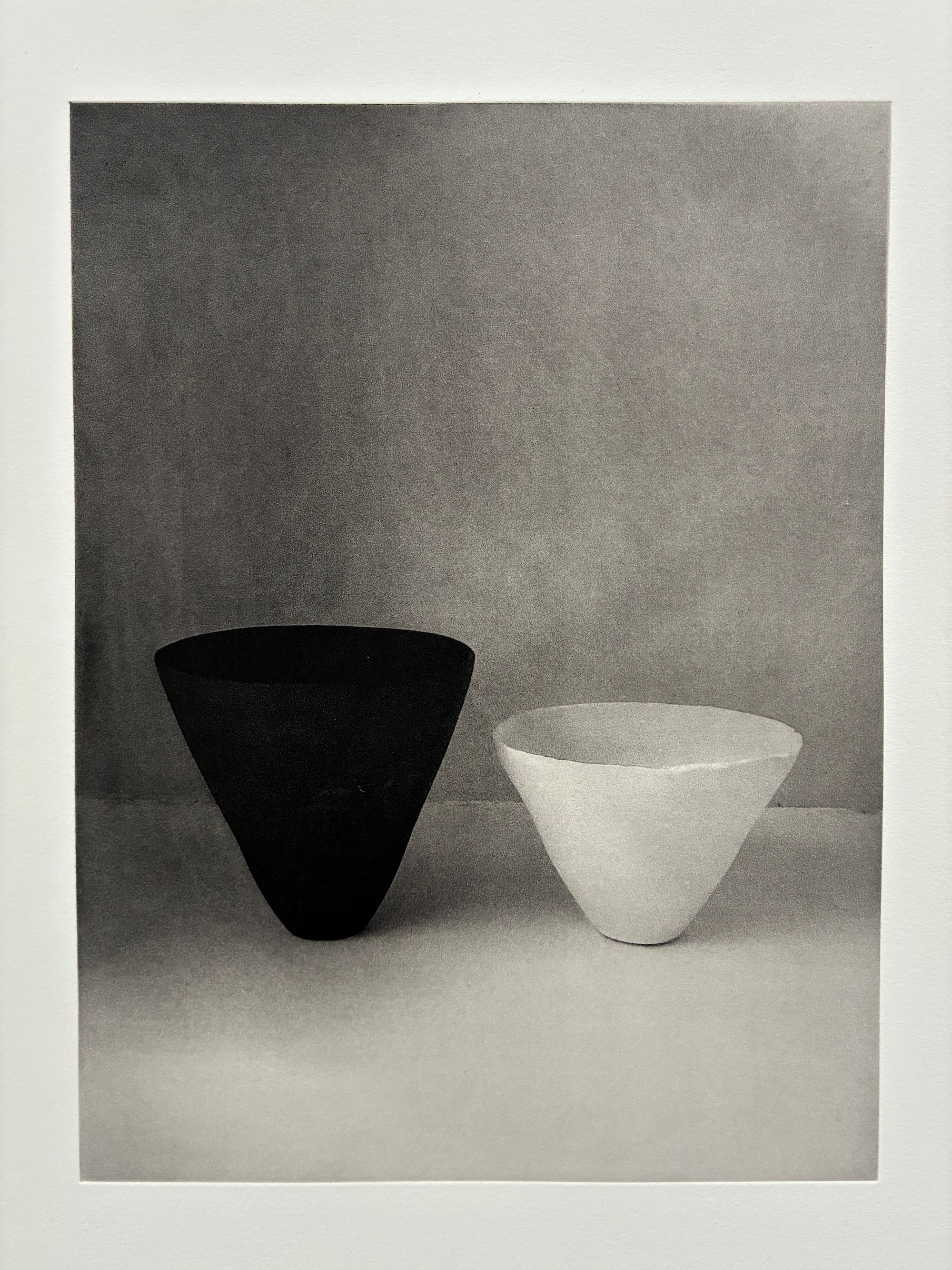
The project deliberately includes both established artists and people who may be using watercolour for the first time. What happens when those different levels of experience are shown together on equal terms?
What happens is a universal desire for culture and the understanding of its importance. In a rapidly changing digital world, the need for analogue to inform is important because it allows us to see the digital world as a tool and not the outcome. What I find interesting here is the fact that there has been so much debate on art and culture being replaced, and what we witness in a response such as this is a perspective by everyone, not just artists, on the value that is found in creativity on every level. The cross-fertilisation of ideas across a single medium, as in this case, creates a coherent platform to curate this collection of artists and creative engagement. Art is appreciated on so many levels, and we want people to visit exhibitions and engage with culture and creativity. An exhibition such as this provides that accessibility for such a wide audience to enjoy and engage. That in itself is a measure of success, when everyone who visits leaves having connected, liked and engaged with something they have seen and enjoyed.
After Saatchi Gallery, a selection of the works travels to Drawing Room in Brooklyn, and some postcards will later be auctioned to raise funds for Hospital Rooms. How important was it that Art Mail moved beyond being an exhibition and became something about connection, exchange and support as well?
This brings us back to the need and importance of inclusivity and widening participation. Beyond the exhibition, the incredible work that Hospital Rooms does to support mental health is a reminder to us all of the impact culture and creativity has on so many levels. The support Winsor & Newton provides to this and other important projects, like the Hands On art workshops in Kakuma Refugee Camp in Kenya, clearly illustrates ways in which this can be achieved and raises awareness of the importance of seeking these connections and supporting these incredible initiatives.
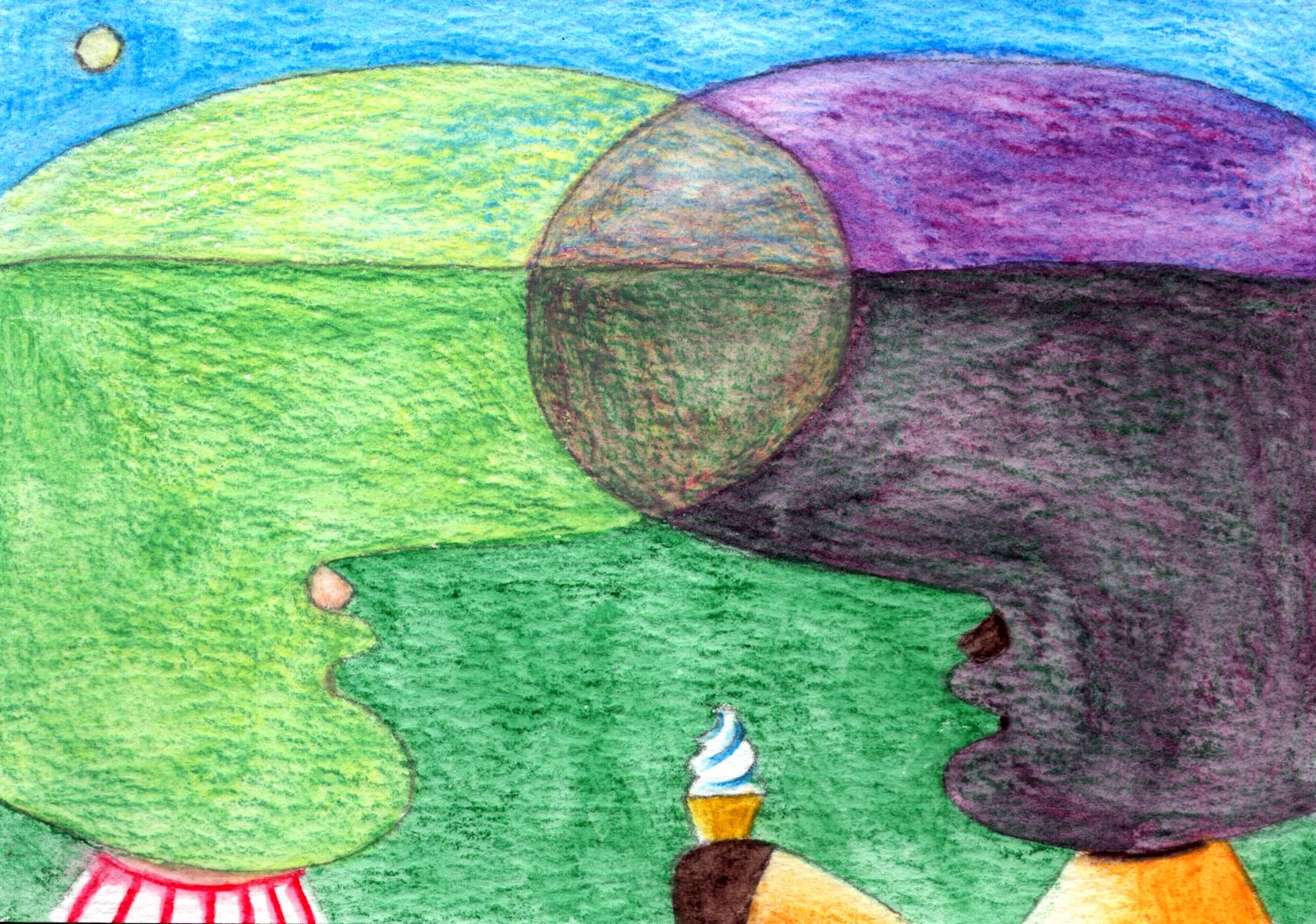
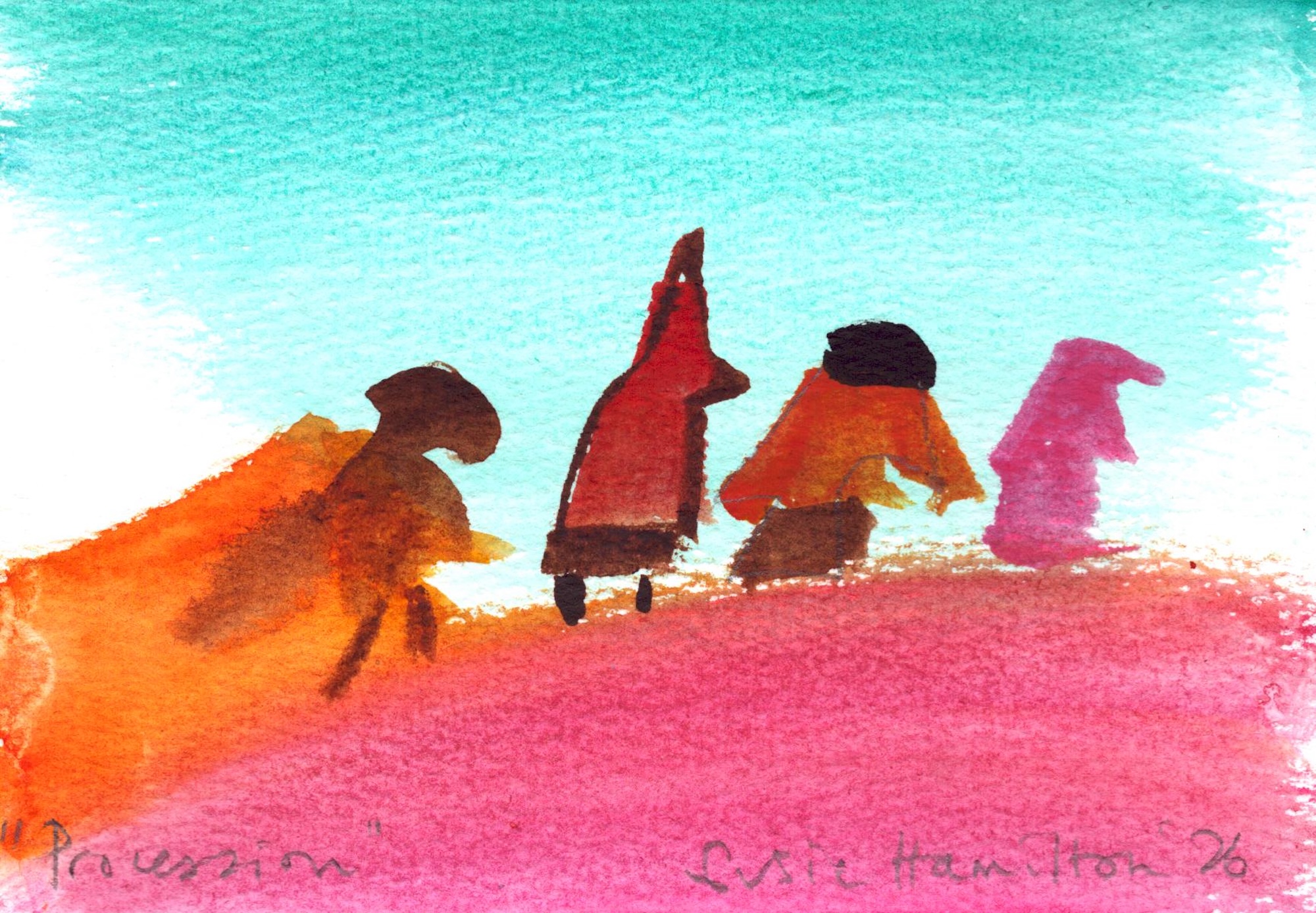
Artists include: Andrew Carter, Arden Rose, Giles Deacon, Heather Phillipson, Jane Hayes Greenwood, Julie Green, Ken Nwadiogbu, Laxmi Hussain, Mark Titchner, Peter McDonald, Richard Woods and Susie Hamilton, among others.
Art Mail, 1st – 8th October, Saatchi Gallery
Free to visit daily, 10AM – 6PM
Drawing Room in Brooklyn, 21st October – 4th November