Aperture has opened a new permanent home on New York’s Upper West Side, bringing its publishing, exhibitions, talks and public programmes together at 380 Columbus Avenue. FAD caught up with Executive Director Sarah Meister to talk about what the new space means for Aperture, its international reach and what a photography institution needs to be in 2026.
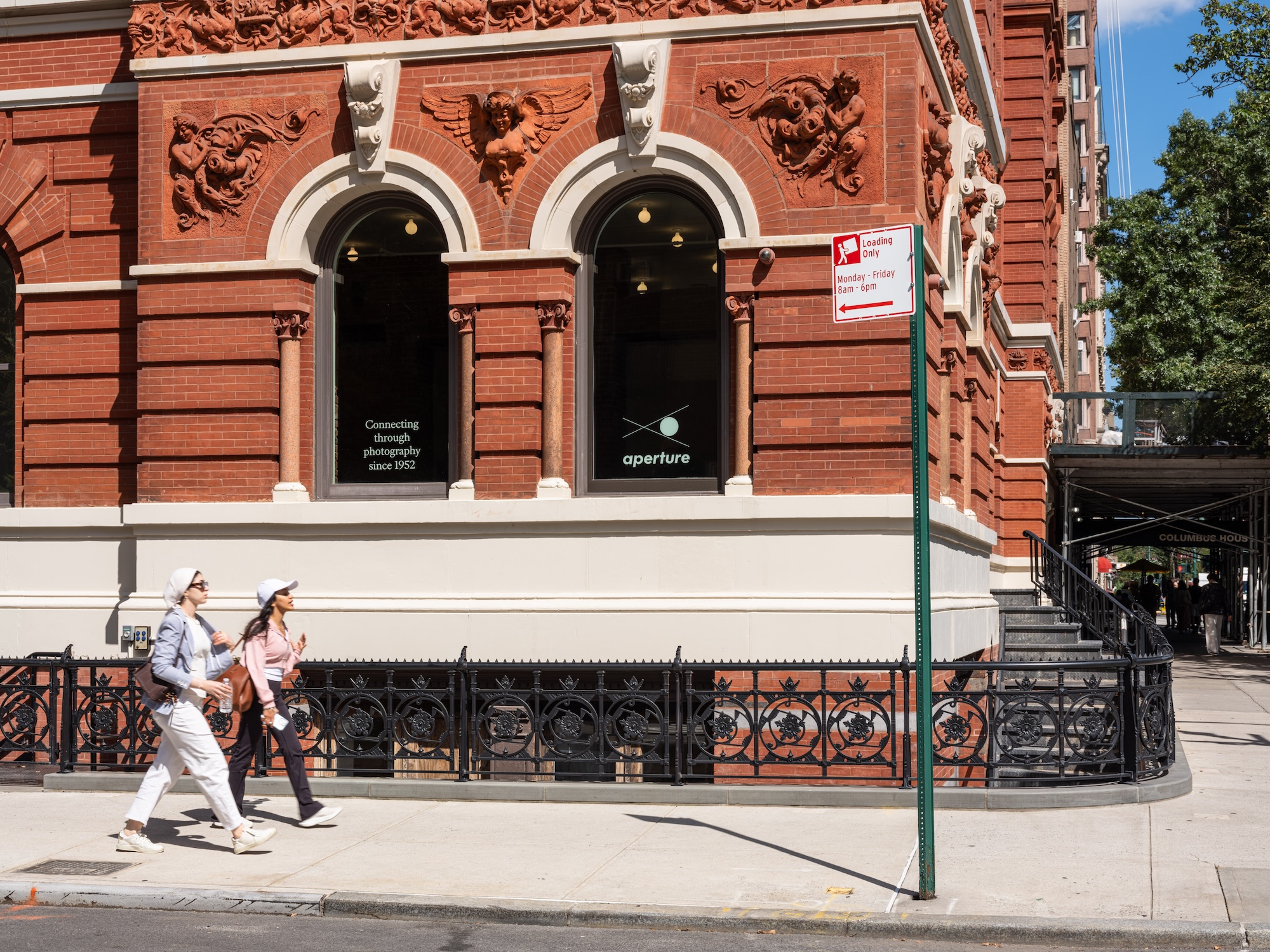
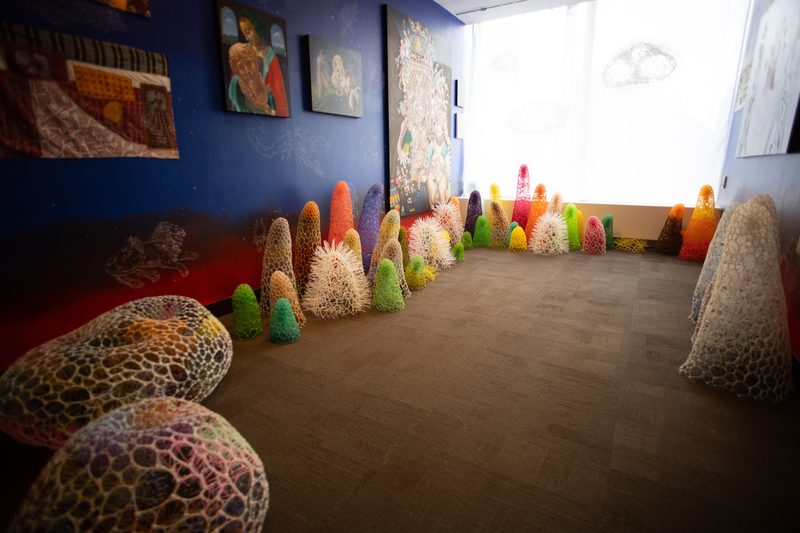
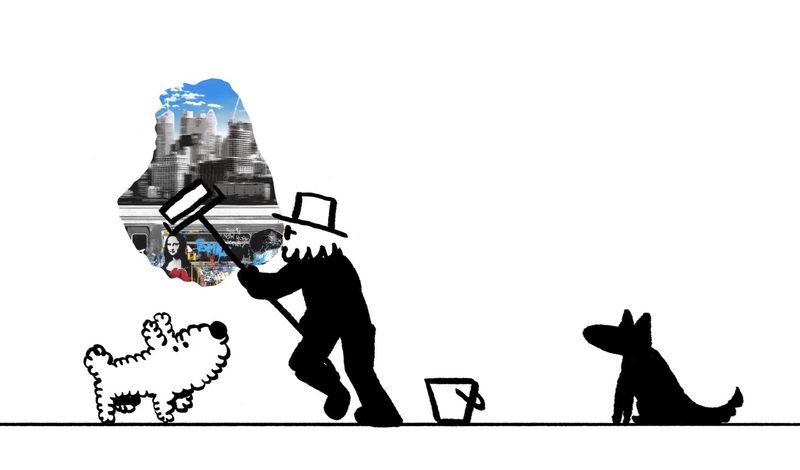
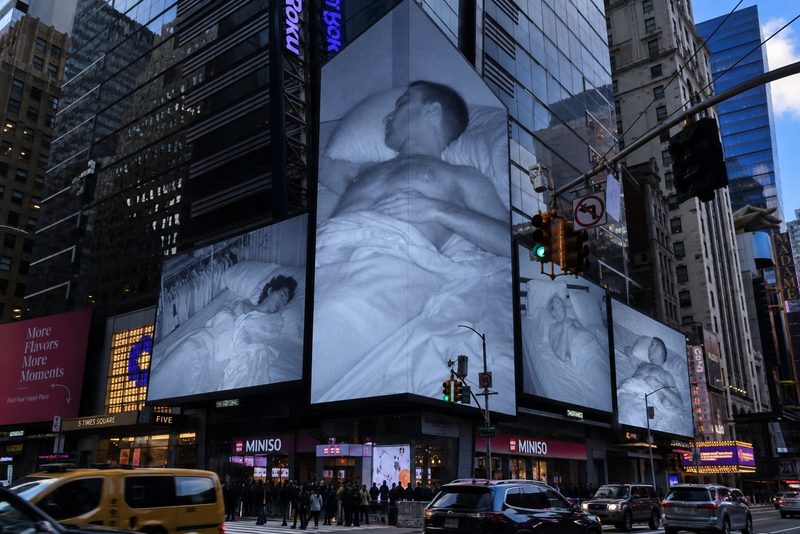
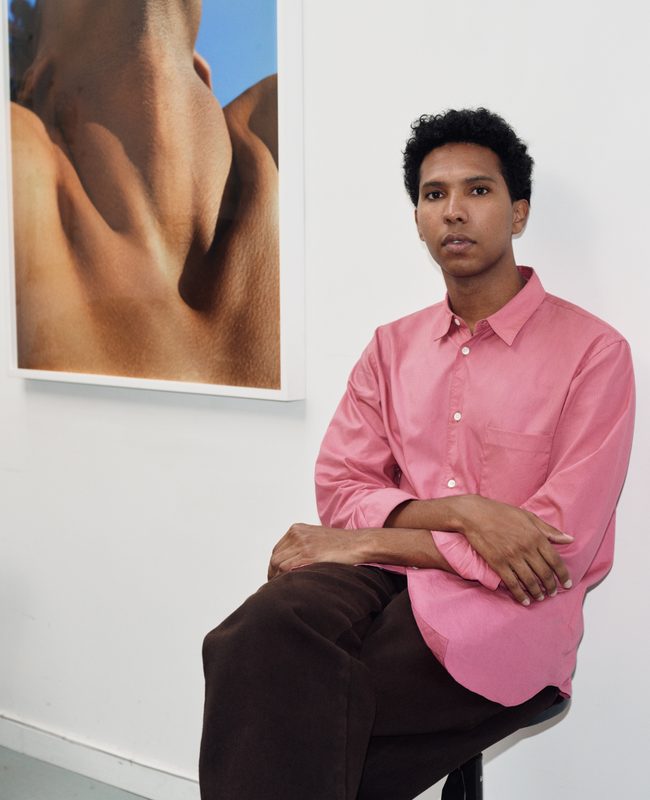
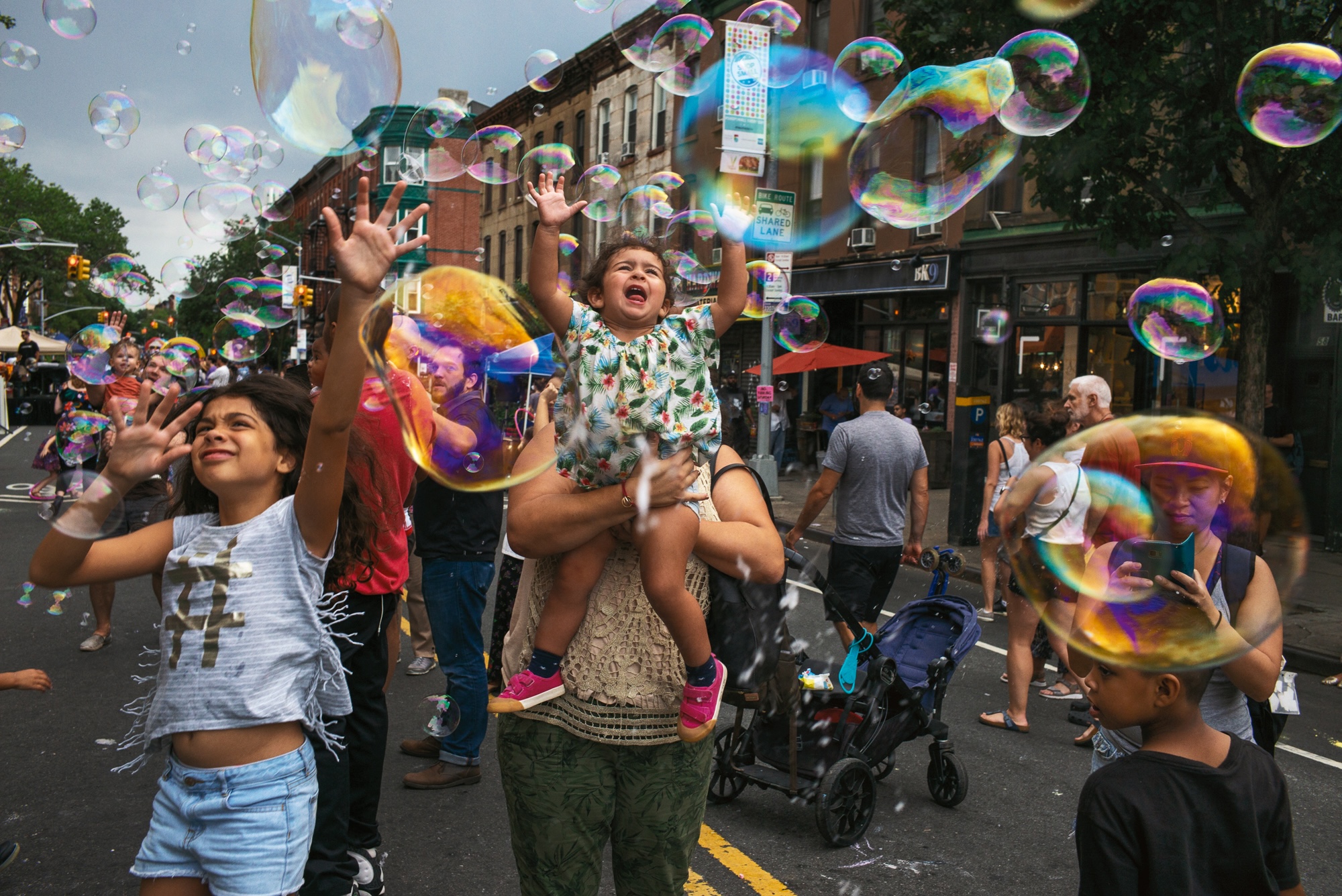
Aperture’s new home opened on 18th September 2026 with Aperture Loves New York, an inaugural installation curated by Meister and featuring more than 20 artists whose work has shaped — and been shaped by — the city, including Diane Arbus, Dawoud Bey, Robert Frank, Deana Lawson, Stephen Shore, Coreen Simpson and Carrie Mae Weems.
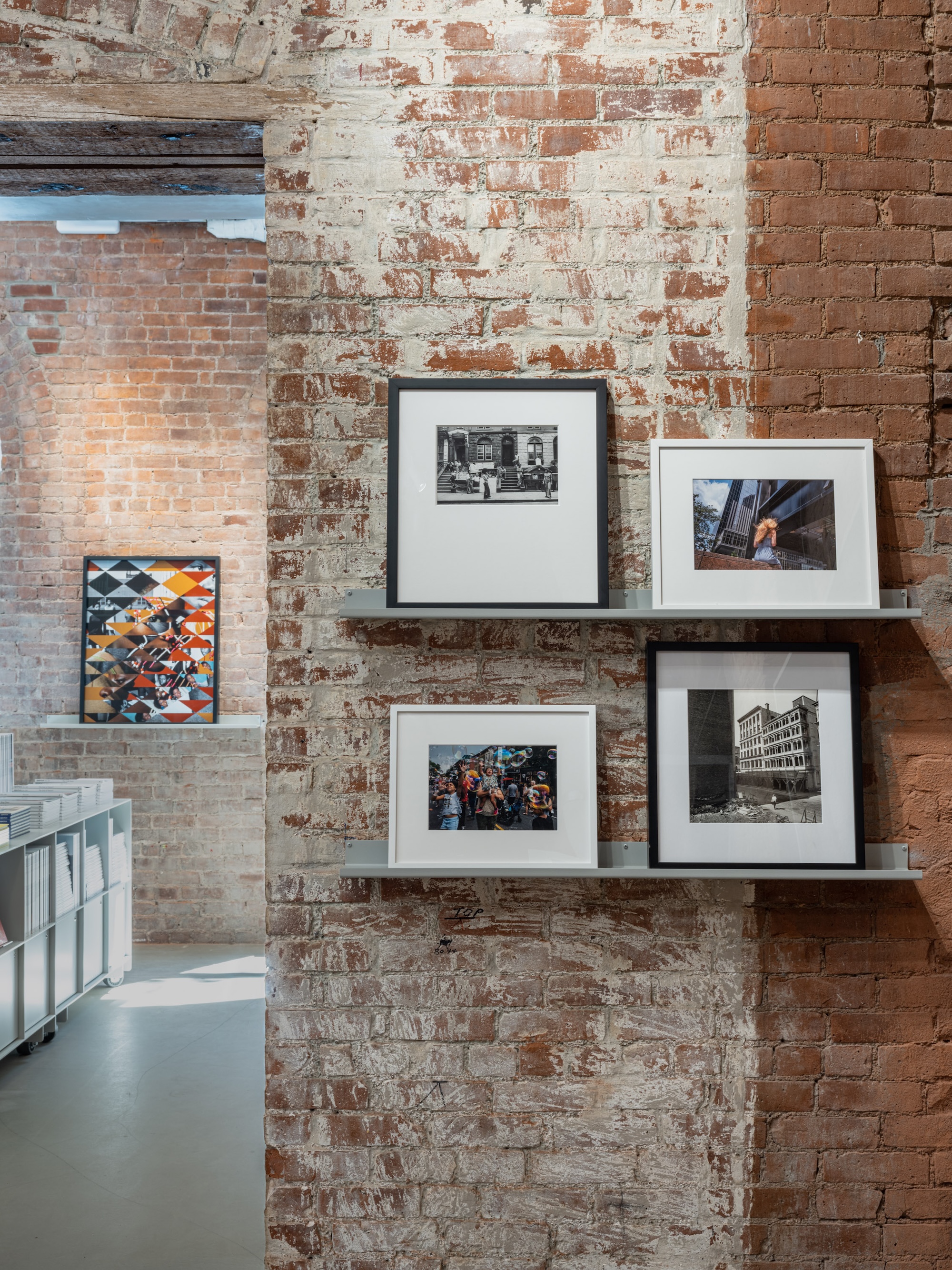
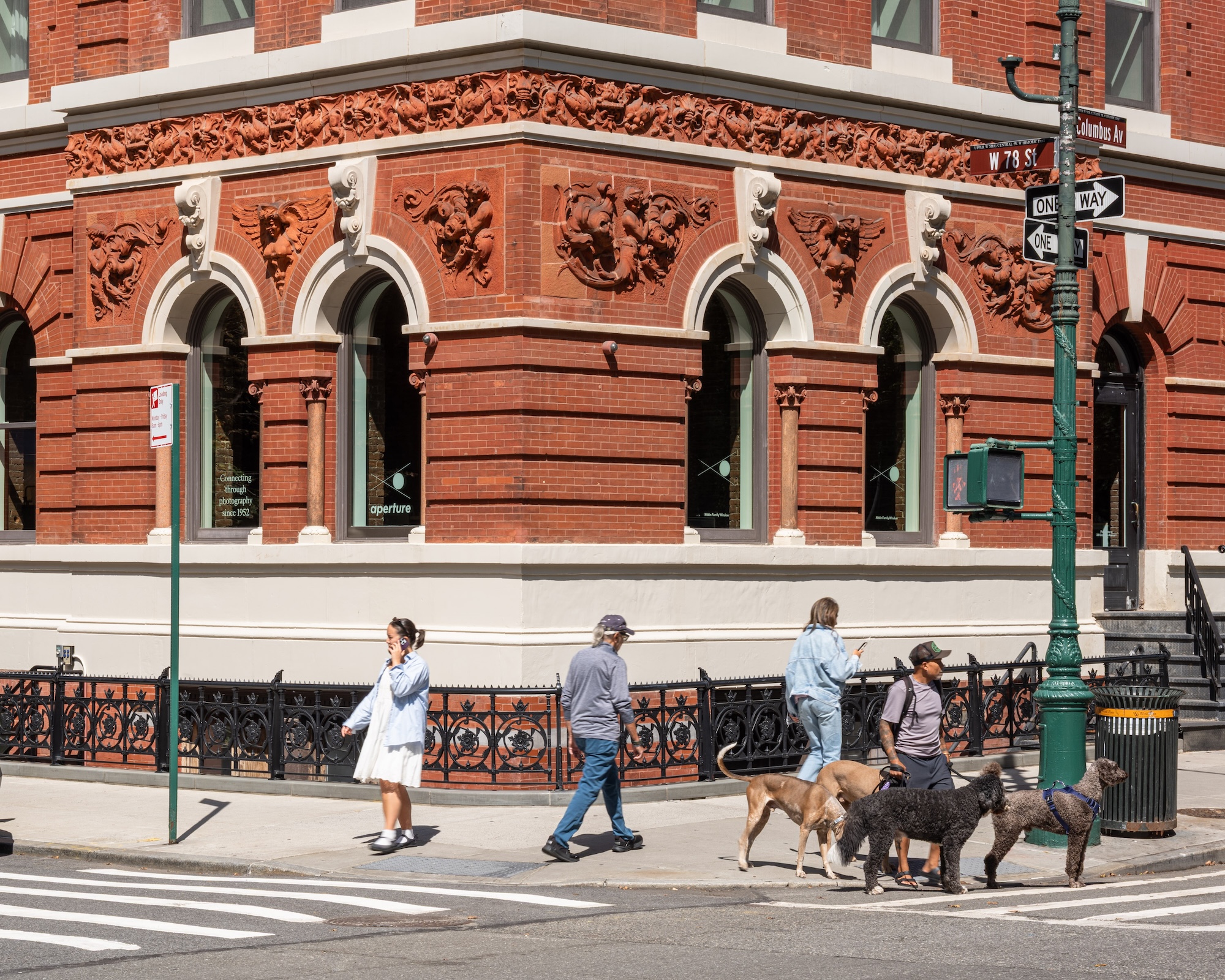
Designed by LEVENBETTS, the two-floor space combines gallery and bookstore areas with Aperture’s offices and publishing activity, creating a street-level home intended as much for conversation and discovery as for exhibitions.
When we met at C/O Berlin, you were really excited about Aperture’s new home in New York. What are you most excited about now that the doors are opening?
There are so many things I’m thrilled about, but above all, it is being able to finally welcome people through the doors. Aperture has always been about creating community around photography through our books and magazine, exhibitions and programmes, and now we have a permanent home where all of these things can come together.
I’m especially pleased by how open the space feels. We’re on the Upper West Side, at street level, in a neighbourhood filled with residents as well as visitors from around the world. Someone might come specifically to see an installation or attend a talk, but someone else might simply walk past, become curious and come inside.
That possibility of discovery feels very true to Aperture. We want this to be a place where people encounter a photograph, a book, an artist or an idea they didn’t know before — and leave seeing something differently.
Aperture was founded in 1952. What does having a permanent home allow the organisation to do differently?
To have a permanent home is both enormously meaningful and transformative. It gives us a sense of permanence, certainly, but more importantly it gives us the freedom to think expansively about how people experience Aperture.
For decades, our publications have travelled extraordinary distances. You can find an Aperture book almost anywhere in the world, and we have published issues of the magazine that have focused on Seoul, Accra, Delhi, São Paulo and beyond. This reach will always be fundamental to who we are.
What this home gives us is a physical counterpart to that experience: a place where the ideas contained in our books and magazine can unfold through presentations, conversations, events and encounters between people.
And because we have designed the space around the way Aperture actually works, visitors can get a greater sense of the publishing activity happening here as well.
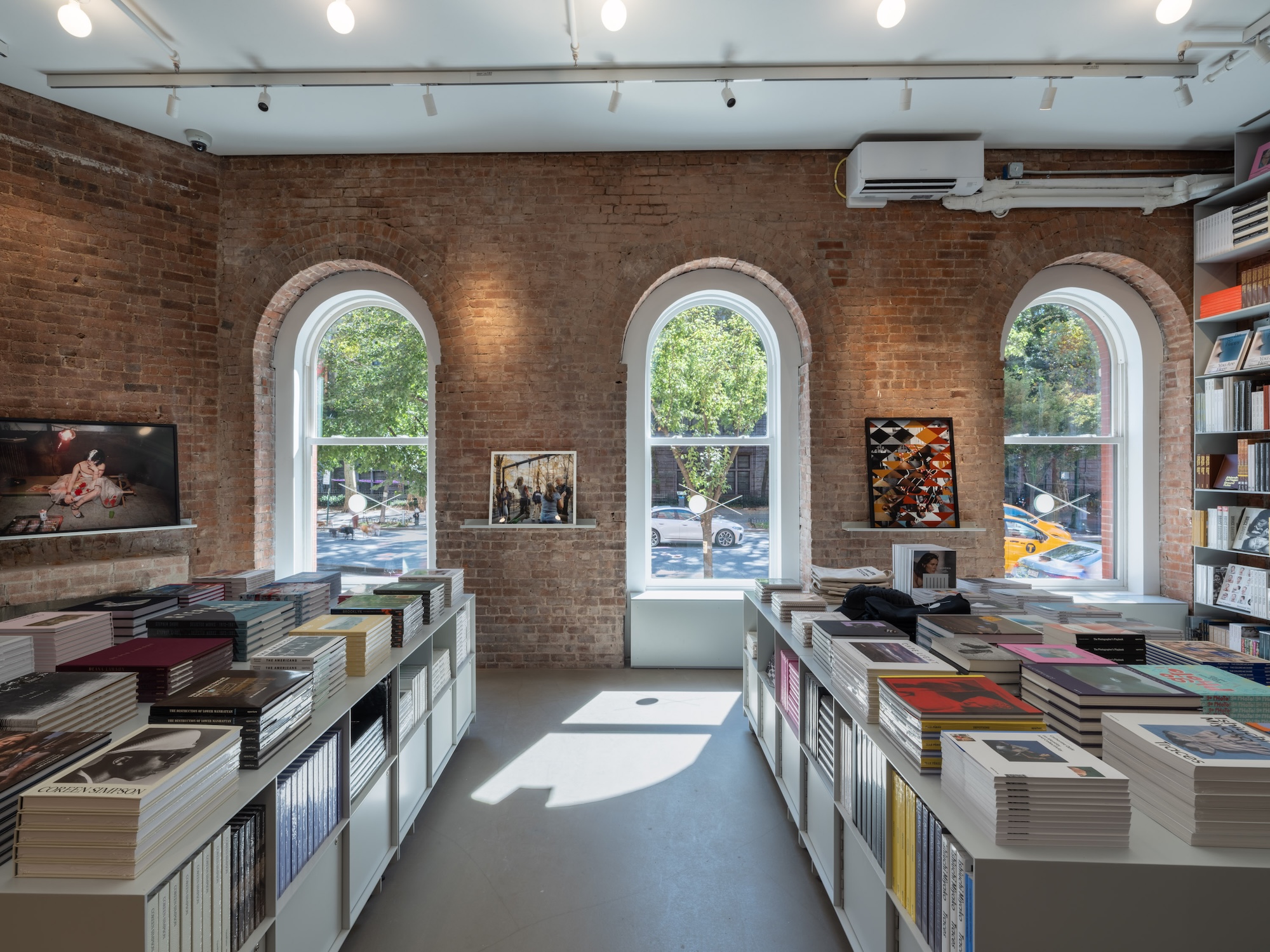
The new home brings together exhibitions, books, talks and public programmes under one roof. What do you want the space to become beyond simply somewhere people come to see photography?
I hope it becomes a place people feel belongs to them — a place where you don’t necessarily need a reason to come in.
You might see an installation, browse the bookstore, hear an artist speak, encounter the work of a publisher from another part of the world, or simply spend some time surrounded by great photographs and other people who are curious about them.
Photography is an extraordinarily democratic medium. I want the new home to reflect that openness. The ambition isn’t simply to present photography to an audience, but to create the conditions for exchange.
If we can create a place that encourages curiosity and conversation — and where someone who already knows Aperture deeply feels as welcome as someone encountering us for the first time — I think we will have accomplished something important.
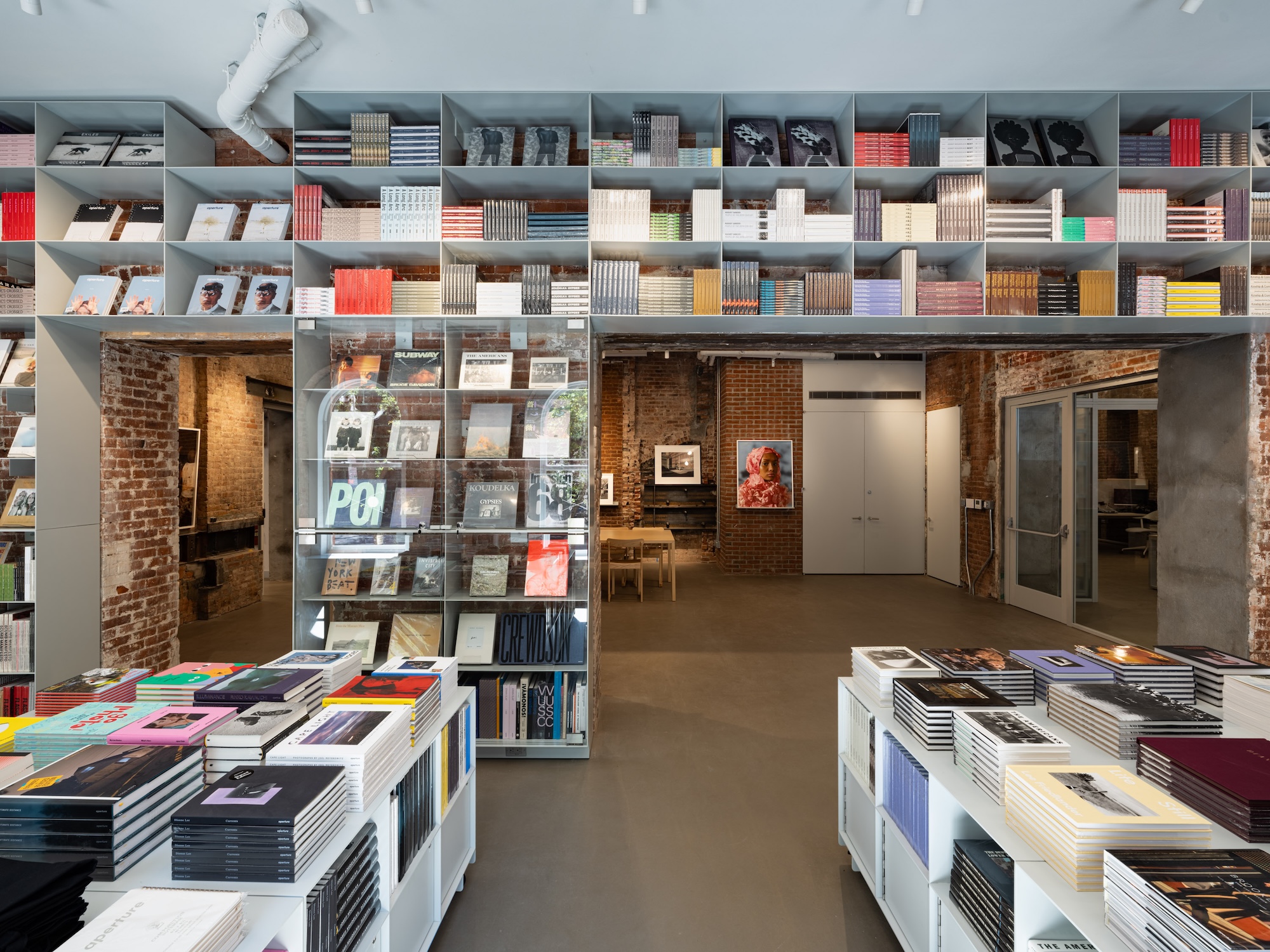
Aperture has always been international despite being rooted in New York. Could you imagine the idea eventually expanding to London, Paris, Berlin or elsewhere?
Our international reach is absolutely central to Aperture, but I think about expansion less in terms of replicating this physical space elsewhere and more in terms of expanding the relationships that radiate outward from it.
Publishing has always allowed Aperture to transcend geography, and partnerships allow us to extend that even further. We work with artists, publishers and institutions around the world, and many of our exhibitions travel internationally.
The new home gives that global network an anchor in New York while also creating new opportunities to bring international voices into the space. For example, our opening bookstore programme includes a collaboration with Offset Projects in New Delhi, presenting independent publishing from India.
So rather than thinking of New York as the centre of a one-way conversation, I hope the new home can function as one point within a much larger international exchange. There is enormous potential in creating stronger connections between what happens at 380 Columbus Avenue and what is happening in photography around the world.
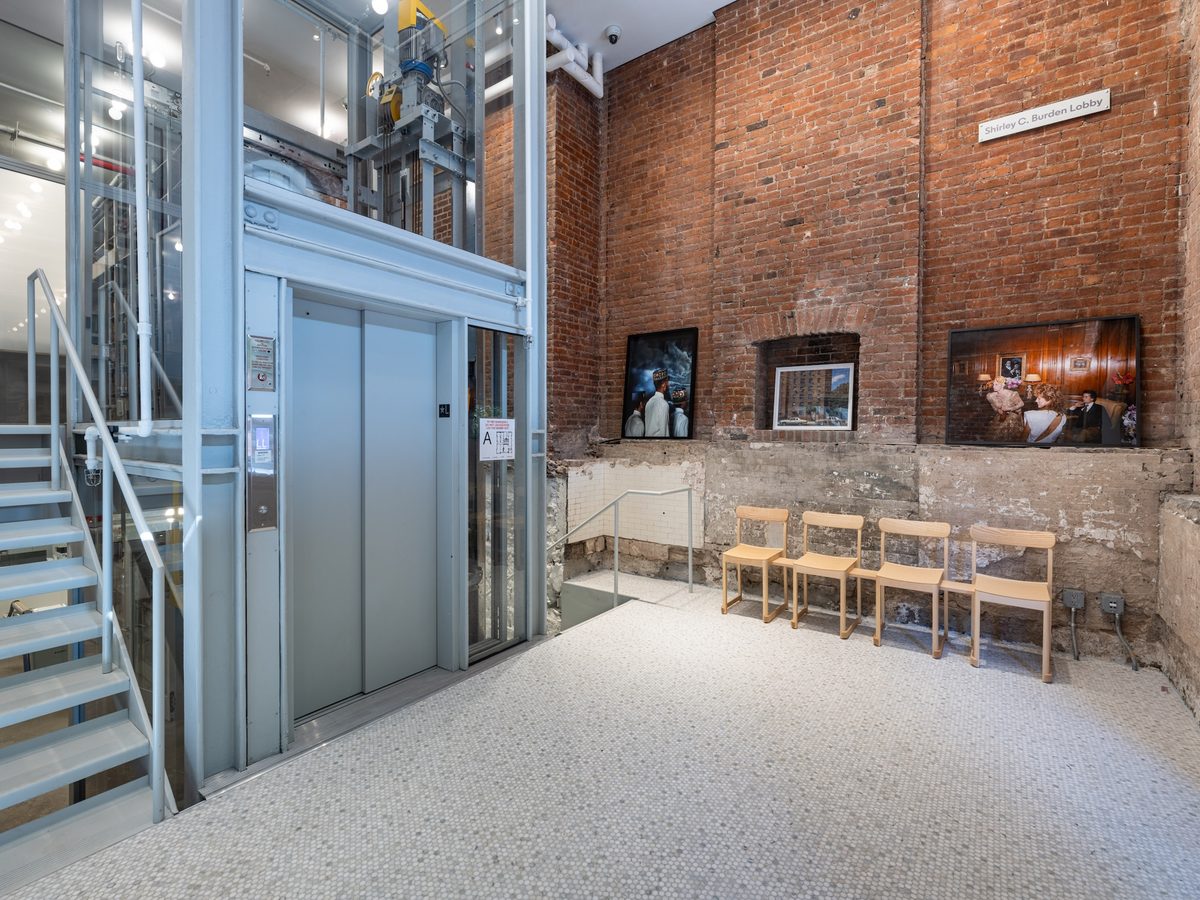
Aperture was founded in 1952 and photography has transformed almost beyond recognition since then. What does a photography institution need to be in 2026 and beyond?
One of the remarkable things about Aperture is that it was founded not around a particular technology or definition of photography, but around an idea: to create a forum for serious thinking about the medium.
Photography has changed radically since 1952, and it will continue to change in ways we cannot predict. That makes the need for places where we can think critically, creatively and collectively about images more urgent, not less.
Today, photographs are being made, circulated, manipulated and consumed at an extraordinary scale. We encounter images constantly, often without stopping to ask where they came from, who made them, what they communicate or why they affect us.
I think a photography institution in 2026 needs to encourage precisely that kind of curiosity while remaining open to what the medium can become.
For Aperture, that means supporting artists and writers, publishing ambitious work, preserving and reconsidering photography’s histories, and making room for new voices and new forms of image-making.
But it also means bringing people together. At a moment when so much of our experience of photography happens individually and through screens, there is something especially powerful about creating a physical place where people can look closely, exchange ideas, disagree, discover something unexpected and experience photography together.
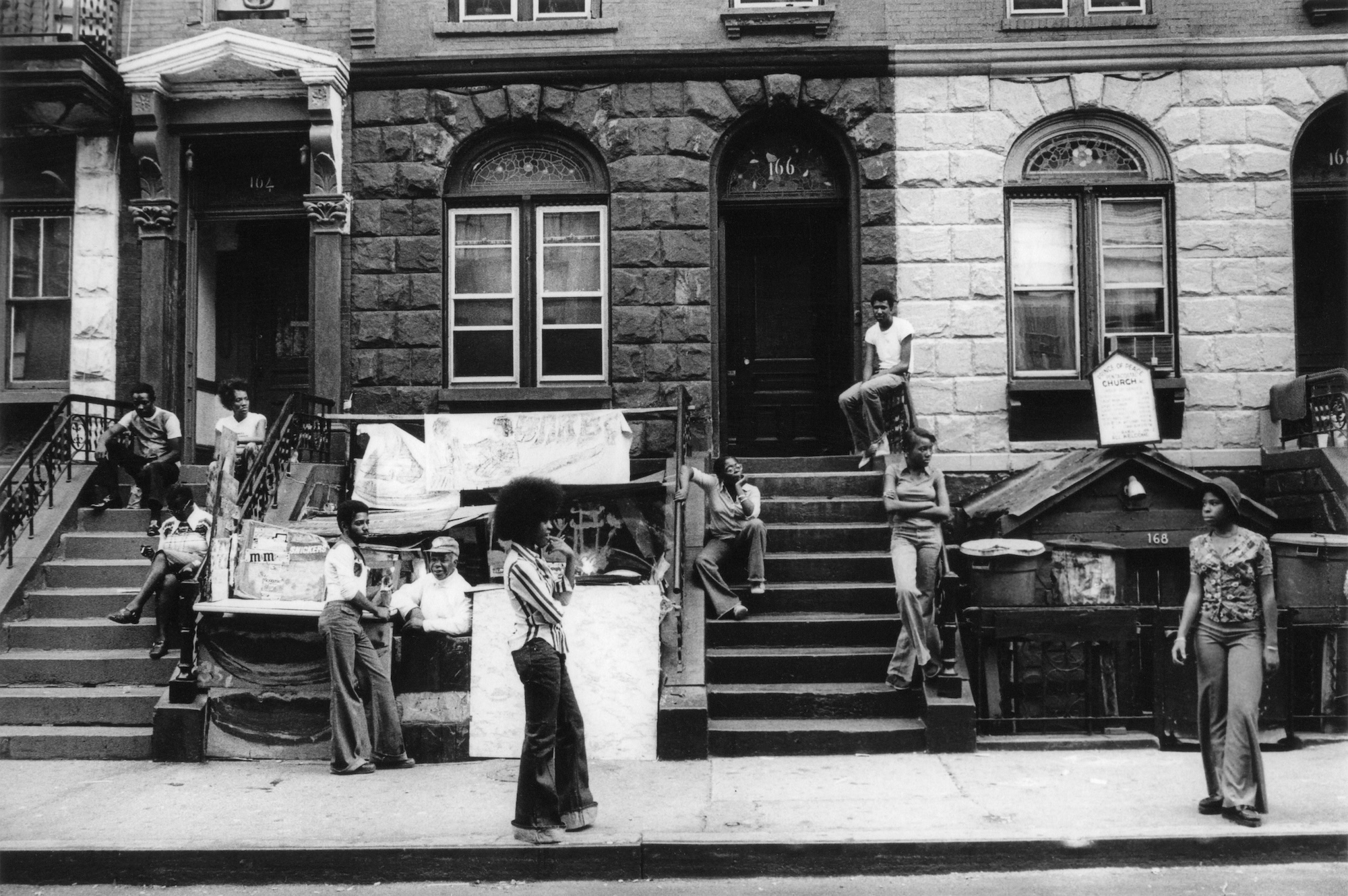
Aperture, 380 Columbus Avenue, New York, is open Wednesday–Saturday, 11AM–6PM, and Sunday, 12PM–5PM. Entry is free.
MORE: @aperturefnd