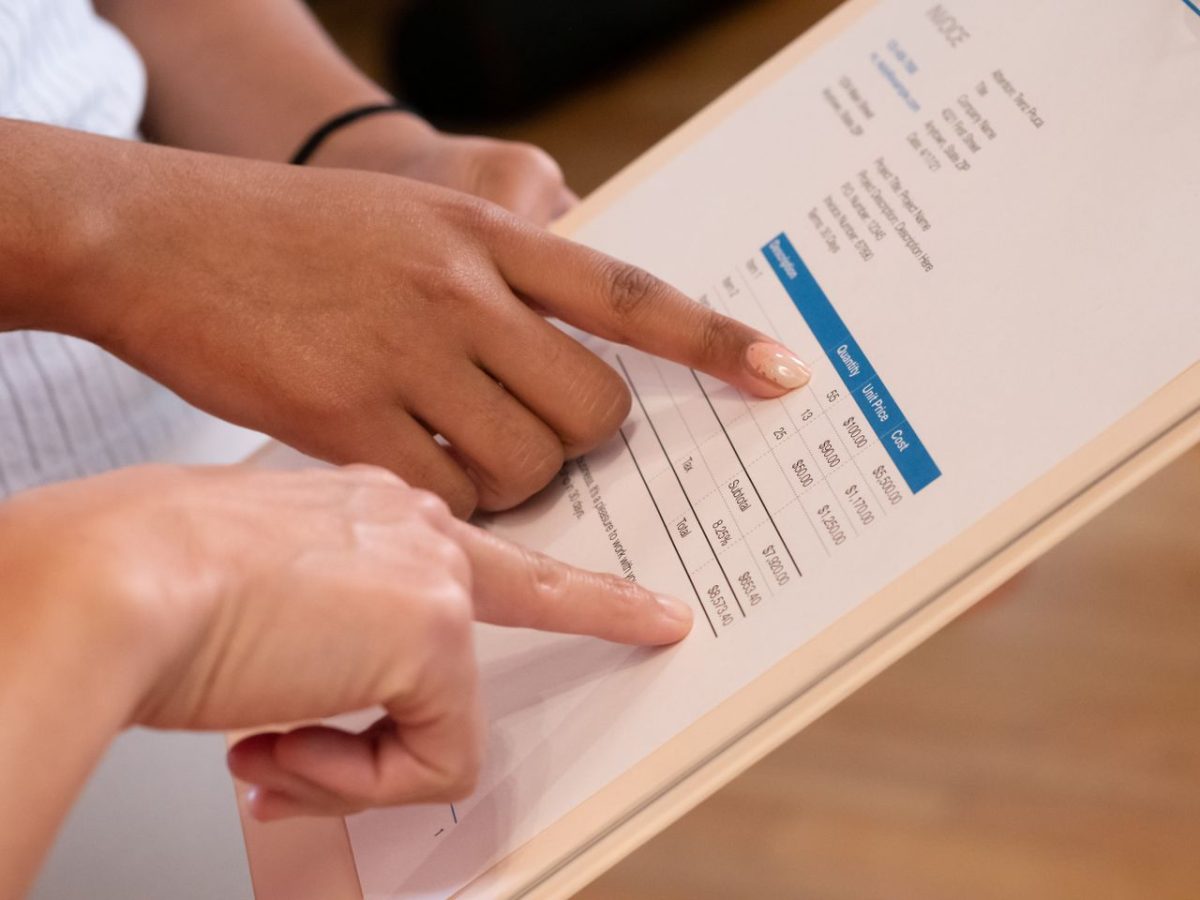
The ambulance ride is over, the car is at the repair shop, and now a different reminder of the accident starts showing up in the mailbox. There may be an emergency room bill, imaging charges, specialist appointments, physical therapy, and several smaller bills from providers you barely remember seeing.
Meanwhile, the accident claim may still be nowhere near finished. The insurance companies are investigating, treatment is continuing, and nobody has agreed on what the case is worth. Unfortunately, doctors and hospitals don’t necessarily wait for all of that to get sorted out before sending their bills.
That’s why paying car accident medical bills can become confusing so quickly. Responsibility for causing the crash and the practical question of how medical care gets paid in the meantime aren’t always resolved on the same schedule.
The At-Fault Driver Usually Doesn’t Pay the Doctor Directly
After another driver causes a crash, it seems logical that their insurance company should simply receive the medical bills and pay them as they arrive. Personal injury claims don’t always work that way.
A liability insurer will generally investigate the accident and evaluate the overall claim before resolving it. That process can take time, especially when treatment is still ongoing or there are disagreements about responsibility, injuries, or the amount of compensation being requested.
Medical providers operate on a much shorter timeline. They performed the treatment and expect payment regardless of how long the insurance investigation takes. That creates an awkward gap. Someone can have a legitimate claim against another driver while still receiving bills personally in the meantime. The existence of a claim doesn’t automatically put every medical invoice on hold until a settlement eventually arrives.
Your Own Coverage May Enter the Picture First
Depending on the circumstances and available coverage, an injured person’s own health insurance may pay accident-related medical bills before a liability claim is resolved. That can help keep treatment moving while questions about the crash are handled separately.
Other forms of insurance may also become relevant depending on the policy and state. Certain auto policies include medical-payment or similar coverage designed to address medical expenses after an accident, subject to the terms and limits of the particular policy.
Using available insurance doesn’t necessarily mean the driver who caused the collision is suddenly off the hook. It may simply determine who pays a bill first. Later, reimbursement or subrogation issues can arise when another insurer ultimately provides compensation. That’s why it’s useful to keep track of which insurer paid which expense rather than assuming every medical bill disappears permanently once an insurance company processes it.
Medical Bills Can Become Surprisingly Complicated
One hospital visit can generate several separate bills. The hospital itself may send one, while the emergency physician, radiologist, ambulance company, laboratory, or another provider sends its own. To someone recovering from an accident, it can feel like bills are appearing from everywhere.
Insurance adjustments add another layer. A provider may charge one amount, health insurance may approve another, and the patient may initially see balances that later change. Some claims may also be denied or require additional information before they’re processed.
Keeping the paperwork together makes this much easier to follow. Bills, insurance explanations of benefits, receipts, correspondence, and records showing out-of-pocket payments can help establish what was charged and what was actually paid. A stack of envelopes on the kitchen counter becomes confusing quickly. A basic record of each provider and payment can make the financial side of treatment much easier to untangle later.
Don’t Assume a Settlement Will Automatically Fix Everything
When an injury claim eventually settles, the settlement may account for medical expenses along with other legally recognized losses. But receiving settlement money doesn’t necessarily mean every outstanding medical issue automatically resolves itself.
There may still be unpaid provider balances. A health insurer may assert reimbursement rights for accident-related treatment it covered. Depending on the circumstances, medical liens or other obligations may also need to be addressed before the remaining settlement funds can be distributed.
That’s why the final numbers matter. It’s useful to know which bills were paid, which remain outstanding, and whether anyone is claiming a right to reimbursement. Otherwise, a settlement amount that initially looks substantial can become much smaller once unresolved obligations are discovered. The goal isn’t simply to know the total amount billed after the crash. It’s to know where those bills ultimately landed and what still needs attention.
Conclusion
Medical care and accident claims operate on different clocks. A doctor may expect payment within weeks, while an insurance claim can take months or longer to resolve. That timing difference is why injured people sometimes find themselves dealing with bills even when another driver appears responsible for the crash.
Health insurance, available auto coverage, provider billing arrangements, and other sources may help address expenses while the liability claim is pending. Later, some of those payments can create reimbursement questions that need to be sorted out before a case is completely finished.
The paperwork isn’t the most memorable part of recovering from a collision, but keeping track of it can save plenty of confusion. Knowing what was billed, what insurance paid, what came out of pocket, and what remains outstanding creates a much clearer financial picture. The crash happens once. Unfortunately, the bills rarely arrive that neatly.