Construction sites are busy by nature. Workers move between floors, heavy equipment operates nearby, materials arrive and disappear, and several contractors may be handling completely different jobs in the same space. When someone gets hurt, figuring out exactly what happened can become complicated almost immediately.
The first concern is obviously the injury itself. After that, questions about workers’ compensation, medical treatment, missed wages, and responsibility can start piling up quickly. What looked like a straightforward workplace accident may involve much more than the injured worker and an employer.
That’s where a Bronx construction accident lawyer can become relevant. Construction accidents can involve contractors, property owners, equipment companies, and other parties, which means sorting out the legal picture may require looking beyond the most obvious explanation for the injury.
Construction Sites Have a Lot of Moving Parts
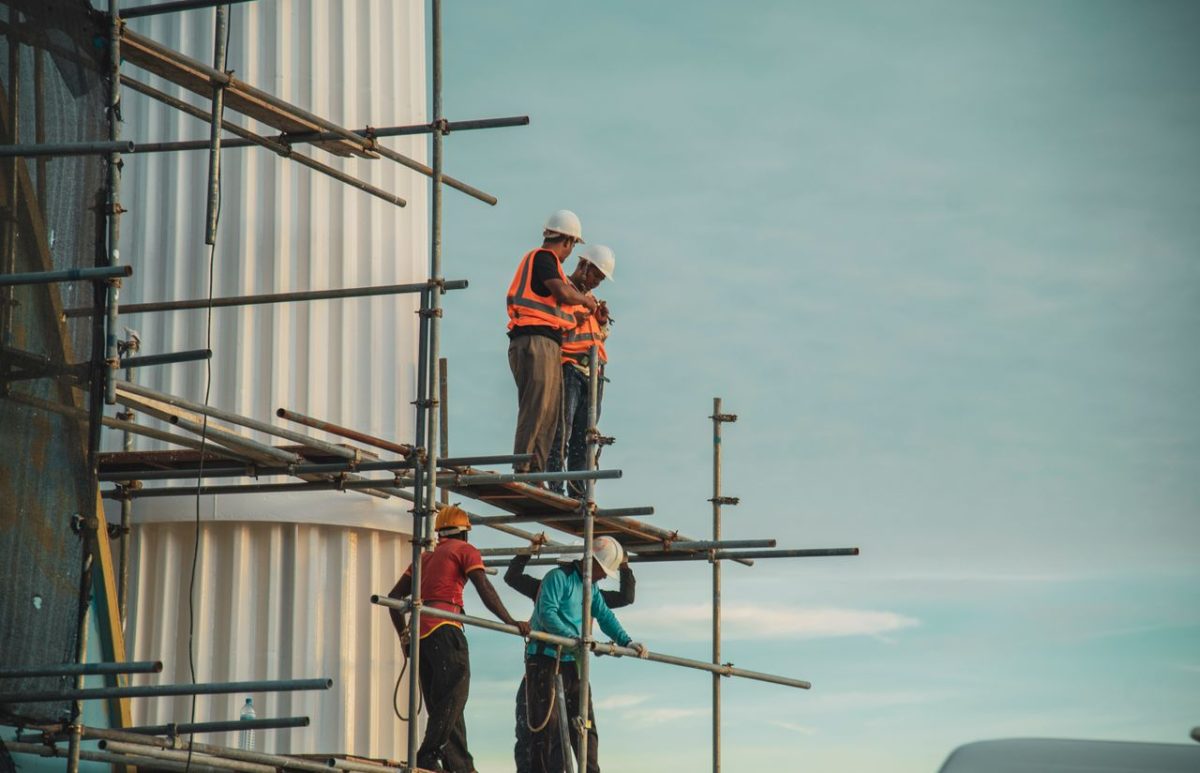
An office worker usually knows who controls the workplace around them. Construction can be very different. A large project may involve a general contractor, several subcontractors, a property owner, equipment suppliers, engineers, and workers employed by completely separate companies.
That matters when an accident happens. A worker may be injured while doing their own job because of a dangerous condition created by someone performing an entirely different job nearby. Equipment might belong to another company, scaffolding may have been installed by a separate contractor, or a hazardous area may be controlled by someone other than the worker’s direct employer.
Figuring out everyone’s role can therefore be an important early question. The company signing a worker’s paycheck isn’t necessarily the only organization connected with the conditions that caused the injury. Construction projects can spread responsibility across several different businesses operating on the same site.
Workers’ Compensation May Not Be the Only Issue
Workers’ compensation is designed to provide certain benefits when employees are injured in connection with their jobs. That can include medical care and some replacement for lost wages, subject to the rules and circumstances involved.
But a workplace injury can sometimes involve another person or company that isn’t the injured worker’s employer. Imagine defective equipment causes an accident, or a separate contractor creates a dangerous condition that injures someone working nearby. Those circumstances can raise questions beyond the workers’ compensation system.
This distinction can matter because different claims can involve different legal rules and available forms of compensation. It doesn’t mean every construction injury automatically creates a separate lawsuit against someone else. It means the facts deserve a closer look before assuming workers’ compensation is the beginning and end of the matter. Knowing who controlled the work, equipment, and dangerous condition can change the picture considerably.
The Scene May Look Different Tomorrow
Construction sites change constantly. The ladder involved in an accident can be moved. A damaged piece of equipment may be repaired. Materials can disappear, temporary barriers can come down, and the area where someone fell may look completely different by the following morning.
That makes early documentation especially valuable. Photographs and video can capture the condition of the site before work continues. Witnesses may remember who was present, what equipment was being used, and what happened immediately before the injury.
Project records can add another layer. Safety documents, inspection information, contracts, work assignments, equipment records, and communications may help establish who was responsible for different parts of the job. Medical records document the injury itself and how treatment developed afterward. Preserving these details can turn a confusing accident scene into a much clearer sequence of events once the immediate emergency has passed.
New York Construction Law Can Add Another Layer
Construction accident cases in New York can involve laws and legal principles that aren’t necessarily familiar to someone dealing with an ordinary workplace injury. The type of work being performed, how the accident occurred, and which parties controlled the project can all become important.
Falls from heights are a familiar example of construction risk, but accidents can also involve falling objects, unsafe equipment, electrical hazards, machinery, collapsing structures, or dangerous conditions around the work area. Different circumstances can raise different legal questions.
That’s one reason these cases can’t always be evaluated by looking at the injury alone. Investigators may need to examine contracts, ownership, supervision, safety equipment, and the worker’s specific task when the accident occurred. Two people can suffer similar injuries on different construction sites while facing very different legal situations because the circumstances surrounding those injuries aren’t the same.
Conclusion
A construction injury may happen in seconds, but figuring out responsibility can require looking at an entire project. The employer is one piece of that picture, yet contractors, owners, equipment companies, and other businesses may also have played roles in creating or controlling the conditions on the site.
Workers’ compensation can be important after a workplace injury, but it doesn’t automatically answer every question. The possibility that another party contributed to the accident may need to be examined separately, particularly on a site where several companies were working alongside one another.
The changing nature of construction makes timing important too. Equipment gets moved, conditions change, and witnesses eventually leave for other projects. Preserving what happened while the details are still available can make a major difference. Before deciding an accident was simply part of a dangerous job, it helps to know who was responsible for making that particular job safer.