Gambling imagery has long captivated audiences, moving far beyond the walls of casinos into contemporary art of all forms. And sometimes, it’s there without you even noticing that it’s inspired by classic casino aesthetics!
The art isn’t always clearly a casino building. Symbols of luck and reward resonate universally, for example, horseshoes or slot levels, making them powerful tools for artists and creators who want to send messages or just give off a luxurious vibe.
Whether through the red and black hues of a roulette wheel or the flashy symbols of a slot machine, these visuals evoke tension and excitement, and when you know what to look for, you’ll see them everywhere. Here’s what you need to know.
The Colours and Symbols of Gambling
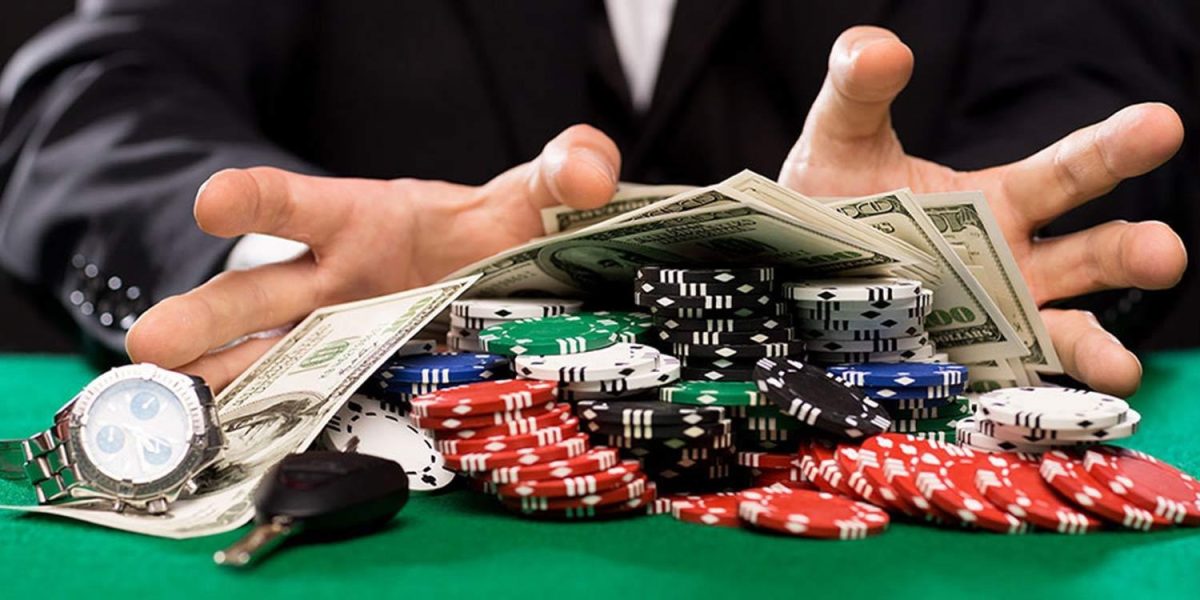
Gambling iconography often relies on bold, striking visuals. To be clear, when we say ‘iconography,’ we mean the colours and symbols used in casinos and on typical games. For example, blackjack, roulette, and slots, rather than new crash games or sports betting.
For example, gambling colour palettes include reds, blacks, golds, and neon tones, which convey excitement and danger. According to colour psychology, red evokes lust or even anger, whereas gold and purple link to wealth. Neon tones simply grab your attention! You’ll often see flash colours on adverts or when looking for promotions, such as a full list of 10 free spins bonuses.
Beyond colours, gambling aesthetics often have a running order of reused symbols. This just means the same motifs pop up in many games. Iconic symbols such as dice, playing cards, roulette wheels, poker chips, fruits, golden bars, and fire have become instantly recognisable — especially in the slot machine world for the last few on the list.
Matthew Gover, Online Casino Expert at Mr. Gamble explained that “These symbols don’t appear again and again for no reason. The minds behind top casino games pick these symbols because they subtly communicate themes of chance and reward. This means they send messages that transcend different languages and cultures.”
Table Games vs Slot Machines: Two Distinct Aesthetics
Above, we listed some of the most common symbols in both slots and table games. While there are some motifs that pop up in both categories, some are very different. Here’s a quick look at the main differences between these casino games.
| Table Games | Slot Machines |
| Classic, elegant visuals (For example, rich colours, plush green felt, polished wood) | Bright, animated, and highly stylised — often ranging lots of different themes (e.g. Ancient Egypt, fishing, Greek mythology, and even horror/0 |
| Symbols like cards, chips, roulette wheels, balls, and dice | Symbols like fruits, gems, themed icons |
| Associated with strategy and sophistication — think James Bond or glizy galas | Associated with chance, speed, and excitement |
| Traditional colour schemes that are mostly red, black, green, and gold | Neon colours, flashing lights, dynamic visuals |
Generally, table games hint at luxury, tradition and skill, while slots focus on immediate gratification and excitement. Both aesthetics have been appropriated in art, fashion, and digital media, and we’ll explain the main examples of these all below.
Gambling Iconography in Contemporary Art
Artists, no matter the niche, have long used casino visuals to explore broader themes such as risk, capitalism, luxury, and human behaviour. Yes, casino icons can lead to art that deep!
Across most art inspired by casinos, the finished images tend to feature dice, abstract representations of playing cards, glamorous people playing casino games, or interactive digital roulette wheels. Some have small elements of each, and others a mix of everything.
Slots aren’t immune to the art world. Street artists and digital creators, especially graphical artists, use neon lights and animated slot icons to comment on luck, excess, and consumer culture.
As you may have noticed, these casino art pieces usually have an aim to make modern social commentary, and even when they don’t, the aim is to usually show sophistication.
Other Artistic Influences of Art
Jonas Kyllönen, Online Casino Expert at Mr Gamble, noted that “Though there are many examples of casino icons in contemporary art, they also pop up frequently on the big screen and in other modern art forms, such as social media. We see these mentioned frequently while reviewing casinos and researching the latest industry trends.”
Cinema
Film frequently draws on gambling imagery to convey wealth and unpredictability. For instance, classic poker scenes, roulette tables, and high-stakes casinos are used as visual metaphors for human ambition. Movies such as Casino and Ocean’s Eleven are key examples of how casinos can set the stage for big action.
Social Media
Some may argue that social media is not art, but it technically can count, and on social media, short-form videos, memes, and influencer content often borrow casino-style visuals and sounds to communicate big themes or even just flashy entertainment. Common symbols to look for include spinning wheels, neon graphics, chips, and slot machine symbols.
The Pros and Cons of Promoting Gambling Imagery
Like any conversation around the gambling industry, people tend to have strong opinions. Here’s what critics on both sides say.
| Pros | Cons |
| Iconography is visually striking and culturally recognisable | May normalise or glamorise gambling, which can lead to financial risk |
| SIt symbolises risk, luck, and starts conversations around human decision-making | Can appeal to vulnerable or younger audiences |
| Useful for storytelling in art and media | May blur line between entertainment and real risk as it does not show the harms |
| Drives engagement and aesthetic appeal across all languages |
Conclusion
Gambling imagery remains powerful because it taps into universal ideas of chance and reward, two topics humans love to consider. Yet as these symbols become more prominent, artists and creators face the challenge of balancing visuals with responsible representation, especially as the conversation around responsible gambling grows.