Recognition struggles to travel. This is true for artist Konrad Mägi, household name in Estonia, but largely unknown in the UK. As you walk through Mägi’s first major exhibition here, you find yourself rooting for him as he finds his place within Modernism.
The Dulwich Picture Gallery opened their doors to Mägi, as part of their programme to rediscover and provide new perspectives on overlooked artists of the past. Magdaleena Maasik, exhibition coordinator at Kumu Art Museum in Estonia, announced at the press opening “Konrad Mägi has finally come to England”.
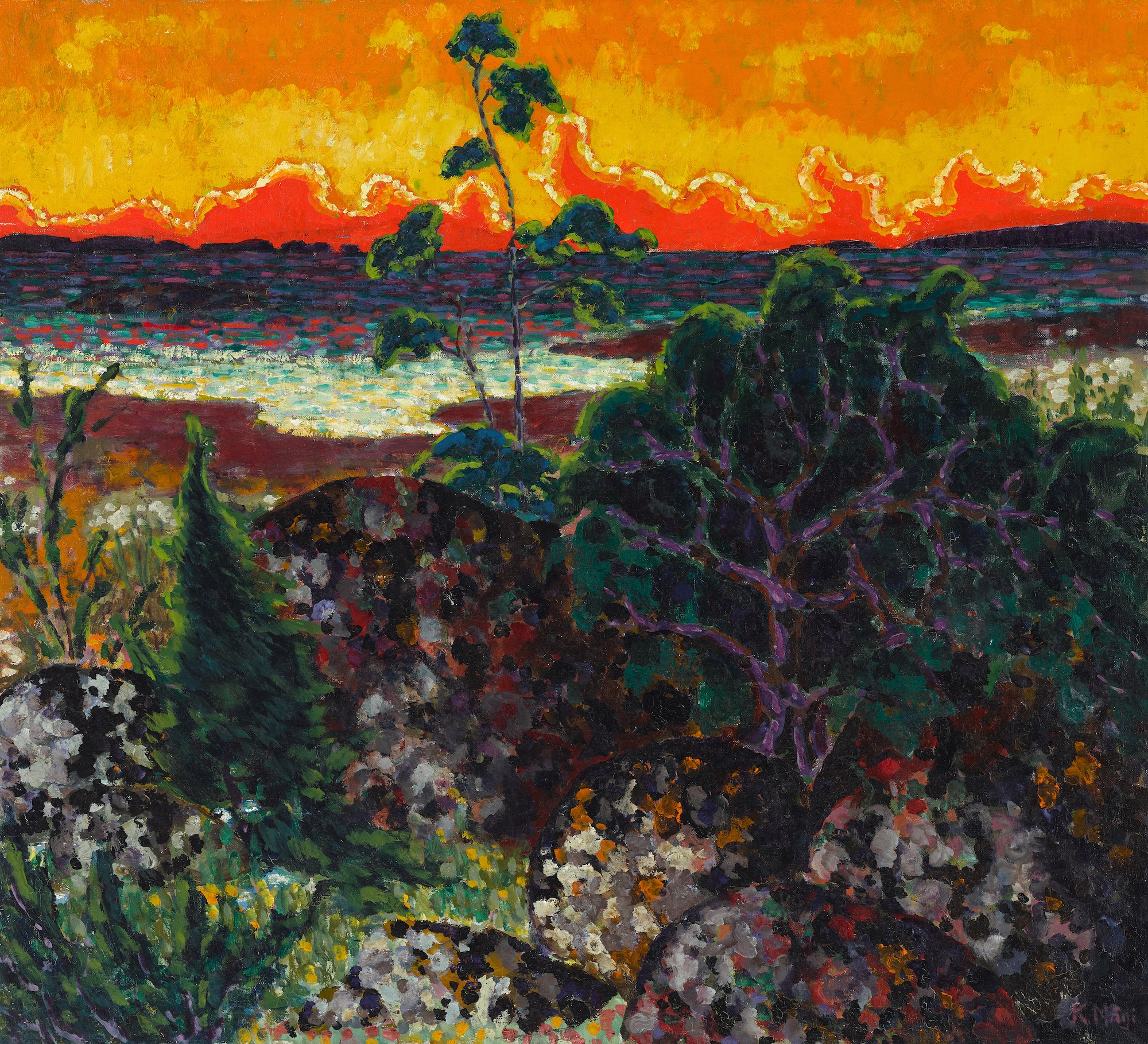
It feels like we’ve seen Mägi’s early work before. The landscapes demonstrate an artist at the beginning of their practice, inspired by and referencing styles around them. Mostly, he opts for pointillism where colour is applied in precise dots and, like fauvism, colour communicates emotional interiority. This is an artist working during one of the most interesting shifts in art, where realistic painting was being rejected more than ever.
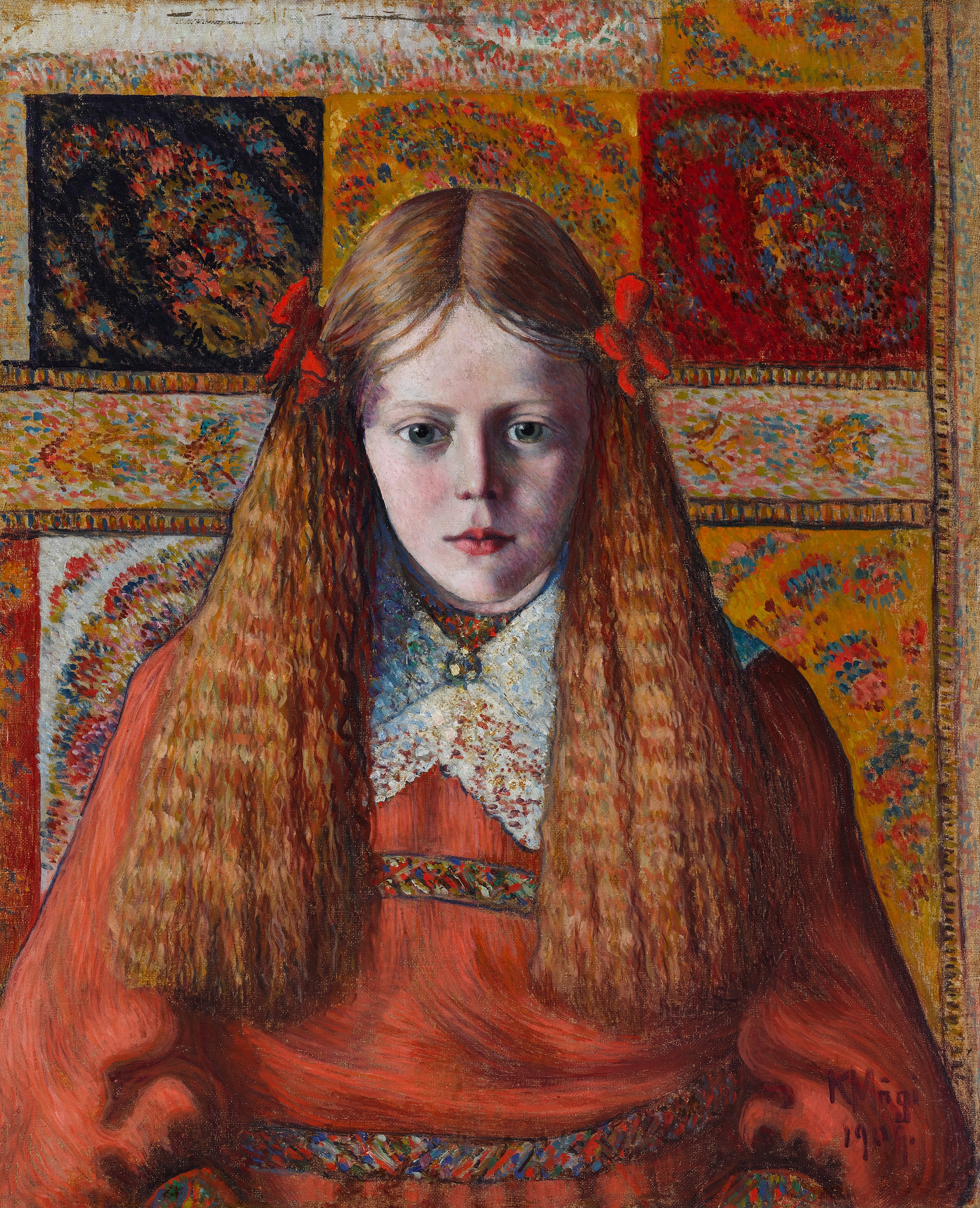
In the same room, three paintings feel different to the rest. A woman with long silk-like hair meditates near a lake, similar to symbolist artist Gustav Klimt. In another, a young girl with a tired stare is flooded with the red of her communist father; red hair, red bows, red dress, and a red decorative background. Then there is a striking still life of Estonian lilacs. Amongst these three paintings, a specificity and uniqueness peeks through.
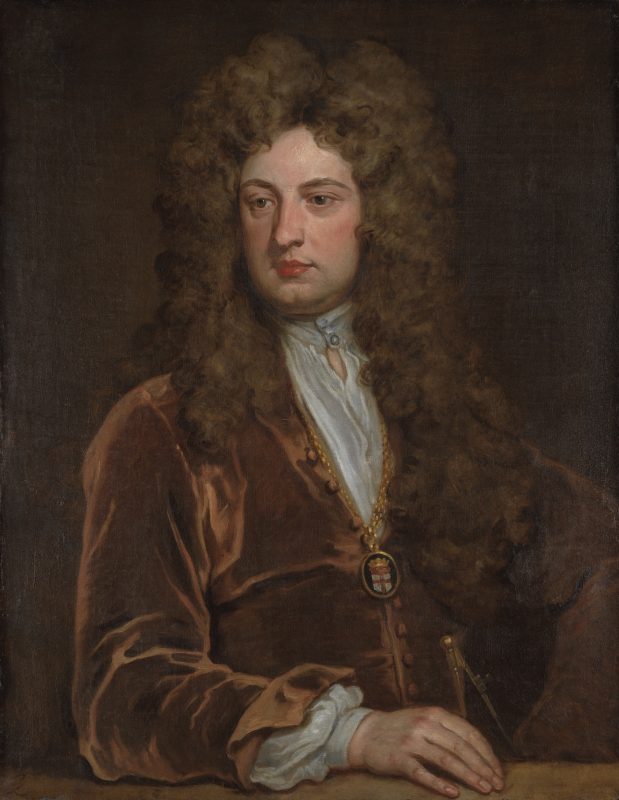
There is a collection of lesser-known portrait work, many of which are commissions, and we see Mägi’s style waver. For one of the more realistic portraits, he complains “the whole undertaking gives relatively little pleasure.” Pointillism returns and there are also references to Cubism, Japanese print and German expressionism. He seems attracted to styles that break convention, trying them on, and perhaps looking for one that feels like Mägi.
The portraits where we see Mägi the most are the ones that aren’t commissions. Colour communicates emotion, eyes appear distant, and there is a very subtle political undertone. I find myself rooting for this specificity, wishing I was there to encourage him myself.
The gallery also includes work by contemporary Estonian artist Kristina Õllek, whose sculpture occupies the mausoleum space. Where Mägi pictorially plays with the Estonian landscape, Õllek partners with it, using salt from the Baltic Sea and limestone from Saaremaa island. The pairing leaves me wondering how our relationship to nature has shifted across the century that separates them.
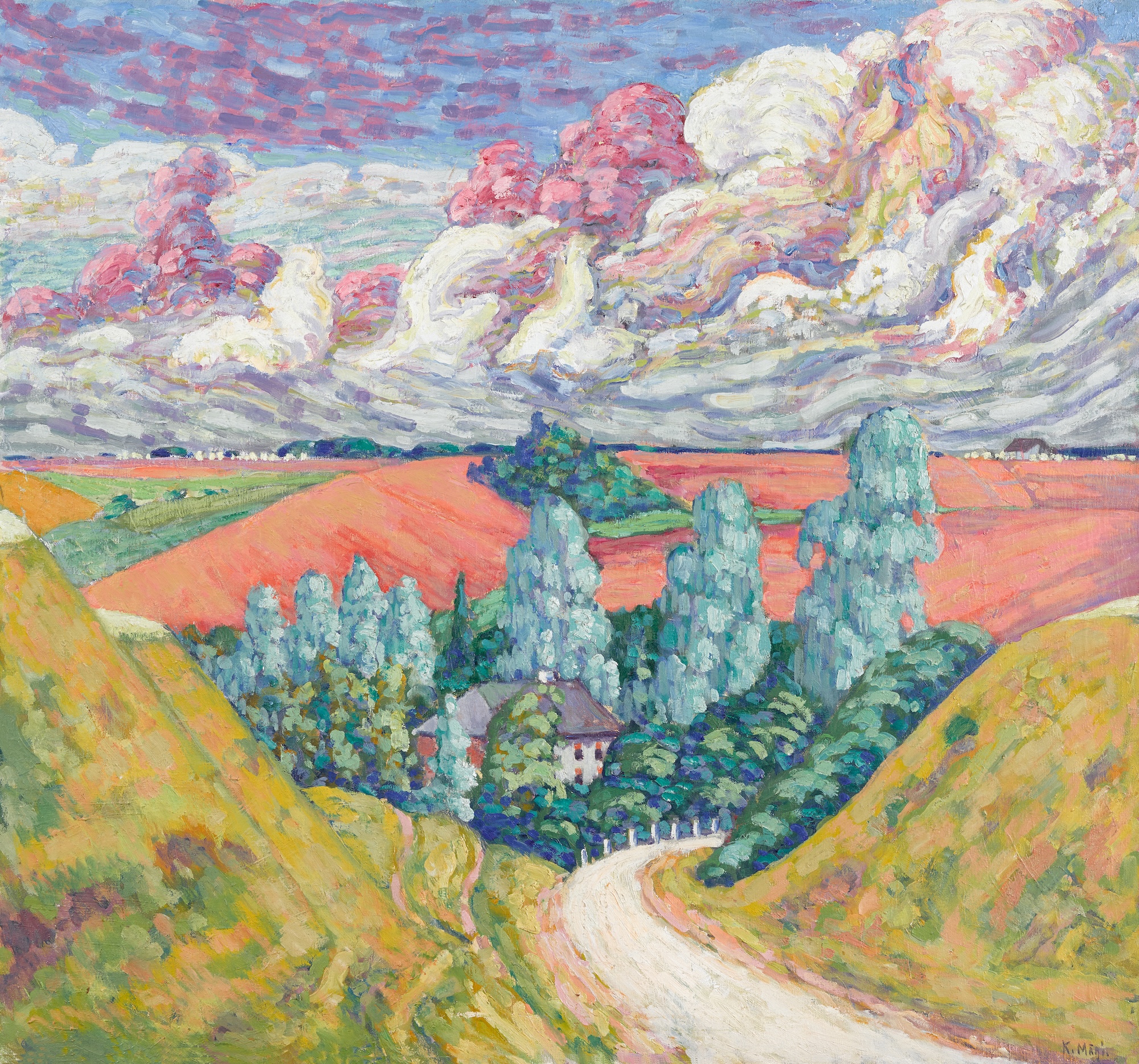
Mägi’s later work favours his pointillism and fauvism inspired landscapes. Despite the colourful and energetic vistas, we are told about his increasing struggles with his physical and mental health. The tale of an artist trying to find their place in the world feels as much the allure, as the work itself.
A quote from Mägi haunts the bright space, “art is the only way out: at the moment when the soul is filled with life’s eternal suffering, art provides us with that which life cannot offer.” Nature is a refuge, and it feels like Mägi’s distinctiveness is at times lost to it. The exhibition is a beautiful reflection of an artist in search of himself, and it leaves you hoping he found it.
Konrad Mägi, 24th March — 12th July 2026, Dulwich Picture Gallery