There’s something undeniably captivating about holding a piece of ancient jewelry. It’s more than metal or stone, it’s a small fragment of history, shaped by hands that no longer exist, worn by someone whose story we’ll never fully know.
For collectors, that mystery is part of the magic. Authentic ancient pieces offer a tangible connection to lost civilizations, rich cultures, and artistic traditions that still echo through time. They aren’t just beautiful; they carry emotional and historical depth.
This article explores what experienced collectors look for when searching for truly authentic ancient jewelry—from craftsmanship and provenance to rarity and emotional resonance. Because for those who collect with care, history is something you can hold.
1. Historical Significance and Provenance
The first thing most collectors want to know is where a piece came from and who may have worn it. Ancient rings and jewelry aren’t just decorative—they often carry historical context, symbols of royalty, religious devotion, or societal status. A Roman bronze ring may hint at centuries of empire, while a Byzantine cross pendant might reflect early Christianity’s rise.
Provenance (the documented history of ownership) adds tremendous value. Collectors look for pieces that come with reliable information about origin, excavation sites, or previous owners. Without a story, the value becomes harder to validate. When history is woven into the jewelry, it becomes more than an object—it becomes a conversation across time.
2. Authentic Craftsmanship and Materials
One of the most important signs of authenticity lies in the materials and how they were shaped. Ancient jewelry was crafted by hand—no automation, no shortcuts. Natural wear, asymmetry, and tool marks often reveal that the piece is genuinely old. Materials like bronze, gold, and ancient gemstones should show subtle age indicators, not factory-polished finishes.
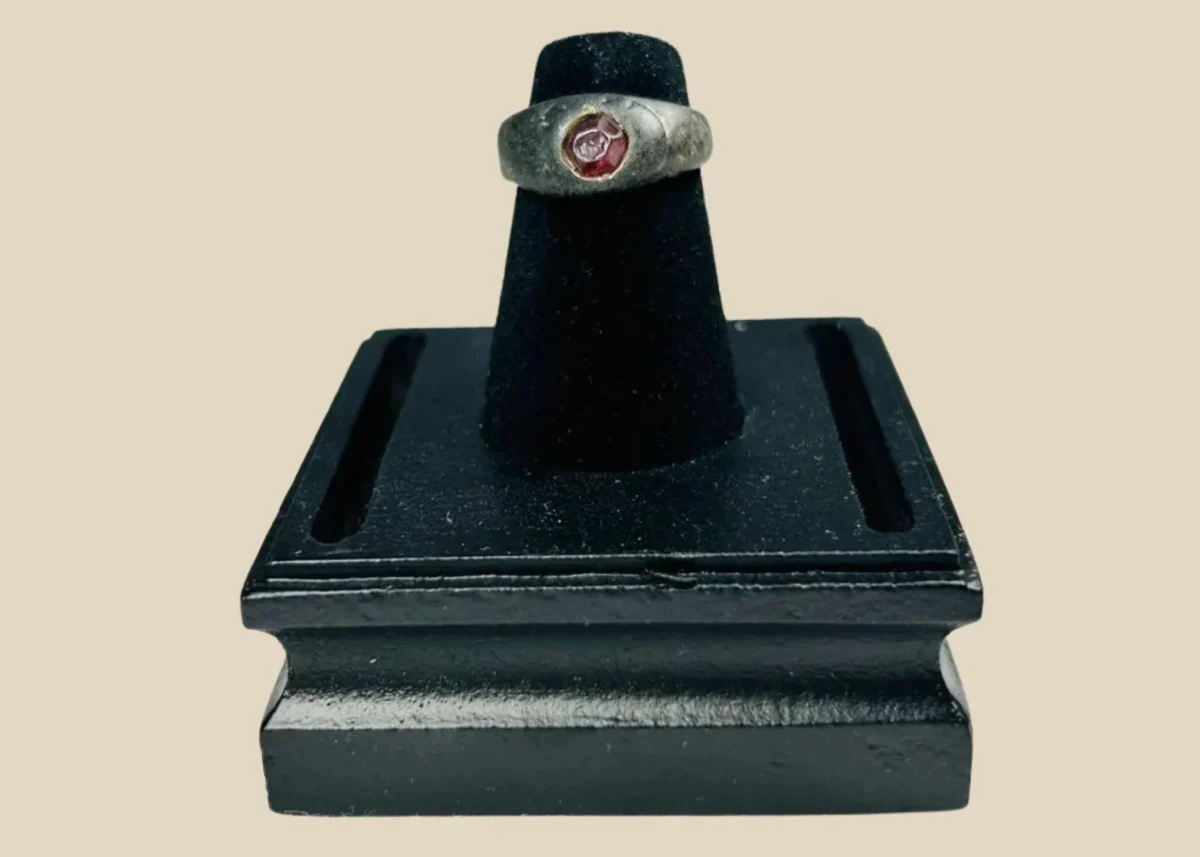
This is why many collectors turn to trusted collector sources like Relic & Rarity, which specialize in verified ancient pieces curated for authenticity and historical significance. For example, collections featuring authentic ancient rings for collectors often highlight handcrafted relics from civilizations like Rome, Byzantium, or the Medieval world. These rings are evaluated for design technique, historical styling, and material origin—giving collectors confidence that they’re holding something truly historic.
For collectors, the goal isn’t perfection—it’s authenticity. A ring with worn edges or a patina tells a richer story than a flawless reproduction ever could.
3. Verified Documentation and Ethical Sourcing
Legitimacy is everything in this space. Serious collectors aren’t just hunting for aesthetics—they’re seeking ethical, legally sourced pieces with proper documentation. That includes:
- Certificates of authenticity
- Export/import history
- Expert analysis or appraisal documentation
Ethically sourced ancient jewelry ensures the piece hasn’t been looted or pulled from illegal markets. Many collectors even prefer items from trusted curators who disclose acquisition history and comply with international preservation standards. It’s not just about what the item is—it’s about how it made its way into your hands.
4. Wearability Without Compromising Integrity
Many collectors want to wear their ancient jewelry, not just display it in a case. That said, they still want it to feel special and intact. Restoration is often necessary to reinforce weak points or adjust sizing, but it should always respect the original design and materials.
Collectors appreciate it when the structure is stabilized without erasing history. A resized ring that retains its original bezel, for instance, holds far more value than one that’s been fully reworked.
It’s all about balance—comfort meets conservation. The right piece should feel wearable while still holding the quiet weight of its past.
5. Emotional Resonance and Timeless Aesthetic
Every collector eventually finds the one—a piece that speaks to something personal. Maybe it’s the carving of a lion that symbolizes strength. Maybe it’s the delicately worn design of a goddess or spiritual motif.
Authentic ancient jewelry has a way of connecting with people beyond logic—it feels like it was waiting for the right person to rediscover it.
Collectors aren’t always buying for monetary value. Sometimes, they’re drawn to a story, a memory, or a feeling. That emotional connection often plays a stronger role than rarity or materials. The best pieces blend historical significance with a timeless design that still resonates today.
6. Rarity and Long-Term Value
Let’s not ignore the investment side. Ancient rings and jewelry that are well-preserved, rare, and culturally meaningful often hold strong market value, especially when demand grows among private collectors, galleries, and institutions.
Rarity comes in many forms: a unique stone cut, a one-of-a-kind engraving, or even the specific region it came from. Collectors who choose wisely often find that their pieces appreciate in both financial and cultural value over time.
The combination of authenticity, documentation, and scarcity makes ancient jewelry a thoughtful, long-term addition to any collection.
Conclusion: Choosing Pieces That Tell a Story
Truly authentic ancient jewelry isn’t about perfection—it’s about connection. Collectors look for history they can wear, hold, and pass on. From the material’s age to the story behind its design, every detail adds a layer of meaning.
Whether it’s a centuries-old ring, a forgotten symbol of devotion, or a rare artifact from a distant civilization, the value lies in what the piece represents. And for those who collect with care and curiosity, that meaning never fades.