
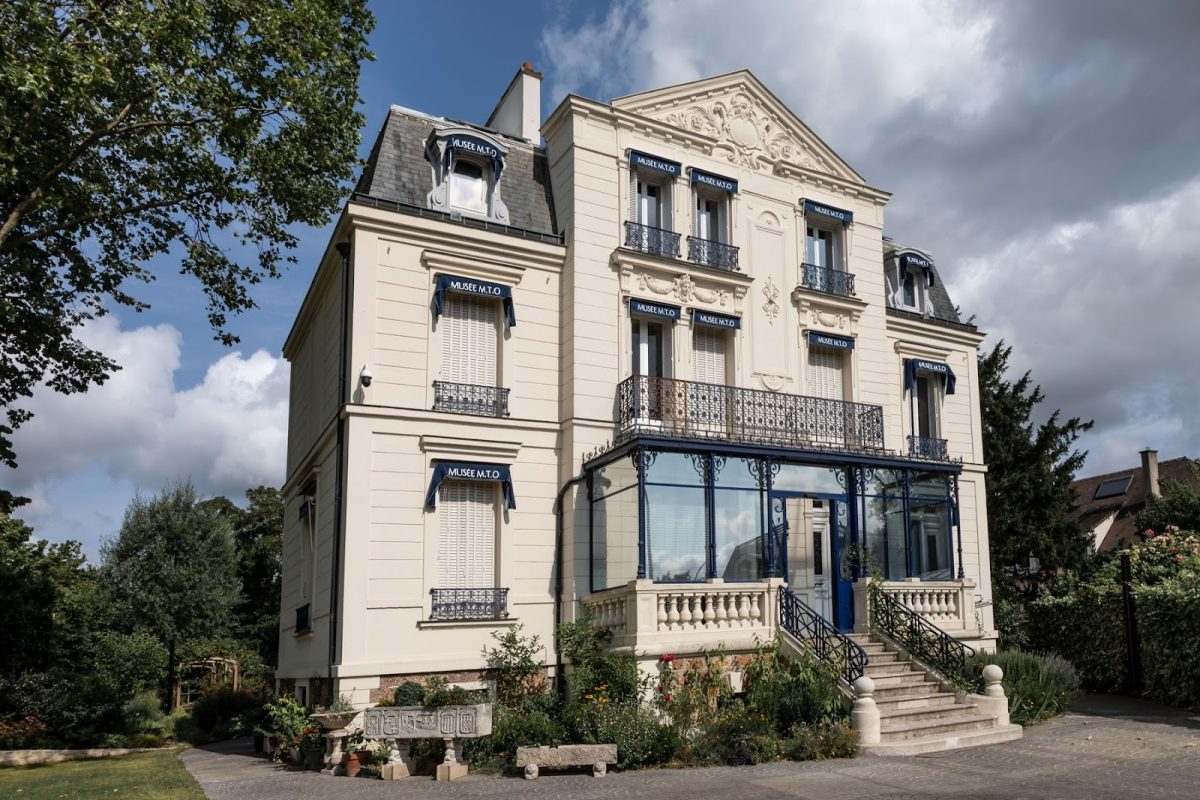
Paris is not short of museums, but in 2024, it welcomed a unique addition: the world’s first museum dedicated to Sufi art and culture. In a 19th-century mansion on the western edges of Paris, where Persian gardens meet French landscaping and ancient wisdom encounters contemporary art, resides the Musée d’Art et de Culture Soufis MTO.
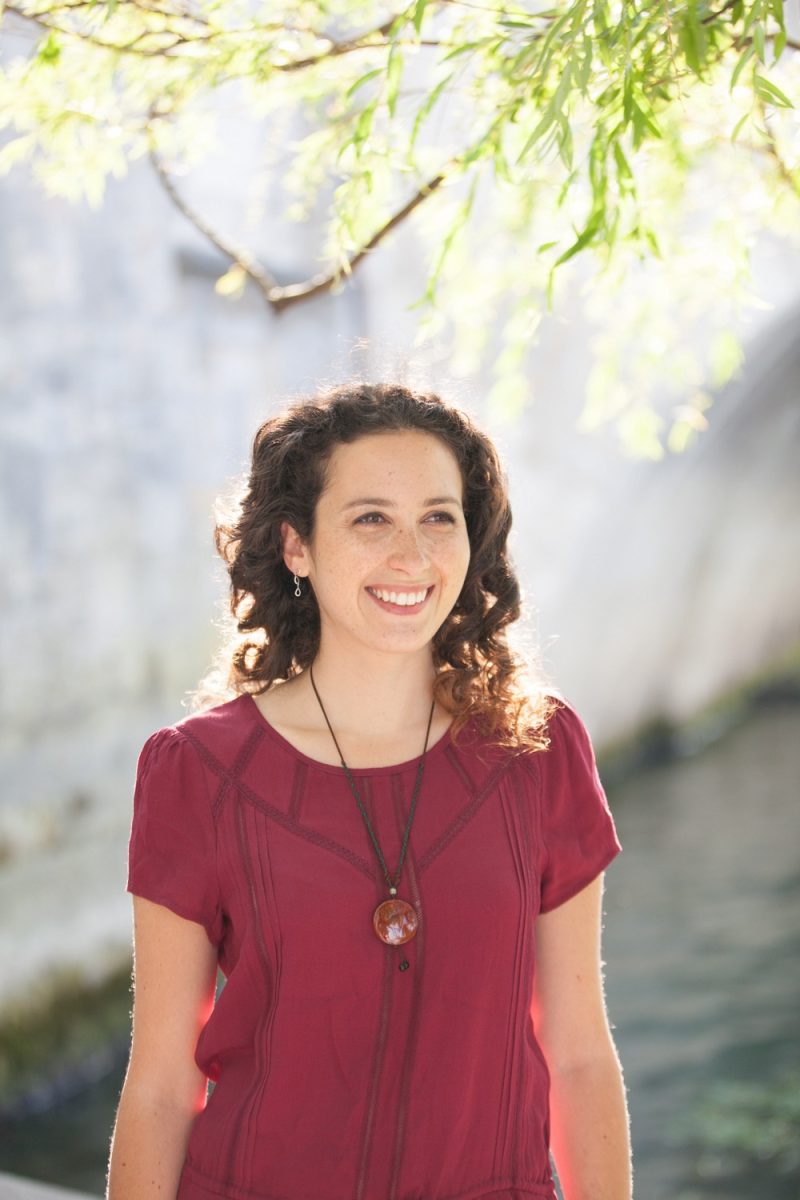
We spoke with Claire Bay, the president of the board, to learn about the museum’s origins, its mission, and what’s next for this new museum.
Laying the museum’s foundations
“The idea to establish an independent museum dedicated to Sufi art and culture originated with Sufi Master Hazrat Shah Maghsoud Sadegh Angha in the 1970s, and we started refurbishing the building in 2014. The building was previously a private residence and was purchased to be transformed into a museum. As we established the museum board, I started serving as president.” says Claire. “I’m also on the board of the cultural association of MTO Shahmaghsoudi, it’s a branch of this school of Islamic Sufism, whose role is to provide cultural activities around Sufism”.
The museum was first envisioned by a Sufi master from this school, as hinted at by the MTO in its title.
But why here, in the suburbs, rather than the cultural heart of Paris?
“We wanted to be close to Paris because the city has a cultural effervescence. But there’s no way we could have a garden like this in the centre of Paris. As we searched a little further, we came across this ideal place. It has proximity to Paris, amazing natural surroundings, and an artistic history, as it’s close to the Ile des Impressionistes – the famous island where the Impressionists used to come to paint”.
Making Sufism accessible to all
We asked Claire, How did you create an accessible museum for an audience that may not be familiar with Sufism? In response, she said,
“When we were designing the museum, we had a choice. We could have decided to be a museum of the history and geographies of Sufism, but we chose not to, as it would be impossible to be exhaustive”. Instead, “We decided to be a museum on the most timeless and universal aspects of Sufism that everyone can understand and place in the present time”
“The founding team chose to explore these universal aspects through a dialogue with contemporary art, and this became the identity of the museum. It will bring all the richness of Sufism to a vast audience through an angle that everybody can easily approach. You don’t need to know anything about Sufism to understand the concept of self-transformation. It’s a place for inspiration and exploration”
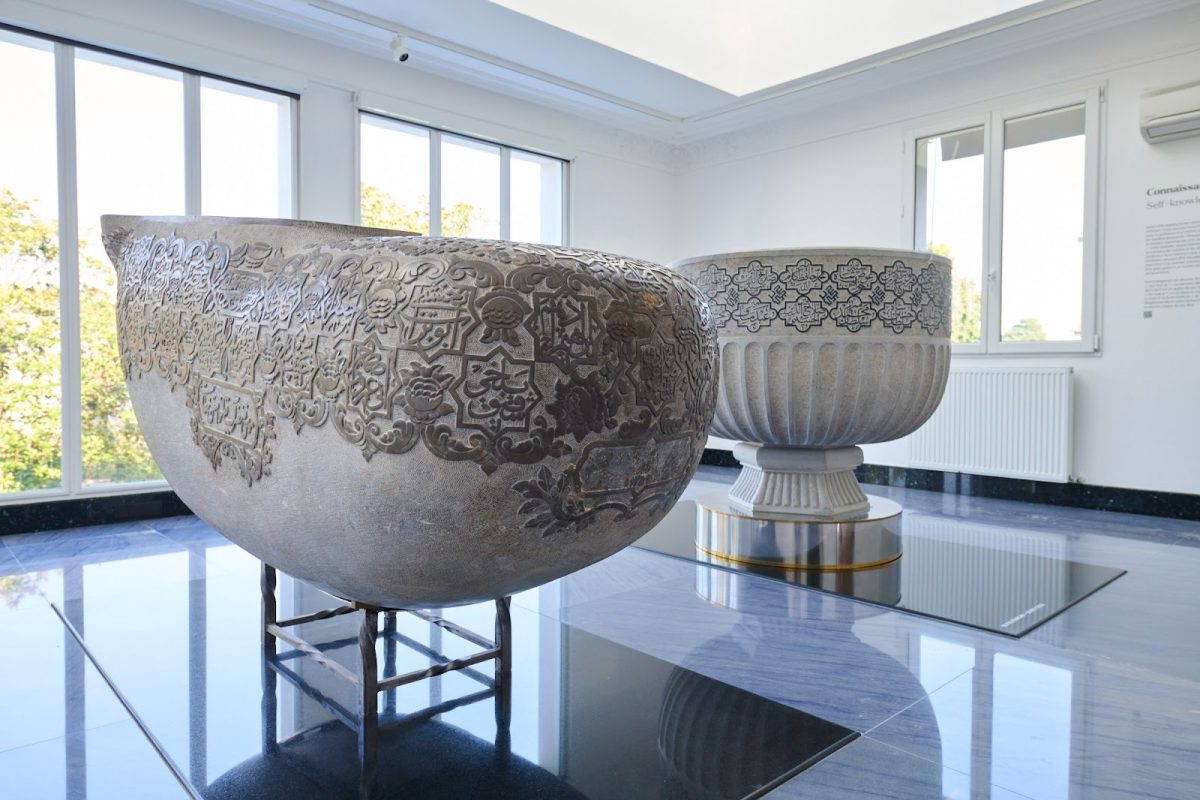
Each exhibition runs for roughly half a year, though Bay notes the plan is eventually to move to annual shows. Exhibitions are conceived in collaboration with guest curators, artists, researchers, and advisors who shape each show in dialogue with the permanent collection, the latter on loan from the MTO Shahmaghsoudi school of Islamic Sufism.
This philosophy of openness and accessibility extends to the selection of artists. When asked whether participating artists must be of Islamic faith, Bay answers, “It’s a small minority of artists that are from the Islamic faith, and this is not a prerequisite. In the first exhibition, there was one artist, and in this exhibition, there are none. However, they will be inspired by Sufism in their practice because it resonates with their own concepts. That’s the beauty of the dialogue”.
The result? “You have artists from completely different cultures and spiritualities who still find commonalities and harmony in the museum. You start to touch on something universal and timeless”.
A Garden of Two Worlds
The garden is another highlight and serves as an extension of the philosophy of making Sufism accessible to all. “The garden is of French and Persian inspiration. It has plants from all over the world. There are hundreds of fragrances. We wanted it to have both characteristics of Western and Eastern gardens. A Western element is the path that lets you stroll around the garden. While the central water piece is very typical of a Persian Garden”.
The eight-pointed star water feature has its roots in Islamic history, but its angular design feels distinctly contemporary. This was a purposeful decision by the museum team as Claire expands, “This and other works in the collection have been selected to show that Sufism is not simply historic, it’s also contemporary and forward-looking”.
Building upon the museum’s foundations
Opening any new museum is daunting, but opening the world’s first museum dedicated to Sufi art and culture in a city already saturated with cultural institutions? Bay approaches this challenge with measured optimism.
“When you’re starting a new museum, it takes a while to establish itself, especially in a city full of museums. While there have been visitors from Paris and surrounding cities, our museum has also attracted international visitors, which is very promising”. This included people who had read about the museum in national and international newspapers.
The museum offers workshops and guided tours to attract new audiences, and in a generous gesture, keeps the garden free to explore while charging for admission only for the indoor exhibitions.
On a sweltering Paris day, the museum feels like a sanctuary – a welcome respite from the bustle and heat of central Paris. It’s a place for reflection, where you can learn about Sufi Islam and enjoy the scents and beauty of its gardens.
As our conversation draws to a close, it’s clear from speaking with Claire that the museum’s ethos is to create a space where visitors from any background can experience art that resonates with them. In a city already rich with artistic treasures, the Musée d’Art et de Culture Soufis MTO offers a unique experience. We hope it’s a success and attracts more visitors as word of its existence spreads – both locally and internationally.
The Musée d’Art et de Culture Soufis MTO® (MACS MTO®) is located on the Western outskirts of Paris. Exhibitions are ticketed and entry to the gardens is free. The current exhibition, ‘Resonant: Bodies, Songs, and Strings’, is on display until 4 January 2026.
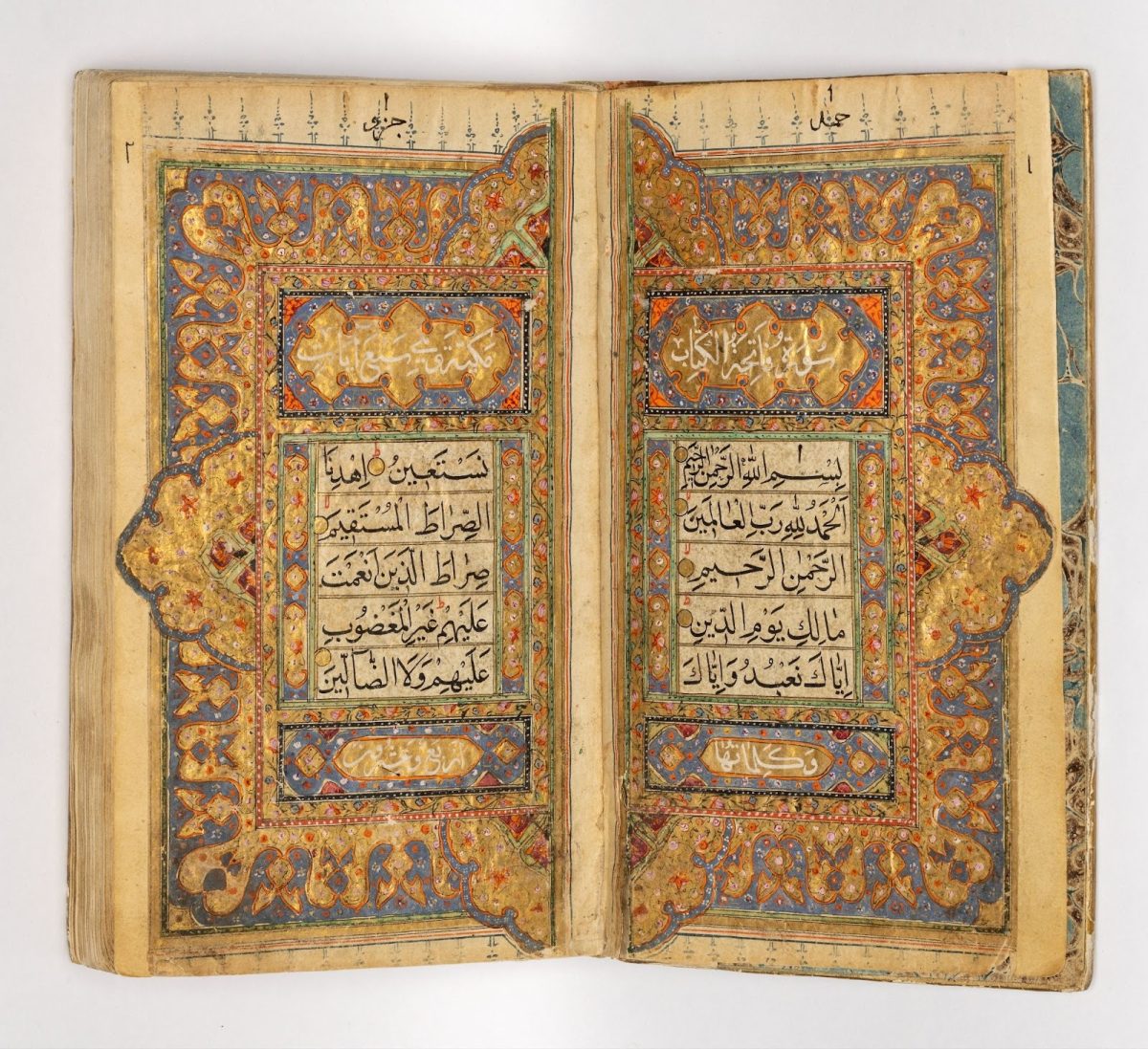
Lead image is of the facade of the museum – Courtesy of Musée d’Art et de Culture Soufis MTO. Photo by Laurent Edeline. Claire Bay image copyright Alex Tome. Third image of the museum’s interior. Image courtesy Flint Culture. Fountain image and the final image, of a 19th-century Qur’an written in Iran and bound in Turkey, are courtesy of Musée d’Art et de Culture Soufis MTO Photo by Jean-Yves Lacôte