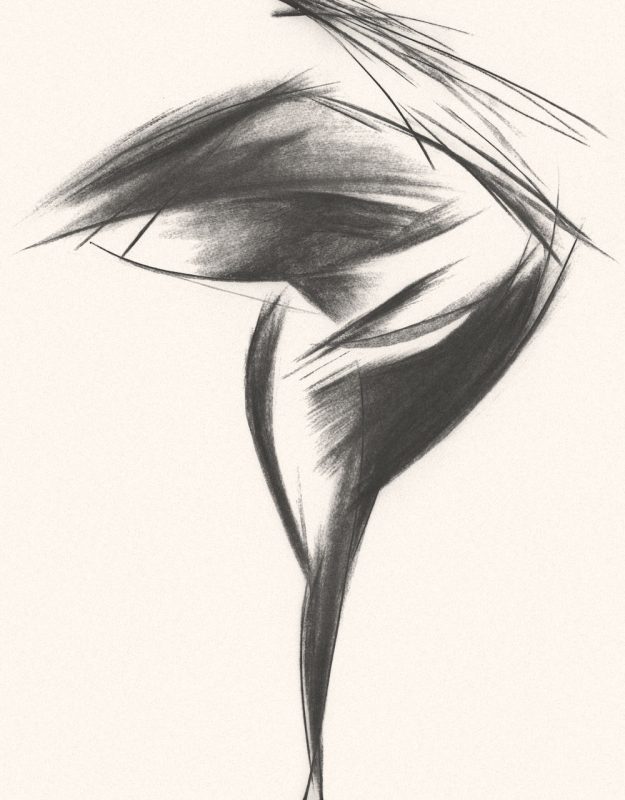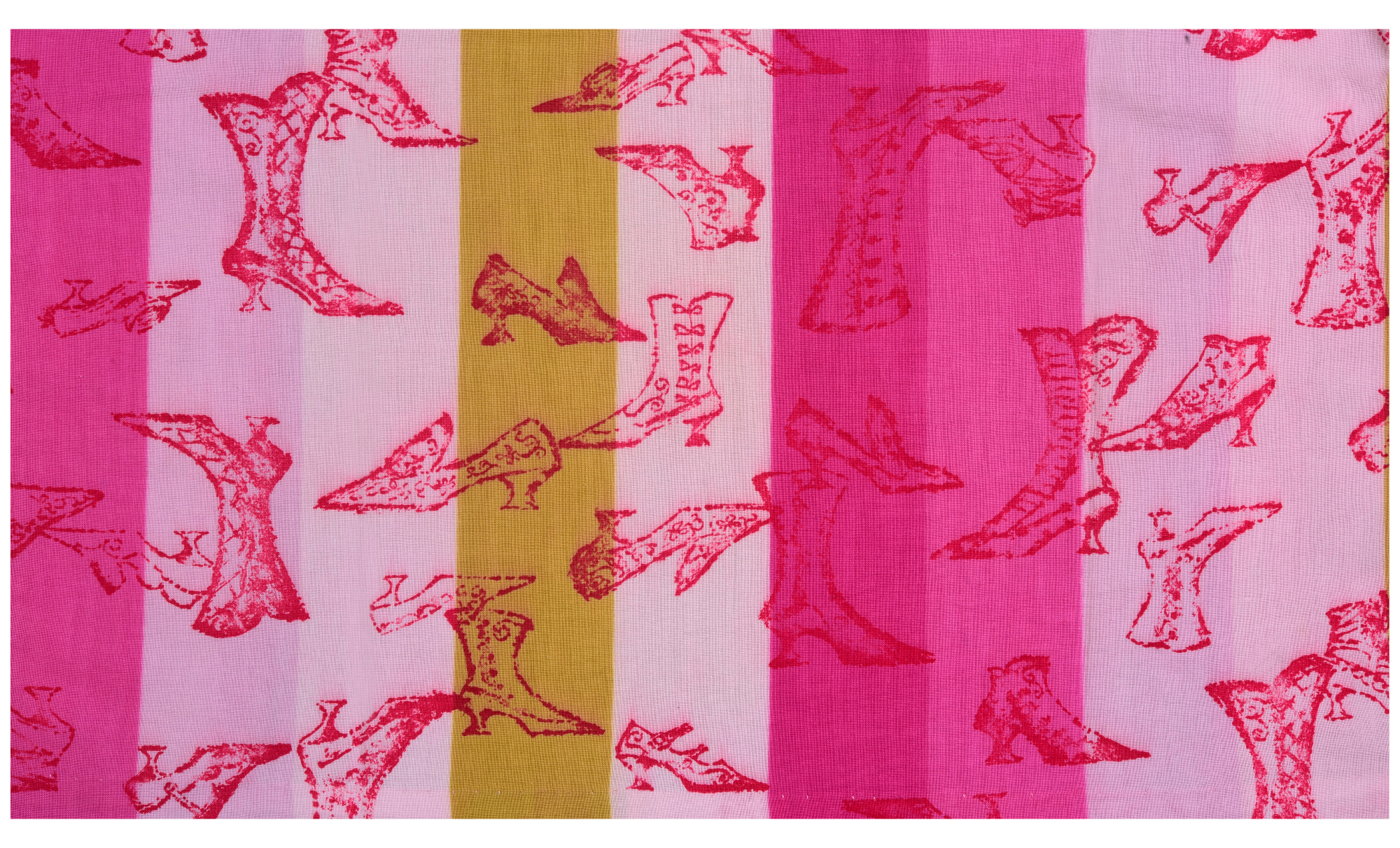
Fashion illustration has a long history of its own. For decades, artists and designers used pens, pencils, or watercolours to capture and express the mood and shapes, and to eventually create a piece of fashion art.
Today, for the good or for the bad, digital tools are changing the game, and digital artists are redefining how fashion can be imagined.
Tablets, software, automated tools, and specialized tools for drawing and illustration make illustration faster and more flexible. Moreover, things that would take ages to draw manually can now be done much faster, therefore offering more options, more creativity, and more flexibility. Fashion illustration can also be interactive and help create interactive ways of experiencing fashion.
In this post, we look at how fashion illustration is being reshaped and why it matters.
From Paper to Screen
Traditional fashion illustration is quite a skill. People used to learn for years and years, to sweat over their illustration for long hours. Mistakes were a drama. Traditional fashion illustration requires a lot of patience and planning, and steady hands.
One single sketch could take days, plus scanning or photographing it to share with the clients or editors meant extra work and extra resources.
Now, everything is very different; so much easier, but also so much more complicated at the same time. Artists can draw on tablets, edit instantly, create dozens of variations, and experiment with the palette in seconds, without having to start over after a single mistake.
Layers and digital tools allow them to try different textures, effects, shades, patterns, save the results, and then be extremely flexible about the environment for sharing the work.
Now, designers need only hours from a rough sketch to a polished image.
Expanding the Palette
Expanding the creative palette is one of the best things about digital illustration. Colors that were traditionally expensive, rare, difficult, or impossible to mix are now available within seconds. Digital tools like watercolor, pencil, oil, etc., allow for the simulation of textures easily. One can even save the fabric patterns and apply them instantly to their designs to see how each works.
This versatility enables artists to create more realistic clothes or more fantastic ones, depending on their tasks. Digital tools also make it easier to play with scale and proportion, and therefore, designers can really focus on small details or complicated effects. This way, they can more effective;y communicate their ideas to clients or audiences when showing the sketches.
Reaching Audiences Worldwide
The ability to share processes or results instantly is one of the biggest changes brought by digital illustration. Artists can not only send their sketches to customers but also use social media to showcase their illustrations to thousands of people, instantly getting feedback.
This unseen accessibility creates a global dialogue around fashion illustration, opening doors for feedback, collaboration with brands and other artists, and more inspiration. Instead of playing games at the best $1 deposit casino from CasinosHunter, people are willing to browse through fashion sketches and share their thoughts.
Traditionally, fashion always stayed within a small circle of artists, editors, clients, and galleries, and illustration was something very privileged and closed from the bigger circles. Digital illustration, on the other hand, is immediate and interactive.
This new approach makes it possible to exchange feedback and ideas dynamically, following the emerging trends or creating your own trends, and discovering new talents.
Merging Art and Technology
Digital fashion illustration isn’t just about drawing on a tablet. It often involves animation, 3D modeling, and interactive elements. Some artists use digital tools to simulate lighting, texture, and fabric in ways that static sketches cannot.
This merging creates new opportunities for both creators and consumers. Today, there are virtual showrooms, online catalogues, galleries, and even fashion apps that rely on digital illustrators in presenting clothes in engaging ways. For customers, seeing how clothes move or interact with light, or look like on models of different body types, gives a better idea of the products and therefore supports loyalty and engagement.
Collaborations and Brand Innovation
Many digital artists collaborate directly with fashion brands. Their illustrations are used in marketing campaigns, social media content, and even product packaging.
Digital sketching enables brands to quickly visualize collections, test all types of concepts, and communicate ideas visually, instead of sharing “tech specs” and trying to imagine what it should look like.
Seasonal experimentation became even more accessible as brands can now preview capsule collections, instantly adjust designs, or react to feedback without actually investing money immediately into physical prototypes.
This adaptability and speed benefit all parties; designers are free to create and experiment, brands are free to be flexible without overspending, and customers are free to give feedback and impact their favorite brands.
The Future of Fashion Illustration
The rise of digital tools does not replace traditional techniques. Many artists still value hand-drawn sketches for their texture, spontaneity, and unique character.
However, digital illustration has become an essential element, offering speed, flexibility, affordability, and global reach.
Of course, one must know how to use these tools correctly because just having the right software doesn’t mean you don’t need knowledge, skill, or creativity anymore. But digital tools are creating experiences without which modern fashion is close to impossible today.