At the onset of a 5-year renovation-slash-asbestos-removal project, Centre Pompidou has been pumping out marketing about the closure while, in equal measure, plastering metro stations with posters promoting the latest programming. Are they open or not?
The conflicting messaging starts to make sense once you head there for the latest hyped-up exhibition, Wolfgang Tillmans’ Rien ne nous y préparait – Tout nous y préparait (Nothing could have prepared us – Everything could have prepared us). Arrive, and the site is ghostly. The shop, cafes, and other touchpoints are bare of activity; a dullness signifying the restoration is about to get going.
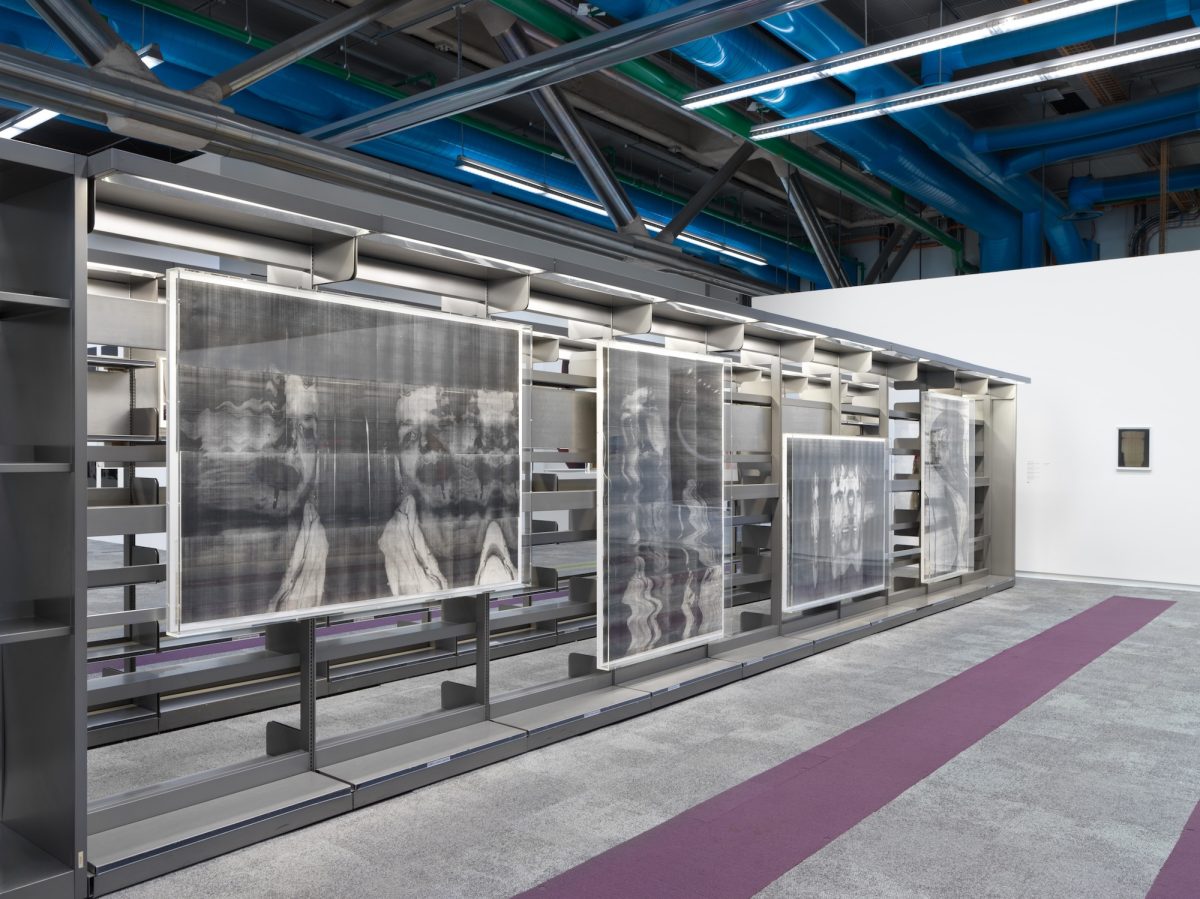
There’s no buzz after security until you reach Tillmans’ show on Level 2 at the Public Information Library (Bpi), now absent of its usual studious patrons. It’s the German artist’s first Paris institutional solo since 2002, surveying four decades of his practice. Per Pompidou’s opening text, it’s an exploration of his intersectional approach to knowledge and social diversity—verbose legwork to say his oeuvre is like a library, as if it weren’t the only exhibition space still available. As a curator friend also pointed out, with next-to-no frames and likely local printing, a photography exhibition was also a conveniently low-budget choice ahead of a €358 million renovation project.
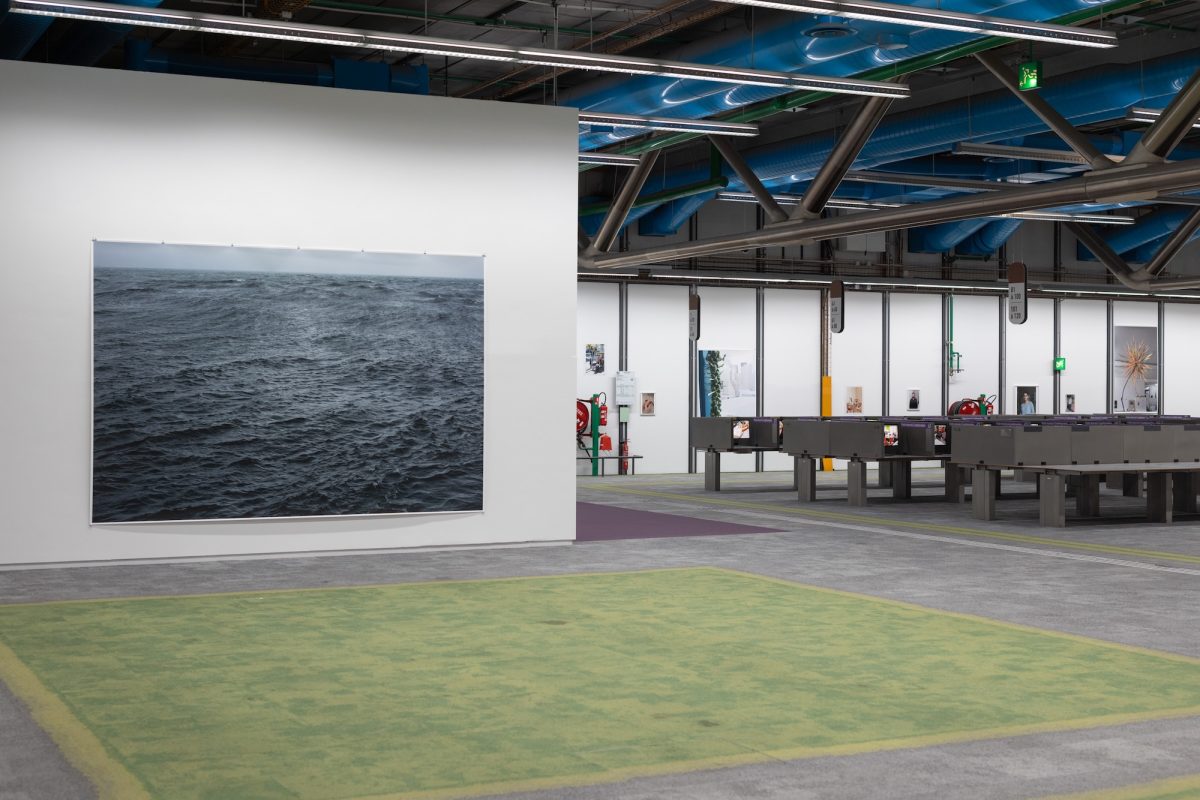
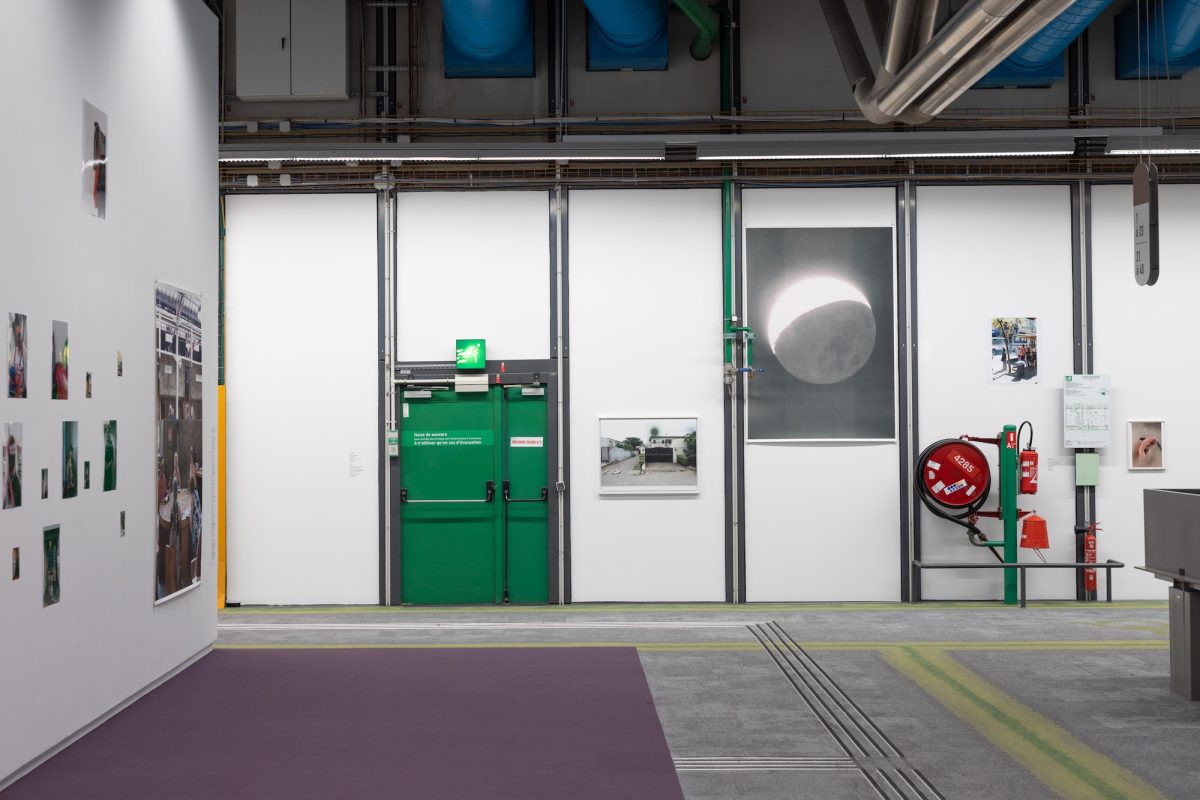
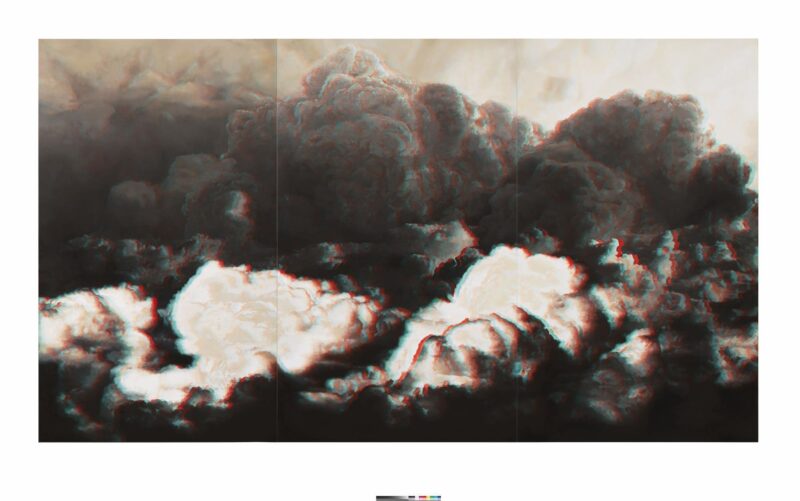
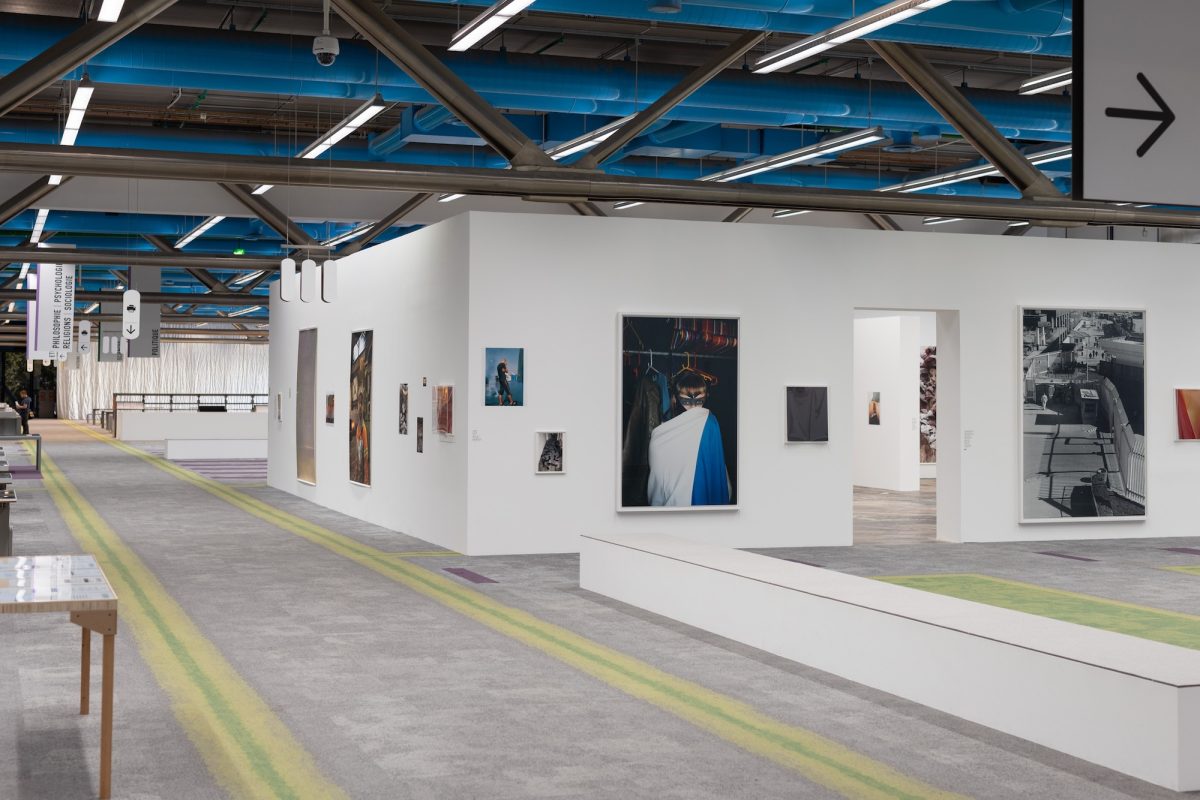
More descriptively, though, the exhibition features his photography, from large, sculptural pieces to 8×4 prints pinned in a casual, almost bedroom-wall way. There’s audiovisual and textual material, objects, and paraphernalia—such as newspaper clippings and personal books—too. These mediums, installed on walls and trestle tables, canvass all kinds of subjects: portraits, still life, animals, abstraction, and landscapes. Some are composed, others serendipitous, going from a prickly succulent (My 25 Year Old Cactus, 2023), an intense grey ocean-scape (The State We’re In, 2015), a luminescent train interior (TGV, 2010), a fragmented computer (CLC 800, dismantled, 2011) and night-time shots of rats scurrying drains and rubbish bags (Rat Disappearing, 1995).
Spanning the personal, political, and social, Pompidou says the work collectively speaks of a post-1989 world. Yet the selection doesn’t emulate a sociopolitical narrative much—it’s a little bit of everything all at once. Too, after seeing a few photography exhibitions, you’re already overexposed to this contemporary human condition trope, even if it’s coming from a canonised artist. Tillmans is deeply attuned with his themes, of course, but the exhibition is caught up in the waning impact of representational photography, heightened by our daily algorithmic image saturation. Exhibitions like Rien ne nous y préparait – Tout nous y préparait are accessible and intimate with their realism and humanism, but less technically and thematically challenging than claimed by media and institutions. The notion that it’s pointing out that our freedoms are on shaky grounds feels pedestrian; we’re all already well-aware and existentially destroyed by experiencing this in reality.
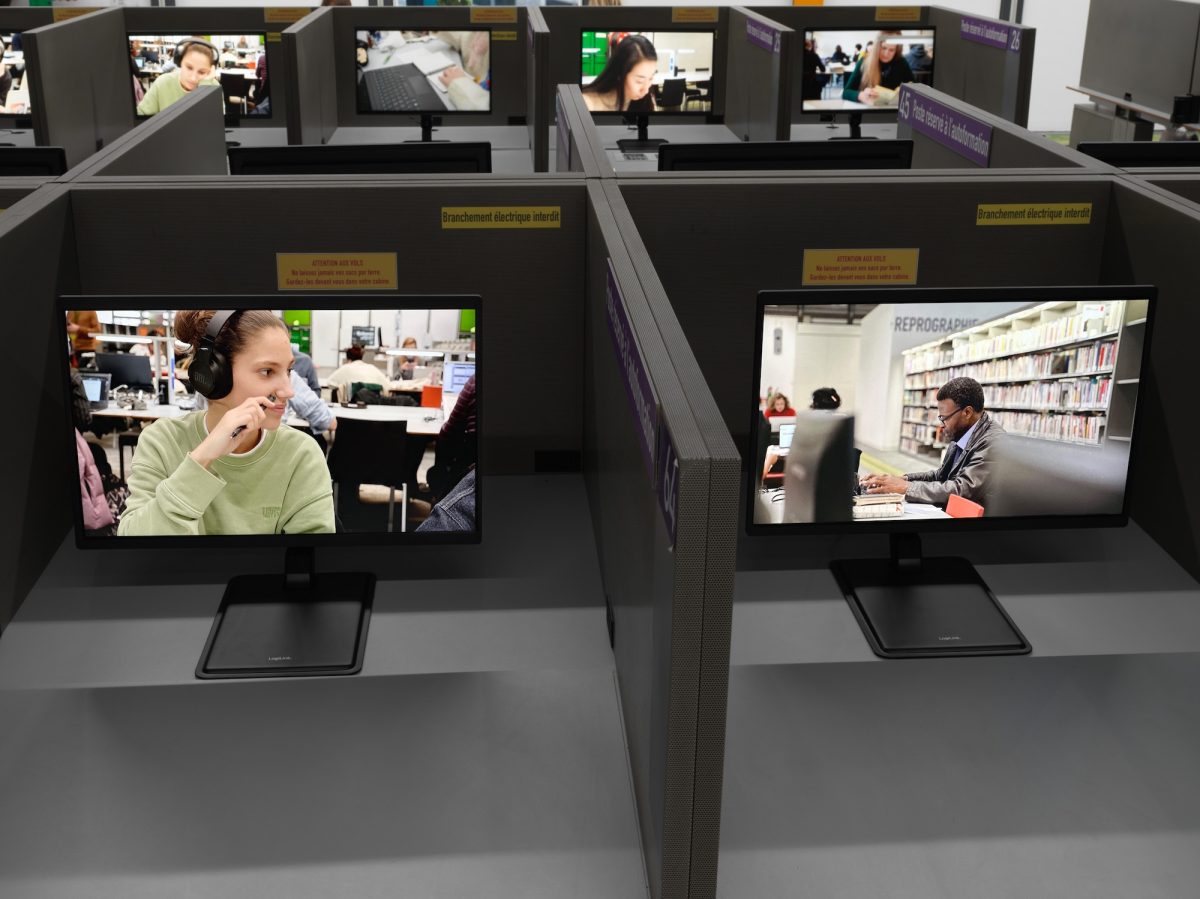
But this is also waxing lyrical in the wrong places. Tillmans’ propensity for spatial awareness makes his show’s effect reliant on its installation more than the content of the work itself. That is: ignore the intellectually embellished wall text, and experience the exhibition in relation to the library’s infrastructure.
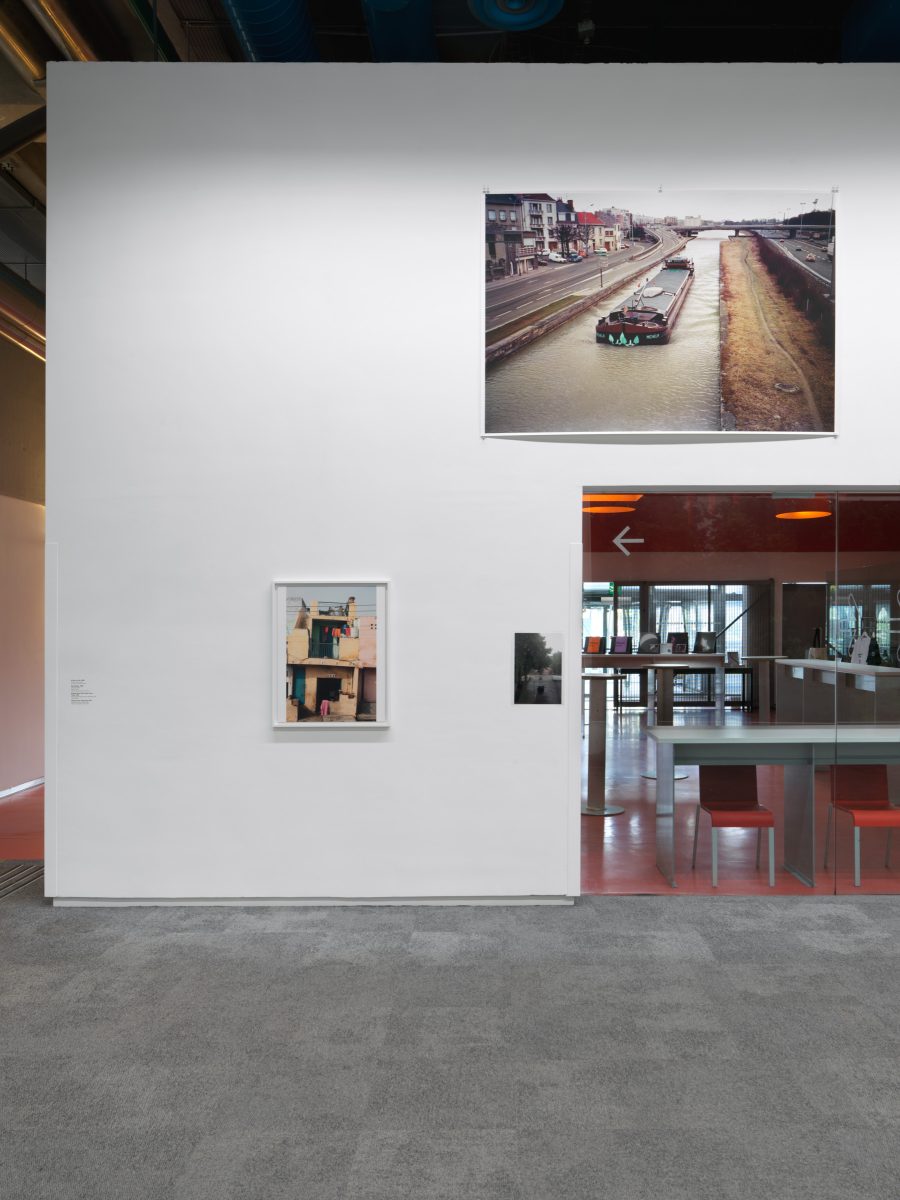
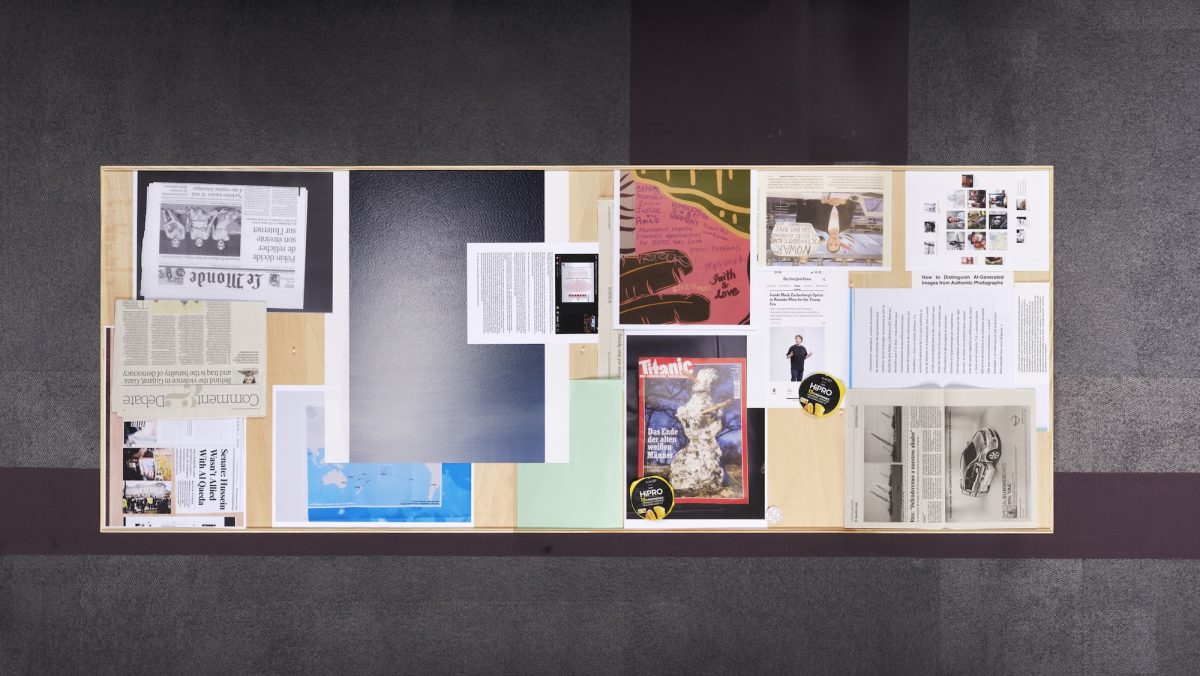
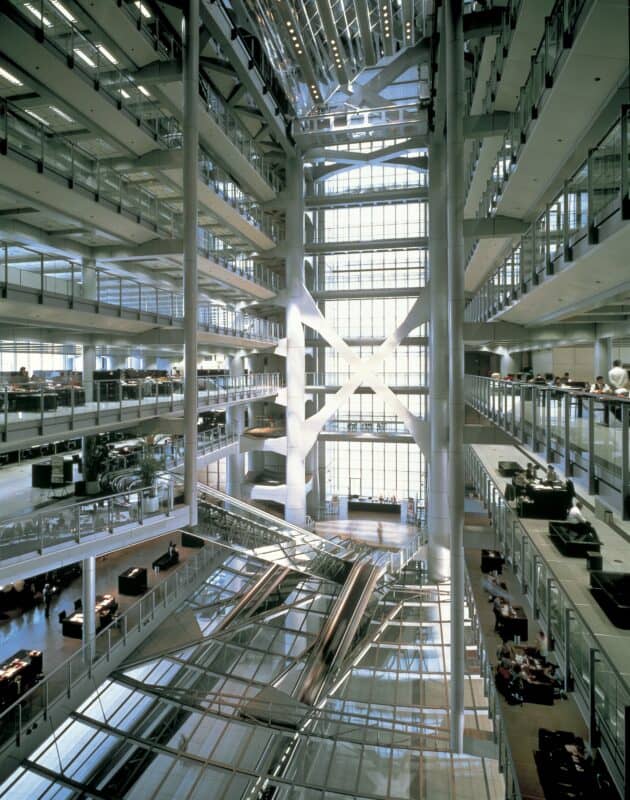
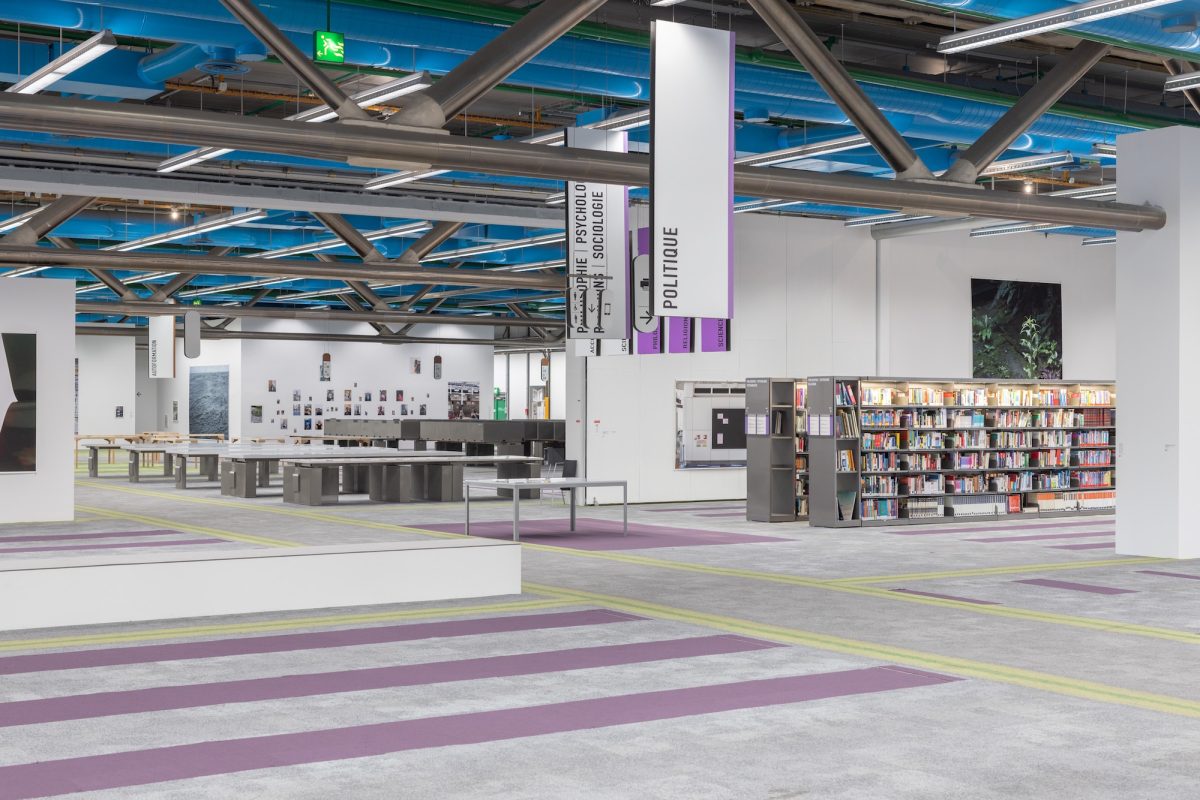
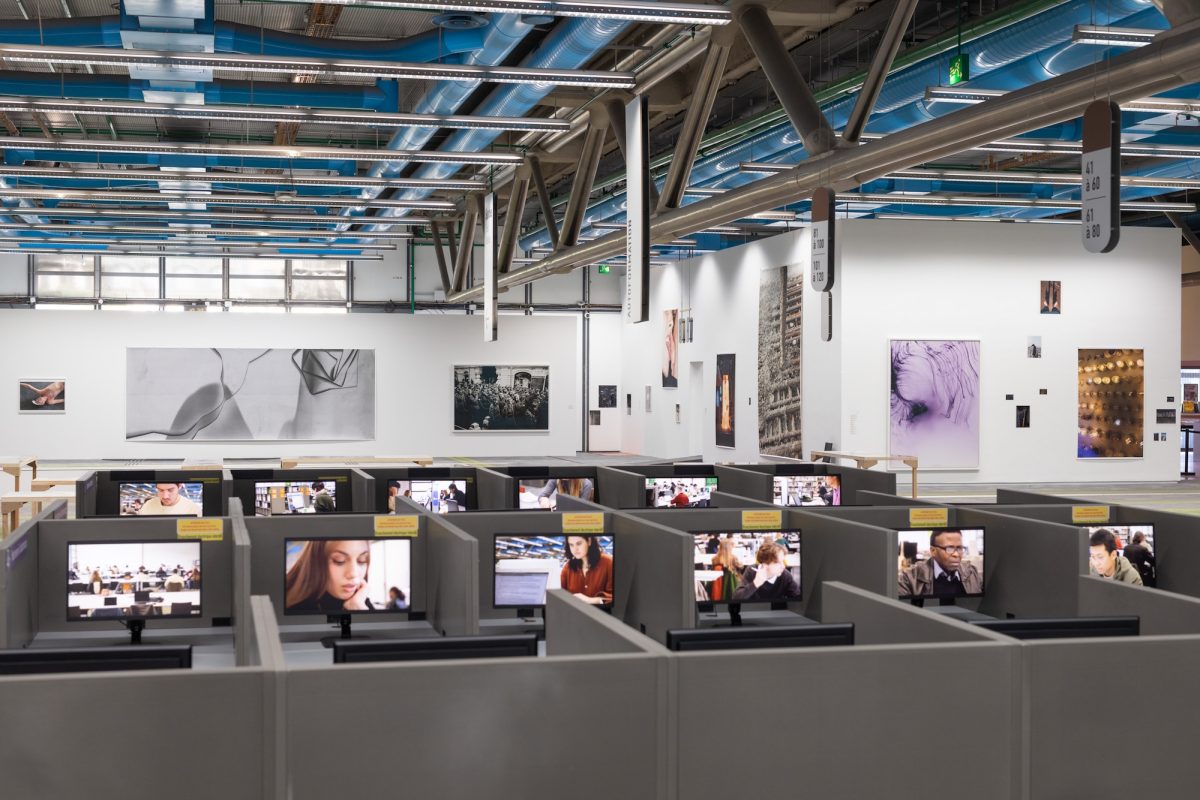
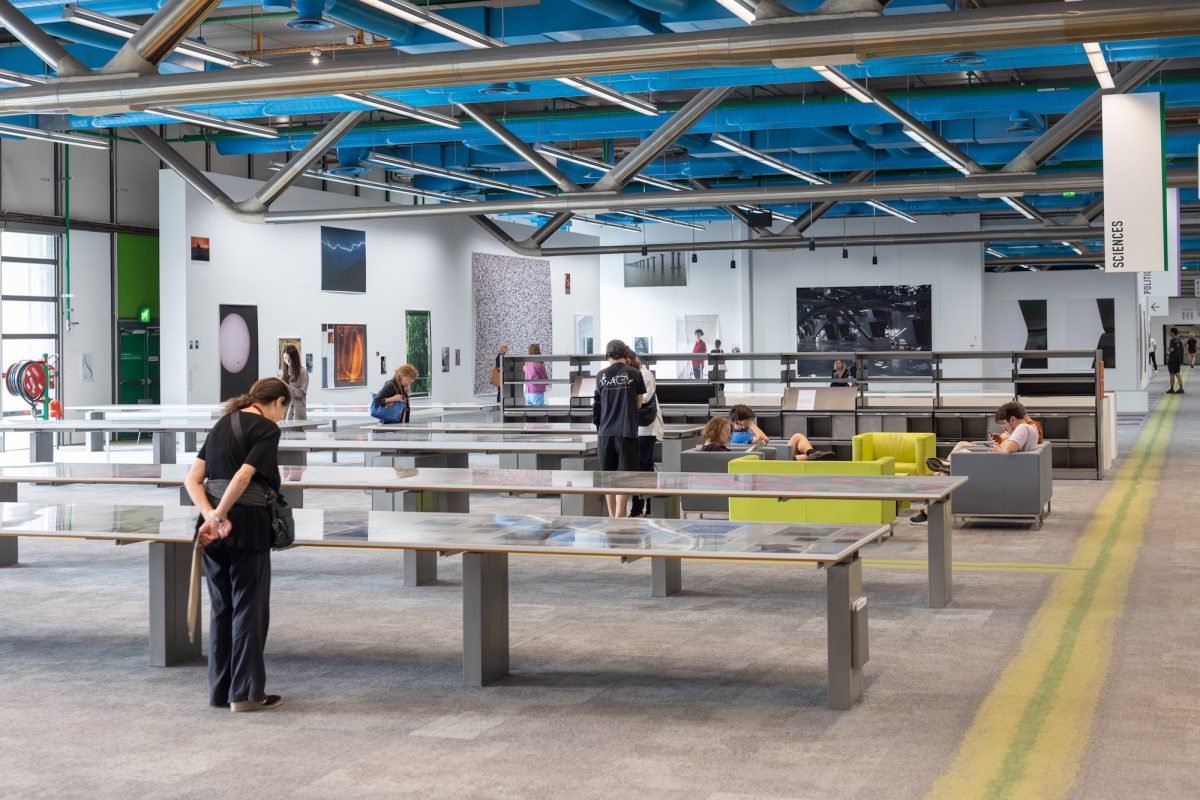
Tillmans uses its six thousand square meters as a curatorial stage, leaning into the library mood in an immersive yet not gimmicky way. The flatness of his photography pieces gives the space a skeletal look, revealing its fixtures: suspended banners, old valves, ceiling piping, and aged carpet. Several leftover bookshelves are empty, others filled with Tillmans’ pieces. Dozens of study booths retain black Logilink computers, screening people using them—focusing, thinking, working, studying—recorded by Tillmans on the day before the library closed. In other booths, you can sit down on plastic chairs and scroll through audiovisual pieces, hearing the clunky mouse click through your bulky headphones. Visitors can also take a seat at other desks to browse his monographs or in the remaining lounges to rest and stare vacantly (yes to more exhibition seating, in general). Otherwise, they meander the open, relaxed space—a win for Paris, where too many false walls make for a tight, uncomfortable journey.
Emphasis on the library’s function and feel has us inhabit the Pompidou a final time–and have a stickybeak–before it closes, for real, once this exhibition ends. It’s a pragmatic, privy view: see the building emptied out, appreciate its quirks, and anticipate what’s ahead. More than a message about our broken world or even Tillmans’ work itself, it’s an ask for public approval and patience as Pompidou turns inward to its architectural priorities.
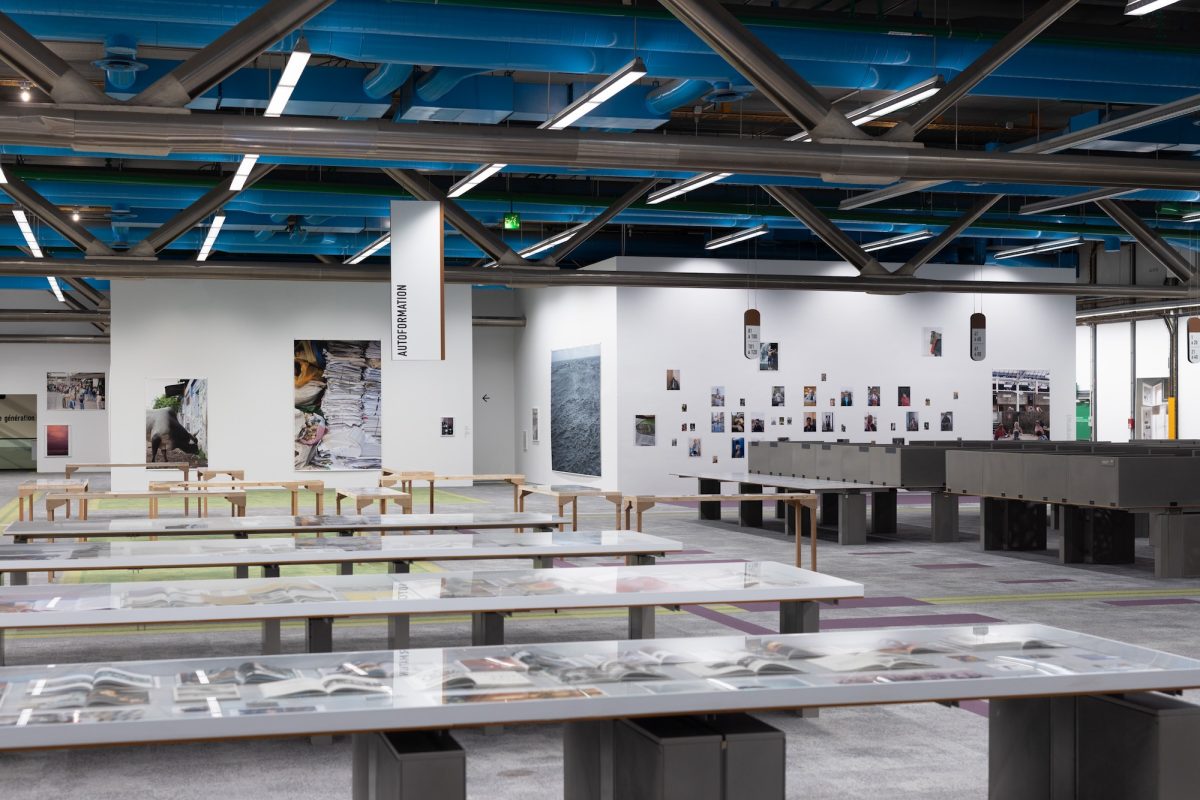
Wolfgang Tillmans, Rien ne nous y préparait – Tout nous y préparait – 22nd September 2025,
Centre Pompidou
All images: Courtesy Exhibition view courtesy of: Galerie Buchholz · Galerie Chantal Crousel, Paris · Maureen Paley, London · David Zwirner, New York. Photography Exhibition views: Wolfgang Tillmans, Jens Ziehe, Table reproductions: Alizée Gousset and Corinna Kranig